This account will be retired next week as we streamline where we share updates, making it easier to stay connected with the latest research and journal news from APS.
The science continues over at @apsjournals 👉
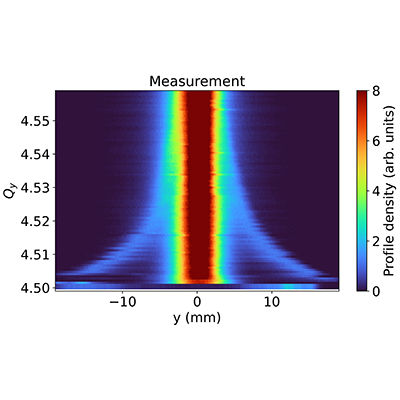
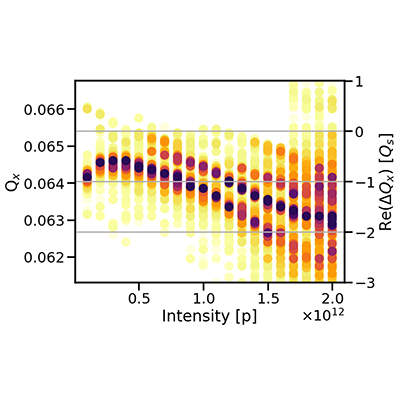
PRAB Editors' Suggestion: Space-charge effects during half-integer resonance crossing in the CERN Proton Synchrotron Booster
Tirsi Prebibaj, et al
https://t.co/EHA1cSwD4y
Finding mitigation strategies for incoherent space charge effects shaping beam profile evolution and losses
PRAB Editors' Suggestion: Data-model-guided framework for systemic emittance minimization in high-brightness photoinjectors
H. Tünnermann, et al
https://t.co/SLiwQUStGz
A data- and model-guided framework achieves ~20% emittance reduction for operation at the European XFEL
PRAB Editors' Suggestion: Design of a storage ring based on a fixed-field alternating-gradient configuration with an internal target for heavy-ion beams with stochastic charge state conversions.
Yoshihiro Ishi, et al
https://t.co/5NDBM6yK22
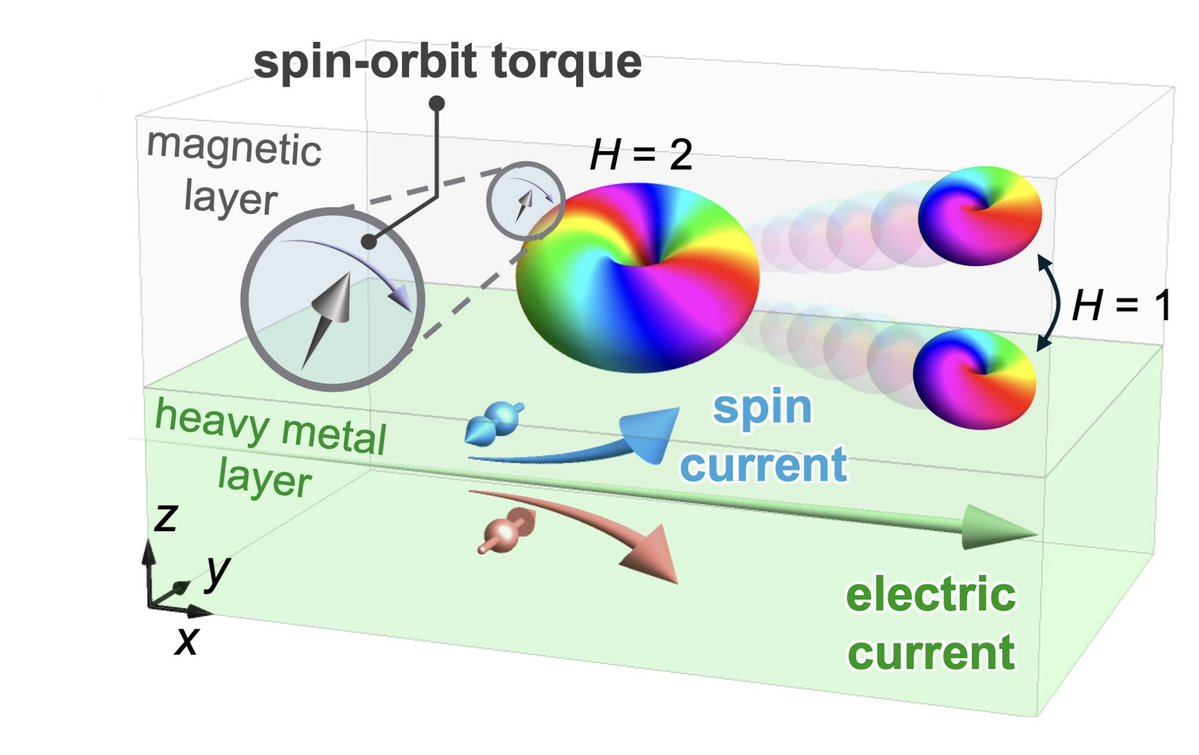
APS Open Science’s first papers are here. Our new community-driven, open access journal supports research at every stage. Read its inaugural papers on controlling the geometry of 3D soliton knots and hybrid materials for ultrafast photonic and optical devices: https://t.co/gRW4k6HyGx
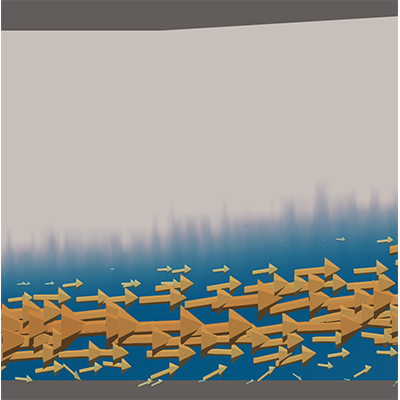
PRAB Letter: Theory and simulation of gap distance transitions in planar magnetically insulated transmission lines
Adam M. Darr
https://t.co/yg5vt58Rwr
Theory and simulation examine how impedance transitions effect electron flow in magnetically insulated transmission lines
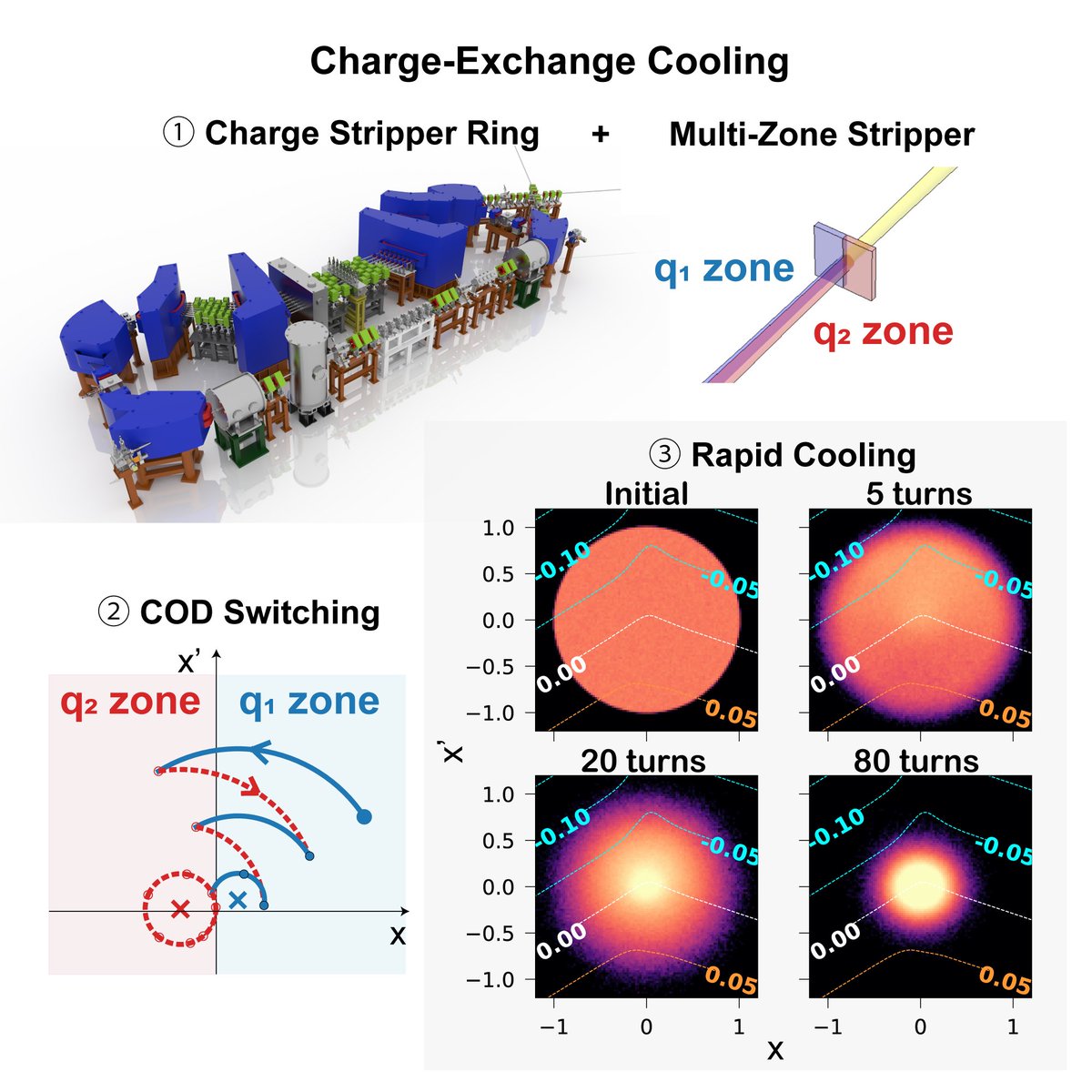
PRAB Editors' Suggestion: Charge-exchange cooling of multicharge-state heavy-ion beams
Hiroshi Imao
https://t.co/2gYHVXRtRM
Can charge exchange — normally associated with beam heating — be used for rapid cooling? Simulatiions show how substantial emittance reduction is possible
PRAB is happy to welcome Chao Feng of the Shanghai Advanced Research Institute as a new Associate Editor.
Chao is an expert on laser acceleration and on the development of advanced light sources, specializing in free-electron lasers.
Read more at https://t.co/bHVUvRv0xc
PRAB Editors' Suggestion: Coherent radiation of ultrashort electron-bunches from linear acceleration
R. J. McGuigan and S. P. Jamison
https://t.co/dDhwGzQcQ6
Radiation losses due to coherence effects can be higher than expected in both RF and plasma acceleration
PRAB Editors' Suggestion: First experimental report of nonlinear collimator in the SuperKEKB
Shinji Terui, et al
https://t.co/viKvLLGVdJ
Comparable or improved background suppression relative to conventional collimators without degrading beam lifetime or injection efficiency
PRAB Editors' Suggestion: Over 8 hours of continuous operation of a free-electron laser driven by a laser-plasma accelerator
F. Kohrell, et al
https://t.co/R97uoZGivX
Reliable, long-term operation of an LPA-driven FEL in the self-amplified spontaneous emission (SASE) regime
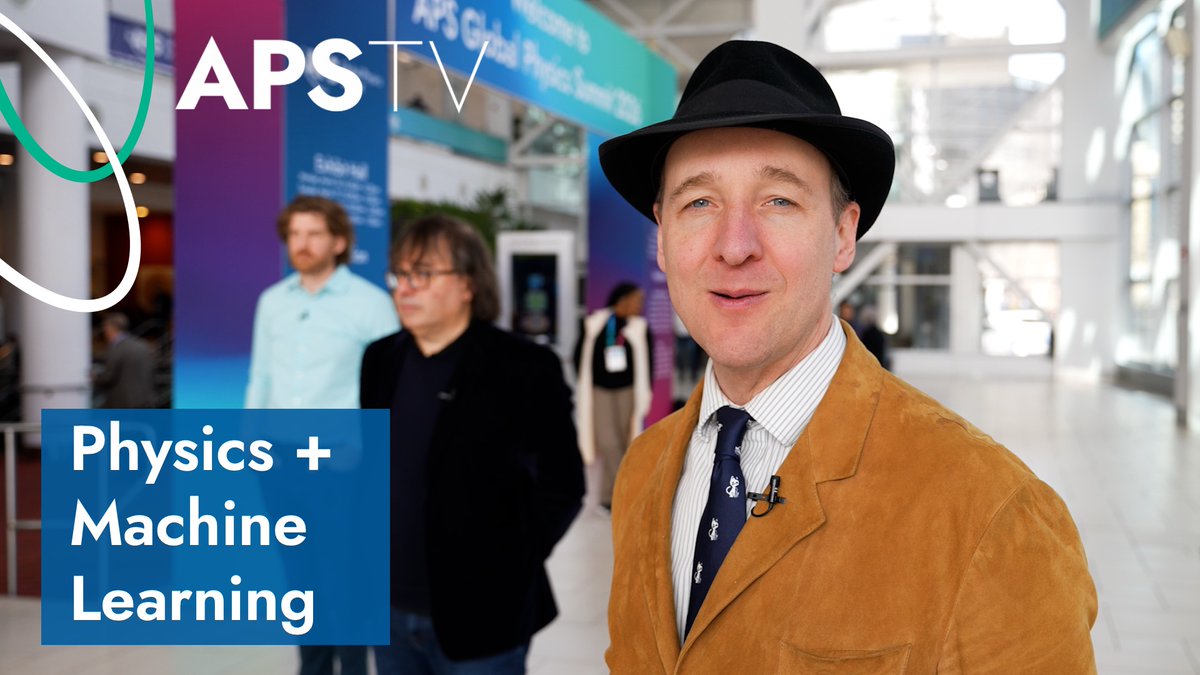
Join APS TV Host Clara Nellist as she sits down with the editors of PRX Intelligence, a new @APSPhysics journal. Watch them introduce their vision for a publication dedicated to research at the intersection of physics, AI & machine learning. #APSSummit26 https://t.co/wQweFahCXR
PRAB Editors' Suggestion: Development and high-current cw operation of 166.6 MHz high-power, higher-order-modes-damped 𝛽 =1 quarter-wave SRF modules at the High Energy Photon Source
Pei Zhang, et al
https://t.co/PIrioFCjEw
PRAB Editors' Suggestion: High-power test of the single-periodic magnetically coupled standing-wave accelerating structure for a proton therapy linac
Wei Qin, et al
https://t.co/35jCpkyRma
An innovative S-band RF cavity (3 GHz) on the frontiers of high gradient RF cavities
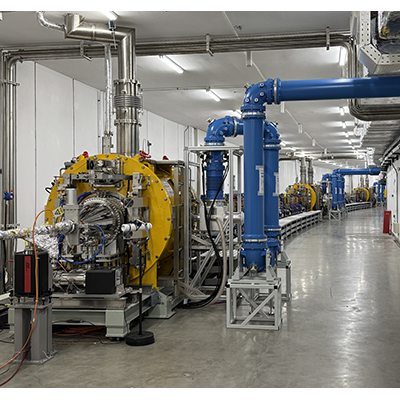
PRAB Editors' Suggestion: Realization of compact permanent-magnet-based multibend-achromat lattice with magnetic crosstalk compensations
M. Aiba, et al
https://t.co/bTcyjxjmk4
SLS 2 is the 1st storage ring with a substantial number of permanent magnets in a compact MBA lattice
PRAB Editors' Suggestion: Beam intensity limitations in future multibend achromat light sources
I. Agapov and S. A. Antipov
https://t.co/Q8FyAp1ljn
Due to intensity limitations, significant emittance reduction beyond 4th-generation machines requires increasing the beam energy
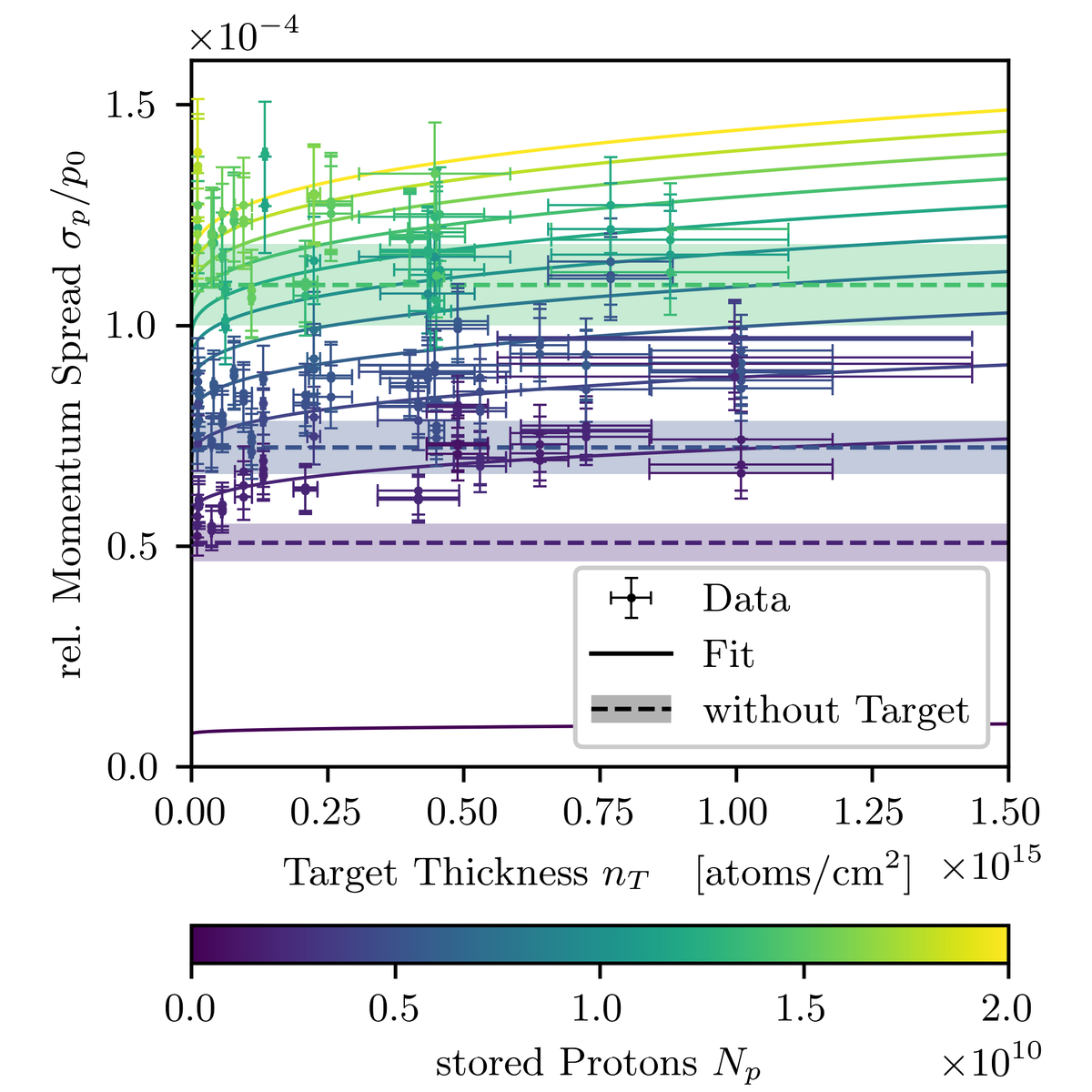
PRAB Editors' Suggestion: Operation of the ¯PANDA cluster-jet target with the HESR stochastic cooling at COSY
P. Brand, et al
https://t.co/kJgNi5XGvz
Results show that stochastic cooling efficiently cools the beam with the target and provide input for later operation at HESR.
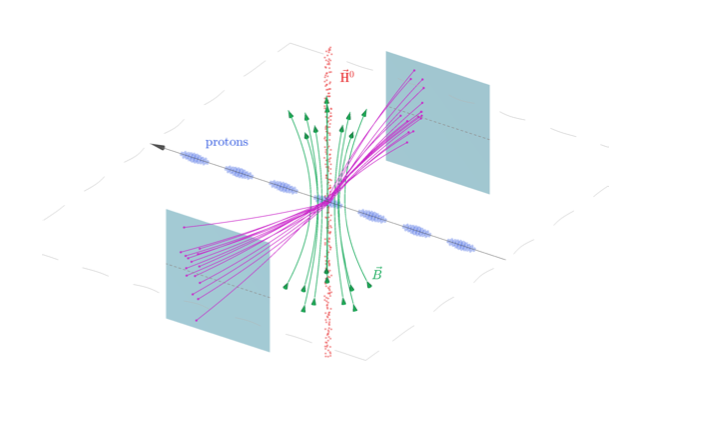
PRAB Editors' Suggestion: Eliminating beam-induced depolarizing effects in the hydrogen jet target for high-precision proton beam polarimetry at the electron-ion collider
F. Rathmann, et al
https://t.co/AuZgA5AVH5
How a target guide field suppresses all depolarizing resonances
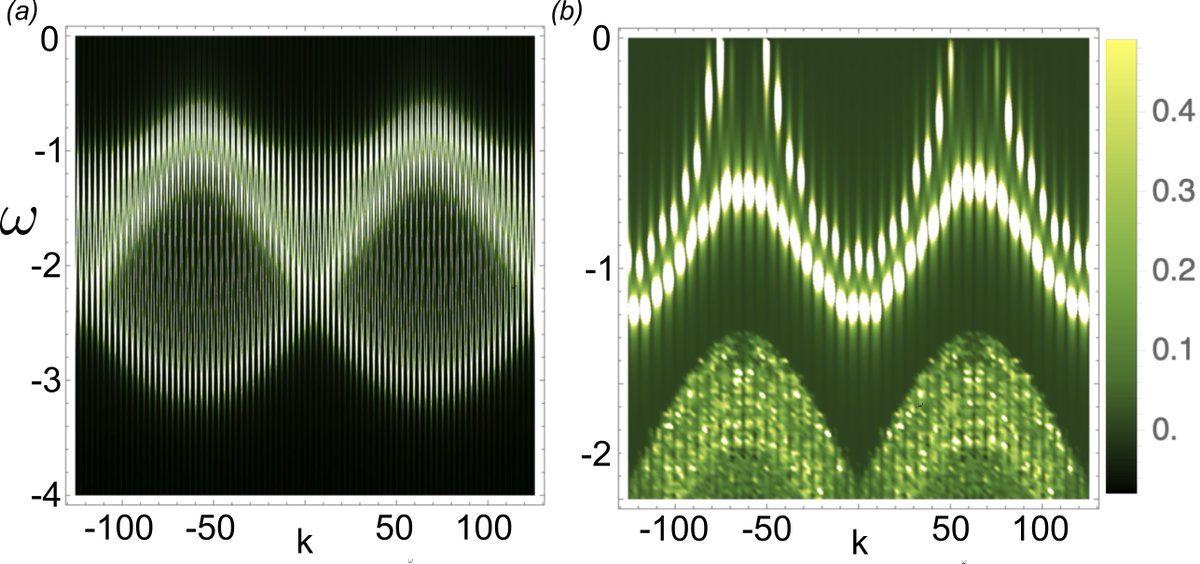
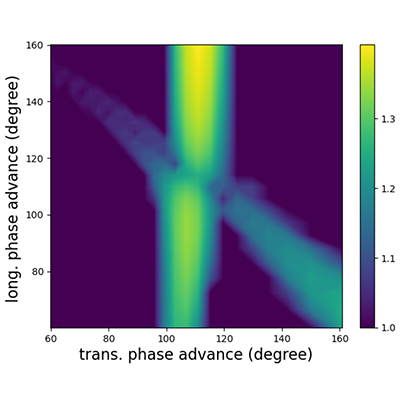
Study of fully coupled three-dimensional envelope instability using automatic differentiation
Ji Qiang
https://t.co/dHFYoUv43g
Using automatic differentiation, an additional unreported instability stopband, which arises from space-charge-induced coupling, has been found
PRAB Editors' Suggestion: Post long shutdown 2 CERN proton synchrotron transverse impedance model: Description and beam-based validation
Sébastien Joly, et al
https://t.co/cScmaUnT3Y
A robust foundation for assessing PS beam stability in present and future operations