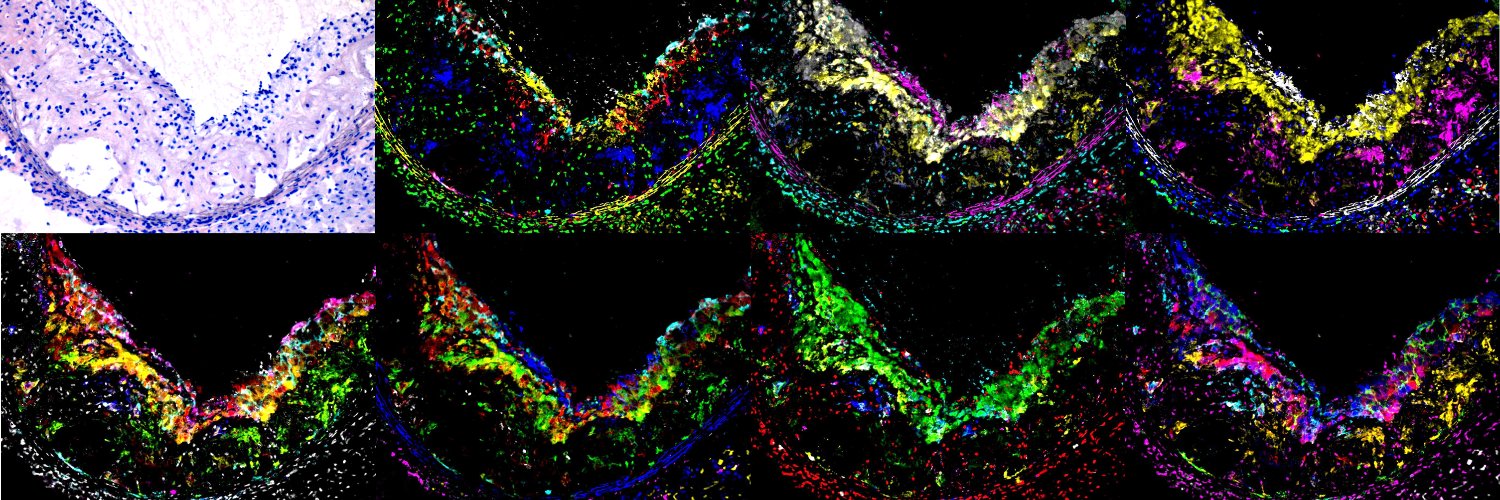
Thrilled to coordinate SHE-HEALS. We’ll study how perimenopause and early menopause shape heart disease risk and test whether earlier prevention can stop silent Atherosclerosis before symptoms begin. @Cambridge_Uni@UniMelb@Cambridgecardio@HLRI_Cambridge@parcc_inserm
Thanks a lot to Jack Cleutjens for making our lab a safer place by giving us a hands-on CPR & AED training this morning! Will you also do this in your lab? @CARIMMaastricht@Hartstichting@mumc @maasuniversity See https://t.co/qa85J3Rikj
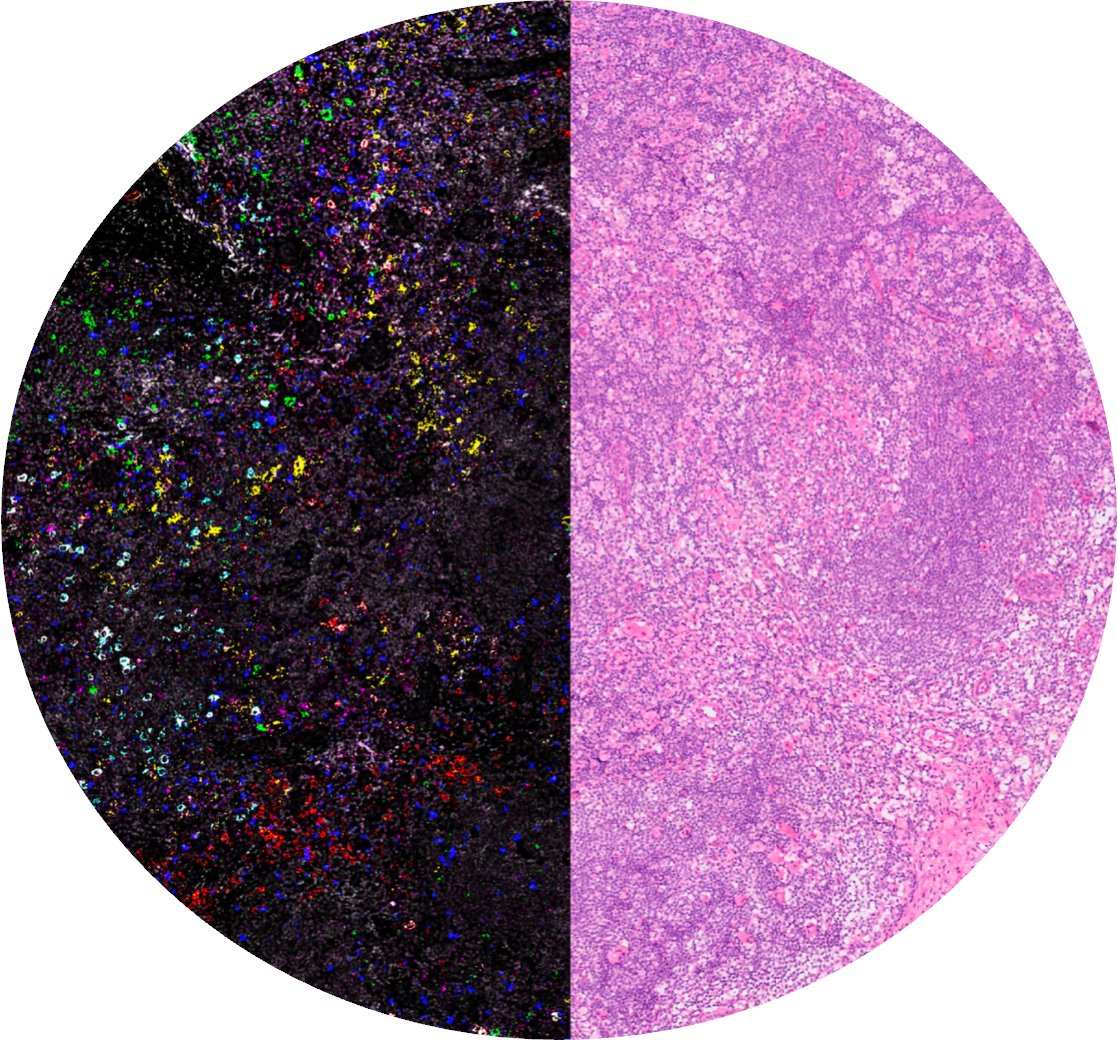
Come and visit my poster #75 today at the @EuMacDcSoc#EMDS2024 meeting. We are presenting our recent work on #DC heterogeneity in #melanoma draining lymph nodes #SLN
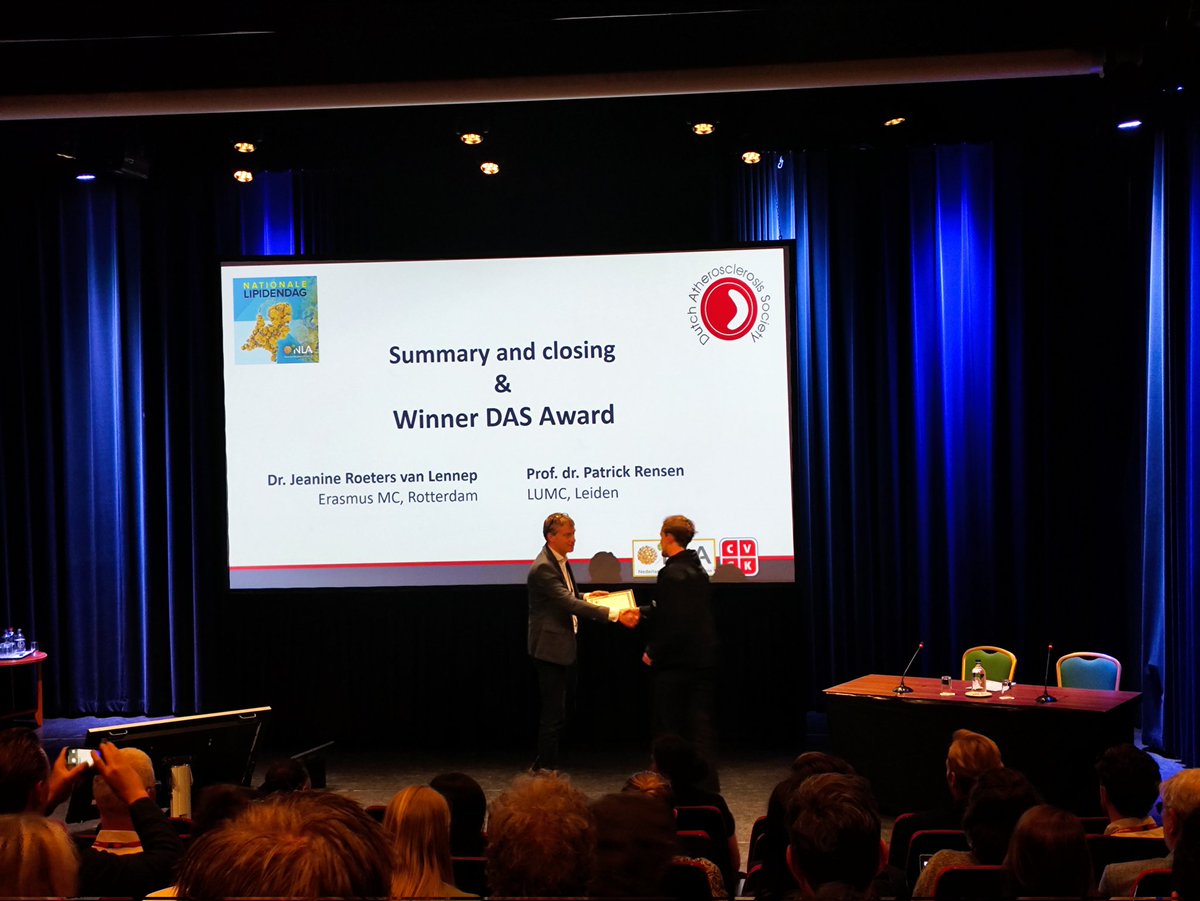
The MIRACLE DN officially kicked off with a successful meeting in Amsterdam! Partners, doctoral candidates, and experts came together to launch the next phase of research into cardiometabolic diseases.
🔗 Read the full recap here: https://t.co/6UwBodd316
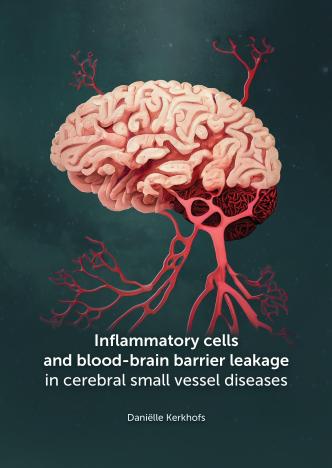
#thesisdefence Tomorrow, Daniëlle Kerkhofs will defend the thesis 'Inflammatory cells and blood-brain barrier leakage in cerebral small vessel diseases' at 10:00h @MaastrichtU
📺https://t.co/GPpyNounJH
#phdlife@S_Foulquier
8 hour time-restricted eating linked to 91% higher risk of cardiovascular death? 🫀
Really?! Not so "fast" ...🤔
Upon popular request, I'm covering this news release.
👉 1) This is not in reference to a published paper.
Rather, these were "preliminary" results presented at an AHA epidemiology conference. The paper that these data may yield is not published, so informed commentary is necessarily limited.
👉2) The article notes, "Previous research has found that time-restricted eating improves several cardiometabolic health measures, such as blood pressure, blood glucose and cholesterol levels." They also provide no biologically plausible rationale for the results.
👉3A) The results themselves were based on self-report...
This doesn't invalidate the data itself (I'm not against questionnaires); however, in the context of findings that are at odds with other data (as noted above) and absence of presented biological plausibility, and high probability of reporter bias (e.g. perhaps people with higher risk factors and more clinical clinical 'concern' are more likely to report trying 16-8), I would take this with a grain of salt (but not too many grains... because that will raise your blood pressure... with TRF helps, btw).
3B) "Time-restricted eating was determined on the basis of just two days of dietary intake”
3C) Also "the nutrient quality" was not assessed
4) Not all elements of the news coverage were clear/consistent. E.g. "Among people with existing cardiovascular disease, an eating duration of no less than 8 but less than 10 hours per day was also associated with a 66% higher risk of death from heart disease or stroke." Is this saying in those with CVD <8 was okay, but <10 was bad? That's odd and a little "sus" (as the kids say)
And, in closing, it's worth noting the news article itself says "The Association makes no representation or guarantee as to their [the data's] accuracy or reliability."
I'll continue to skip breakfast as it suits me.
You do you.
cc' @MatthewNehsMD@ChrisPalmerMD@drjasonfung@bigfatsurprise@DoctorTro@KenDBerryMD@AdrianSotoMota anything to add?
You gonna' pick up some Cheerios for your heart?












![nicknorwitz's tweet photo. 8 hour time-restricted eating linked to 91% higher risk of cardiovascular death? 🫀
Really?! Not so "fast" ...🤔
Upon popular request, I'm covering this news release.
👉 1) This is not in reference to a published paper.
Rather, these were "preliminary" results presented at an AHA epidemiology conference. The paper that these data may yield is not published, so informed commentary is necessarily limited.
👉2) The article notes, "Previous research has found that time-restricted eating improves several cardiometabolic health measures, such as blood pressure, blood glucose and cholesterol levels." They also provide no biologically plausible rationale for the results.
👉3A) The results themselves were based on self-report...
This doesn't invalidate the data itself (I'm not against questionnaires); however, in the context of findings that are at odds with other data (as noted above) and absence of presented biological plausibility, and high probability of reporter bias (e.g. perhaps people with higher risk factors and more clinical clinical 'concern' are more likely to report trying 16-8), I would take this with a grain of salt (but not too many grains... because that will raise your blood pressure... with TRF helps, btw).
3B) "Time-restricted eating was determined on the basis of just two days of dietary intake”
3C) Also "the nutrient quality" was not assessed
4) Not all elements of the news coverage were clear/consistent. E.g. "Among people with existing cardiovascular disease, an eating duration of no less than 8 but less than 10 hours per day was also associated with a 66% higher risk of death from heart disease or stroke." Is this saying in those with CVD <8 was okay, but <10 was bad? That's odd and a little "sus" (as the kids say)
And, in closing, it's worth noting the news article itself says "The Association makes no representation or guarantee as to their [the data's] accuracy or reliability."
I'll continue to skip breakfast as it suits me.
You do you.
cc' @MatthewNehsMD @ChrisPalmerMD @drjasonfung @bigfatsurprise @DoctorTro @KenDBerryMD @AdrianSotoMota anything to add?
You gonna' pick up some Cheerios for your heart?](https://pbs.twimg.com/media/GJDgPcTawAAjt8b.png)


