@Eurosport_IT Ringraziamo Voi e tutta la squadra di Eurosport per averci fatto vivere come se fossimo dal vivo queste bellissime olimpiadi. Siete mitici !!
After getting access to a Windows system, touching files immediately is one of the fastest ways to get noticed. Files are monitored more than people realise, especially sensitive ones. Opening or modifying documents can trigger timestamps, logs, and even alerts depending on the environment. Hackers know that files are evidence waiting to be created. That is why real attackers slow down instead of rushing. The first goal is staying invisible, not grabbing data.
Another reason hackers avoid files early is lack of context. At the beginning, they do not yet know which files matter or which ones are watched closely. Touching the wrong file too early can expose intent. Many investigations start because someone accessed a document they had no reason to touch. Hackers prefer to learn how the system behaves before interacting with anything valuable. Observation comes before action. Patience protects access.
In the terminal, the first command confirms which Windows account is being used. The privilege check that follows shows exactly what the account can and cannot do without escalating anything. The session check reveals whether other users are logged in at the same time. The hostname command gives context about the machine’s role inside the organisation. Finally, listing running processes helps observe security tools or monitoring without interacting with them. Every step avoids files completely because files create evidence fast.
#Voidlink, A new era of malware has arrived! We discovered that the framework was built nearly end-to-end using agentic AI. It stands as an alarming example of what experienced actors are capable of using artificial intelligence.
https://t.co/4cGE620Nrd
Security researchers have hacked the Tesla Infotainment System and earned $516,500 after exploiting 37 zero-days on the first day of the Pwn2Own Automotive 2026 competition.
https://t.co/OF8IBNGW90
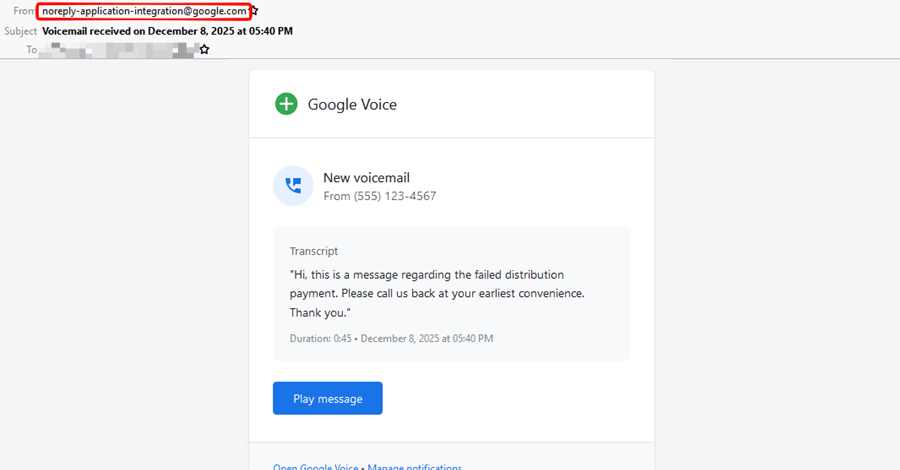
Researchers uncovered phishing sent through Google Cloud’s built-in email feature. Emails came from google[.]com, not spoofed domains, making them harder to spot.
Clicks passed through Google-hosted pages before stealing Microsoft login credentials.
🔗 Read → https://t.co/F9evysjWRU
Over 10,000 Internet-exposed Fortinet firewalls are still vulnerable to attacks exploiting a five-year-old two-factor authentication (2FA) bypass vulnerability.
https://t.co/h6dXAYuFKq
⚠️ Warning — One hidden email could trick ChatGPT’s Deep Research into stealing your Gmail inbox.
Dubbed “ShadowLeak,” this stealth attack hides commands in invisible HTML, making the AI grab and exfiltrate your data—without a single click.
Details → https://t.co/kuDWpakJbc