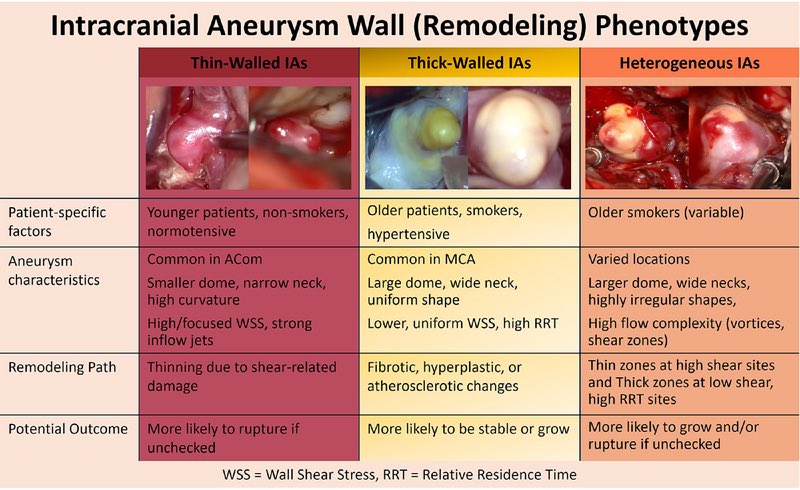
In a new @NatureNeuro study led by @UCSF neurosurgeon @EWinklerMDPhD, researchers profiled the cells in human aneurysms, identifying the changes that make a rupture more likely and new opportunities for therapeutic intervention: https://t.co/IHiF18unhJ
@mtlawton@BarrowNeuro
Exciting new research on SAH brain injury neuroprotection! 🧠✨
A recent randomized controlled trial shows that noninvasive transauricular vagus nerve stimulation (taVNS) can significantly improve outcomes for patients recovering from a subarachnoid hemorrhage (SAH).
Key findings: 📉 taVNS significantly reduces key inflammatory cytokines (TNF-α and IL-6) in both blood plasma and cerebrospinal fluid. 🧠 The therapy reduces the rate of radiographic cerebral vasospasm, helping blood vessels return to normal caliber more rapidly. 🏥 Patients receiving taVNS demonstrated higher rates of favorable functional outcomes and a significantly lower rate of discharge to a skilled nursing facility or hospice.
This represents a highly promising, low-risk bioelectric approach to neuro-immunomodulation in the ICU! ⚡👂
Source: Huguenard AL, Tan G, Rivet DJ, et al. Auricular vagus nerve stimulation for mitigation of inflammation and vasospasm in subarachnoid hemorrhage: a single-institution randomized controlled trial. J Neurosurg. 2025;142:1720-1731. https://t.co/Di5k4K1NJh
🚨 New Results from the EMMA-Can Randomized Clinical Trial! 🧠
Can we reduce the high recurrence rates of chronic subdural hematoma (cSDH)? The newly published EMMA-Can trial evaluated adjunctive embolization of the middle meningeal artery (EMMA) alongside standard surgical drainageacross 9 Canadian centers.
📊 Key 90-Day Outcomes: 📉 Symptomatic recurrence dropped by 6.5X: only 4.3% in the EMMA group vs. 28% with surgery alone.
🧠 Radiographic recurrence was also much lower: 14% for EMMA vs. 49.5% for the control group. ✅ Safety profile: Mortality and adverse event rates were similar between groups, and no serious adverse events or deaths were attributed to the EMMA procedure.
💡 The Takeaway: Performing EMMA with a liquid embolic agent within 72 hours of surgery is a safe and highly effective strategy to prevent cSDH recurrence compared to relying on surgery alone.
#Neurosurgery #ClinicalTrials #EMMACan #MedicalResearch #Neurology
Thoughts:
1) The data support that cSDH are vascular in origin. cSDH are a common encountered neurological entities with an aging population.
2) At our center we have unpublished data that SDH recurrence after craniotomy SDH evac surgery can be as high as 20% prior to MMA embolization. Recurrence was highest in those on chronic anticoagulation compared to those without anticoagulation.
3) If you talk to a neurosurgeon who does craniotomy and drainage of cSDH, they describe a hypervascular membrane being present that they try to remove as much as possible in a craniotomy flap. This along with some other studies about VEGF elevation support this “cSDH vascular hypothesis” that is treated by embolization.
Comment: I once had a paper about subdural hematomas rejected by the typical major journals around this vascular SDH concept. Finally a good journal and reviewer asked “are cSDH really vascular ?” We said yes and provided and cited some early literature around this concept. Thankfully the J Stroke and Cerebrovascular journal published it ! 🎉 :-) PMID: 32434727
Source: Shankar J et al Management of Chronic Subdural Hematoma With Adjunctive Embolization of Middle Meningeal Artery: The EMMA-Can Randomized Clinical Trial
https://t.co/ejy1ptyVwJ doi:10.1001/jama.2026.4910
We're winning the infection battle in aSAH. But we're losing ground on kidney injury and DVT.
New data from 163,349 US aSAH hospitalizations (2006-2022) in Neurocritical Care:
UTI and sepsis declined significantly. Infection prevention bundles are working.
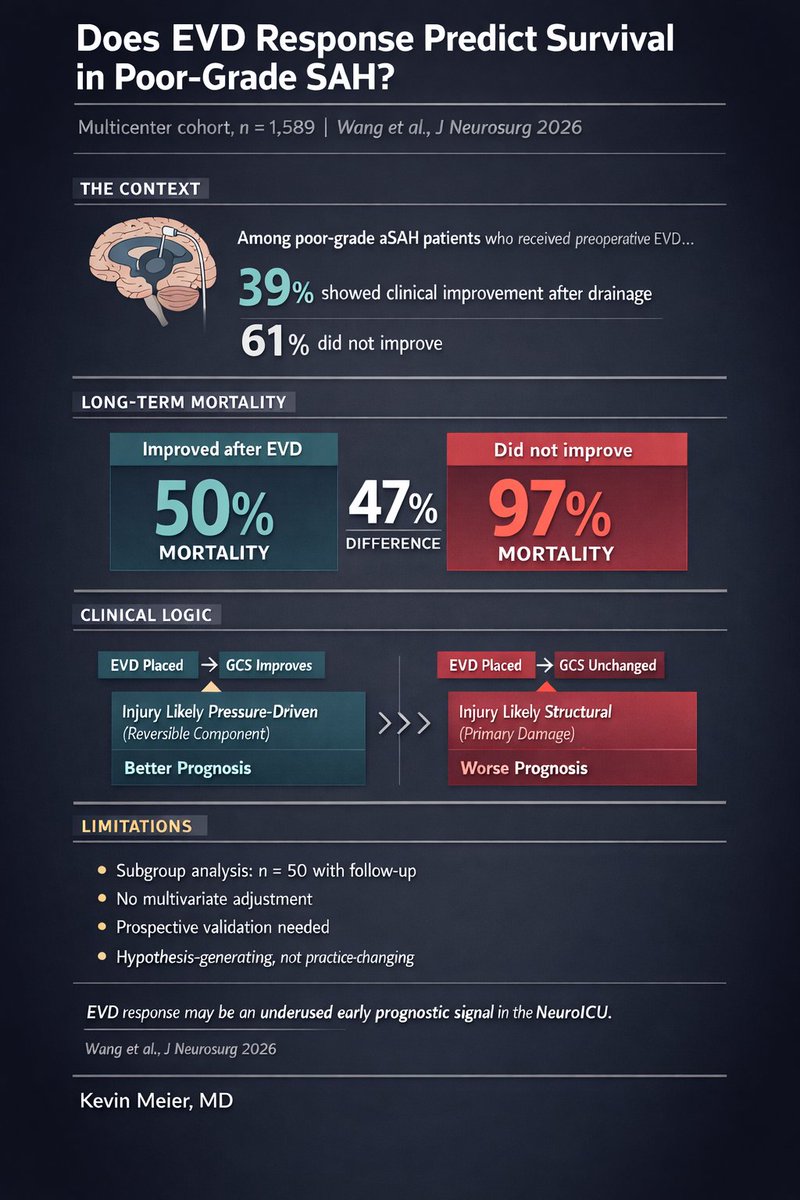
Just read an interesting paper, "Long-term outcomes of poor-grade aneurysmal subarachnoid hemorrhage"
New multicenter data (n=1,589) just published in the Journal of Neurosurgery looked at long-term outcomes in poor-grade aSAH. The headline finding was 51% long-term mortality.
What I found more interesting, among patients who received EVD before aneurysm treatment, 39% showed clinical improvement (GCS increase) after drainage.
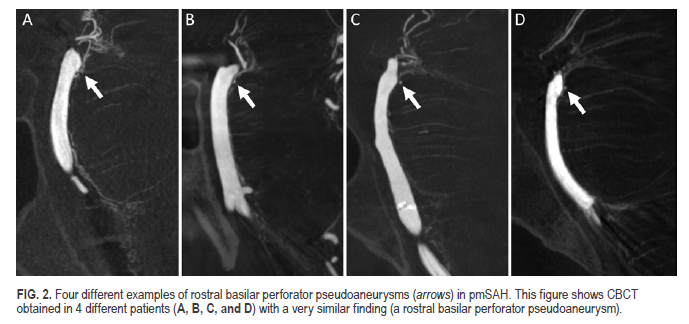
Our @TheJNS paper is out: In perimesencephalic SAH, high-res CBCT frequently identifies a basilar perforator pseudoaneurysm supporting an arterial etiology until proven otherwise. Conservative management was associated with excellent outcomes. https://t.co/eL5vELrIKA
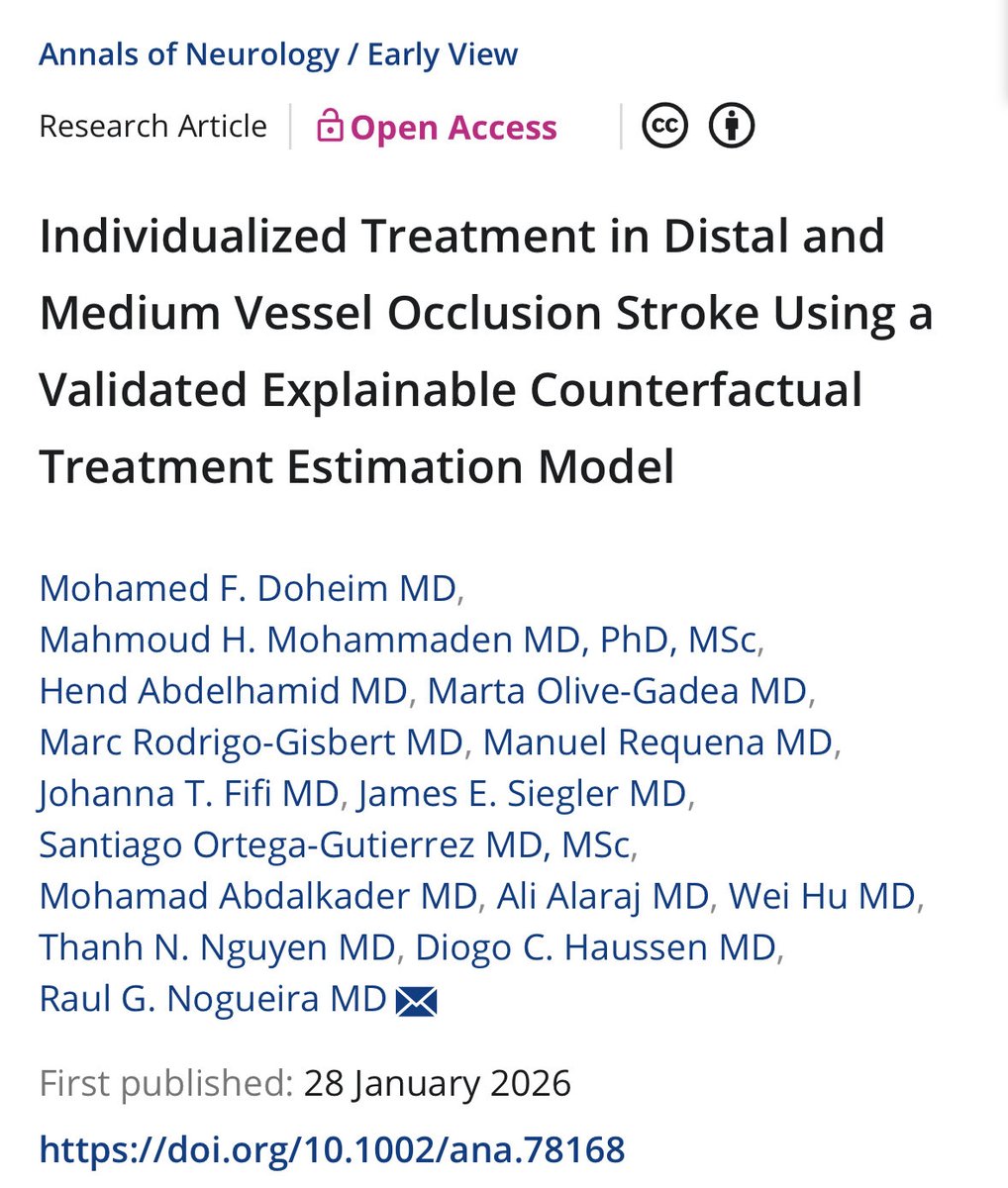
Efficacy and safety of minocycline in patients with acute ischaemic stroke (EMPHASIS): a multicentre, double-blind, randomised controlled trial - The Lancet https://t.co/qPkbRvQyeM
Intracranial Stenting During Acute Endovascular Therapy of Stroke: Clinical and Radiological Outcomes of the RESISTANT International Registry | Stroke: Vascular and Interventional Neurology https://t.co/vsrsLOHr9u @StrokeAHA_ASA@SVINJournal@svinsociety
Within 6 hours, using CTP to rule out #thrombectomy in otherwise eligible #stroke pts not only harms pts but also worsens cost-effectiveness on the healthcare system..
https://t.co/V0UQ96ovL0
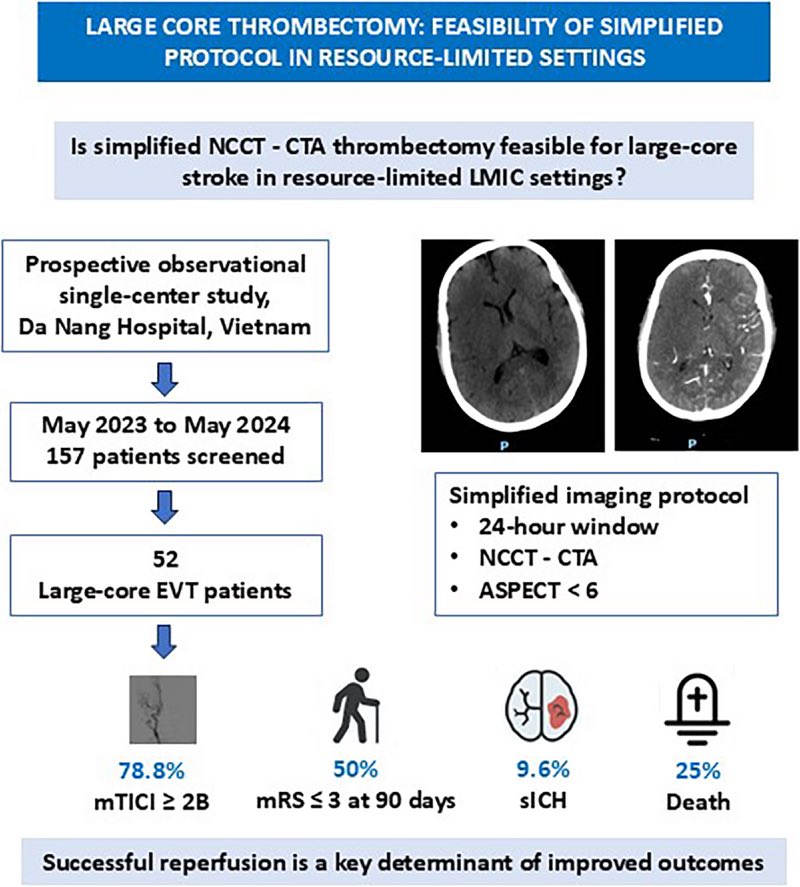
Large Core Thrombectomy: Feasibility of Simplified Protocol in Resource‐Limited Settings | Stroke: Vascular and Interventional Neurology https://t.co/TbgaNvQvA3 @StrokeAHA_ASA@SVINJournal@svinsociety
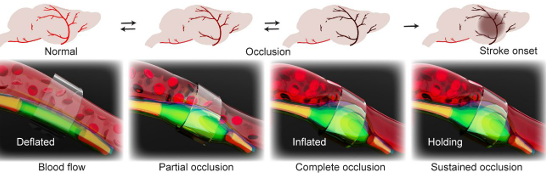
We’re thrilled to share our new preprint unveiling a remote-controlled microballoon platform that lets us titrate carotid flow on demand while imaging the brain’s real-time response in vivo:) It could be transformative for the study of brain hemodynamics!
https://t.co/HBu4WOmR4t
Our last effort on poor grade aSAH from POGASH Registry! We never talk enough about delayed infarction volume!! https://t.co/Ox5gtKZquV @Brainresus@chiara_robba