Alex Mutungi Mutuku is a 37-year-old Kenyan man, a computer programmer and IT expert who became notorious as one of Kenya's most prolific cybercriminals.
Born in Machakos in 1989, Mutuku was a naturally gifted student who graduated from the University of Nairobi with a Bachelor's degree in Information Systems.
However, instead of building a legitimate tech career, he used his advanced coding skills to infiltrate some of the largest government registries and financial institutions in Kenya.
Between August 2 and 5, 2014, the 25-year-old Alex Mutungi Mutuku and his accomplices breached NCBA Bank Kenya's (then operating as NIC Bank) main core database.
According to court documents, the syndicate successfully siphoned Sh2.88 million out of the bank's internal systems.
During the intrusion, Mutuku copied deeply confidential customer databases, including account numbers, personal balances, and credential logs.
On December 18, 2014, Mutuku sent a chilling anonymous email directly to NIC Bank's executive suite. He stated that he held their entire customer directory and threatened to release the proprietary data onto public hacker forums unless the bank paid him 200 Bitcoins, which was valued at roughly Sh6.2 million at the time.
Instead of paying, the bank looped in the DCI’s Cybercrime Unit. Investigators tracked the digital extortion trail back to Mutuku and his co-accused, Stanley Kimeu Mutua. Mutuku was arrested in January 2015 and released on a Sh700,000 cash bail, only to immediately pivot to his next target.
Just weeks after getting out on bail for the NIC Bank heist, Mutuku targeted Safaricom's convergent billing and inventory systems between February and March 2015.
Rather than stealing M-Pesa cash, Mutuku breached Safaricom's backend servers to generate millions of shillings worth of free electronic airtime out of thin air. Court documents later pinned the total system damage at Sh3.69 million.
To monetize the virtual airtime quickly, Mutuku created an underground black market. He told friends, relatives, and buyers that he could supply bulk airtime at a 50% discount.
According to Safaricom's account in their court documents, Safaricom realized something was heavily wrong when their automated audit logs flagged massive discrepancies in airtime volumes. The telco aggressively used serial number tracking to map out the distribution network, which shockingly led them to block over 10,000 everyday subscribers who had purchased or received the tainted airtime.
When DCI officers tracked the code back to him at Parklands Police Station, Mutuku tried to outsmart the court. He claimed he was just an innocent app developer who stumbled on discounted airtime in the market, arguing that Safaricom was simply pinning the entire hack on him because they knew he already had an active cyber-fraud case with NIC Bank.
Between March 1, 2015, and March 1, 2017, Mutuku, together with a cross-border syndicate quietly siphoned billions from the KRA.
The syndicate colluded with rogue KRA staff members who physically brought a laptop pre-loaded with customized malware into Times Tower (KRA Headquarters in Nairobi). They connected it directly to the local network and hid it away.
The hackers used a technique called a salami attack. Instead of moving Sh4 billion in one massive transaction, their malware silently shaved off tiny, imperceptible fractions of a shilling or small tax amounts across hundreds of thousands of digital transactions over a two-year window.
The hidden network access allowed the mastermind, Mutuku, to use remote-control software from outside the building. He would log into KRA's internal servers to manipulate tax records, clearing genuine tax balances for massive corporations in exchange for huge kickbacks, or redirecting minor daily revenue splits into private syndicate accounts.
Last month my kid got into an accident from a seizure attack. She is epileptic. Bill was above my paycheck. Tweeted it( got laid off due to the tweet). It has been a struggle since. Kid is currently under med. Which is expensive.
No; 0790726424 for any aid.
A hundred years ago, if your kid got diabetes, the doctor's plan was to starve them. 400 calories a day. Some weeks, nothing at all.
It sounds insane but there was a grim logic behind it. Type 1 diabetes killed children within months back then, and less food meant less sugar in the blood, which slowed the dying. Kids on the diet stopped dying of diabetes and died of starvation instead, just slower. Parents signed up anyway because one extra year with their child was the best medicine could offer.
Elizabeth Hughes was the daughter of the US Secretary of State, so she got the best care money could buy. That care took her from 75 pounds at diagnosis down to 45 pounds by age 14. When her mother brought her to Toronto in August 1922, she could barely walk.
The treatment waiting there almost never got made. Frederick Banting was a small-town surgeon whose practice was failing so badly he was nearly broke. He talked a university into lending him a lab for one summer, and with a 21-year-old student assisting, isolated the pancreatic hormone researchers had chased for 30 years.
Five weeks after her first shot, Elizabeth was eating 2,500 calories a day with a pint of cream poured on top. She gained 60 pounds in four and a half months. She went to Barnard, raised a family, lived to 73, and kept the diabetes secret from almost everyone she knew.
Banting refused to put his name on the patent. He'd sworn the Hippocratic oath and believed a doctor had no business profiting from something like this. His co-discoverers sold it to the University of Toronto for a dollar. "Insulin does not belong to me, it belongs to the world."
24 months from first injection to the Nobel Prize, and every diabetic kid on earth went from a death sentence to a normal life for the price of one dollar.
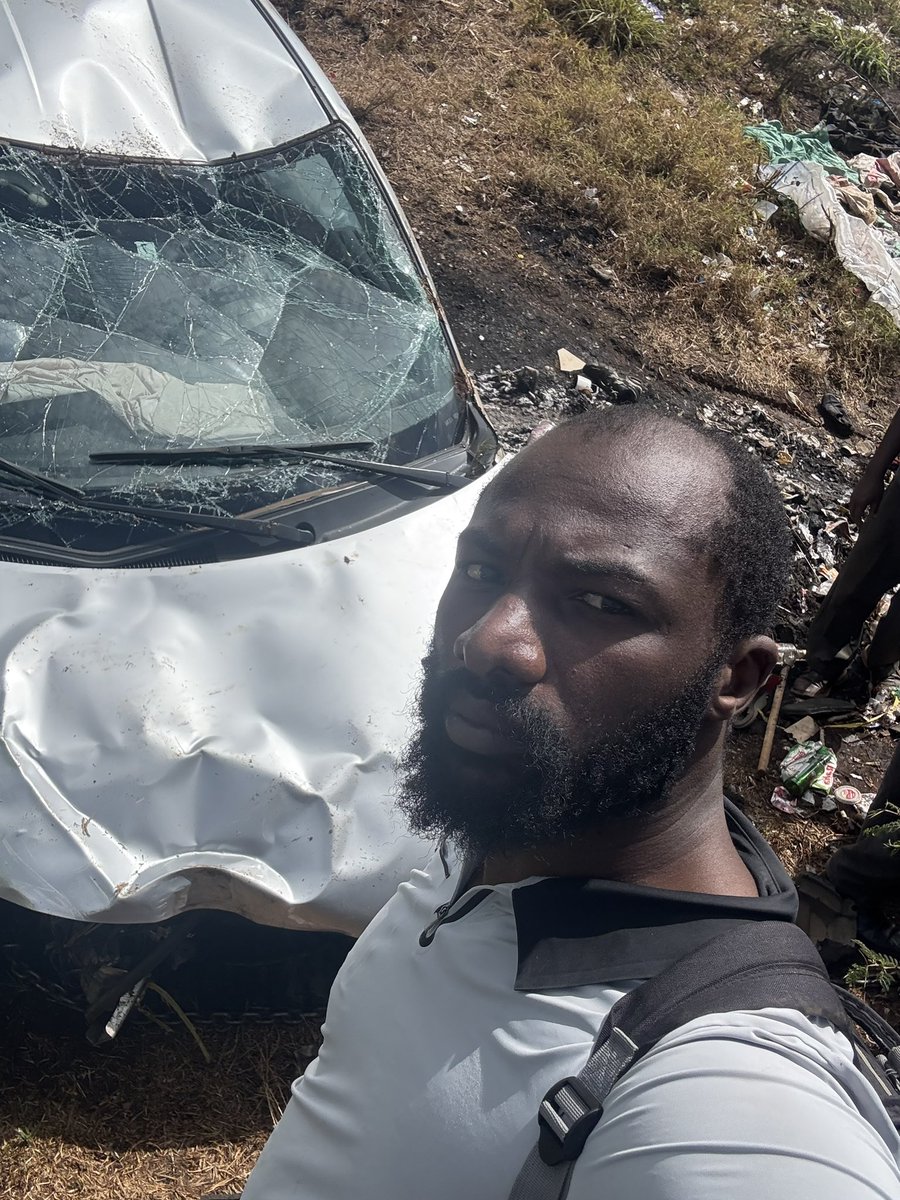
Karibu inipeleke sayun january. Alafu hao 1st responders waliniibia kofia kama bado niko upside down in my seatbelt. Mkiona tailor made Kangemi ni yangu 😂😂
Hello @Uppolice@adgzonekanpur@jhansipolice
please review this account’s content,
which appears to promote or normalise domestic violence against women and influence young audiences. Kindly investigate and take appropriate action if any laws have been violated.