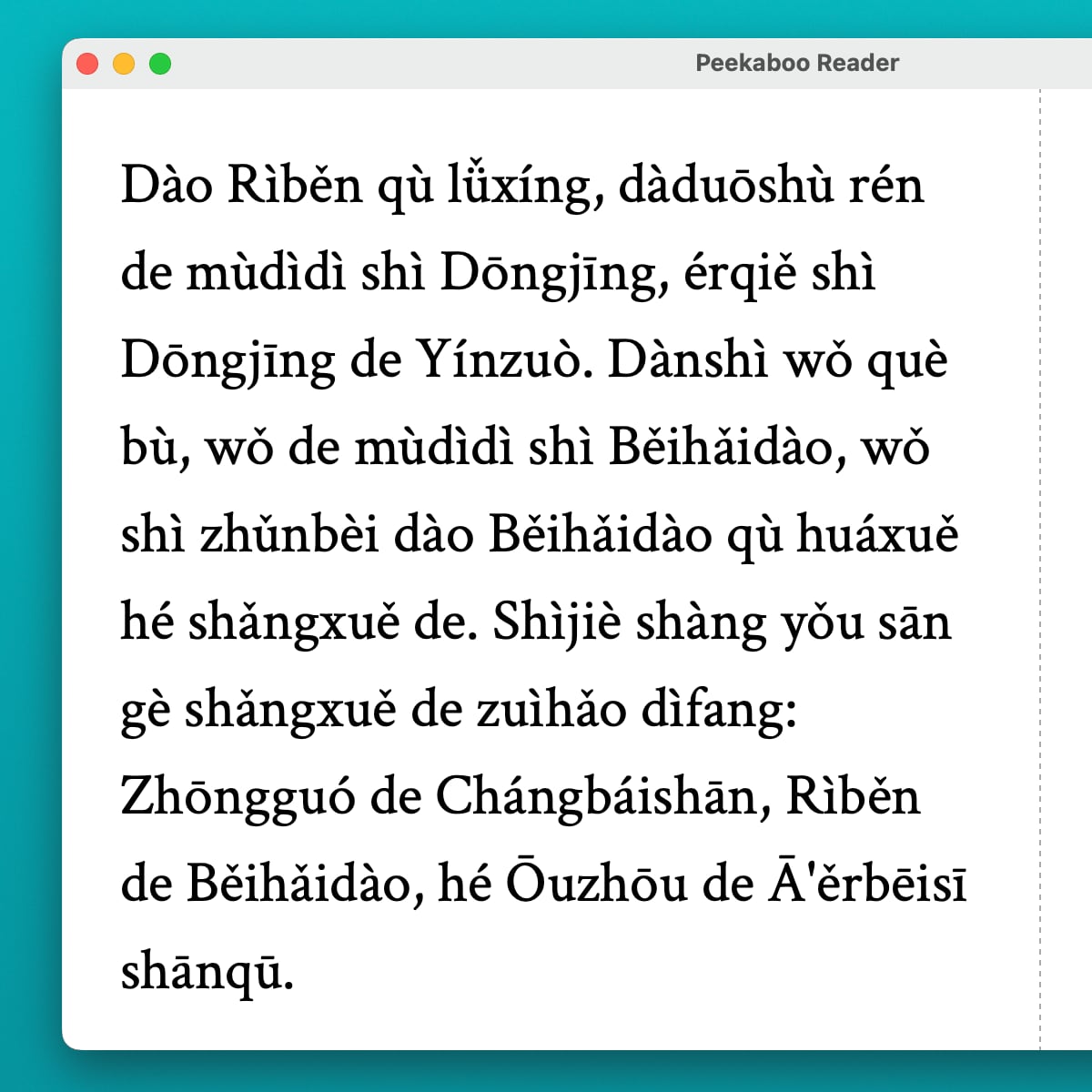
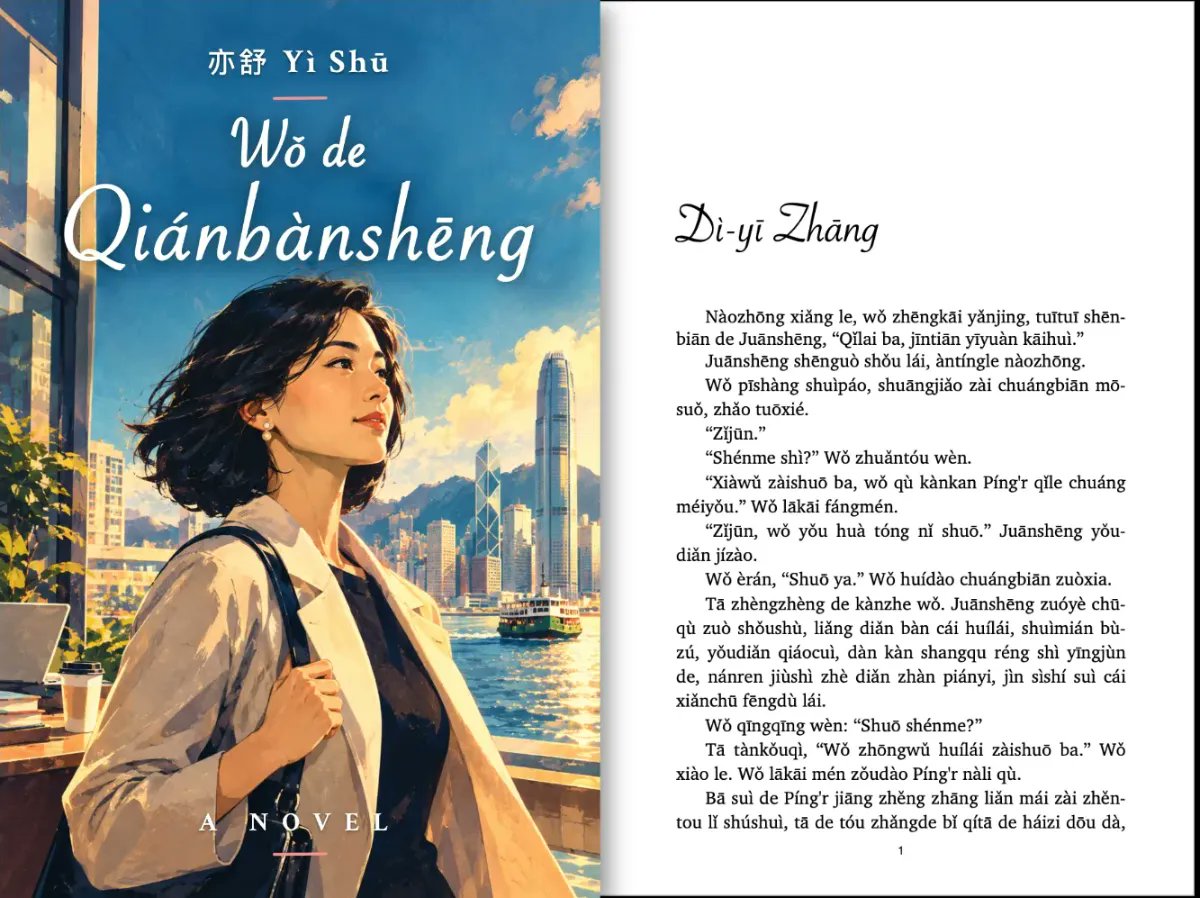
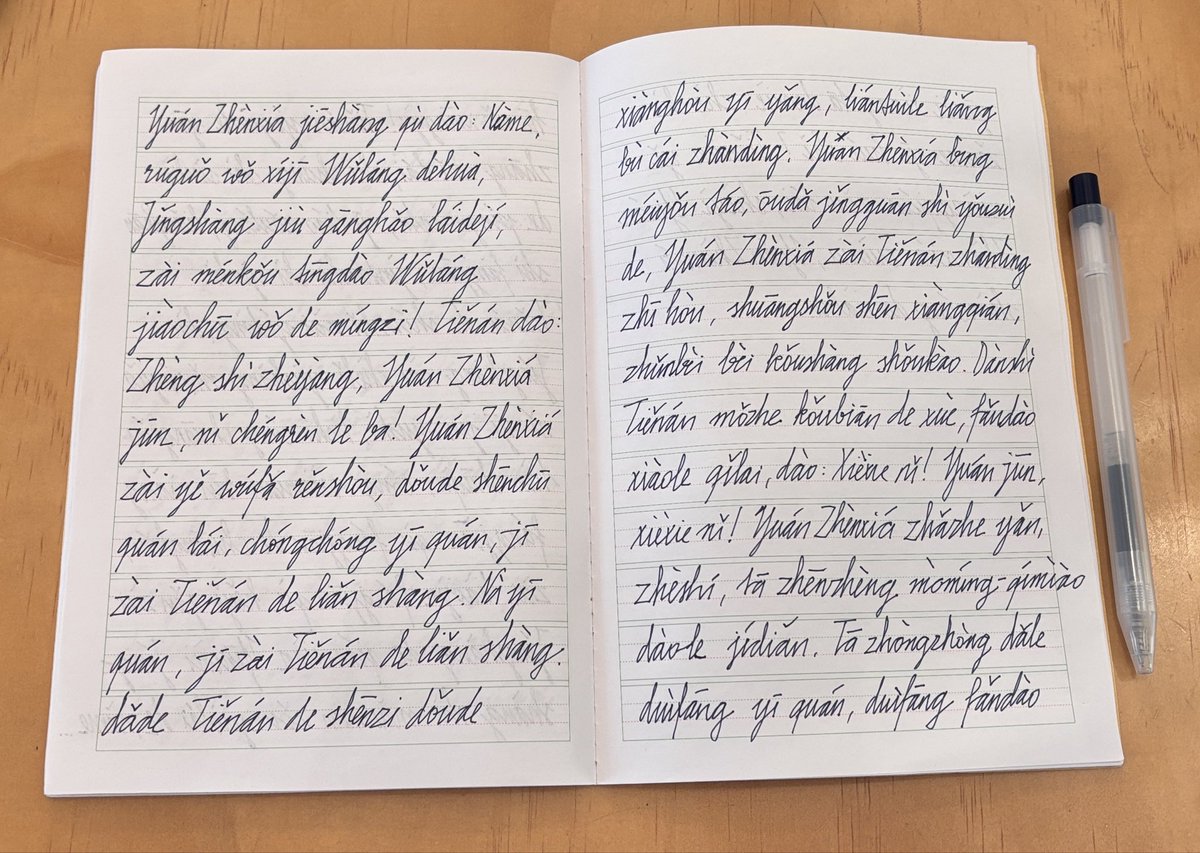
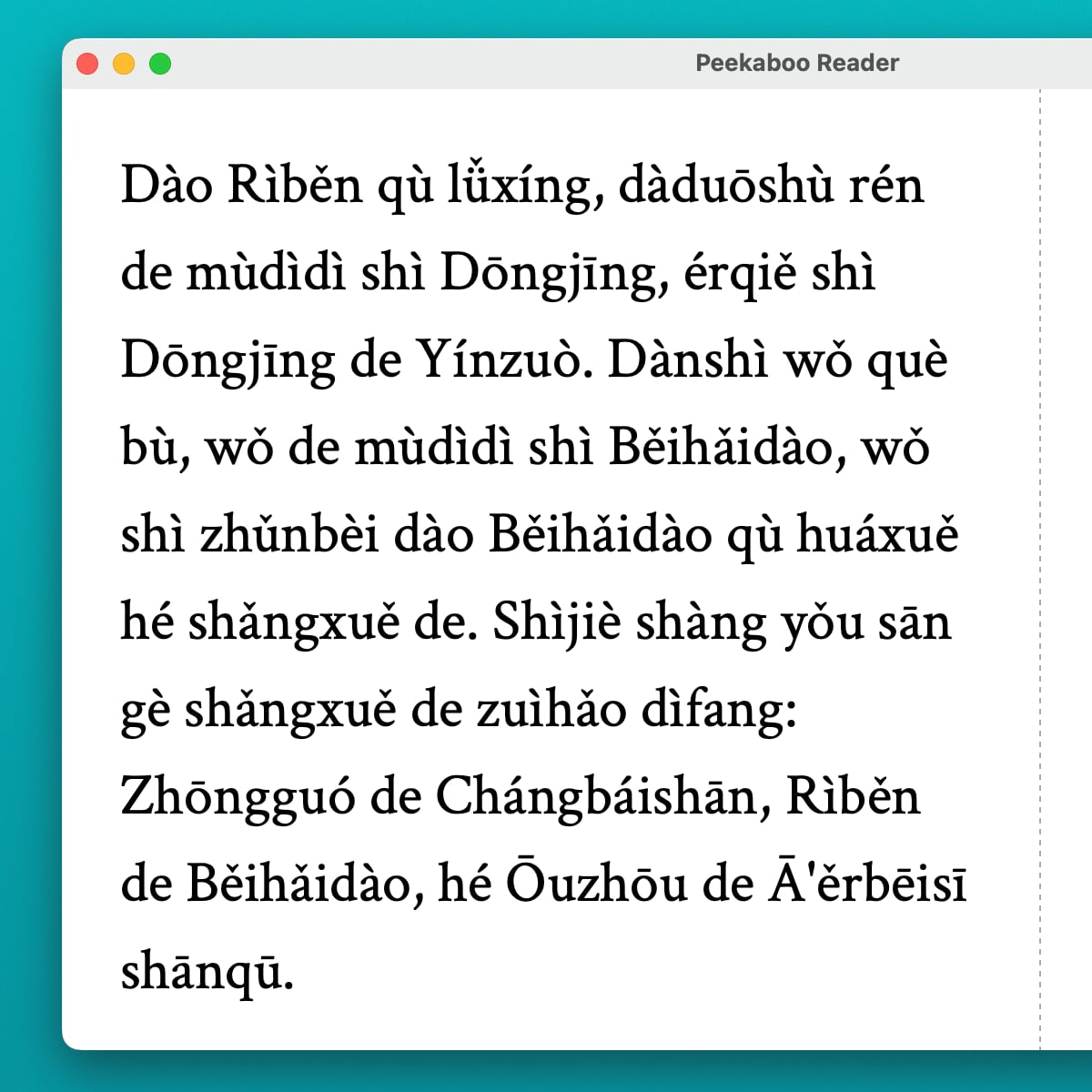
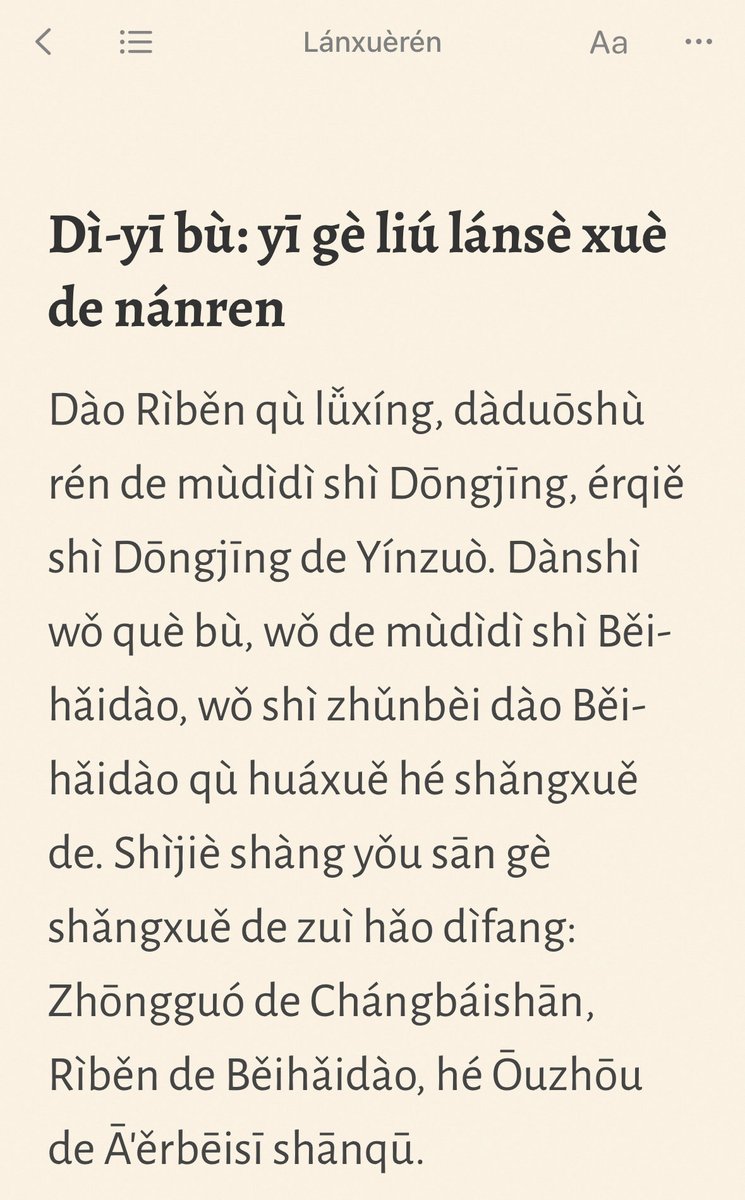
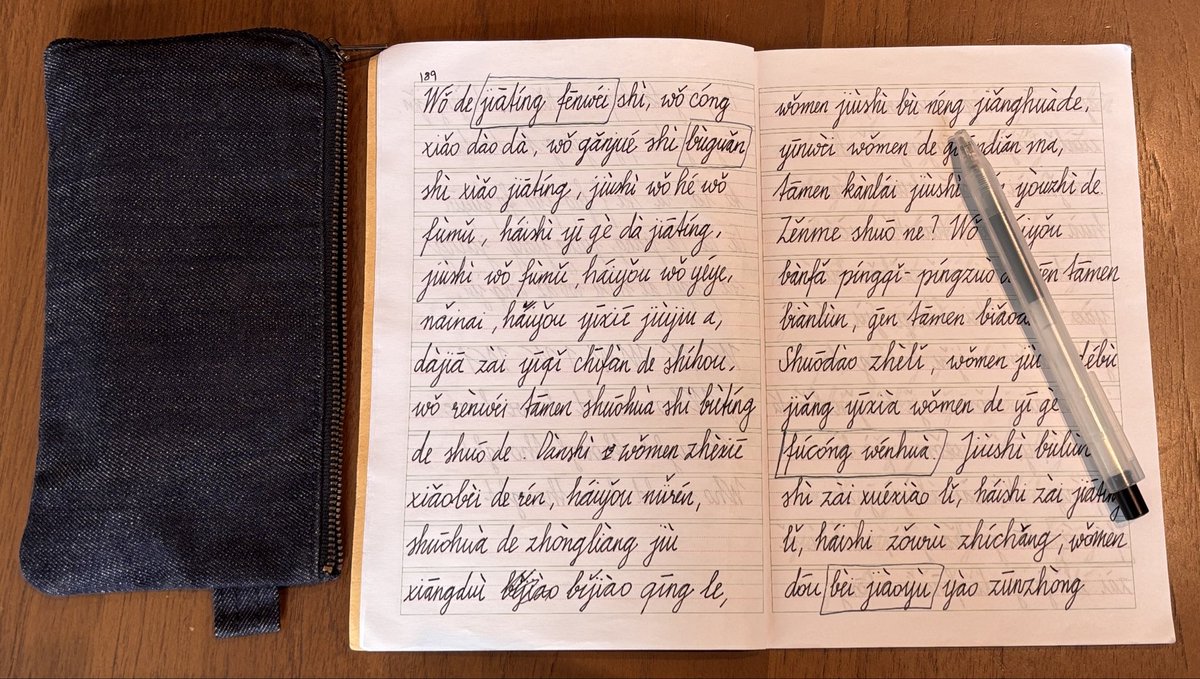
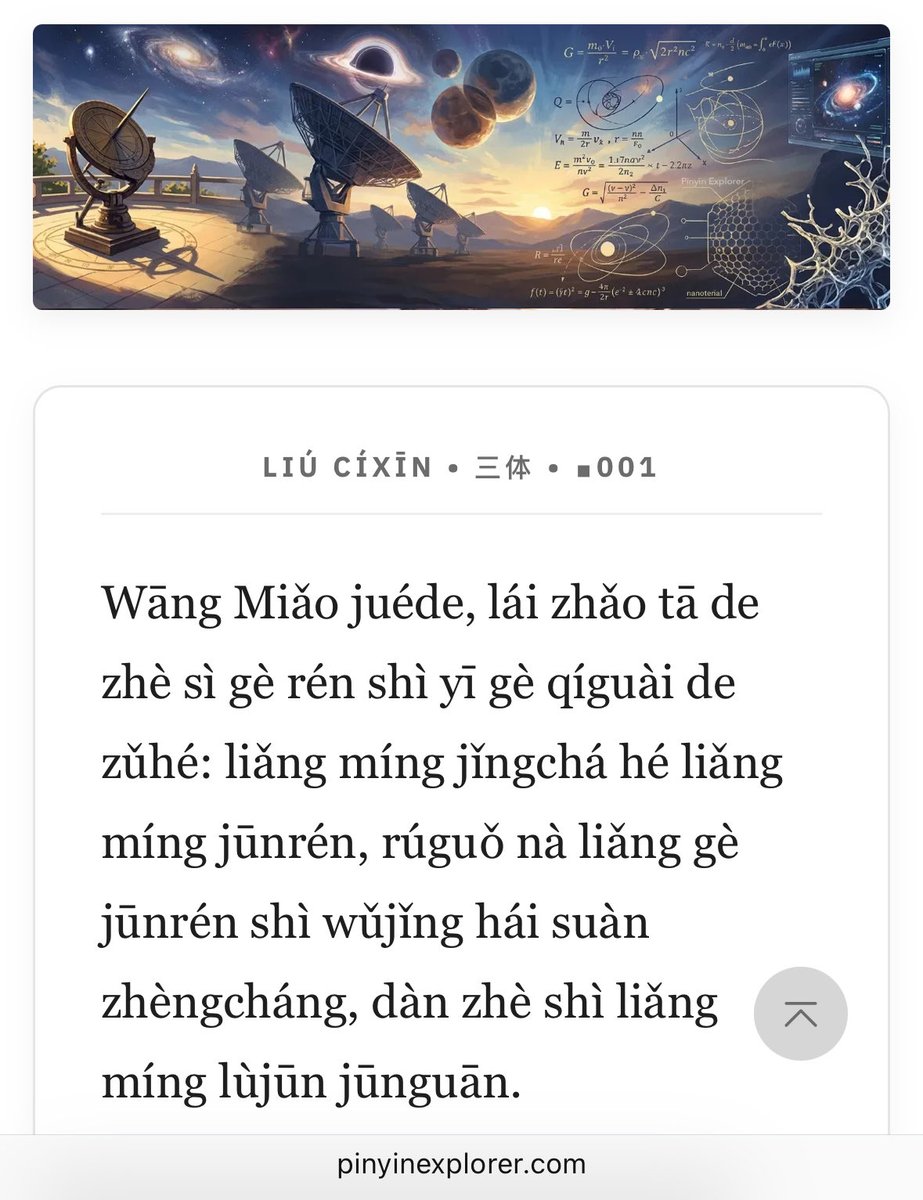
@cfwang1337@MT_6226 As a second language learner, I do ALL my reading in 100% pinyin, no hanzi (倪匡,亦舒,演讲文字稿, etc), I love it.
Btw, I showed in a study that homophony is not actually a problem for Hànyǔ Pīnyīn: https://t.co/7UFBR2a4Fx
@s8mb Closing the blinds lowers UV exposure, which is higher at altitude, and relevant for frequent flyers or people concerned about photoaging/skin cancer risk.
@donaldcclarke@kevincarrico I don't know about the legitimate history, but I use pinyin exclusively for all my Mandarin reading. Everything I read gets transcribed into fully orthographic pinyin. No hanzi. Correct spelling is crucial.
@junicipal As an L2 learner, you read REAL Chinese texts and books OUT LOUD, written in correctly spelled Pinyin, so your mouth and brain gets used to real sentences and vocabulary, not graded readers. You can learn and use Hanzi later, after you can read fluently.
@hanjouteiooba if Wolfgang Amadeus Mozart was alive today, he would write a book "How I became an amazing musician - AND YOU CAN TOO", and people would actually buy and believe it
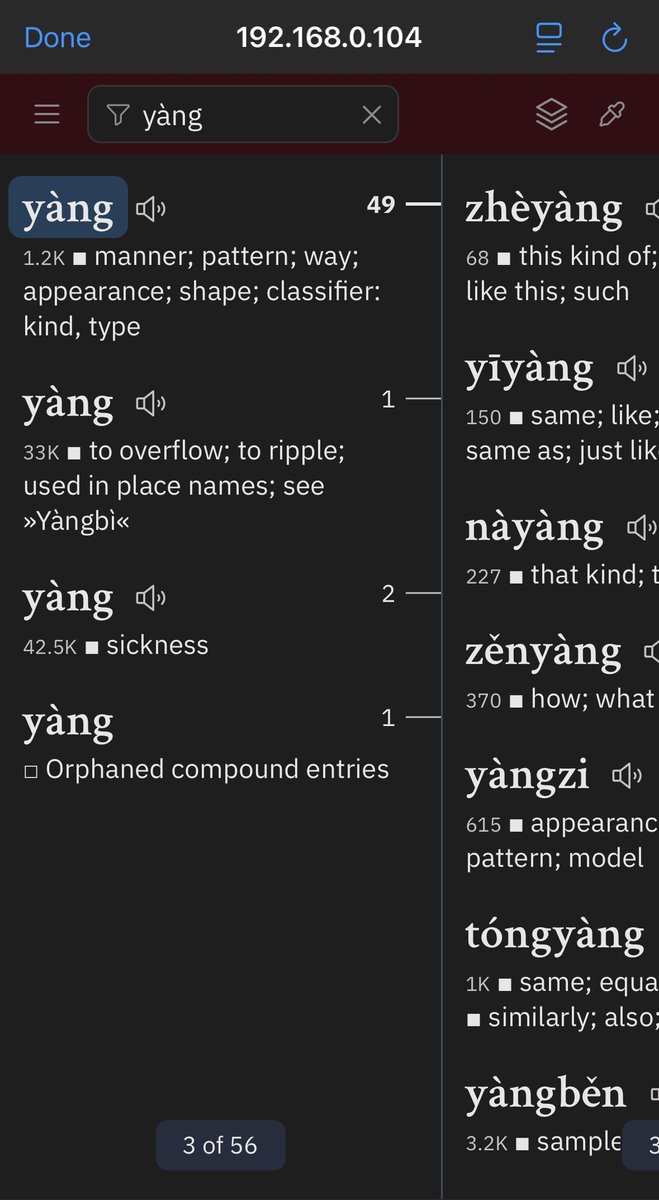
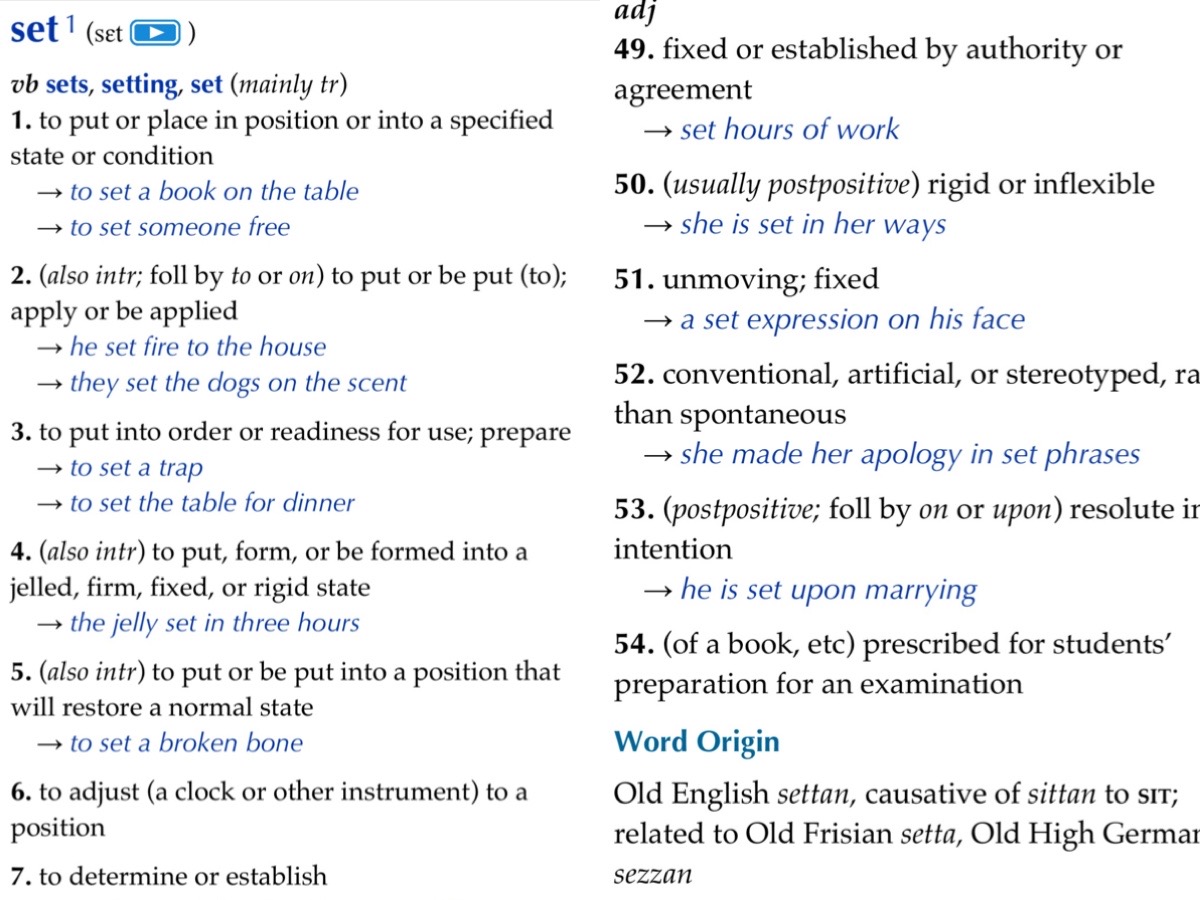
Update: in hindsight, it took me about 3 months to write out ca. 450 word maps. Then it took me another 4 months to distil 365 clean definitions, which became the core anchor words of Pinyin Explorer.
The game is afoot! Will now work through the 600 most common monosyllabic words in Chinese Pinyin, and create my personal word maps for them. My app's prototype seems to be holding up well! Will know more in 2 months or so.