Rwanda; I have put in place defensive measures to protect my territory and my people.
World; remove them or we sanction you!
What kind of diplomacy is this?
Is it better to be dead or sanctioned?
Questions on a lovely tuesday!!
@JosephRyarasa That’s a fair point. I’m not sure interoperability automatically means fewer agents, though. eKash changes how payments move, but people still need ways to move between cash and digital money. Agents are often the first to adapt, and may well find new ways to create value.
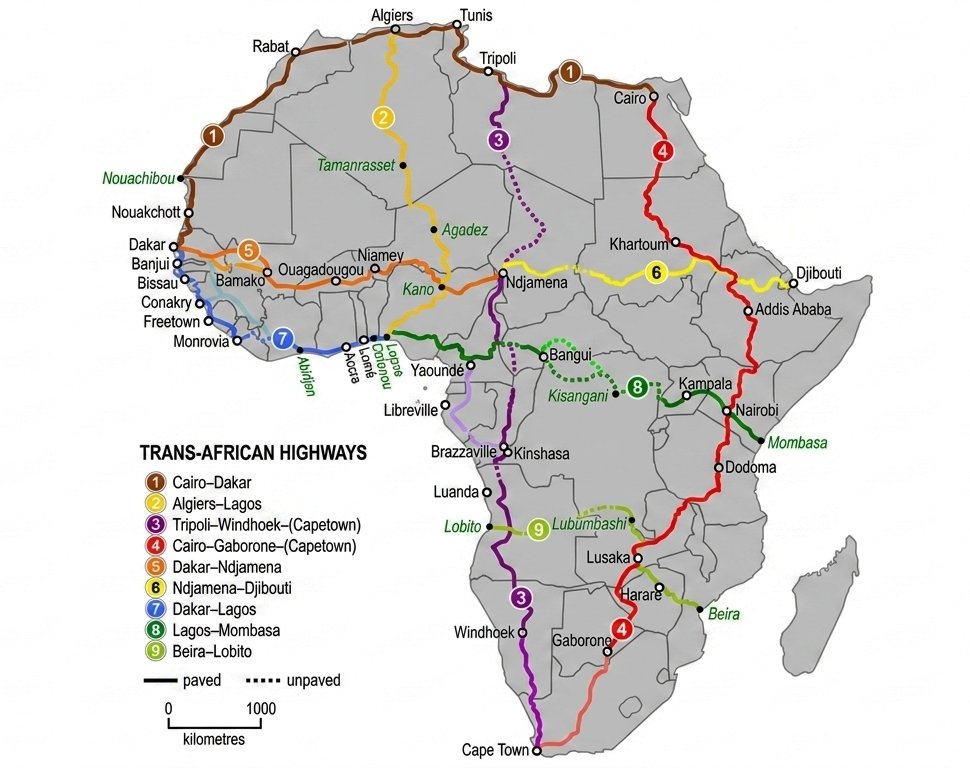
For nearly 80 years African leaders have dreamt, talked, planned, and officials have shown maps and Power Points of these Trans-African Highways. We are still waiting for them to come true. I am told we must continue believing and hoping.
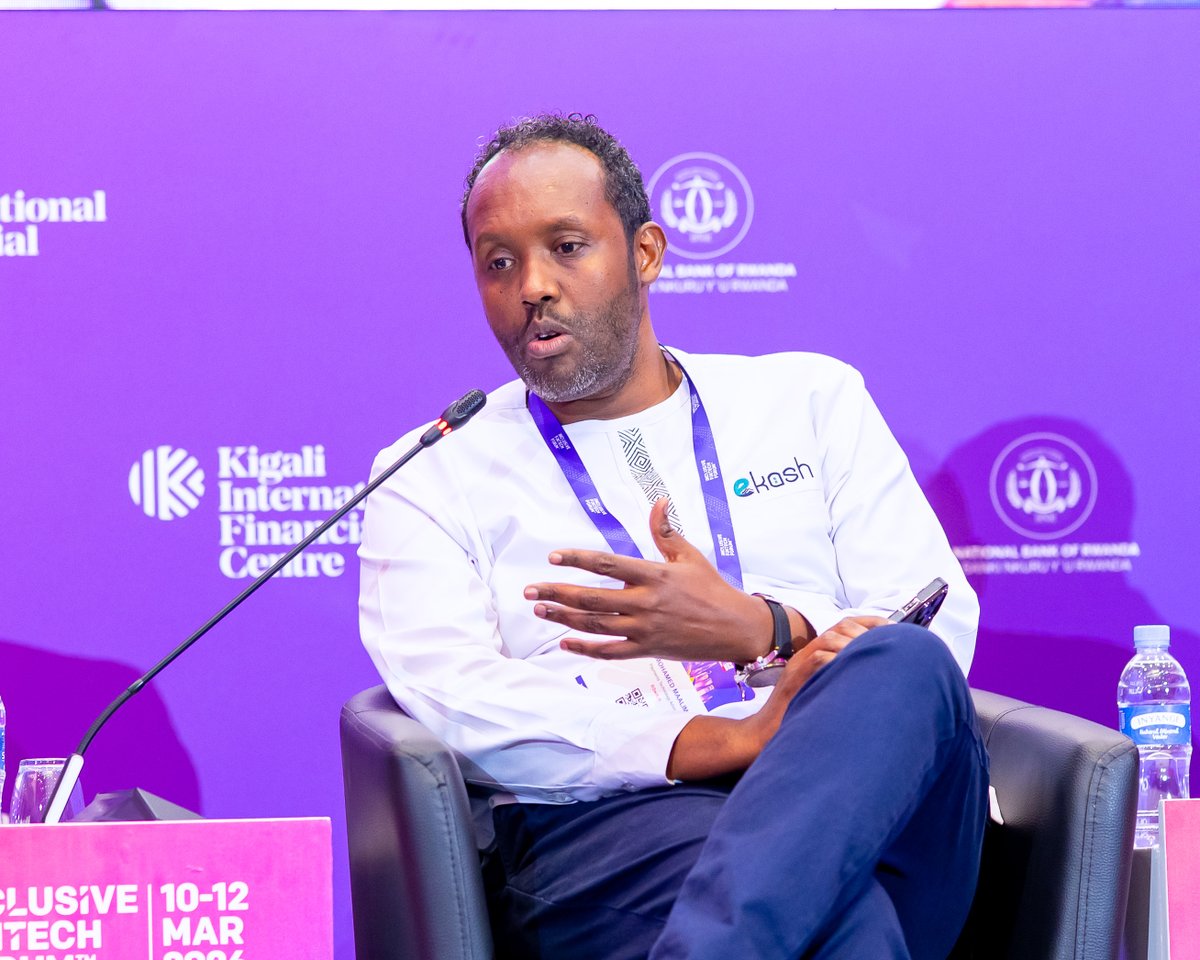
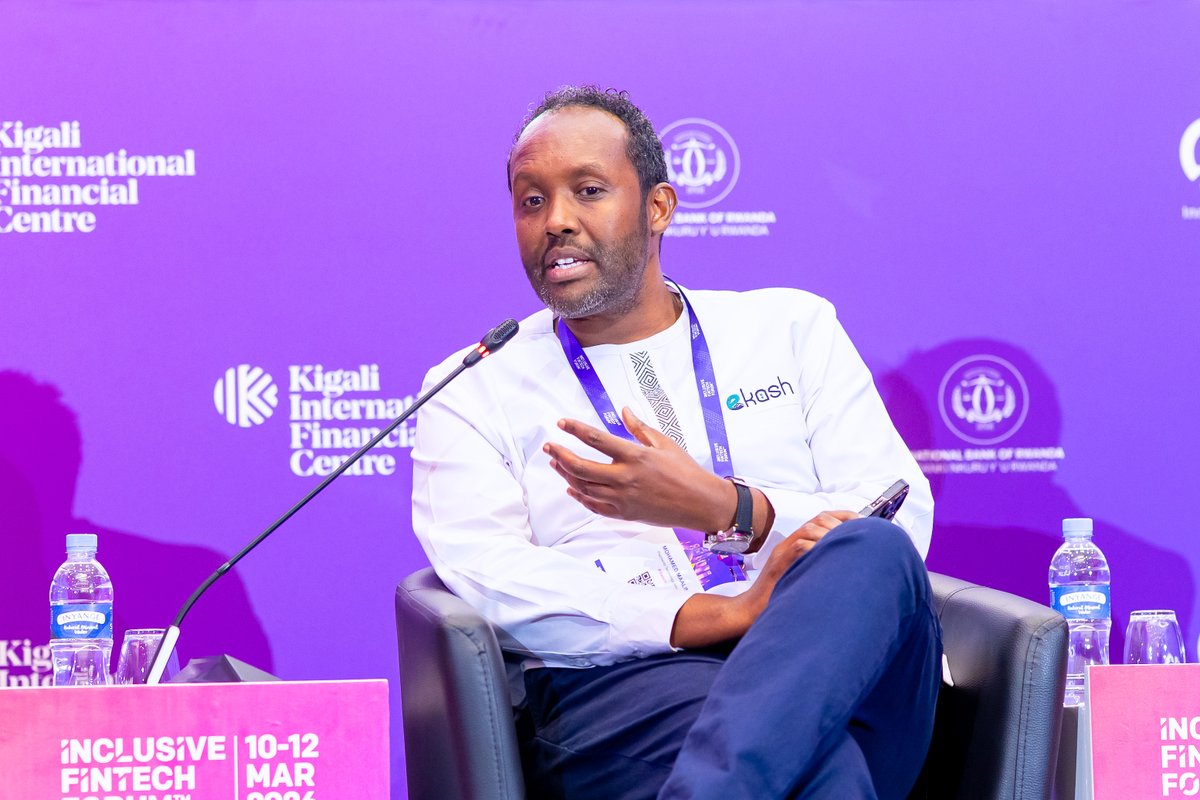
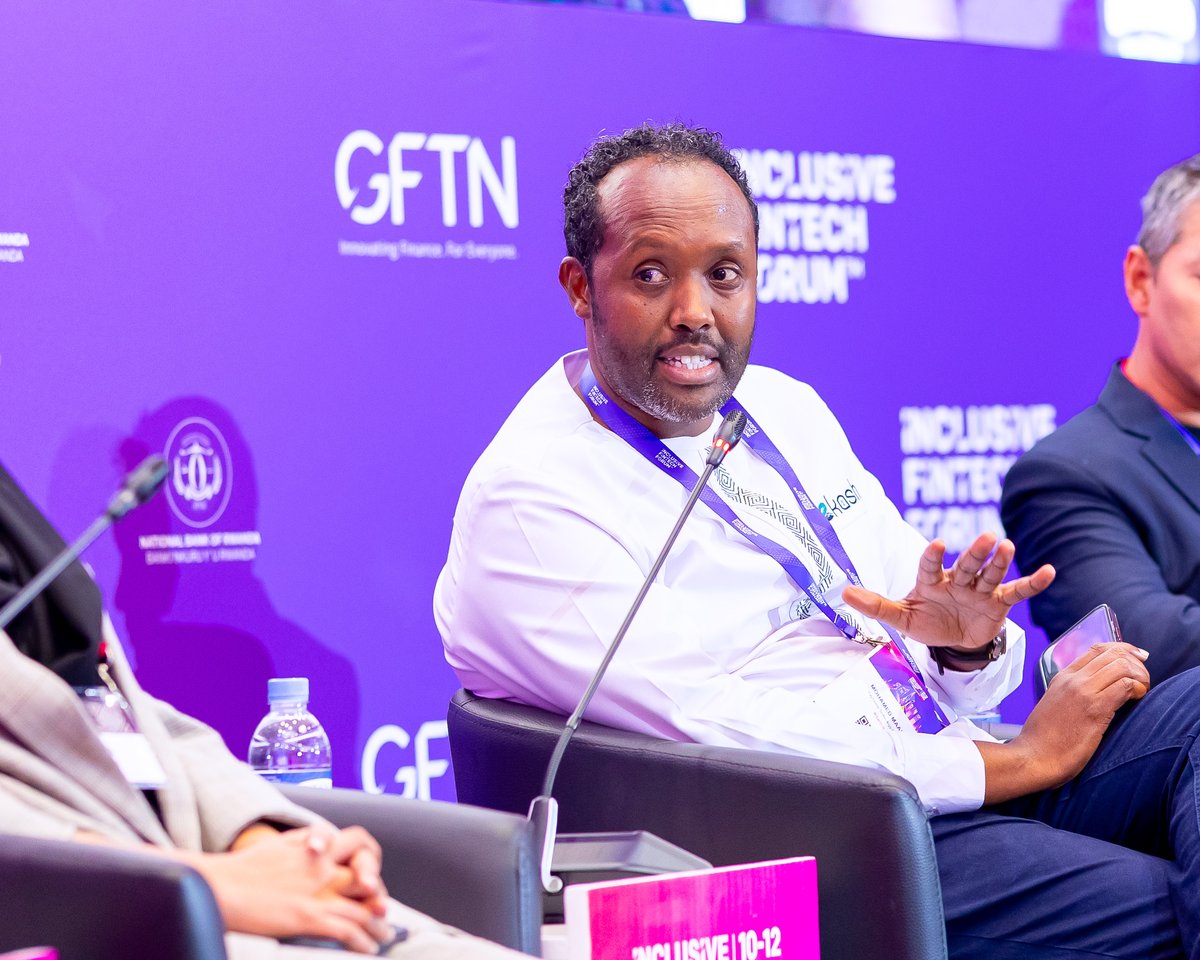
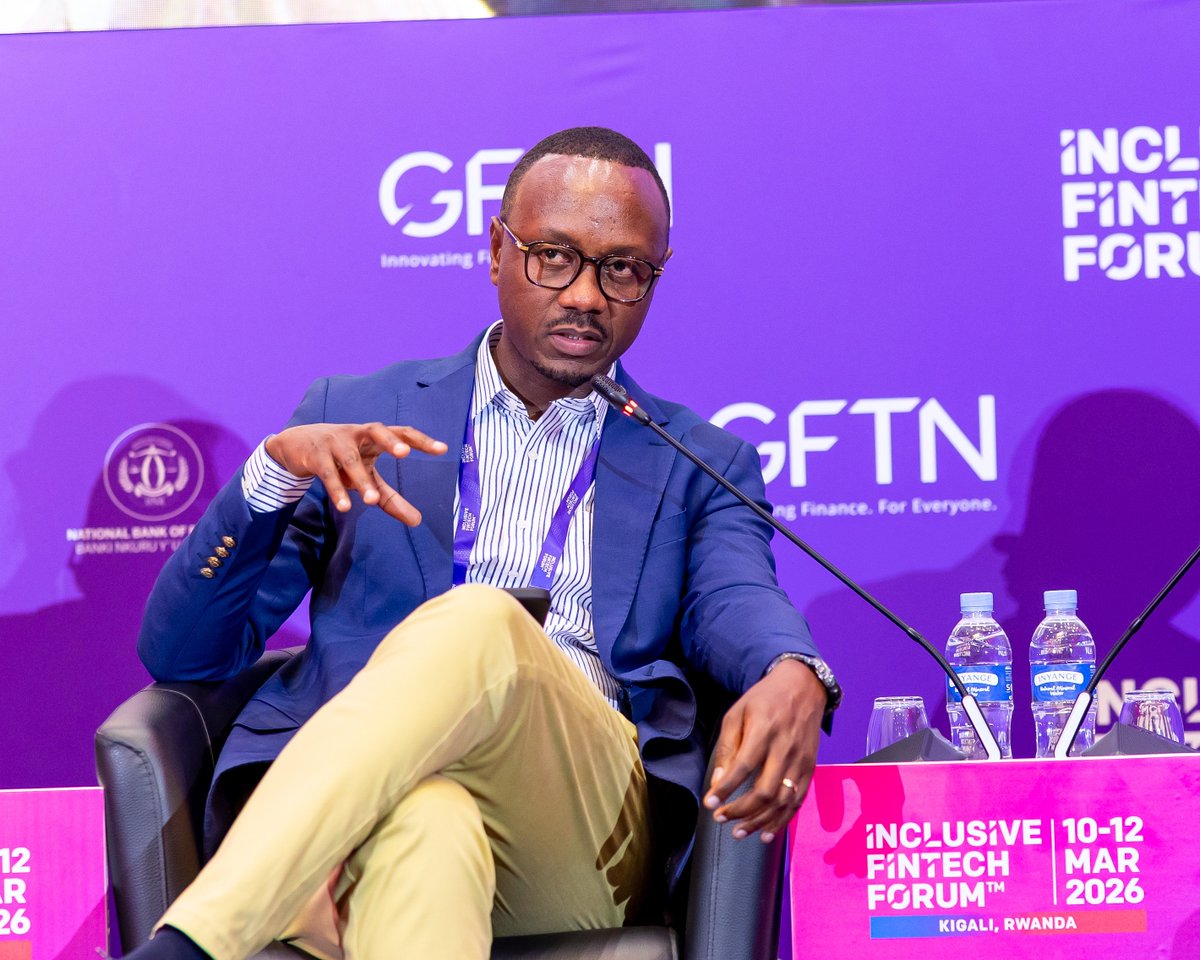
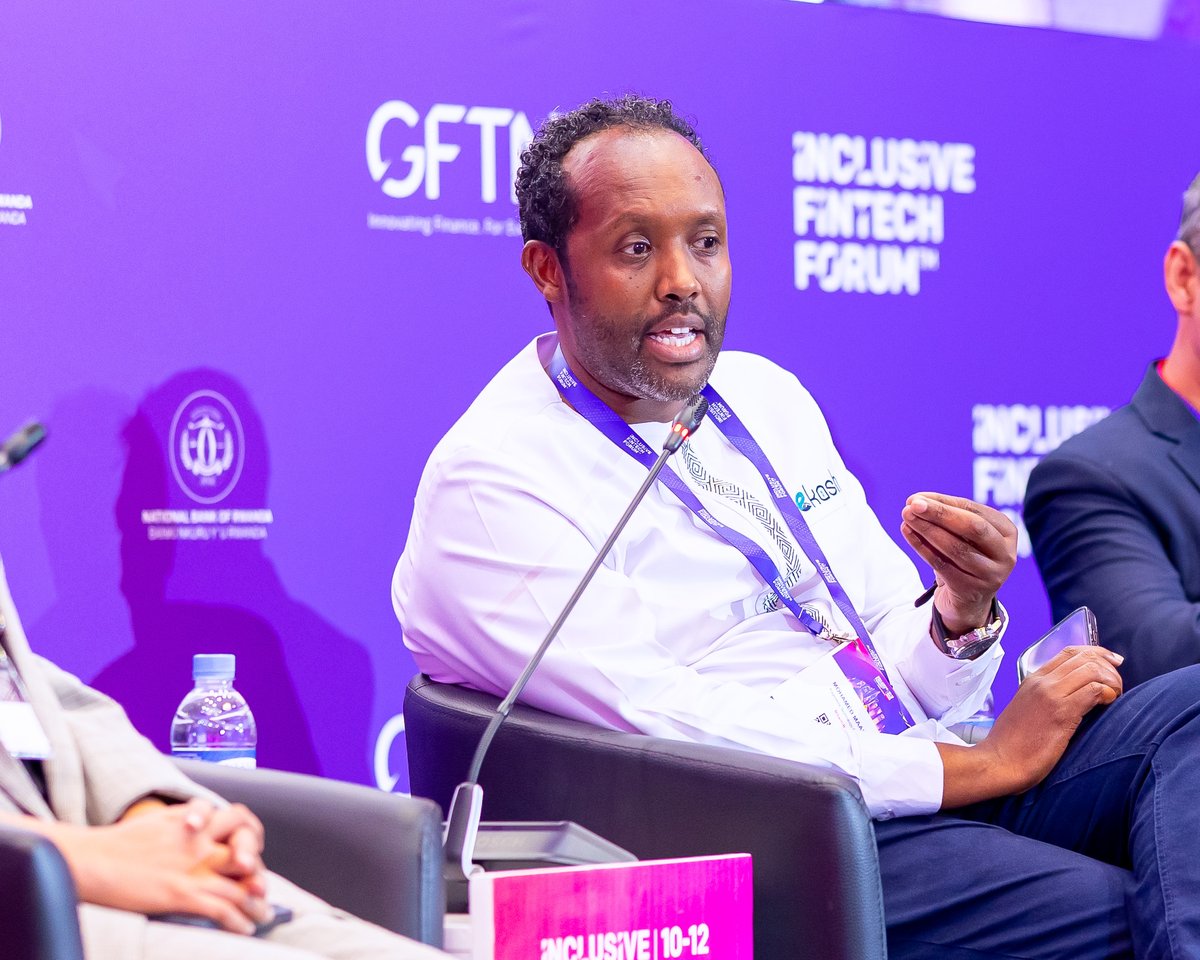
'The magic happens when you listen to the market you operate in. Start with pain points, address them step by step, and let use cases emerge naturally. No scheme succeeds alone.'
– Mohamed Maalim, Payments Technology Advisor, Rwanda National Switch at #IFF2026
eKash is built on this principle, inclusive, practical, and responsive to the real needs of citizens, merchants, and institutions.
#FinancialInclusion #Interoperability #DigitalPayments #eKash #CashlessRwanda
POV: If every country builds its own payment highway but none of them connect, you end up with beautiful roads that all stop at the border. The real breakthrough is when the highways meet.
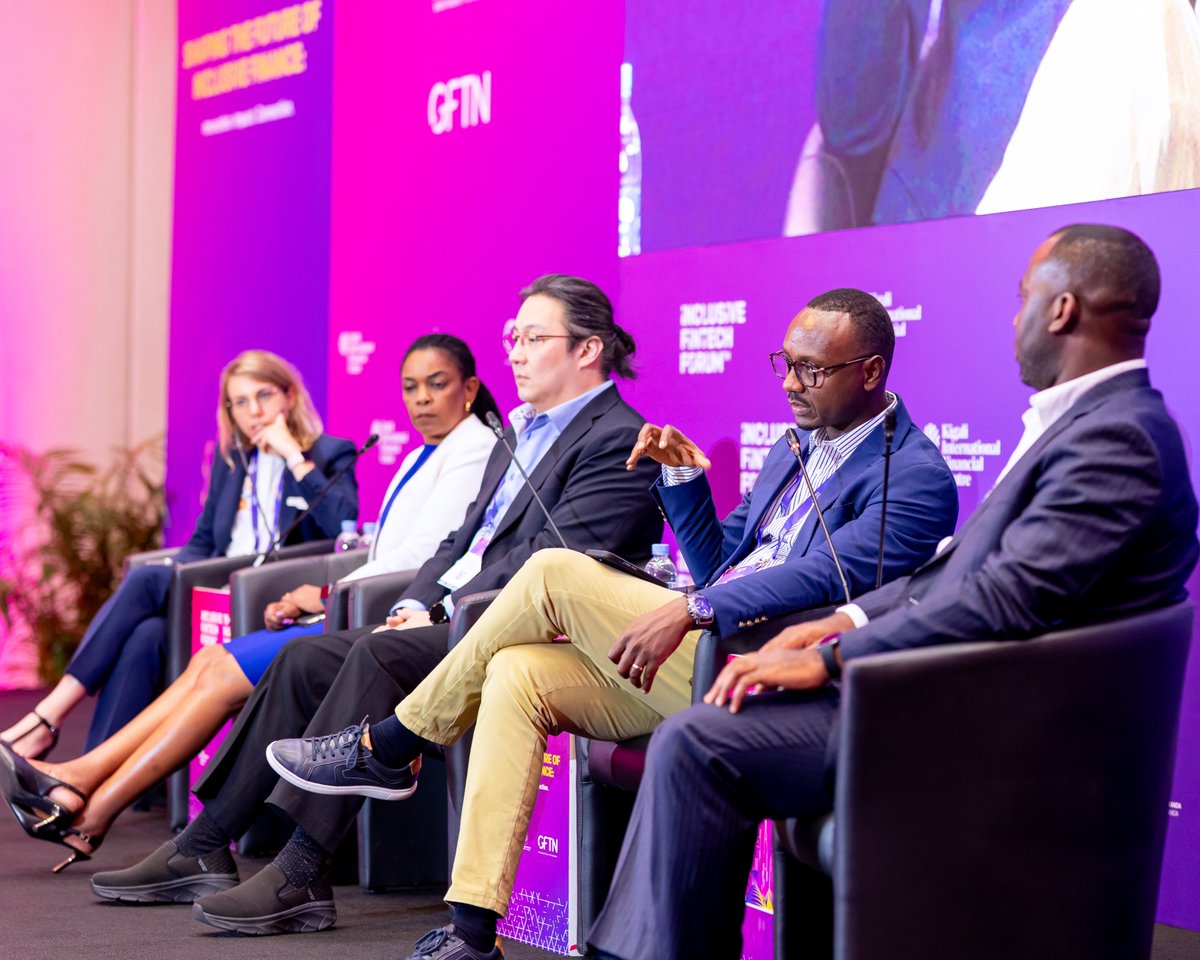
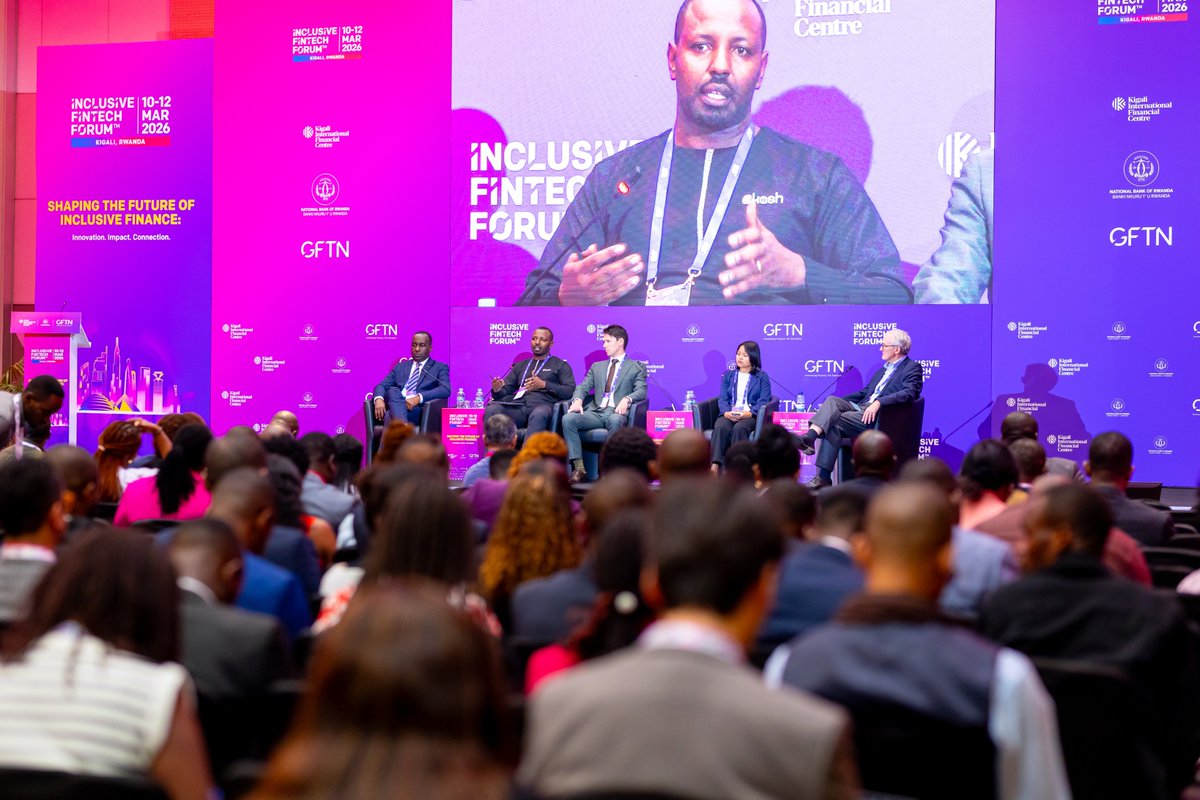
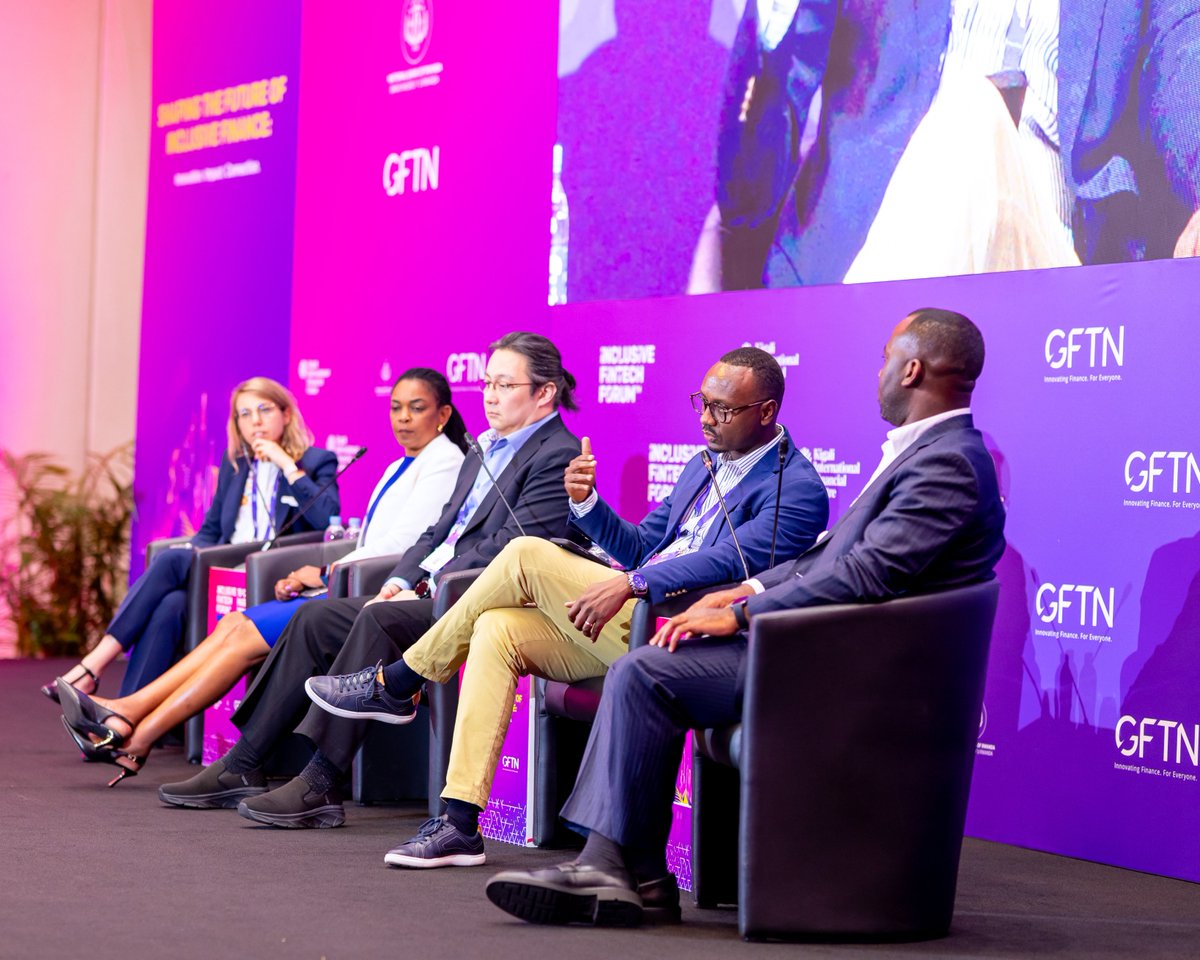
At the Inclusive FinTech Forum 2026, Jean Jacques Kajuga, COO of @RSwitch, argued that the future of cross-border payments lies in connecting national instant payment systems not adding more intermediaries.
Standardization and switch-to-switch interoperability can reduce FX costs, minimize payment hops, and move money across Africa faster and more affordably.
#IFF2026 #CrossBorderPayments #FinancialInclusion #InstantPayments #eKash
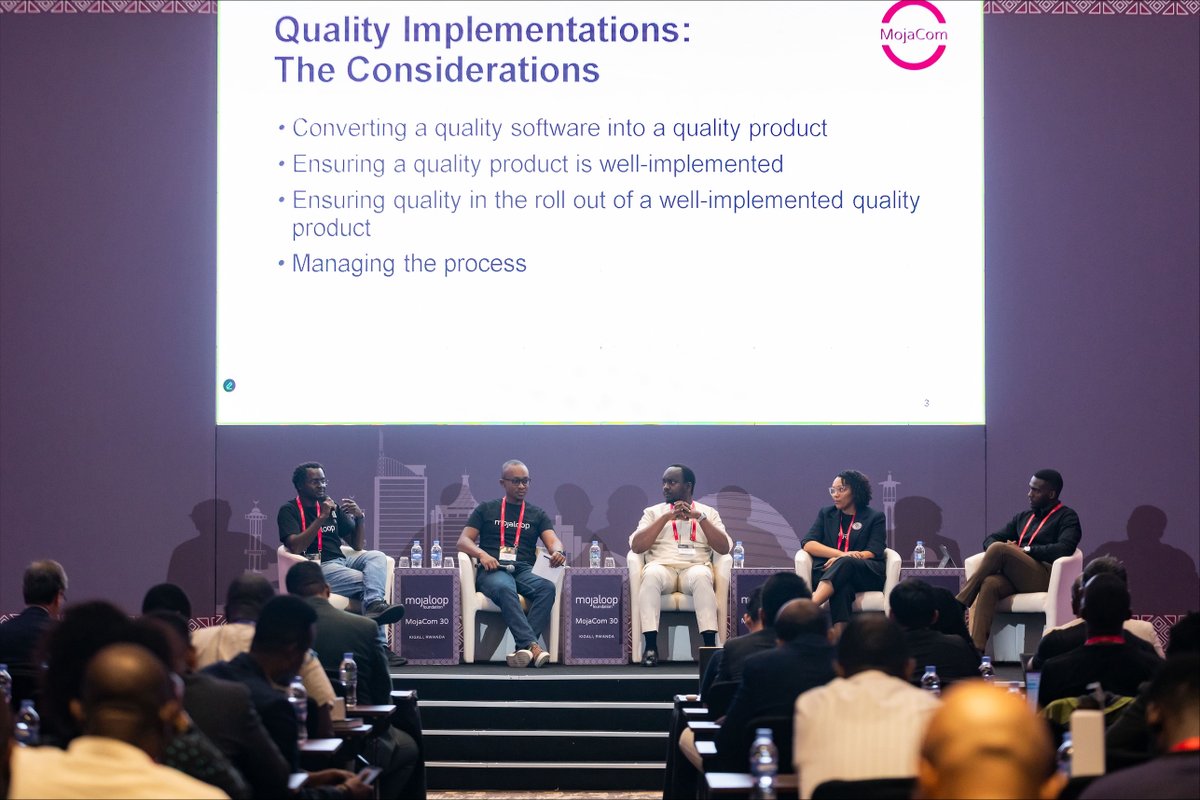
#IFF2026 may have come to a close, but the conversations didn’t stop there. At #MojaCom, the real work of payments infrastructure design continued.
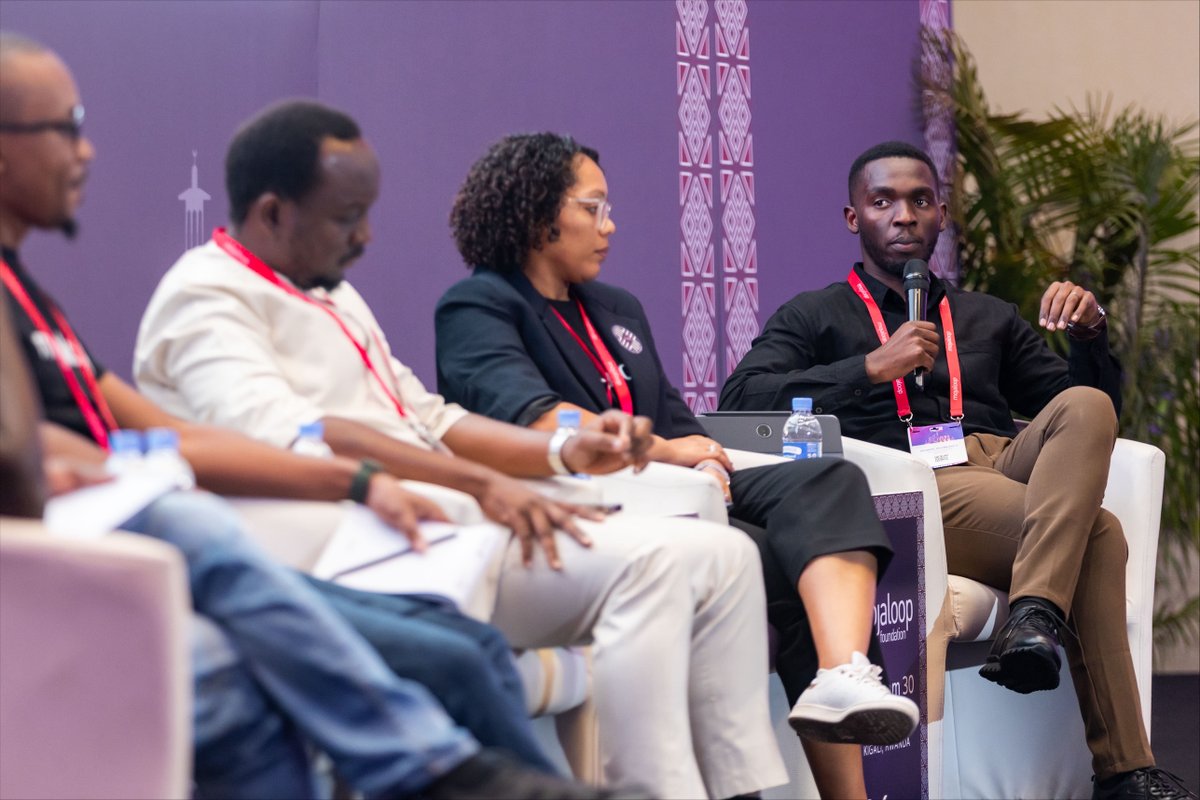
During the session on product design and implementation, Ishimwe Promesse D., Payments Product Manager at @RSwitch, unpacked a question that every fintech ecosystem eventually faces: Does quality software automatically translate into a quality product?
His answer pushed the conversation beyond code. He said that a strong product begins with understanding the market and localizing technology to the realities of the ecosystem it serves. It requires building the operational layers that sustain trust, including dispute and reconciliation portals that ensure transparency across participants. But even that is not enough. A quality product must also be implemented correctly, rolled out deliberately, and managed continuously to ensure it serves banks, fintechs, merchants, and citizens effectively. In payment systems, the difference between good software and a great product often lies in how well the ecosystem around it is designed and managed.
That philosophy continues to guide the evolution of eKash by RSwitch, where technology is only the beginning, and the real goal is building systems that work for people every day.
#MojaCom #Fintech #DigitalPublicInfrastructure #Interoperability #eKash #CashlessRwanda
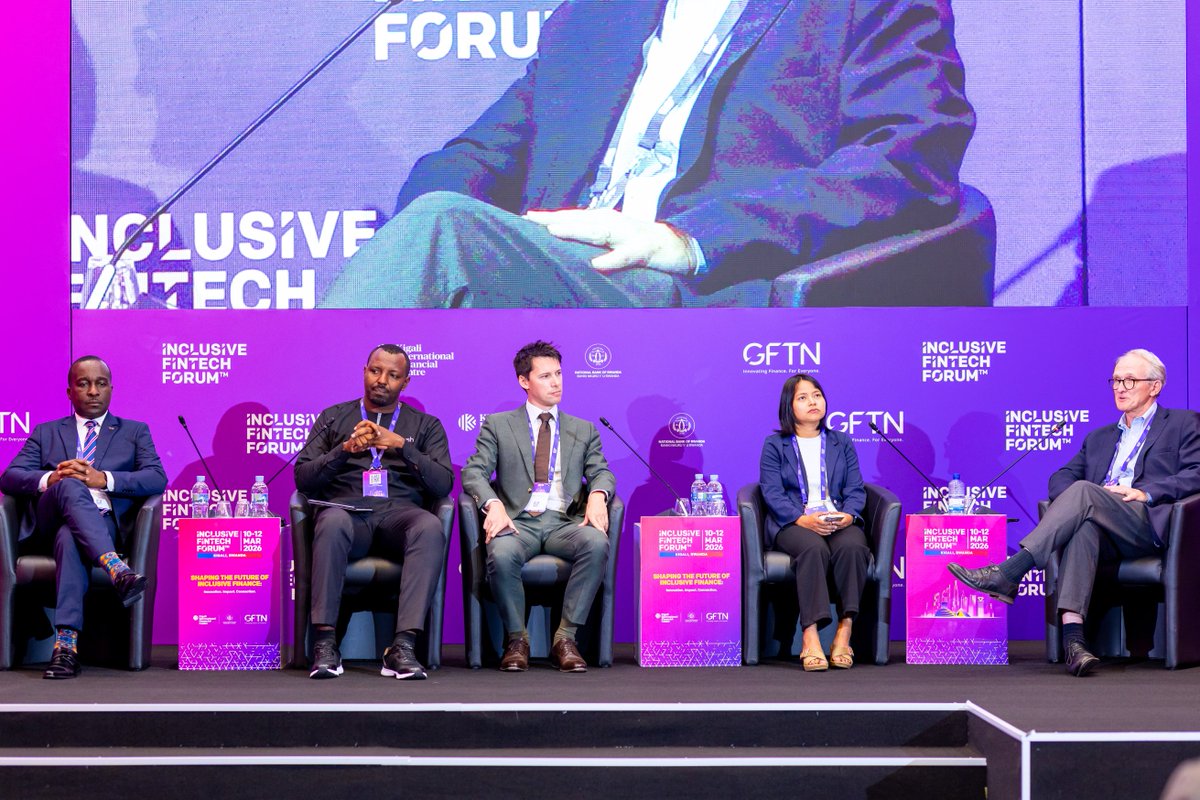
At the Inclusive FinTech Forum 2026, @RSwitch, Chief Digital Innovation & Projects Aimable Rukundo highlighted a hard truth about payment systems:
'In payments, 99.6% success is not enough if the 0.4% failure isn’t managed properly.'
Through centralized monitoring, real-time visibility across participants, and fast dispute resolution, the eKash interoperable payment system ensures trust remains at the center of every transaction.
For infrastructure lives or dies on trust. Roads can have potholes and people still drive. Payment systems get almost no such forgiveness. One bad experience, and the human brain starts whispering, 'maybe cash is safer.'
The entire craft of a national switch is making sure that whisper never gets loud.
#IFF2026 #Payments #Fintech #Interoperability #eKash
Nous avons parlé ensemble d’Homère et de Nerval ; je souhaite aujourd’hui vous parler de Tolstoï, de ce livre bref, presque sec, et qui pourtant remet nos vies en mouvement : « La Mort d’Ivan Ilitch ».
Ne nous y trompons pas : ce n’est pas un livre sur la mort, mais sur la vie. Sur la vie qu’on peut reprendre, même au bord du gouffre. Tolstoï nous rappelle qu’on ne peut se contenter d’une vie conforme, réglée, socialement approuvée. Il montre que la solitude du mourant naît souvent de la tentation de l’artifice et de l’apparat. Il révèle nos vies remplies et vides à la fois : remplies d’écrans, d’urgences, de mensonges ; vides de silence, de présence, de sens, de vérité.
Sa leçon est simple et forte : ne remettons pas la vérité à plus tard. Parce que plus tard, c’est le nom poli de notre fuite. C’est maintenant que la vie compte.
Why civilians admire Rwanda Defense Forces
Both evenings of Friday and Saturday this week, i attended the vigil of an old schoolmate who passed away the week before after suffering a stroke . As often happens at such gatherings, grief brought together people who had not seen each other in many years. Beyond the sadness, these moments become quiet spaces of reconnection, where old friends and relatives sit together, remember shared histories, and slowly drift into deeper conversations about life and society.
After the vigil, we stayed on at the homestead. In between moments of silence and laughter, our discussions naturally shifted to broader issues. We talked about education, food insecurity, leadership, and how things seem to be working or not working around us. One former classmate had travelled all the way from the Eastern Province and came with his daughter. I greeted her and casually asked what class she was in. She told me she had just completed high school.
Out of curiosity, i asked which subject combination she had studied. She answered HEG, History, Economics, and Geography. I followed up with a few simple questions, touching briefly on European history, the Ottoman Empire, and then African history. To my surprise, she struggled to express herself. It was not just about content. She could not clearly articulate her thoughts in either English or French. Her father looked at me, slightly amused and slightly shocked, and said, “No wonder you are a son of a headmaster, you still remember these things.”
That comment stayed with me. Not because of pride or nostalgia, but because of what it quietly exposed. If a student who has just completed secondary school cannot confidently express basic ideas or communicate clearly in any of the official languages, then the problem is not the child. It is the system that produced her. Education, at its core, should equip young people with the ability to think, reason, and express themselves. When that is missing, something fundamental has gone wrong.
The conversation soon shifted to food insecurity. The same classmate from the Eastern Province is a businessman involved in buying cash crops. One friend among us asked a question many people ask quietly but rarely unpack deeply. Why is food insecurity still a problem in the Eastern Province, a region blessed with fertile land and favorable conditions?
His answer was direct. The problem, he said, is not land, rainfall, or farmer effort. The issue lies in “weak innovation and poor strategic leadership at the local level.” He explained that vast stretches of land in the East are still fertile and underutilized. Whatever you plant grows, he said. During harvest seasons, farmers often produce more than they can consume.
Yet despite this abundance, hunger persists. There are no proper post-harvest storage facilities. Farmers lack guidance on preservation, aggregation, and value addition. When harvests are plentiful, prices collapse and farmers sell cheaply. A few months later, when supplies run low, the same communities struggle to access food. Do we have agricultural extension officers at the sector level if yes, are they doing the right job?
He gave an example that hit everyone in the group. How can people in places like Ndengo experience hunger when they live near water? Why can’t farming in such areas not supported to engage in irrigation farming? His frustration was not aimed at farmers. It was directed at local leaders that fail to turn natural advantages into sustainable livelihoods.
As the discussion deepened, one of the former schoolboys made a statement that caught everyone’s attention. He said that if the Rwanda Defense Force were given the education sector and the local government, we would see very different results. There were about ten of us seated together. No one objected, the silence that followed was telling.
I asked a simple question. Why?
The answers came quickly, they said the RDF is effective. It is not corrupt. It values work. It is disciplined. Its members are continuously trained. They are smart and professional. Most importantly, people do not hear stories of them mistreating citizens. These were not political statements. They were observations drawn from everyday experience and from civilians.
That night, when i returned home and later sat at my reading table as usual, the conversation kept replaying in my mind. I found myself asking a deeper question. Why is the Rwanda Defence Force so admired by civilians? Why do ordinary citizens instinctively trust it more than many civilian institutions?
The answer, i realized, is not complicated. It lies in leadership that is clear and purposeful, in accountability that is real, in continuous learning, and in a culture where merit matters more than titles.
In the RDF, leadership is clear. Every officer and soldier understands not just what they are doing, but why they are doing it. There is a shared sense of mission. Whether in security operations, disaster response, or national emergencies like the COVID-19 period, the institution acts with clarity and discipline. Its presence is firm but humane, structured but respectful. That consistency builds trust.
Accountability is also unmistakable. Responsibility is defined and personal. When things go wrong, they are analysed and corrected rather than explained away. In many civilian institutions, policies are well written but poorly implemented. Accountability is often diluted across committees such as technical working groups, sector working groups, task force committee and procedures. In the RDF, outcomes matter.
Training does not end at recruitment. Continuous professional development is part of the culture. Skills are sharpened, leadership is strengthened, and standards are enforced. Ironically, this culture of learning is often stronger in the army than in institutions that exist solely to manage education.
Perhaps the most important reason civilians admire the RDF is its commitment to merit. Promotion is not ceremonial. Rank is earned through performance, discipline, leadership, and results. Titles are functional, not decorative.
This stands in sharp contrast to what we increasingly see in other sectors today. Academic and professional titles have multiplied. We encounter many people calling themselves professors or doctors with PhDs, yet their work has produced little in terms of solutions to real societal problems. Research remains locked in journals. Ideas never translate into policy or practice. Communities see no tangible benefit.
A doctorate is supposed to represent original contribution to knowledge and relevance to society. When titles exist without impact, they lose credibility. You do not find this culture in the Rwandan army. No one rises by self-designation. No authority exists without responsibility. Performance is visible, and standards are predictable.
Rwanda is not alone in this experience. In other countries that rebuilt quickly after crisis, disciplined and merit-driven institutions played a central role in restoring education, infrastructure, and public administration. Even beyond Rwanda’s borders, RDF peacekeeping missions are often praised not just for maintaining security, but for engaging communities, building basic infrastructure, and earning trust through action.
This reflection is not a call to militarize civilian governance. It is a mirror held up to civilian institutions. The real question is not whether the army should run education or local government. The real question is why civilian institutions struggle to adopt the same culture of merit, accountability, and continuous learning.?
If education were managed with the seriousness of national defence, students would graduate able to think and express themselves. If local governance combined discipline with innovation and citizens at heart, fertile regions would not face hunger.
That weekend conversation began in mourning and ended in reflection. It reminded me that citizens do not admire uniforms. They admire competence, integrity, and results. The trust the RDF enjoys has been earned through performance, not slogans. Until other institutions internalize the same values, citizens will continue to ask uncomfortable but necessary questions, not out of rebellion, but out of hope for institution
https://t.co/10ujXyFOi2
12 Dec | This morning, Amb. @martin_ngoga addressed council members during the #UNSC briefing on the Democratic Republic of the Congo and #MONUSCO.
📺Watch the full intervention below:
“It’s a red line, Mr. President, for my Country to be allegedly accused of genocide when we know that this is a criteria that international law guides. There’s no mechanism that has called for that, and I will not allow for that to be mentioned here in the UN premises and accept that this happens under your watch, Mr. President. I want you to please address this. It’s not an allegation that we will accept.”
— Amb. @urujeniB addressing the President of @UN_HRC after allegations made by the DRC Minister of Human Rights during the 60th Session of the Human Rights Council. @UNHumanRights #HRC60
DR Congo is a development paradox. Although it boasts being endowed with vast natural resources, it is the poorest nation on earth.
The UN Human Development Index (HDI) ranks DRC 180th out of the 193 countries listed.
Talk of who exploits DRC's mineral wealth: The corrupt GoDRC and powerful political elites have for decades mortged the country's mineral resources to any powerful exploiter who will line their pockets.
Perpetuating the narrative that illegal exploitation of mineral resources is the rootcause of conflict in DRC is cynical, hypocrtical and disingenous. The painful fact is that this narrative is perpetuated by corrupt DRC officials and the very culprit exploiters.
Blaming Rwanda and externalizing the conflict is deliberate dangling of a red-herring to distract from the root causes of the conflict which is endemic corruption and bad governance, the DRC's preservation and support to the genocidal FDLR which is responsible for the 1994 genocide against the Tutsi and is a security threat to Rwanda; and the ethnic cleansing and persecution of Congolese Tutsi.
Major western european actors deliberately perpetuate the narrative of illegal exploitation of mineral resources to cover-up their brute and greedy decades exploitation of DRC. Their mega corporates are the ones with the resources, capital, technology and political clout and influence to systematicaly exploit and plunder DRC.
Let me give a concrete example. This is only one of hundreds of cases:
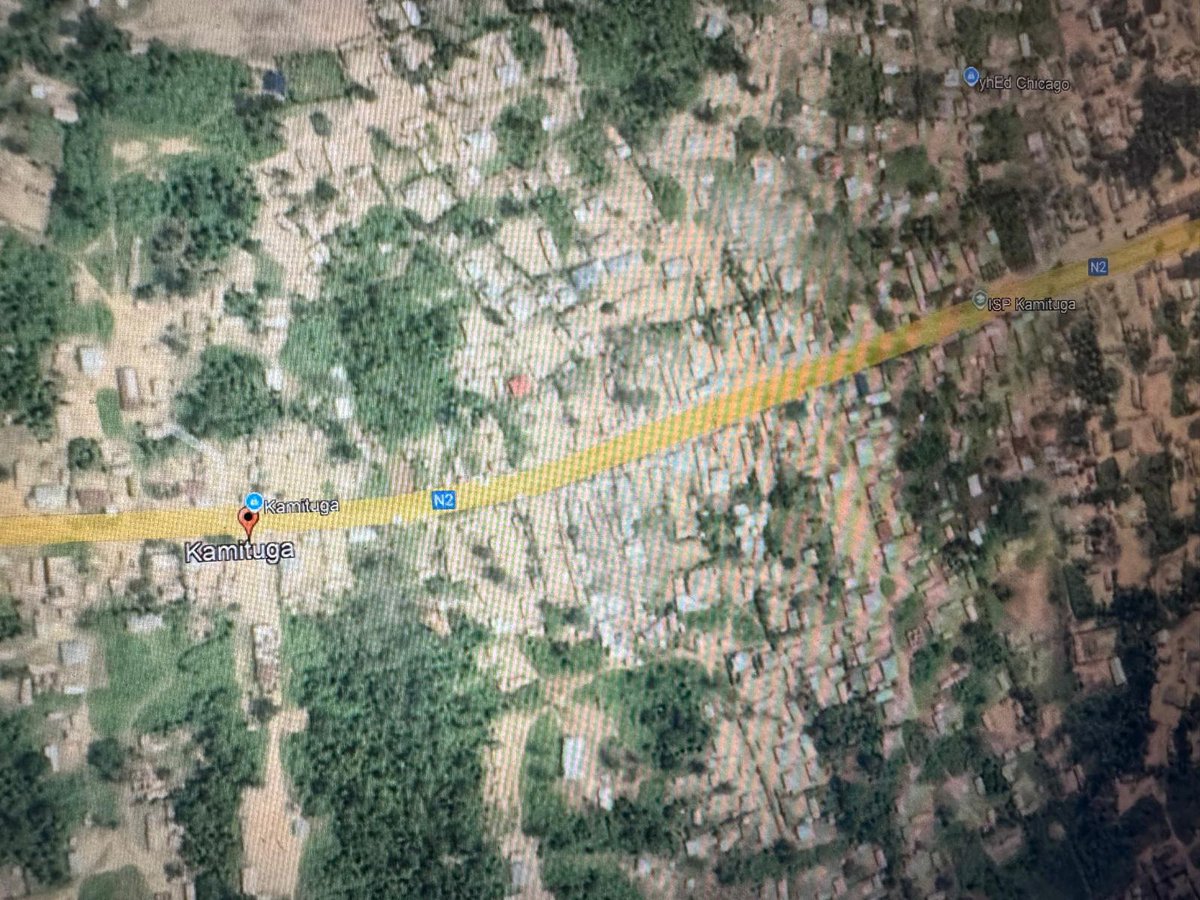
Below is a google Earth map of the Gold Mining town of Kamituga, Mwenga territory in South Kivu.
Kamituga is a large gold mining town. Gold was first discovered in 1920s. These are the cheapest to mine high quality alluvial gold deposits in Lualaba, Mobale, Kahushimira, Kamakundu, and Idoka rivers.
Belgium Company Miniere des Grands Lacs Africain (MGL) - Greatlakes Mining Company owned and started commercial mining of Gold in Kamituga in the 1930s until 1997. That is 67 years of plundering cheap high quality gold with no benefits to congolese citizens.
In 1997, MGL sold the Gold mine consession to Banro, a Canadian company. Banro owns the mines to this day. Belgians still mantains a key stake.
Zoom into that map and see the Gold mining town of Kamituga with high quality, cheap to mine alluvial gold siphoned away since the 1920s. Today Kamituga is still a ghost town. No accessible roads, remote, desolate with social or economic infrastructure to talk of.
That is only about gold in Kamituga. Cheap change as we have not even touched on the Diamonds of Mbuji Mayi and their role in the diamond capital of the world.
When Belgium and Canada and their neo-colonial european allies, who are at the historical root of this conflict, side with DRC, ganging against #Rwanda and refuse to condemn DRC's ethnic cleansing and persecution of Congolese; they are consumed by protection of brute and greedy national mining and economic interests in places like desolate and sleepy Kamituga and the rest of DRC. It is action aimed at appeasing desperate DRC elites.
This is not about values of good governance, democracy or humanrights. It is about protecting greed and brutal national interests.
The ganging against Rwanda and externalization of the DRC must therefore be judged from the point of view of weak, corrupt and compromised Government of DRC elites and political actors; and the entrenched vast mining interests and plundering of DRC resources by the most poweful actors.
Rwanda's single most interest is adressing its existential security threats posed by FDLR and the threat of regime change in Rwanda by PoDRC.
DRC public opinion should refuse to be manipualted and seek accountability from their corrupt elite politicians who have mortgaged the country and left the country in shambles languishing at the bottom of the UN Human Develoment Index as the poorest country in the world.
Explore the painful google earth map of Kamituga town below.
This level of ignorance, confusion and misinformation by @Lord_Collins, UK Minister of State for Africa is insulting and UNACCEPTABLE!
He was asked, in the House of Commons, a specific question about 70 Christians who were killed with machettes and hammers by ADF, a Ugandan terrorist organisation affiliated to ISIS, in Kasanga, Lubero territory, North Kivu, and he dares answering that "When I met the Foreign Minister of Rwanda this morning, he denied all those crimes happening"?
The UK government will have to formally answer about it!