📣New Policy Brief 📣
Our latest policy brief, published with the @IPCSNewDelhi and authored by Nicholas Weng-Lam Chu, explores the growing geopolitical and environmental risks of Deep-Sea Mining (DSM) in the Indian Ocean.
📄 Read more: https://t.co/cT8TId9ikE
🌍 Could solar geoengineering become a new instrument of geopolitical competition?
A new report by @ObsDefClim and @InstitutIRIS examines the geostrategic implications of Solar Radiation Modification.
👉 Read our summary here: https://t.co/GN5WNahzb3
🌍 How is climate change reshaping peace and security in Somalia?
A new report of @SIPRIorg and @nupinytt examines how climate change acts as a threat multiplier in Somalia.
👉 Read our summary here: https://t.co/ivNueJiKS4
#ClimateSecurity
🌍 How does landmine contamination affect climate security?
A new commentary by @SIPRIorg argues that landmine contamination should also be understood as an environmental governance and climate security issue.
👉 Read our summary here: https://t.co/xDe8RcNwt0
🌍 How is the Gulf adapting to emerging threats to energy infrastructure?
A new report by @CSIS argues that resilience capabilities are becoming just as important as traditional defence measures.
👉 Read our summary here: https://t.co/YtV4gmQHpn
#EnergySecurity#Geopolitics
🌍 What does climate change mean for the future of India’s armed forces?
A new commentary published by @CentralComment explores how climate change is becoming an important yet often overlooked factor in military readiness.
👉Read our summary here: https://t.co/decpy2sI7f
#IPCSPublication
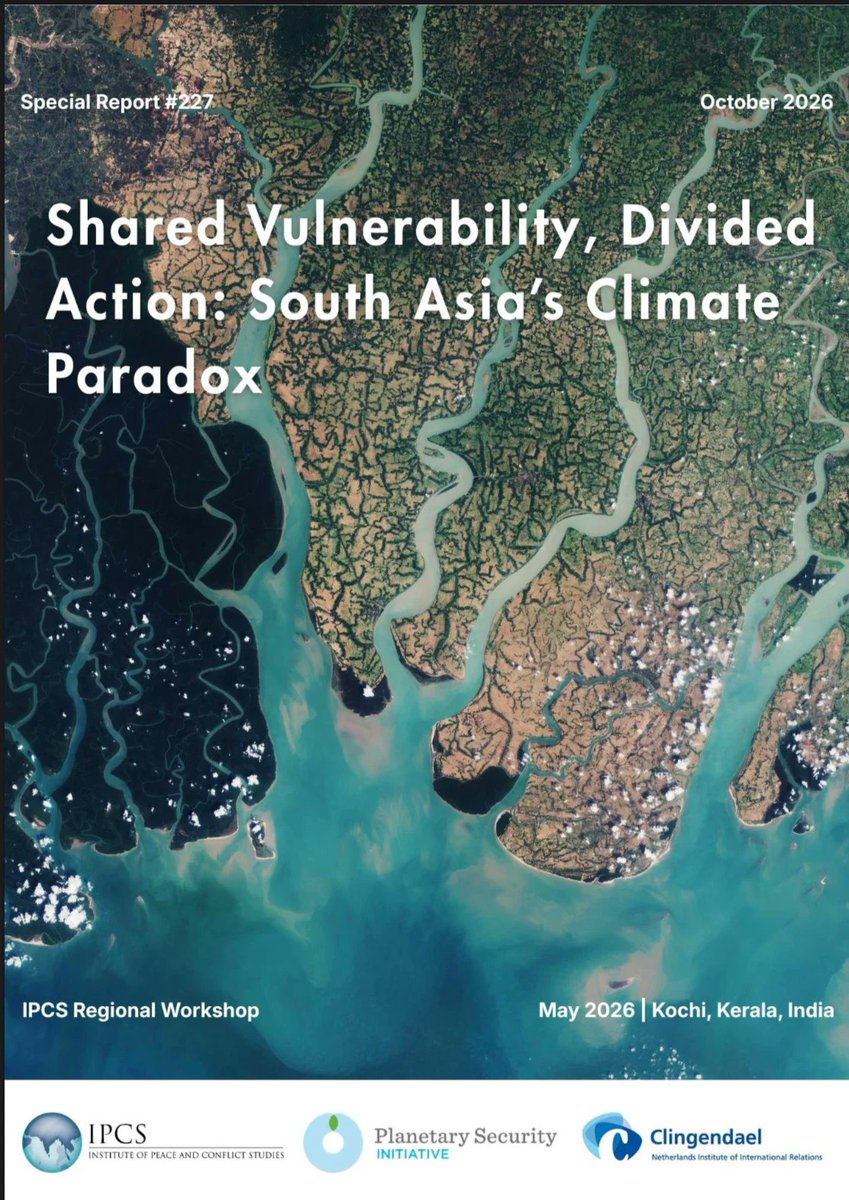
IPCS' latest #SpecialReport offers 9 observations that South Asian decision-makers could use to evaluate whether new institutional designs are able to respond to the demands of climate change while accommodating regional realities.
Read: https://t.co/jEUILQtpJu
🌏 Can climate change become a catalyst for regional cooperation in South Asia?
A report by @IPCSNewDelhi and @Clingendaelorg explores how climate change interacts with geopolitics and shapes regional priorities in South Asia.
👉 Read our summary here: https://t.co/OZfGMw4ciG
🌍 Why should environmental harm be considered in the full protection of civilians?
A new paper of @ceobs_org and published by Article 36 argues that the full protection of civilians requires full protection of the environment.
👉 Read our summary here: https://t.co/my7jPLigM9
🌍 Could climate change re-mobilise radioactive contamination from Chernobyl?
A new report of the NATO Energy Security Centre of Excellence @ENSECCOE explores how wildfires and flooding could re-mobilise radionuclides.
👉 Read our summary here: https://t.co/CJIrQDfaVY
🌍 How can renewable energy contribute to peacebuilding and conflict prevention?
Energy Peace Partners co-hosted the launch of a new film series, showing that renewable energy can strengthen resilience in conflict-affected settings.
👉 Read our summary: https://t.co/1qNpLwFzaN
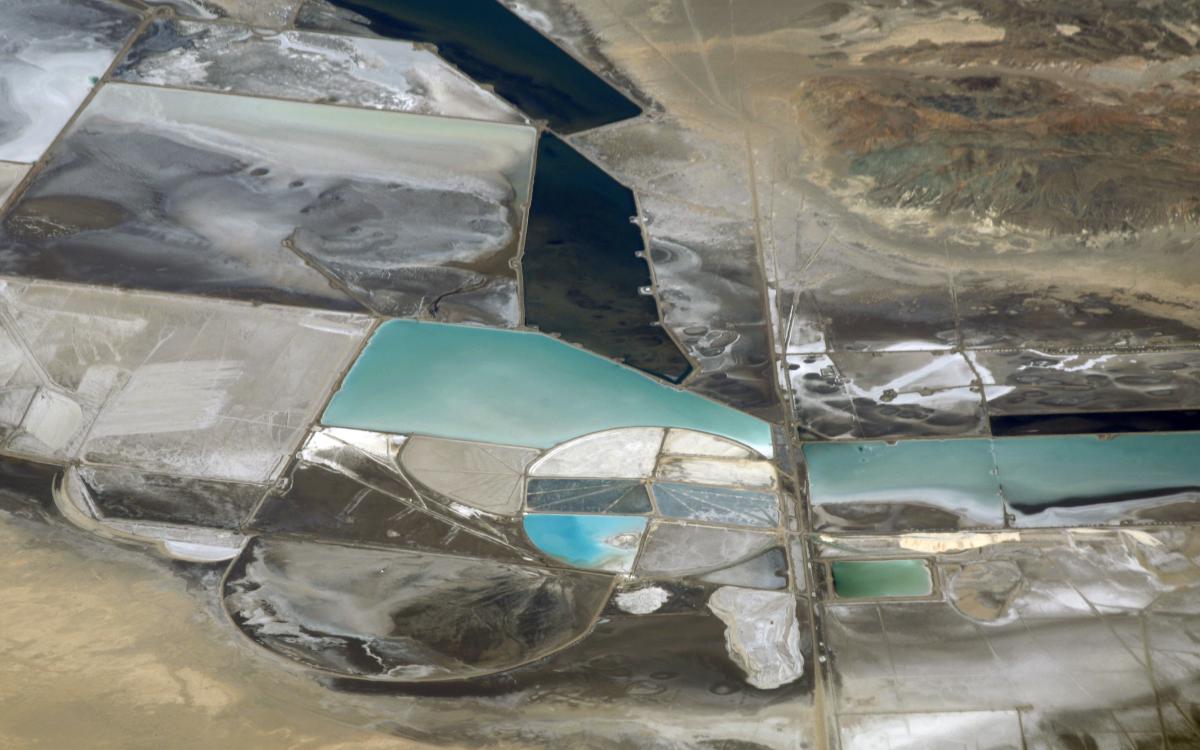
🌍 Could a "mineral security premium" help diversify critical mineral supply chains and reduce exposure to supply disruptions?
A new commentary by the @IEA explores the idea.
👉 Read our summary: https://t.co/qKNs8kAeBY
#CriticalRawMaterials
🌍 How can governments strengthen energy security without exacerbating food insecurity, deforestation, and land-use pressures?
A new research by @ChathamHouse tackles this question.
📄To find more about this, check our summary: https://t.co/388CcAmxZy
#ClimateSecurity
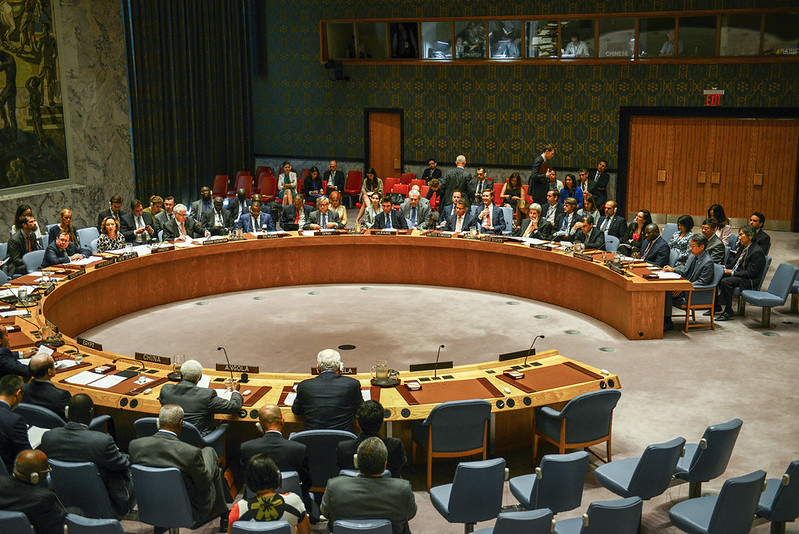
🌎 How can new UN Security Council members advance the climate, peace and security agenda amid geopolitical deadlock?
A new commentary by @CarnegieEndow outlines a "cumulative normative strategy".
Read more about it here: https://t.co/t2LVAiM6WW
#UN
🌡️ How can the EU deal with the extreme impacts of global warming?
A new commentary by @Bruegel_org answers this question, delving into who and how these costs should be borne at the EU level.
To read the full article: https://t.co/P4zN33blRI
#ClimateSecurity#Resilience
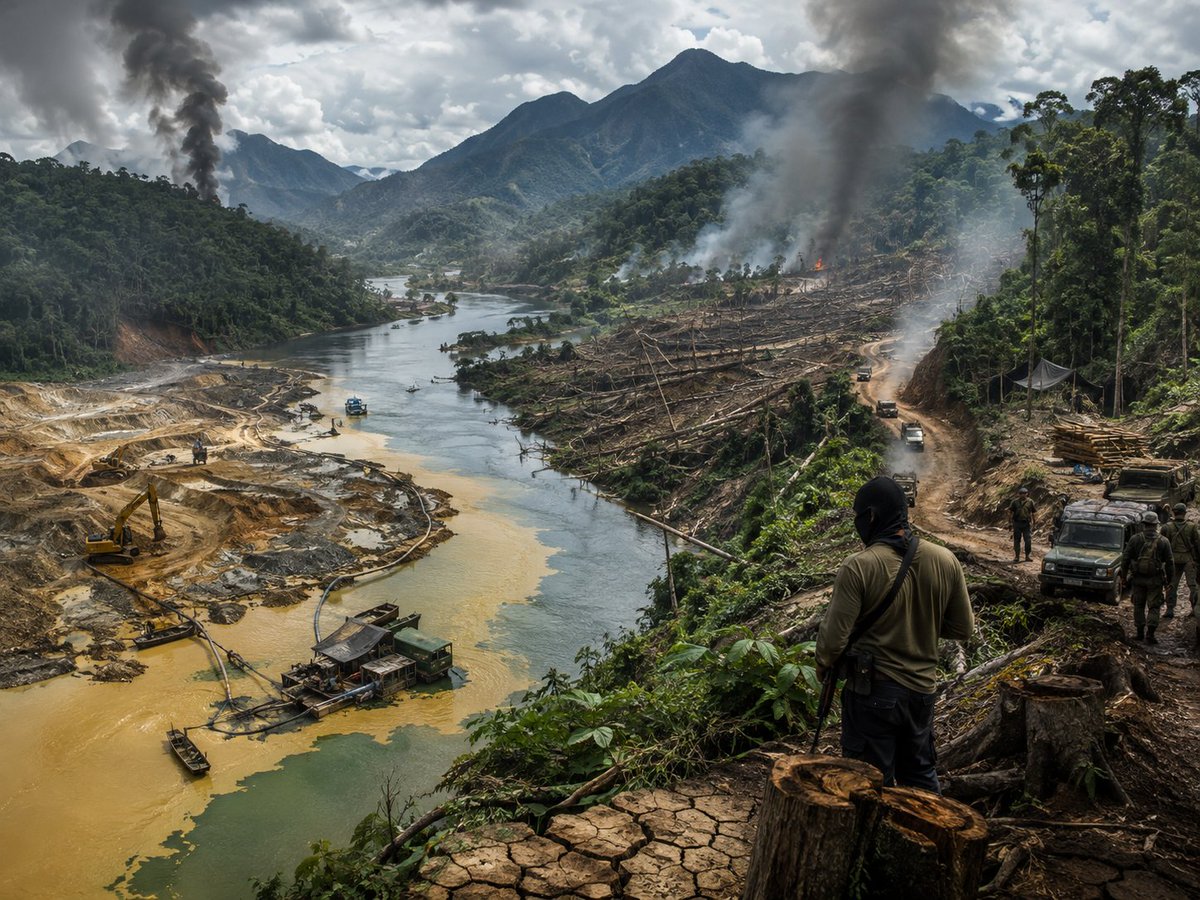
🌎 How do climate change, cartels and security responses intersect in Latin America?
A new @CarnegieEndow comment argues that hard security alone cannot deliver durable security.
🗒️Read our summary here: https://t.co/X9GbIL7xck
#ClimateChange#Resilience#Governance
🌊What are the main frontlines of water security in 2026?
A new Critical Questions interview by @CSIS explores how scarcity, governance, and geopolitical fragmentation make water a frontline geopolitical risk.
📰Read our summary here: https://t.co/2WNfCqdzHt
#WaterSecurity
🏜️How can drought policy better account for cascading risks across food, land, water, energy and security?
A new @UNCCD policy brief argues for a more integrated nexus approach to drought governance.
📰Read our summary here: https://t.co/mYDuqkFm3l
#ClimateSecurity
How are wildfires reshaping defence planning and military preparedness? 🔥
A new @CSRisks briefer looks at this, and makes the case for stronger civilian-military preparedness.
📰Read our summary here: https://t.co/adTzs2iZAh
#ClimateSecurity#Wildfires
How can climate adaptation and peacebuilding better reinforce each other in practice?
A new Global Environmental Change article provides an answer from conflict-affected communities in Colombia.
📰Read our summary here: https://t.co/NlQLn77CG6
#ClimateSecurity
🌍💧 Iraq’s water crisis where climate change pushes conflict. New @UN podcast with @BerghofFnd. Droughts and water mismanagement are reshaping Iraq’s future.
💡 Solutions: public-private and cross-border cooperation
🎧https://t.co/Gr0EaItUTT
#Climate#Water#Iraq#Peacebuilding