One of the few useful things I ever did on Twitter was create an NZ Science List. Anyone know of a similar list on Bluesky? I started creating one--see link below--but would gladly just follow someone else's
https://t.co/0SScjdwd4l
old twitter list was https://t.co/zmQrNYNwJJ
Want to follow great Australian science writing on Bluesky? Here's a handy, curated starter-pack of Australian science writers.
https://t.co/QHCl5d0BTM
If, like many, you have finally given up on what used to be Twitter for sharing science stories...
This is a Bluesky starter pack of Australian Research Council Centres of Excellence and similar ARC funded schemes: https://t.co/MsDvZWA5IL
@Ha_Tanya Timely !
I haven’t signed up for 🔵 yet but unfollowing everyone here so I can still use it for work purposes without… yknow. Thanks for a great feed Tanya. ❤️ out
No offence Twitter peeps. I still need to be a member of this previously functional platform for work purposes, but I’m steadily unfollowing everyone. ❤️ out
@MichaelSFuhrer Aotearoa’s answer to the Angels. Hard-working, fun, guitar-heavy rockers from Waikato/Bay of Plenty. First encountered them opening for ZZ Top in 87 then countless pub gigs—a fair proportion of those 1600/mnth are probably me.
https://t.co/4qlpGpN1Gx
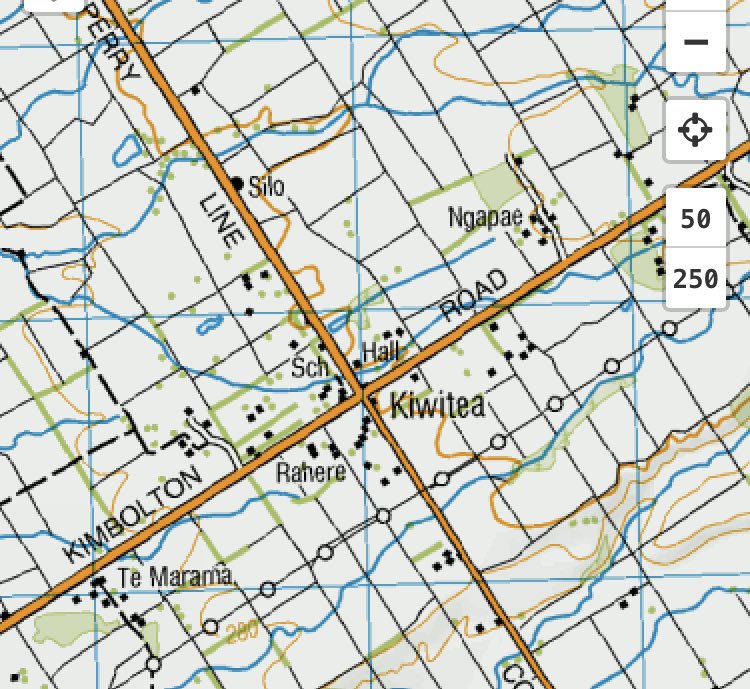
@ChiefSciAdvisor Military map 1840s shows"volcanic forms" (or "volcanic forest"?) west of Pakaraka
Note north is downwards on this map. "Mr William's farm" is ~ Pakaraka town. "Pouerua" is the famous Ngāti Rāhiri pa site /basalt cone (~500,000 yrs old) visible across farmland to the SW of town
@ChiefSciAdvisor English artist Augustus Earle reported “heaps of cinders and hillocks of volcanic matter” around Taiamai/Pakaraka (Tai Tokelau) in 1827
The area now is quite green and lush, cleaned up' to aid farming
Unwanted energy in quantum systems is usually blamed on experimental imperfections, but “what if we actually have a perfectly cold system, and the reason we can’t cool it down effectively is because it’s constantly being bombarded by dark matter?” https://t.co/yLWdsWIqG8
The speed of light was once thought to be infinite: ⚡️
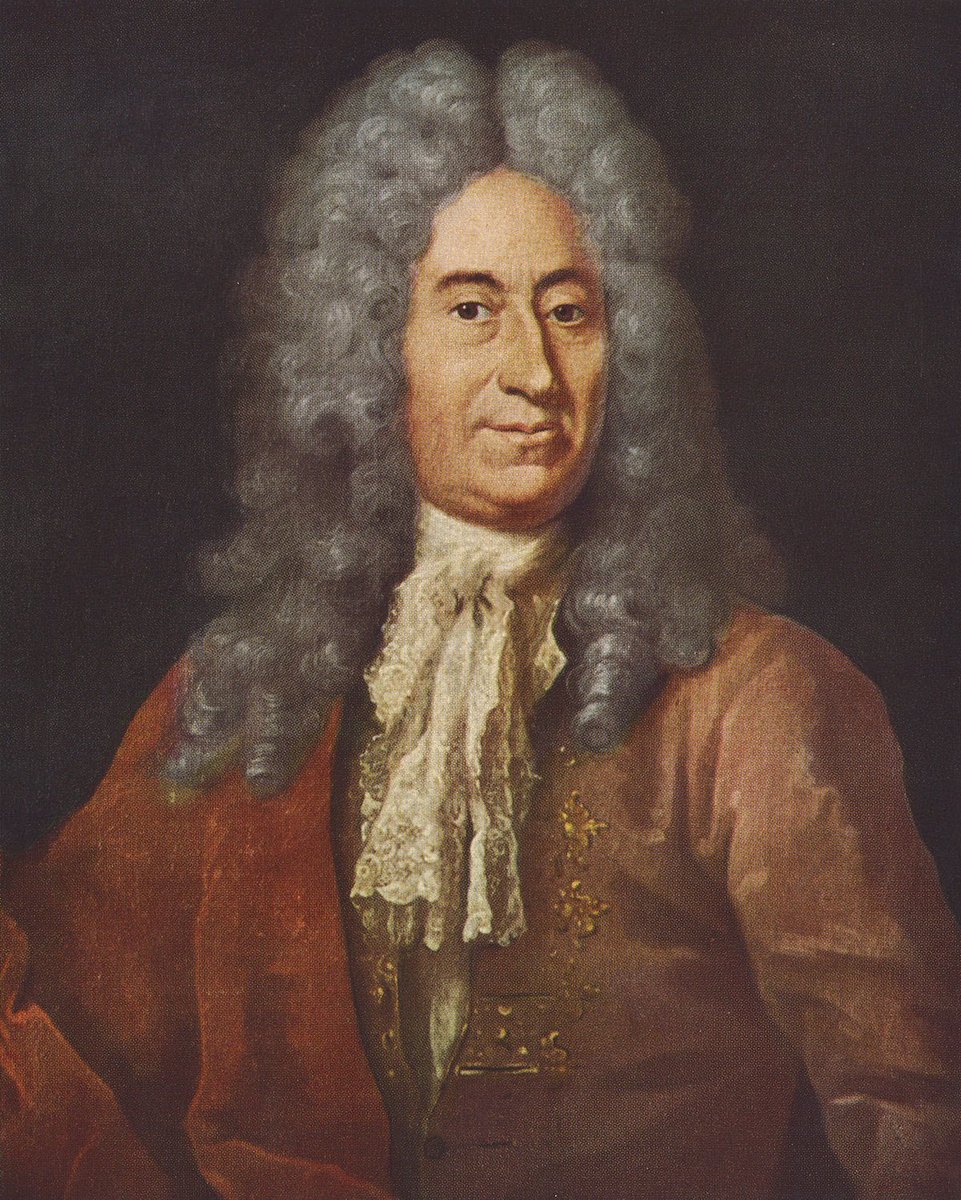
Up until the 17th century, it was widely believed that light traveled instantaneously. Danish astronomer Ole Rømer was the first to provide evidence that light had a finite speed.
He did this by observing the motion of Jupiter's moon Io and calculating the speed of light to be approximately 220,000 km/s, which is remarkably close to the modern value of 299,792 km/s.