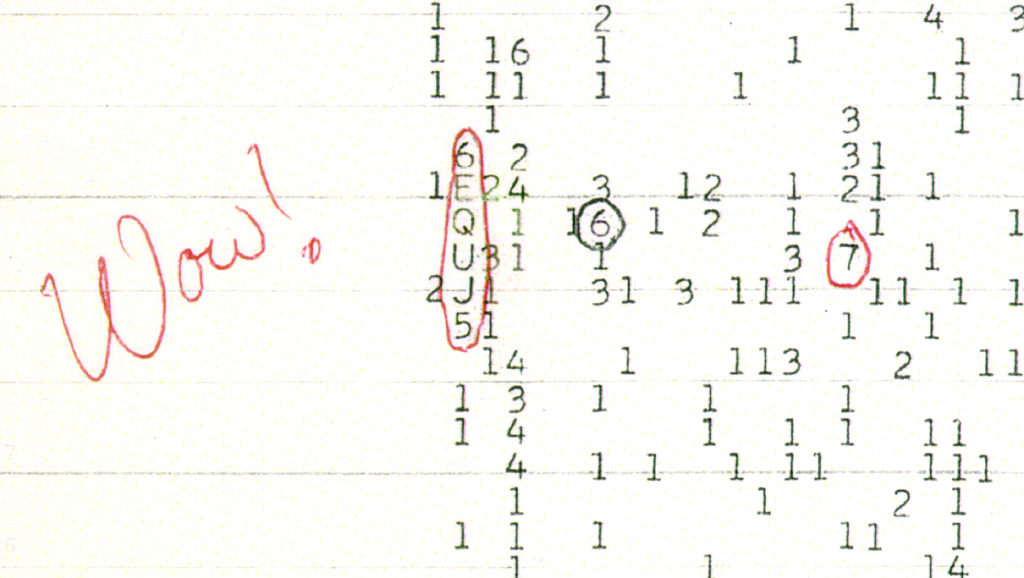
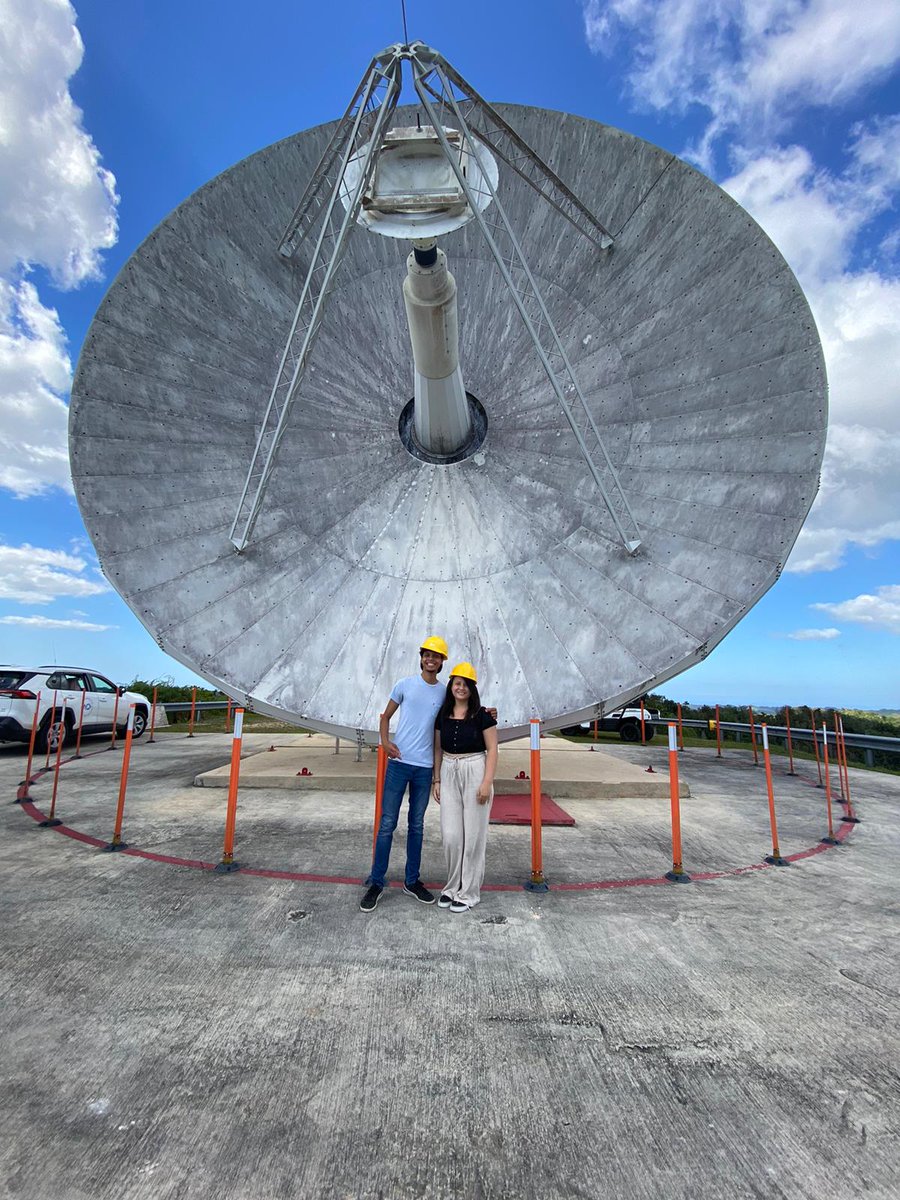
Consider supporting the #AreciboWow initiative, which involves searching for extraterrestrial communications using the archival data from the Arecibo Observatory. Remember, #GivingTuesday is coming up next week. https://t.co/z6Cb2hVGfn https://t.co/NicgEZoAVx
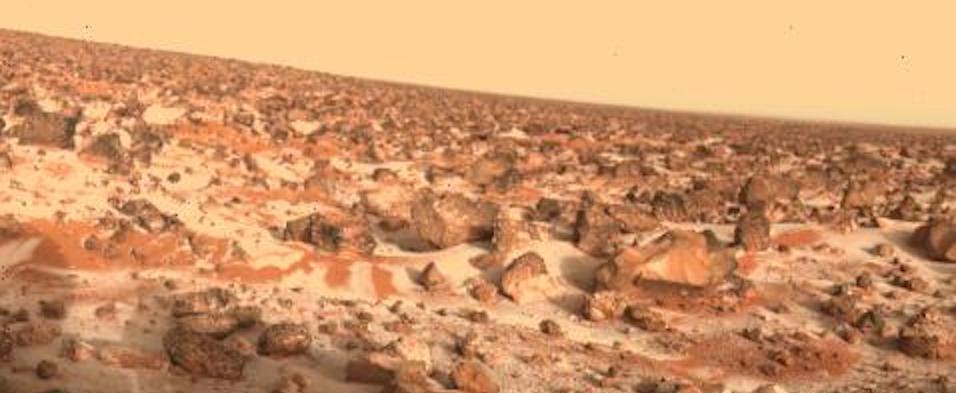
Our @SWRI@JHUAPL@PlanetaryHabLab team has been investigating the environmental habitat suitability of Mars in recent times. https://t.co/7EQ3uoqU2R #MarsDH
This month, we are working on an exciting new technosignatures project to search for Wow! Signals in the archival data of the Arecibo Observatory's 12-meter and 305-meter telescopes. More details to come soon. 🖖
Sentar cátedra sobre planetas, cuando hay trillones, probablemente más, con una diversidad casi inimaginable, es muy pretencioso. Aún nos queda mucho por aprender. Sobra cierta arrogancia y falta mucha humildad. Por eso es tan importante el @PlanetaryHabLab
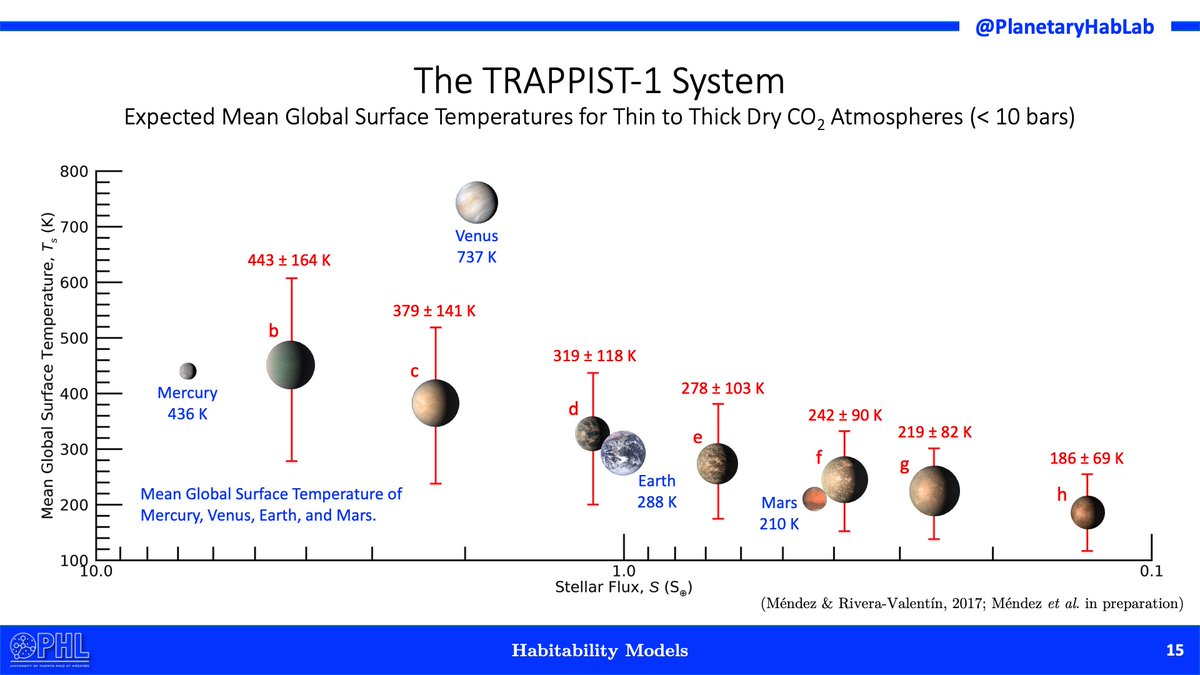
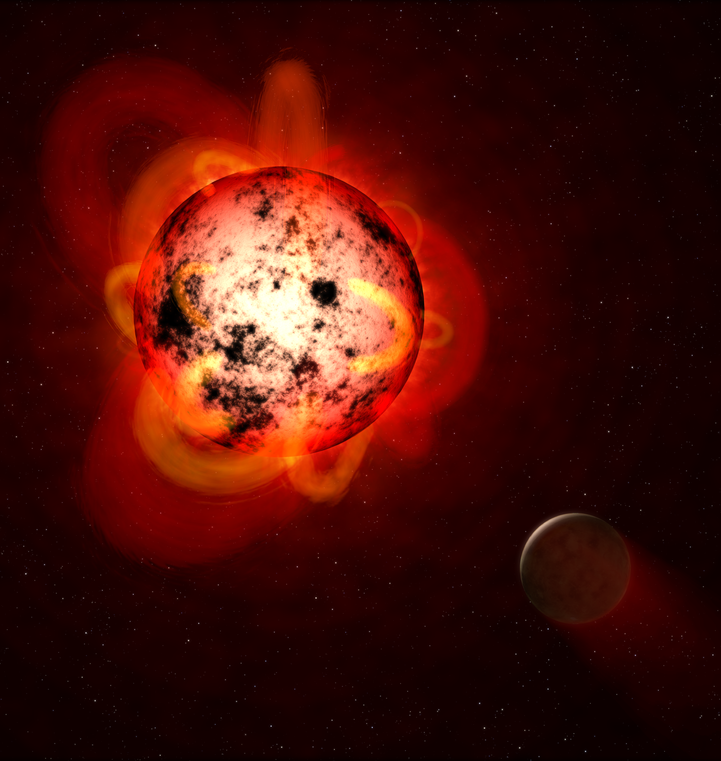
@NASAWebb Here are @PlanetaryHabLab estimates of the mean global surface temperatures of the planets around TRAPPIST-1 for thin to thick atmospheres (<10 bars). TRAPPIST-1 b, measured ~500 K, is within our predictions. 😀
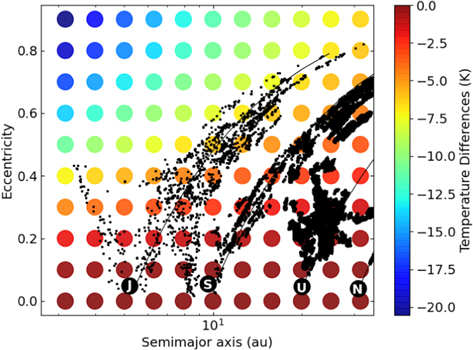
This paper shows that the method proposed by @ProfAbelMendez & @PlanetTreky to calculate the mean equilibrium temperature of planetary bodies in eccentric orbits can also be used to describe the internal thermal state of comets. https://t.co/TWMB6x6gsC https://t.co/9my1mgHaRn