@GlobalEcoGuy Are there other metrics to consider here than appropriate/inappropriate? E.g. discussion of climate issues, support for climate policies etc... Social Change Lab looked at this in 2022 though UK and may need more data.
https://t.co/mVchf3Kaew
While industry tactics will continue to delay systems changes to facilitate diet changes, evidence and reason will ultimately prevail.
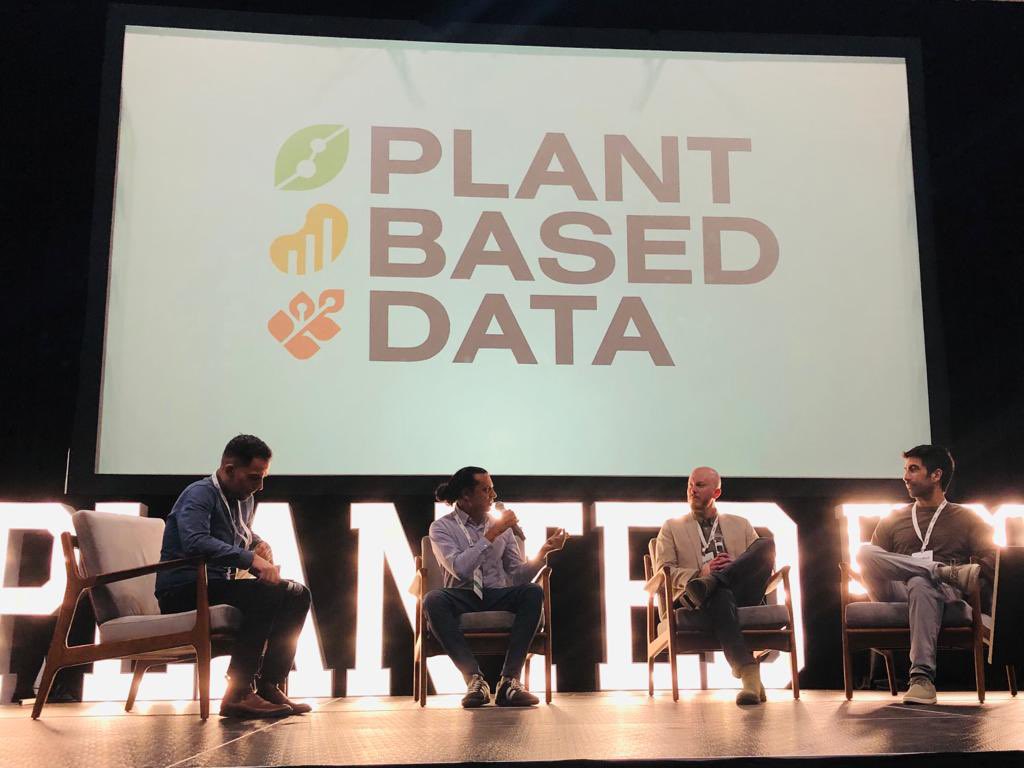
Our core team breaking down the nutrition, environment, and economic science in Toronto this past weekend.
🧵 of a couple slide highlights
Canadian owned oil pipeline, Trans Mountain Corp, bought carbon credits from what looks like a fake seaweed cattle feed company.
🧵of more offset greenwashing with fossil fuels & animal agriculture working together.
https://t.co/61ntLw2RDY @NatObserver @FawcettAtkinson 👏🏼
More plant-based diets benefit health and climate. But how do they affect farmers? In a recent publication, we show that farm incomes in the EU could increase by 70% in the long run with dietary changes towards a planetary health diet.
https://t.co/SVd6oOqvyg
Recent survey finds that 78% of US consumers want the government to subsidize food for direct human consumption over feed for farmed animals.
According to @FarmActionUS, ~30% of US farm subsidies go to produce feed crops for dairy, eggs & meat
https://t.co/vQvfkPEZry
Which diet is healthier--vegan or flexitarian?
In our latest letterbox series, @FlaminiaOrtenzi & @EcoDocTush share perspectives on the relative health & nutritional impacts of purely vegan diets compared to diets w/ low levels of animal-sourced foods.
https://t.co/sw4JpLWKYf
Alternative proteins have 3 key advantages over animal proteins:
1. Far more resource-efficient (80%+ less water & land)
2. Shorter supply chains with far fewer links = much more resilient to shocks
3. Produce a fraction of the GHGs of animal protein
https://t.co/f9qv4VNL95
Switching menus plant-based by default is proving successful in NYC's healthcare system (the US' largest)
~60% of hospital patients are sticking with default plant-based options. Health outcome data will be interesting to keep an eye on in the next 2-3 years.
Huge news! We are now serving culturally diverse #PlantBased meals as the primary lunch and dinner option for patients at all 11 of our hospitals. These tasty, healthy meals promote positive health outcomes to our patients: https://t.co/10PcD6QApt
The evidence is clear that our food system is in need of a major overhaul and that we need to be reducing our consumption of animal-based products. Join me in asking that plant-based food be a priority in a new national school food policy. https://t.co/0V5k9EN6Zm
From the slaughterhouse to the tannery, leather is the most abusive and environmentally damaging fabric industry in the world.
This is an excellent report refuting the multimillion dollar greenwashing campaign to brand leather as a sustainable, biodegradable byproduct.
Germany has seen big plant-based shifts the past decade. Since 2011, per capita annual meat consumption has dropped from 138 lbs to 121 lbs (a 12.3% drop). 81% of consumers have reduced or quit meat consumption entirely and 40% now eat plant-based meat every month.
Recent paper in the Review of Environmental Economics & Policy calculates that the average retail price for meat in high-income countries would need to increase by 35%-56% for beef and 25% for poultry to reflect the environmental costs of their production. https://t.co/2dmrcORbVW
According to the World Bank, global food systems have a market value of around $10 trillion a year but generate between $6 trillion & $12 trillion a year in hidden social, economic & environmental costs. Global food finance needs urgent reforming.
https://t.co/wQddmV1Q7j
US' history of "aggressively backing industrial agriculture; close ties between industry & senior officials, & its opposition to the EU's Farm To Fork policy for nature-friendlier farming, have left experts questioning its commitment to even modest reform"
https://t.co/RGARzTTz0p
"Food systems receive only 3% of public climate finance, despite accounting for one-third of all
global emissions."
@futureoffoodorg report "Untapped Opportunities: Climate Financing for Food Systems Transformation"