Dartmoor National Park contains some of the best preserved examples of prehistoric settlements and tin milling activity in the country https://t.co/aE3mx98hus
After the war, the Efford estate expanded even further and by 1951 what was then one of Plymouth’s longest single streets had reached its present limit – number 491 https://t.co/PIoJZ5GgAH
Remarkably, some 75 years later, the estate appears little changed; the old field pattern is still discernible here and there, marked out by trees https://t.co/UtcrJLGJ0V
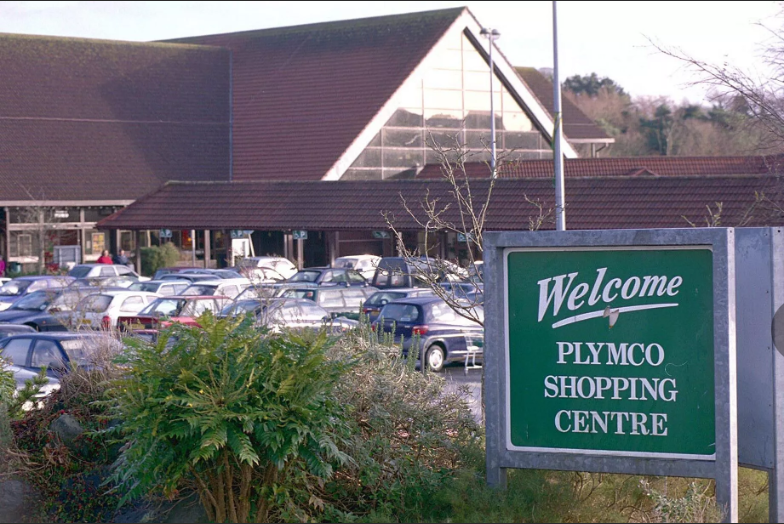
It was a Plymouth institution. There were Plymcos across the city, and we all loved them.
The store based at Transit Way, where Tesco is now based, used to contain a crèche for children in the entrance so you could drop your kids off whilst you shopped.
#nostalgia
It quickly became a car park that time, and #Plymouth, forgot. A time capsule, tucked behind houses that only a handful of local residents knew about...
https://t.co/fptVp9utR9
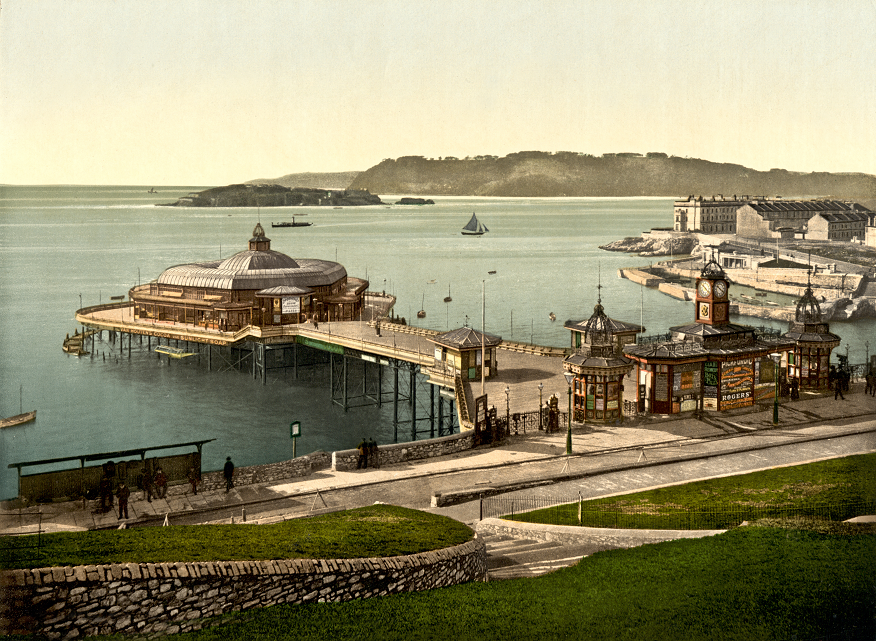
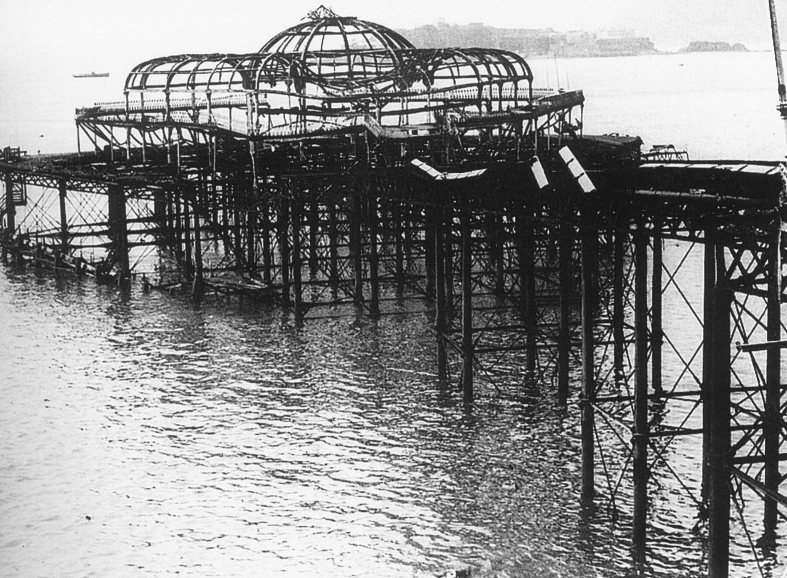
Plymouth's lost pier, before and after the war.
Built in 1880, Plymouth's Pier was destroyed in the Blitz, but its rusting remains were not taken down until 1952.
Many of us love looking at old photographs - and if you are one of them, you're in for a treat this week. We've brought back 13 fascinating photographs from the archive #plymouth#nostalgia
https://t.co/Undmbqi6Dk
The Beeching Axe was devastating for Devon and Cornwall and saw significant number of rural communities lose their lifeline railway line
https://t.co/S9RkHgiwwg
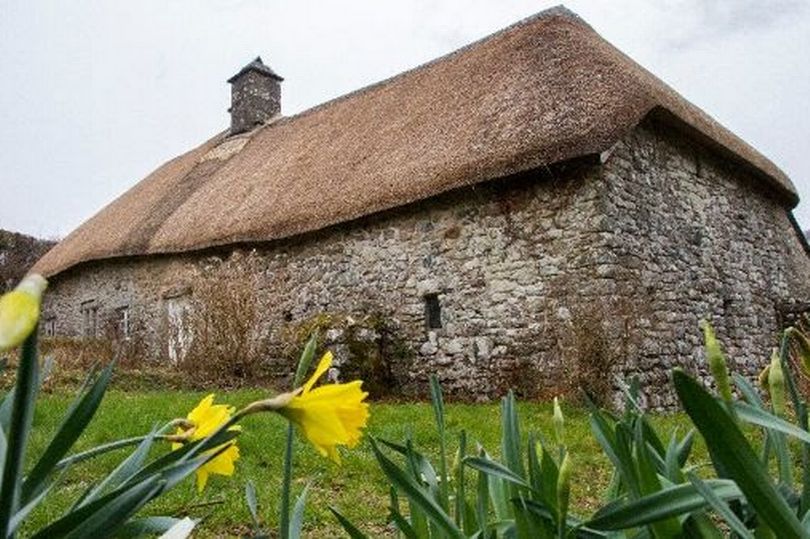
Budding historians and lovers of #Dartmoor can now step back through time and experience what life was like in the 14th century https://t.co/qKUEzy39A3
The pavilions would have been linked by a roof to provide a central sheltered space which could be used for film screenings, theatre shows and televised sports events
https://t.co/65pgHsJg0q