@SSRN 3) The missing-market layer is the real issue. With no financial hedge for deliverability, all risk gets socialised through grid capex, insurance, & retail riders. Prices look “stable,” but the risk is just hidden, borne by "policy" ratepayers instead of priced by markets.
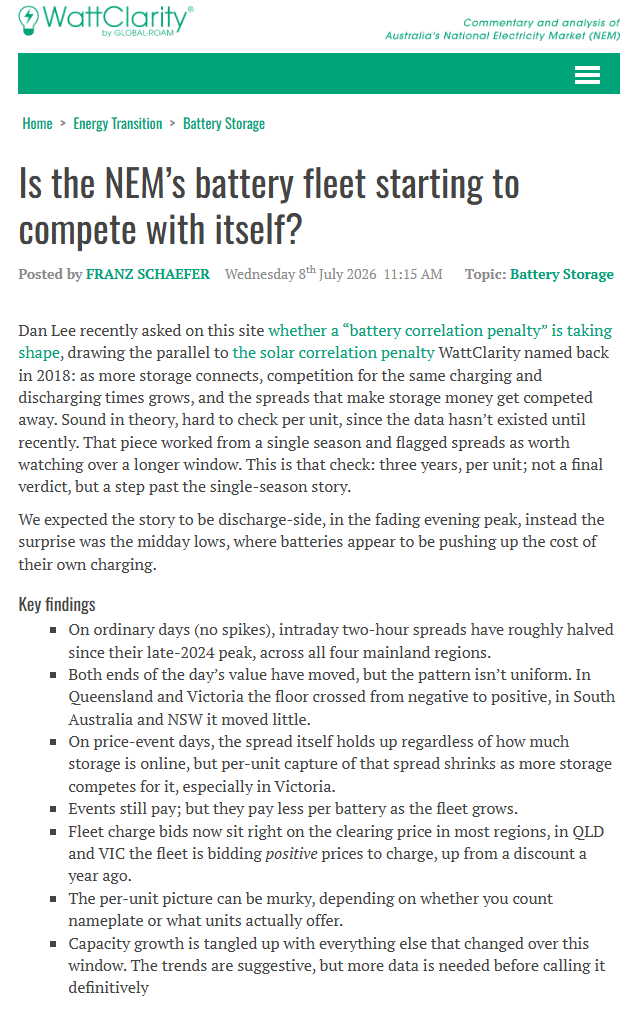
The entirely unsurprising erosion of what new entrant grid batteries can expect to earn has come around shockingly fast... and before annual NEM share has even hit 2%.
@HeyDanitsme@ts_fisher@JesseJenkins Btm is still problematic because it doesn't add capacity or permit cost effective connections & delivery, using less energy & delivering less (which is occuring in SA, Vic and NSW) means you can't capitalize the fixed cost properly. Price goes up.
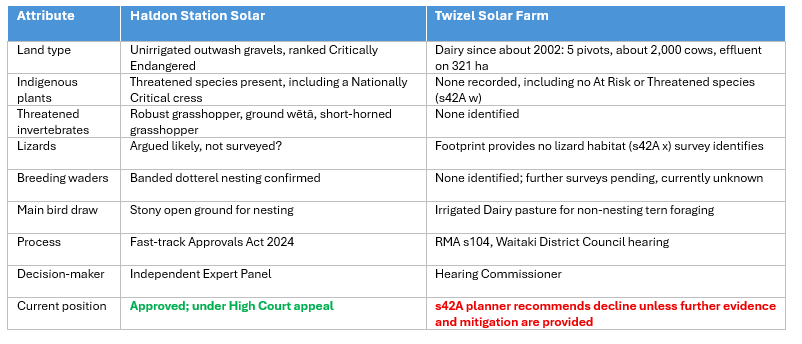
Imagine eliminating nitrates, improving water quality, following a open transparent public process (RMA not fasttrack), and hoping for consistency... 🤷♂️
#nzsolar#nzpol#nzrenewables#nzpol
https://t.co/iGrPXSt6nV
AEMO’s ISP serves no purpose apart from promoting propaganda and vested interests of the renewables industry.
Central planning regional transmission projects from an ideological HQ in Melbourne is obviously not in each state’s best interests.
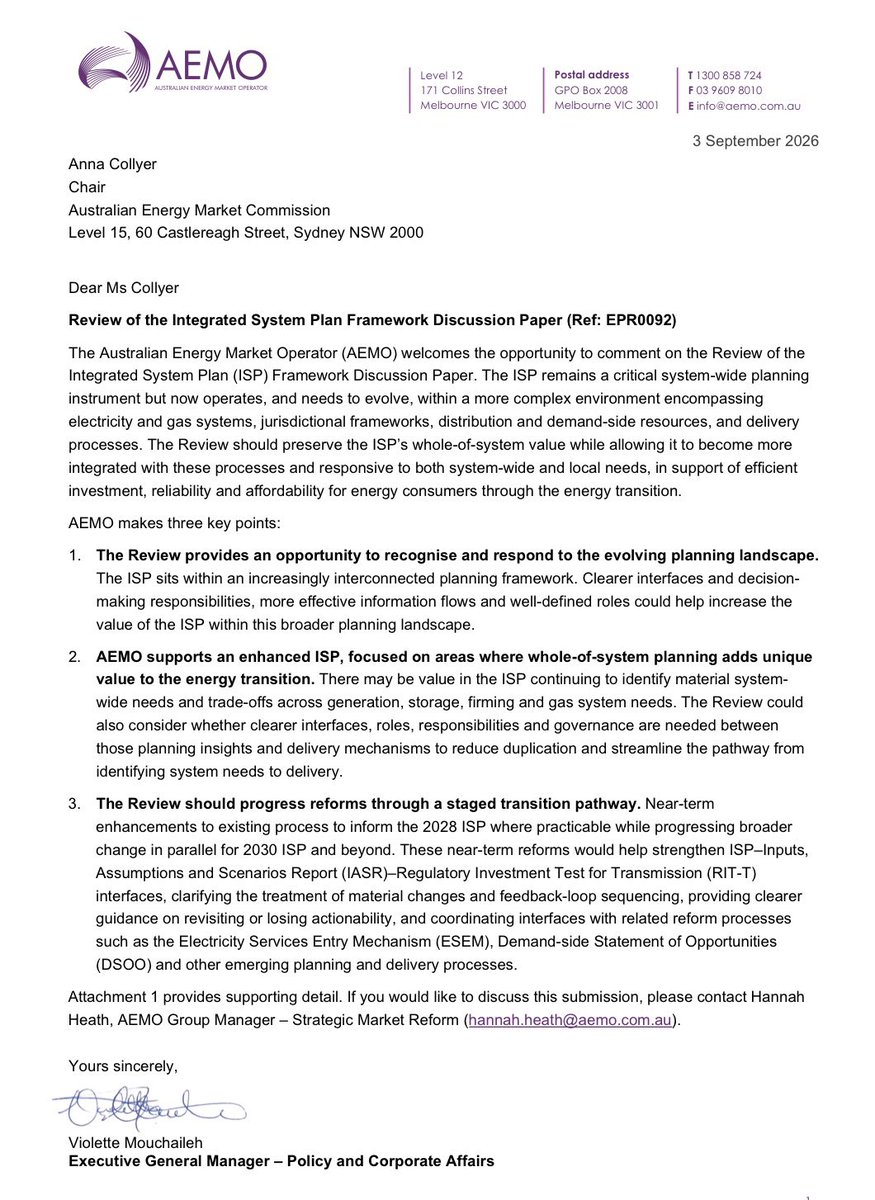
AEMO’s submission to the AEMC regarding the ‘ISP review’ is an insight into the shallow self-importance afflicting the agency.
AEMO should have two primary roles - dispatch generators to balance grid frequency, handle the financial flows that result.
Secondary roles are to participate in technical aspects of grid connection applications, and also publish clean accessible non-confidential market data.
AEMO should have no planning role at all.
https://t.co/tB2G28PZzC
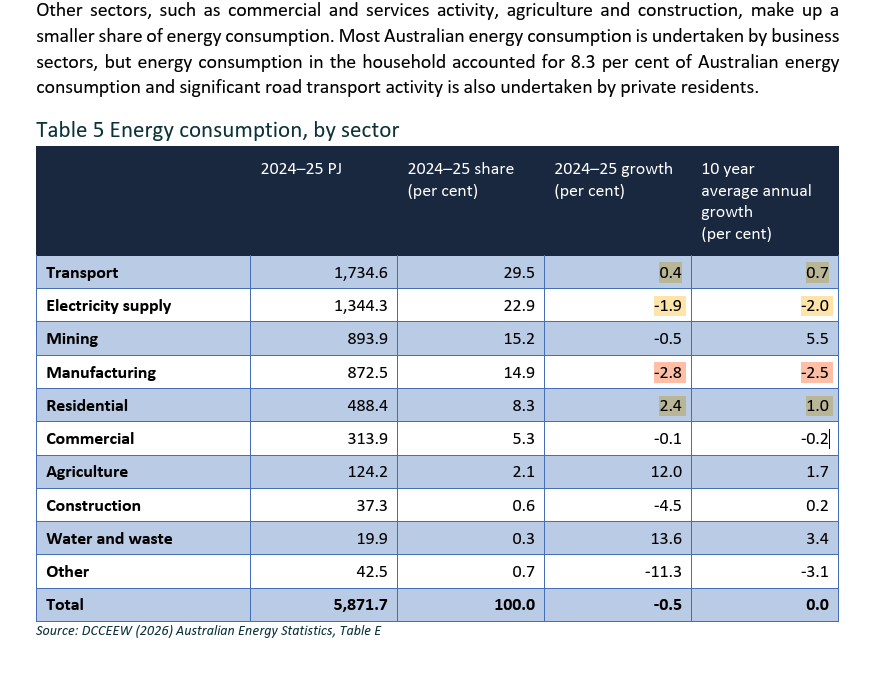
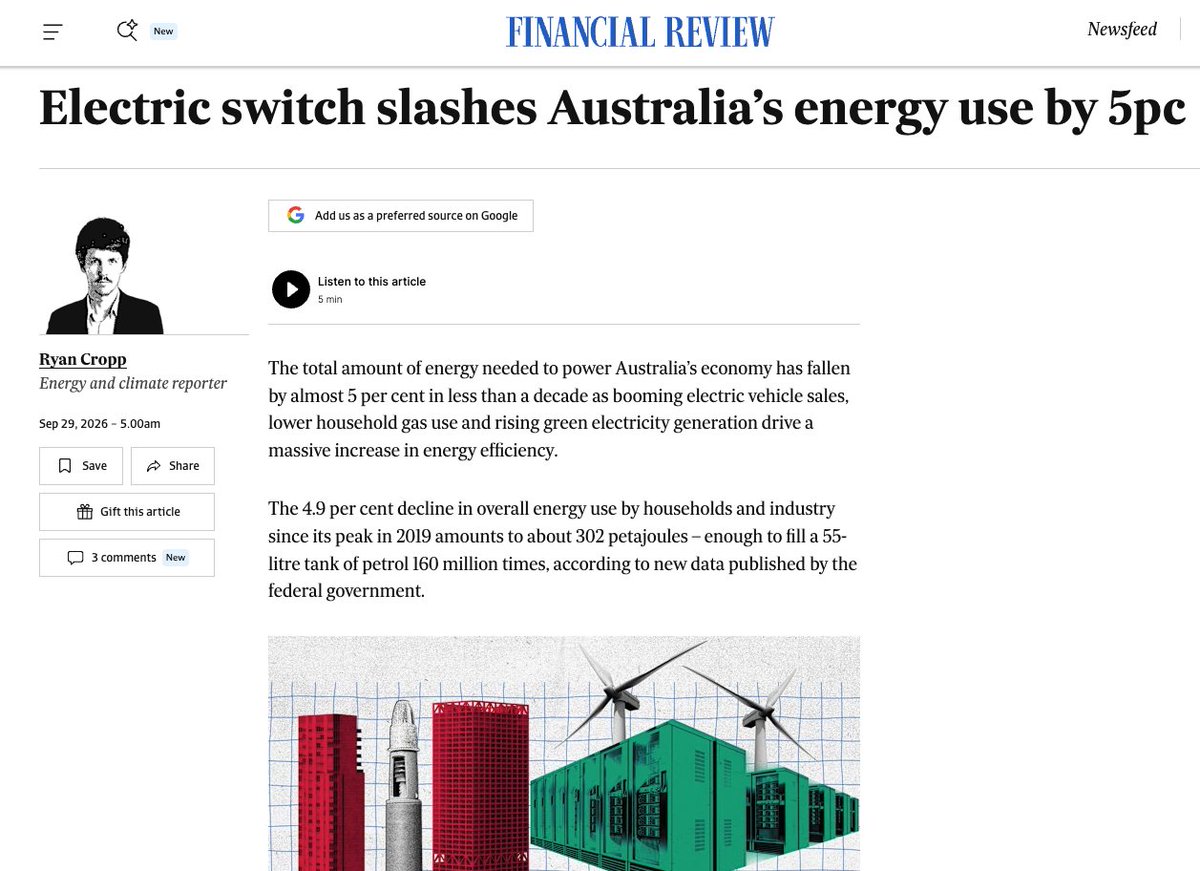
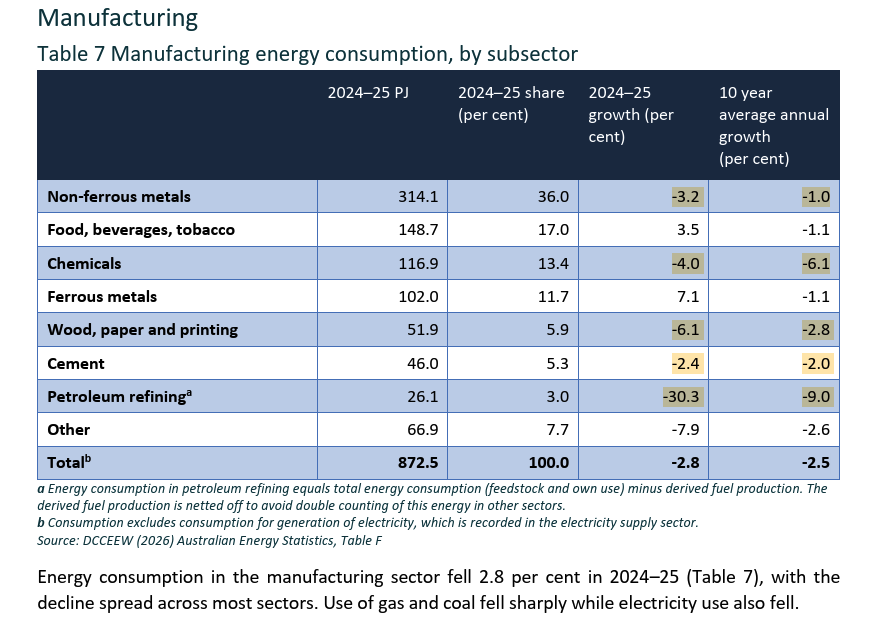
"The 4.9% decline in overall energy use by households and industry since it's peak in 2019"
coincides with:
Closing two oil refineries
Closing the nickel industry
Closing an alumina refinery
Stopping producing fertiliser
Stopping producing glass
Stopping producing plastic resin
Stopping producing paper
Also in that period productivity going backwards, per-capita income in decline...
And new gas connections and some appliances being BANNED in our coldest state.
But this journalist, @ryan_cropp spins the latest figures as a good news story about the success of electrification, and gets quotes from Grattan, The Clean Energy Council, and Chris Bowen.
The column-inches are filled with cliches about electric vehicles being more efficient, and the sun not going through the Strait of Hormuz.
The report itself puts those into proportion. Electrification of vehicles and household heating/cooking isn't driving the decline, in fact energy consumption for households and transport have still increased, as one would expect, with a rising population.
The only thread of merit in the renewables/electrification claim is that renewable energy requires less 'energy' because the equivalent to heat-losses in combustion exhaust in fossil fuels occur on the surface of the solar panel, or vortices and turbulence off the back the turbine blades, which never get measured. So we ignore the inefficiencies in solar and wind, and claim that it captures 100% of the energy potential, which is just the electricity it produces. A meaningless game of process boundaries.
Overwhelmingly the proper reading of the facts is a story about industrial and manufacturing decline. But that's just not the story that Ryan chooses to write.
Not a single quote from an industry representative or a former employee who's lost their job. No mention of manufacturing at all.
Just all back-slaps for renewables and electrification.
Very frustrating. This is terribly biased reporting from @FinancialReview.
https://t.co/LwO9ydiQRw
Gotta fund that RAB somehow, whats a bit of price transfer between friends; nothing to see here I'm sure #nzsloar#nzelectricity
https://t.co/xIozRmK4CY
@Poission51 Good time to exit that equity to the bag-holders because the solar you built can't do sub $90MWh and gear enough debt to clear a decent ROE⚡️
@Poission51@JosephMooneyMP Prices in actual dry states are high enough to fund a same-GWh peak-shift. An +11% Rankine-only world is not, it roughly matches the maximum realistic reshape gain (~5–10%), so margin is flat-to-fragile, not improved.
Imo "same-GWh" is bs; to protect margin reduced GWh is req🤷♂️
@Poission51@JosephMooneyMP Reports haven’t shown structural hydro-as-battery (cut outflows / multi-cycle like BESS) is feasible; they’ve shown you still need long-duration firming beyond existing lakes.
Imagine eliminating nitrates, improving water quality, following a open transparent public process (RMA not fasttrack), and hoping for consistency... 🤷♂️
#nzsolar#nzpol#nzrenewables#nzpol
https://t.co/iGrPXSt6nV
Lol. Wen demand?
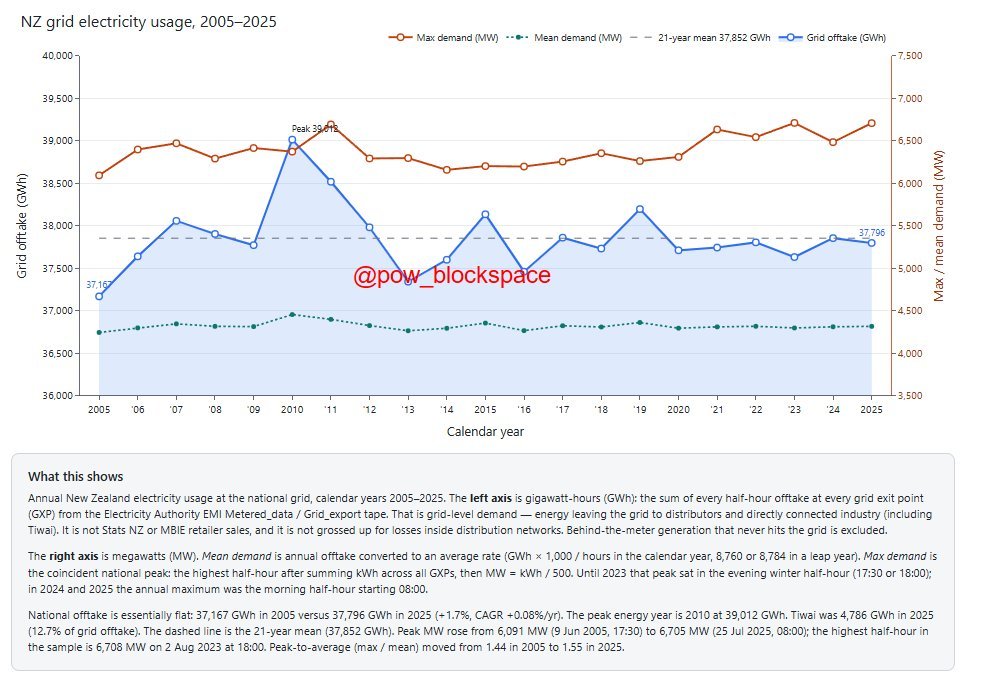
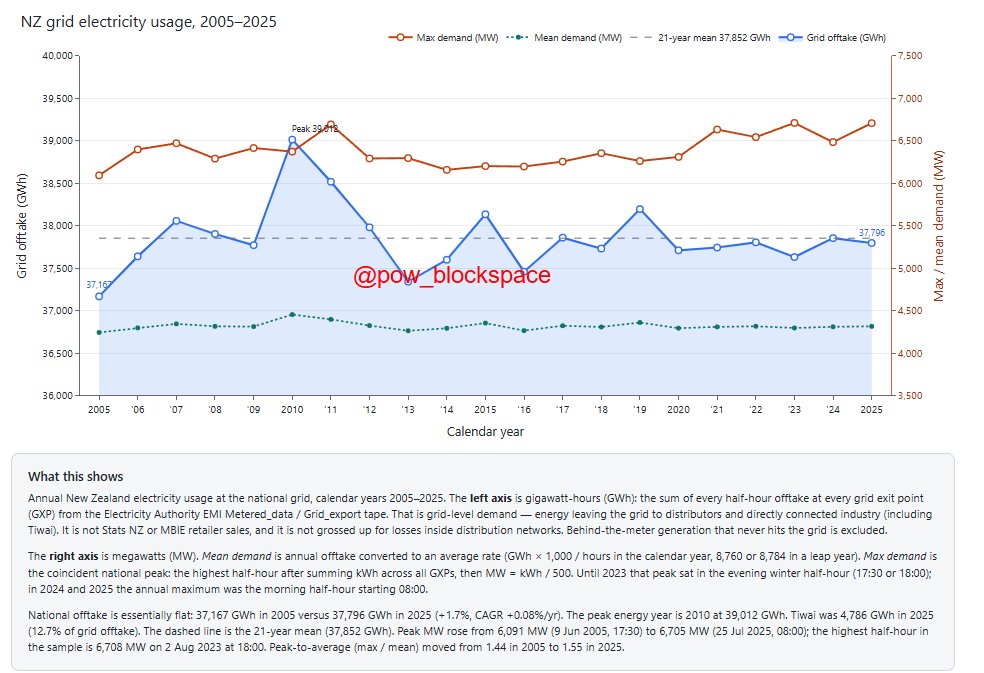
~10% peak demand growth over 20 years.
Dollars of Transpower RAB per peak MW went from $341k to $779k.. if you're wondering why your ⚡️bills have increased... #nzpower#nzsolar#nzelectricity