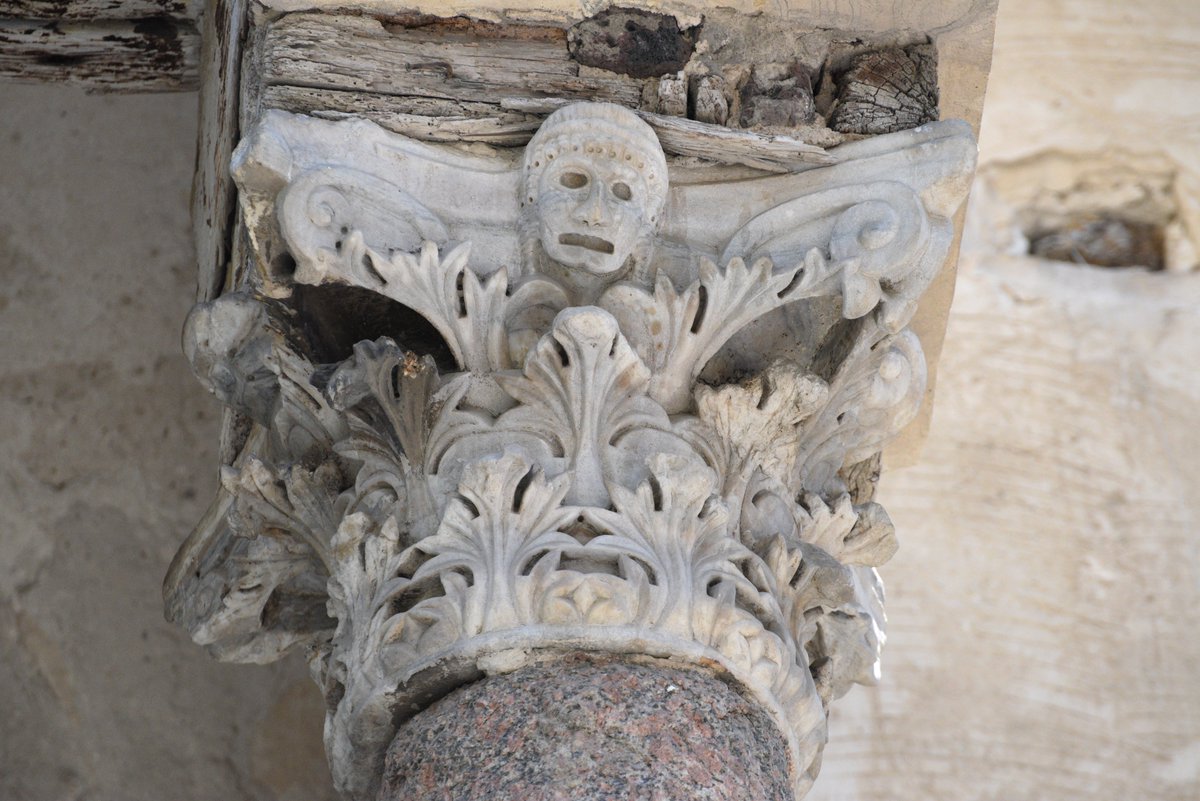
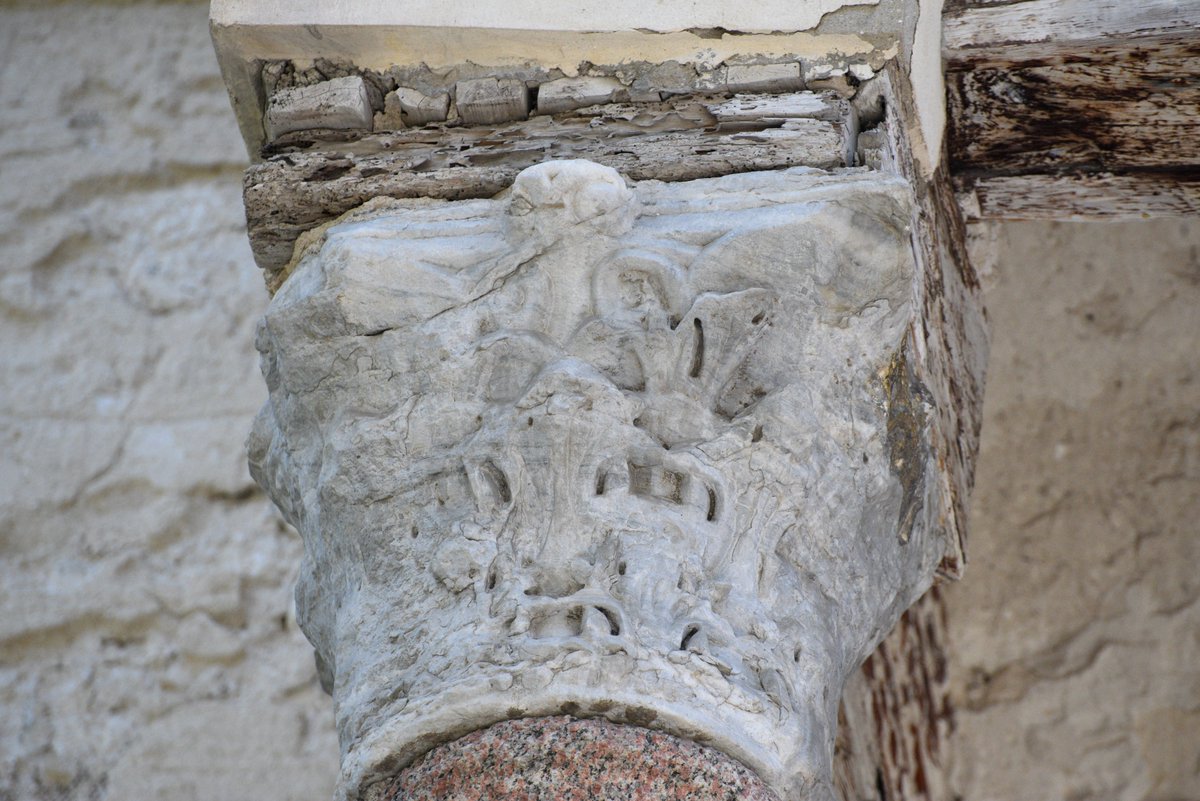
Abu Mina was a pilgrimage site in Late Antique Egypt southwest of Alexandria. It was an imperial-sponsored complex centered on the tomb of St. Menas, a Mediterranean-wide venerated martyred military saint. Nearby is the mid-20th century Monastery of Saint Mina, now the largest in Egypt.
Photos from today’s visit
🇬🇷Ελλάδα Μου (❤️) – Όλη η Ομορφιά της Ελλάδας σε Ένα Τραγούδι 🎶🎶🎶
Ένα τραγούδι αφιερωμένο στην 😍ομορφιά της 🇬🇷Ελλάδας…
στις θάλασσες, στα νησιά, στα χωριά στα Βουνά και στις στιγμές που μένουν για πάντα.
Για όλους όσους (❤️) αγαπούν την
Ελλάδα🇬🇷 — όπου κι αν βρίσκονται.
https://t.co/jQH54Oghsv
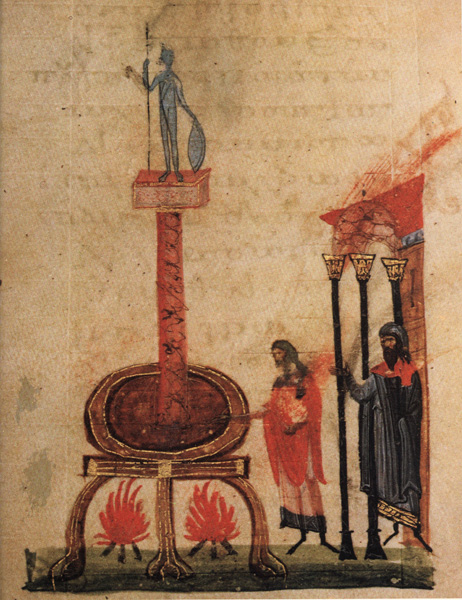
Worship of Apollo
Miniature in Gregory Nazianzenos' Homilies, among topics of pagan gods worshiping, Jerusalem Patriarchal Library, Taphou 14. 11th century.
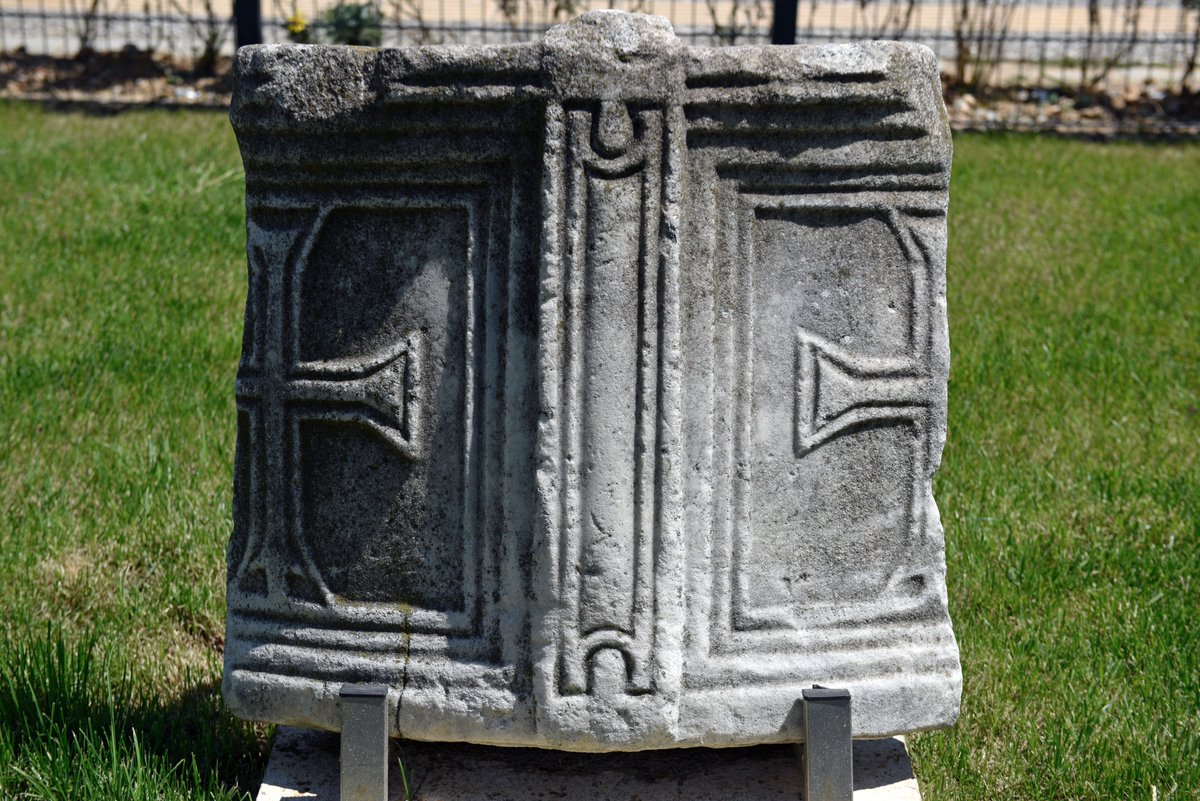
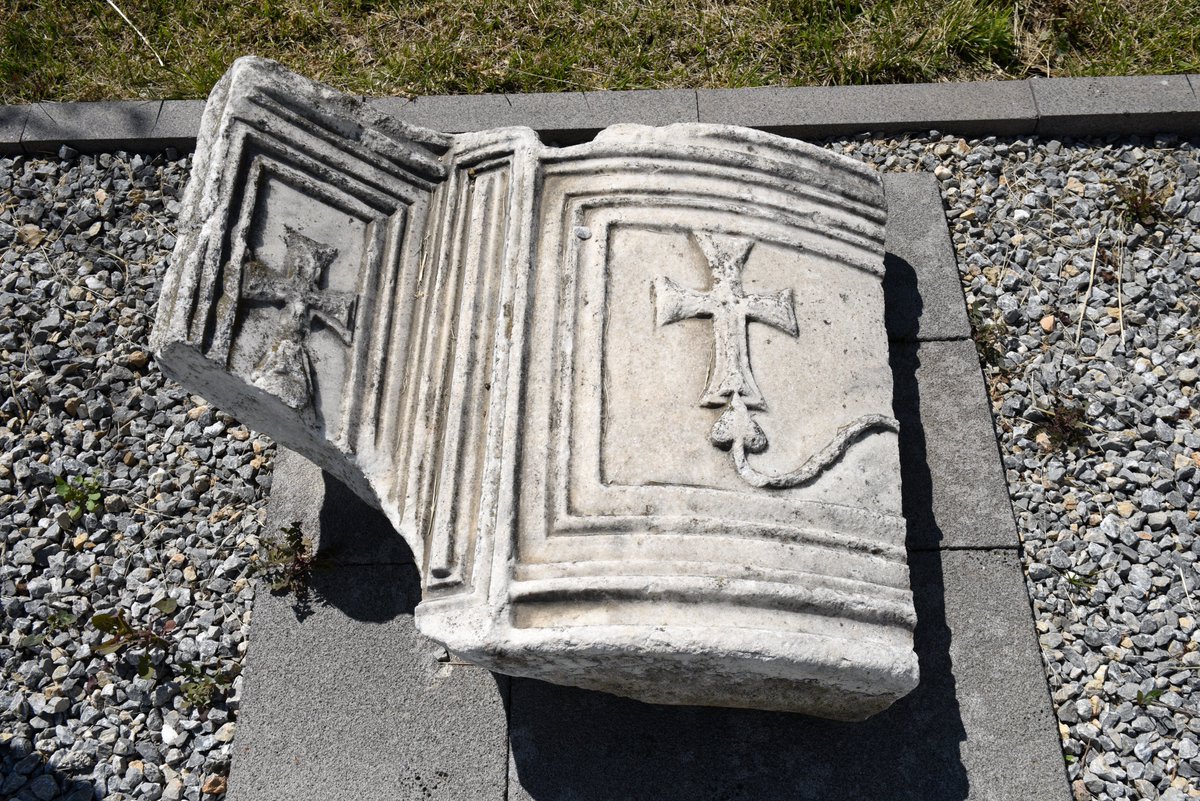
Early Byzantine ambos in Nicaea (modern İznik)
An ambo, the pulpit of churches, was typically an elevated platform with stairs in the Early Byzantine/Late Roman era. The fragments of ambos in Nicaea belong the elevated platform and once had stairs leading down on each side.
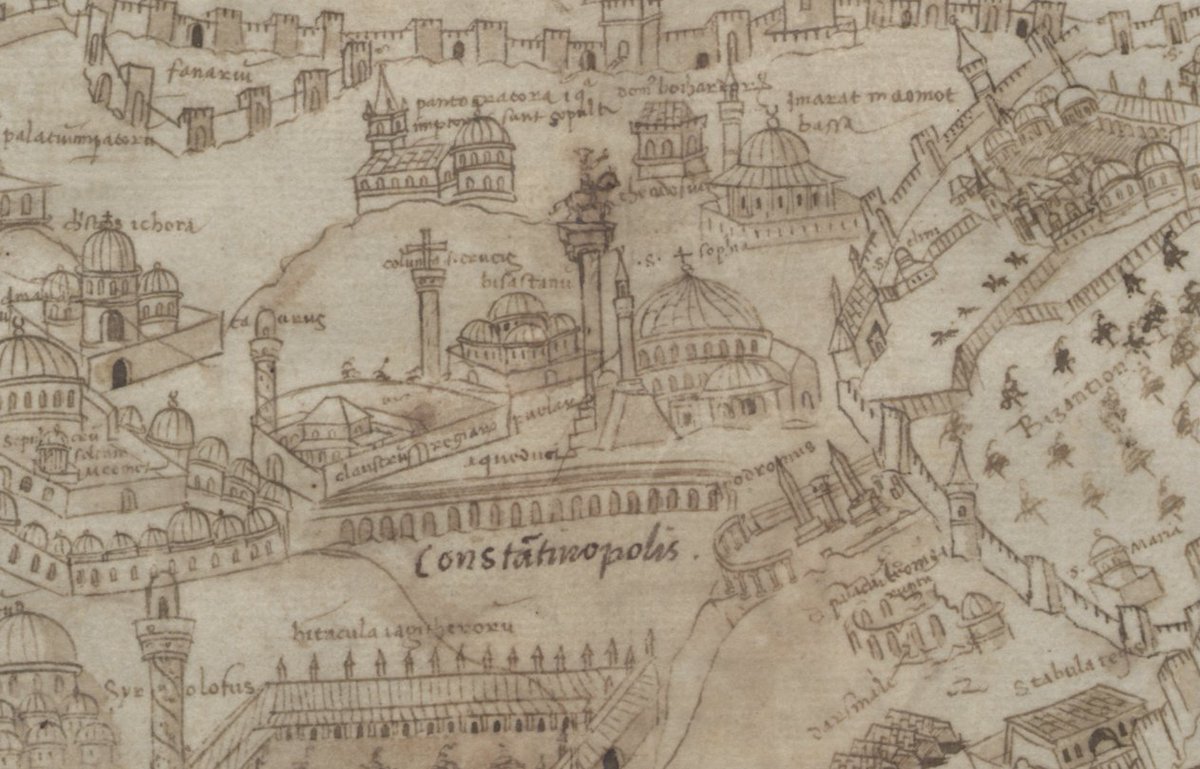
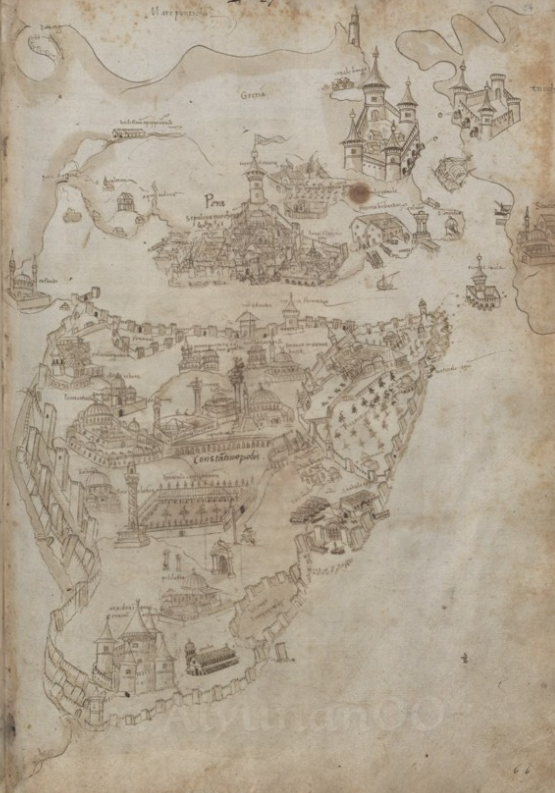
An extremely rare early 1480's copy of Cristoforo Buondelmonti’s city map of Constantinople.
Hagia Sophia, Hagia Eirene next to the newly built Seraglio, Hippodromos, Column of Justinian, Pantokrator, Phanari, Pera/Galatas and the now almost totally collapsed Stoudios monastery.
A curious little Seljuk era complex with two? mausolea and a mosque and/or medrese from the 13thc? known as Boyalı Külliyesi in Sinanpaşa district. Apparently it’s mentioned by Evliya Çelebi. Regardless, quite charming with lots of Byzantine bits ⬇️
Des archéologues ont récemment identifié au moins quinze nouvelles églises et chapelles dans la région de Binbir Kilise en Turquie, connue sous le nom évocateur de « Mille et une églises ».
L’importance du site semble ainsi dépasser celle d’un simple centre local puisqu’il s’agissait d’un véritable pôle de pèlerinage attirant des fidèles venus de différentes régions de l’Anatolie byzantine.
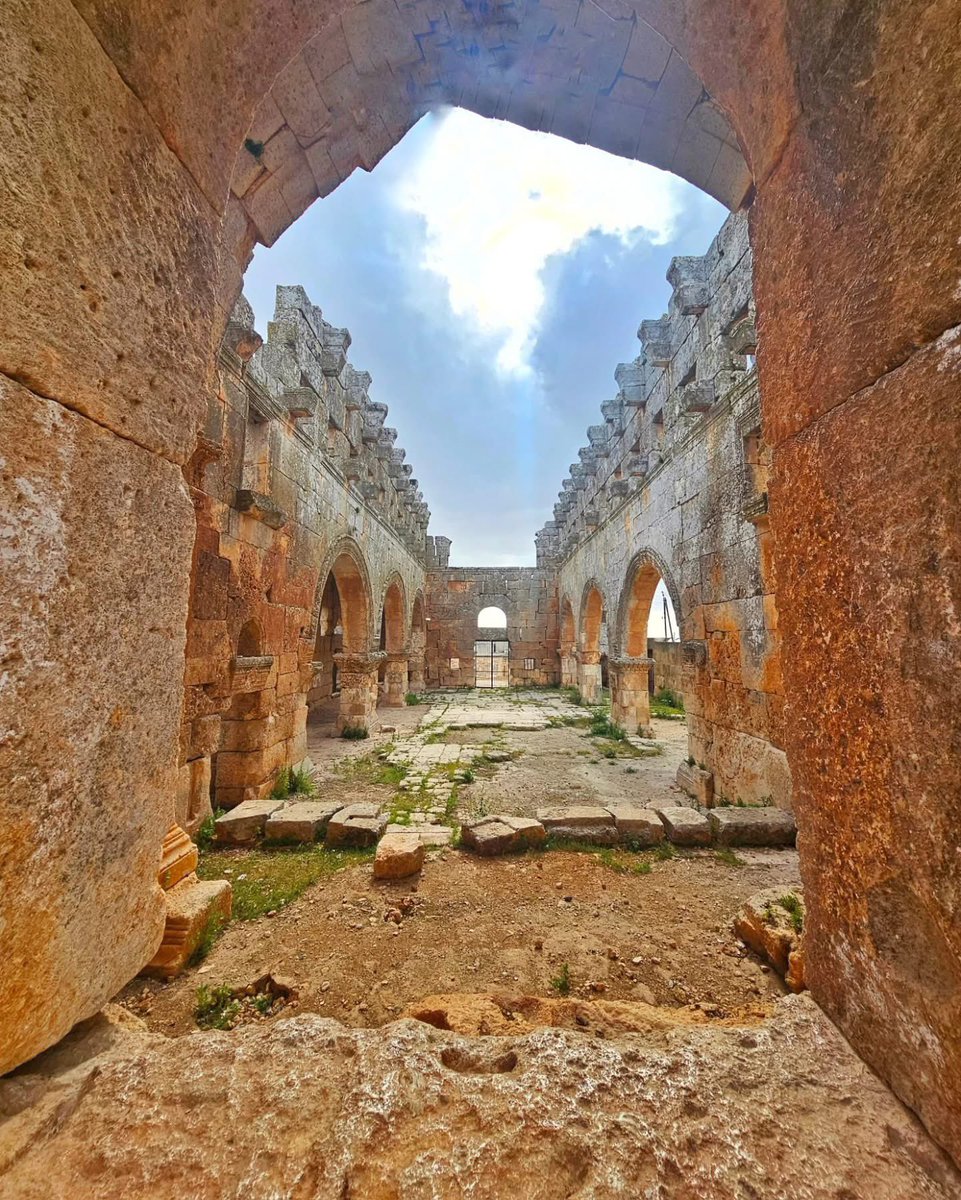
This quiet beauty is the Qalb Lozeh, Syria - 5th century. An old masterpiece of early Byzantine architecture.
Not many know, but Syria (especially northern Syria) was once the most advanced and experimental regions for early church architecture in the 4th-6th centuries.
Later, after Syria it was Armenia that became one of the leading centers of Christian architecture from roughly the 6th to 10th centuries.
A hoard of Byzantine gold coins dated to 527-641 AD that were found in a clay jar in Erdemli. These are now on display in the Mersin archaeological museum in Mersin, Turkey.
#turkey#coins#gold#monedas#oro#spqr#türkiye#numismatics
Between mountains and the deep blue sea, spring vibes start at the Anemurium Archaeological Site. 🌊
Anemurium was an important harbor city of mountainous Cilicia, active for centuries along the Eastern Mediterranean trade routes. Today, its sea-facing structures offer a blend of history and fresh coastal views.
Stand by the shore, look toward the mountains, and soak in the calm of the season. ☀️
(Anemurium Archaeological Site, Mersin)
#Türkiye #TurkishMuseums #UNESCO
Molla Gürani Mosque aka Vefa Church Mosque
It's a former Eaastern Roman church which has a cross-in-square plan. Its outer narthex has some Palaiologan era mosaics. One of them has the Virgin Mary with the Christ Child surrounded with 8 prophets mentioned in the Old Testament.
The remains of a monumental hall of a 4th-century episcopal palace have been discovered at Ostia Antica, Rome’s ancient port town.
📷Archiv Ostia-Projekt.
Reconstruction: Daniel Hinz.
https://t.co/qyoRzT3lqw
Archaeologists working at the Hisardere necropolis near Iznik in Türkiye have begun delicate conservation work on a 3rd-century AD wall painting known as the “Good Shepherd Jesus” fresco, discovered inside an underground tomb chamber.
https://t.co/oK7r6g6uJb