Why is glioma so hard to treat? There may be clues in the behaviour of native glia in keeping the brain happy: tight homeostatic control, immune regulation, and metabolic resilience.
Great that we can announce the appointment of The Brain Tumour Charity Chair of Translational Neuro-Oncology at @OfficialUoM@MCRCnews https://t.co/IwfMkJcijR
We're delighted to announce that @braintumourrsch is working in partnership with brainstrust to accelerate our PRIME. We’re excited to grow the PRIME community and see the expansion of basic science with this partnership. Read more: https://t.co/LfspFnwSCX
On #GBMAwarenessDay#GBMDay a reminder for all those working on databases, images, genomes, phenomes, slides, cells, tissues, blocks, biopsies, CSF, serum and survival stats that every datapoint or dot on a plot is a person, a human, a life…
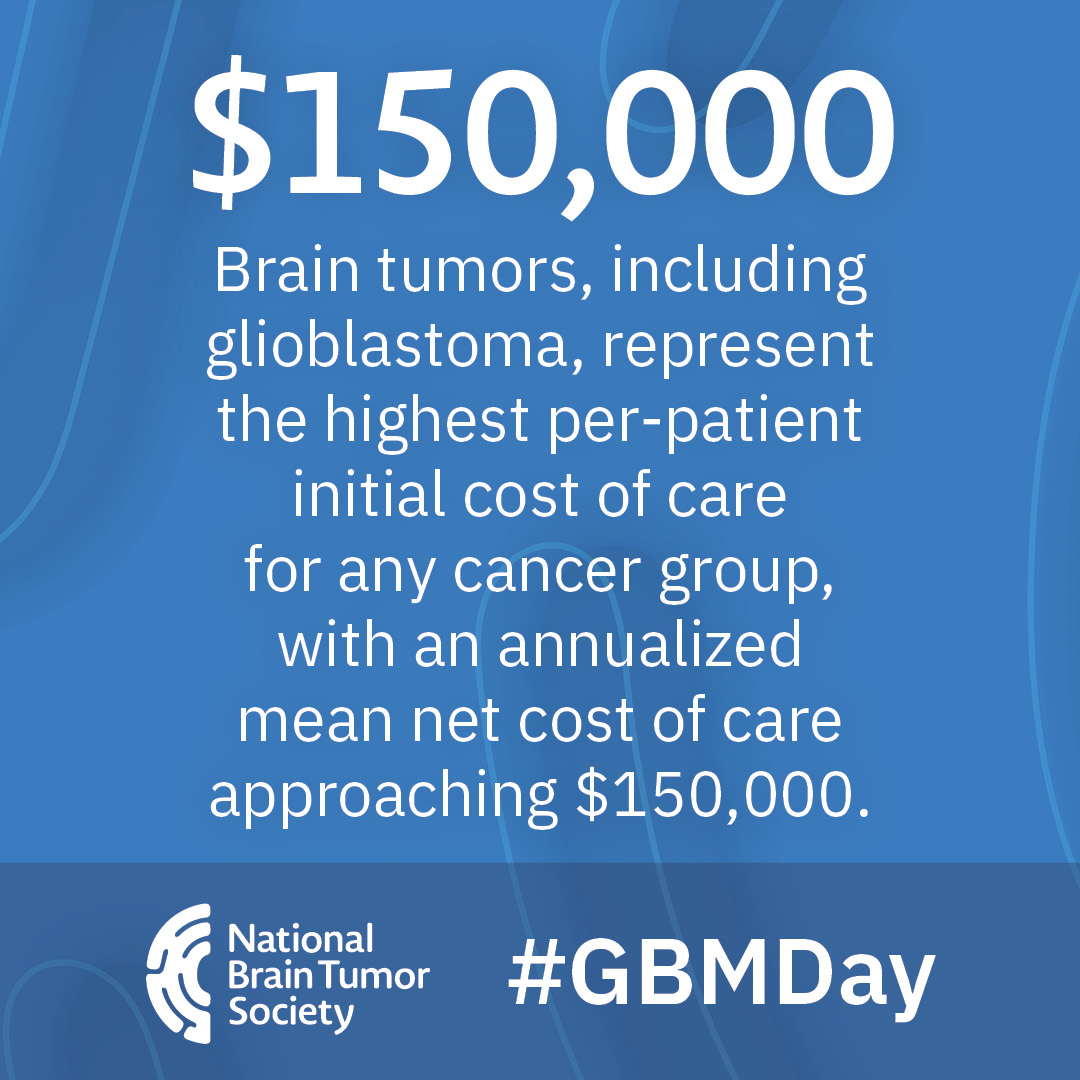
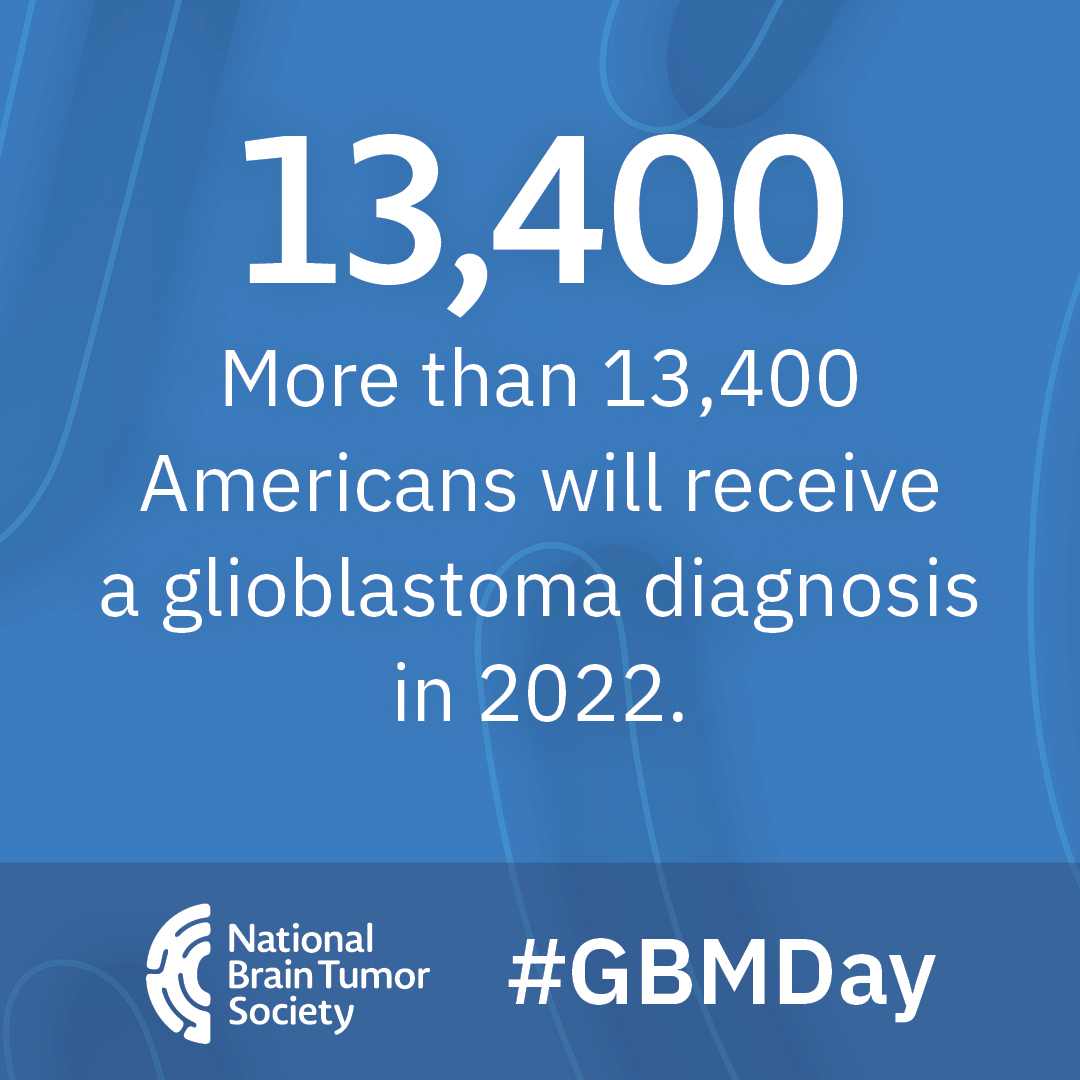
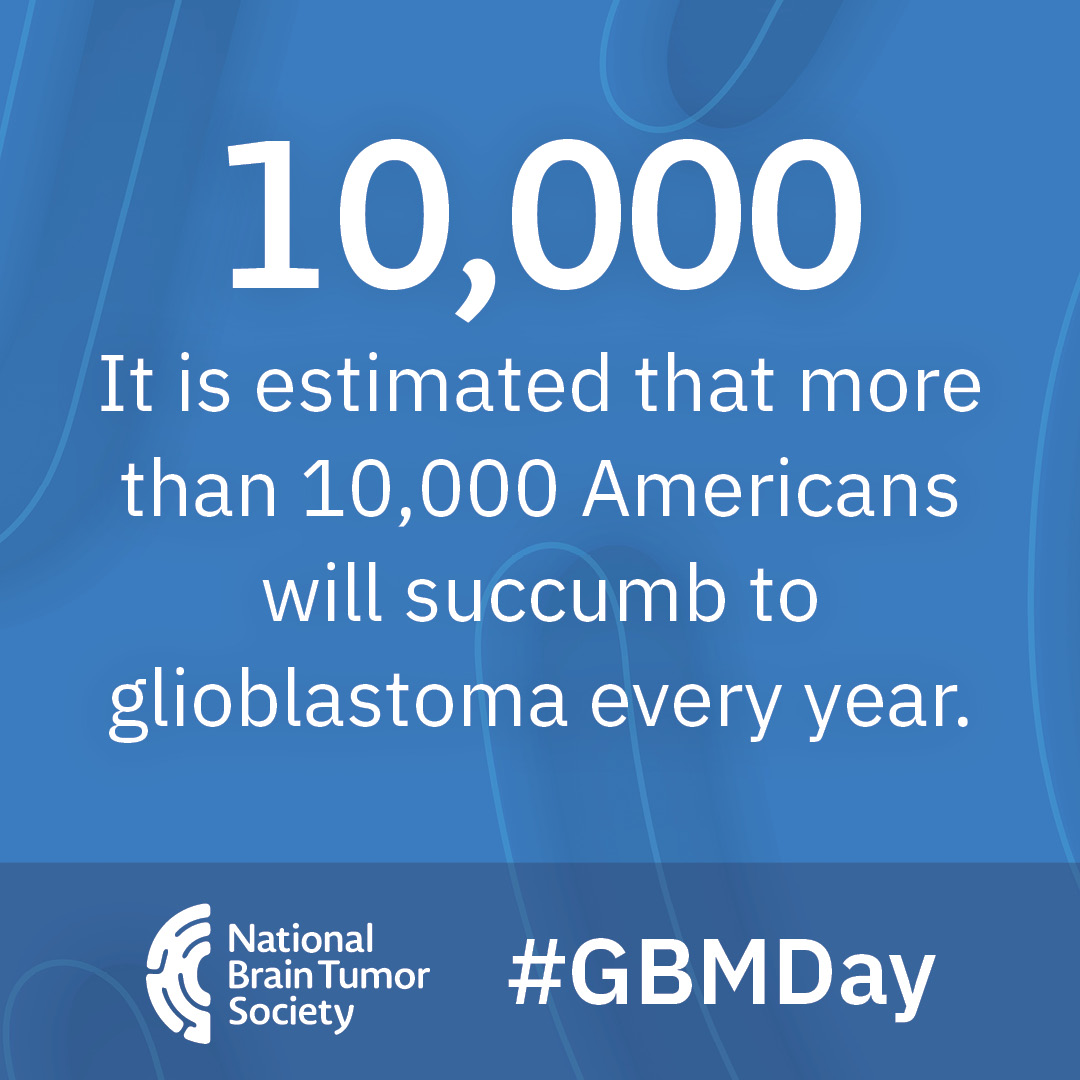
Help shine a light on #GBMDay by sharing one or more of these quick, impactful stats about glioblastoma and inspire others to take action. Your voice will help highlight the need to ensure better treatments, a better quality of life, and cures for GBM patients and caregivers.
Today is #Glioblastoma Awareness Day. Did you know that Glioblastomas are the deadliest brain tumors?
"Only 6.8% of people diagnosed with glioblastoma survived five years post diagnosis between 2001 and 2017," writes CBTRUS' @QOstrom. Check out her blog for @NAACCR for #GBMDay.
The amount of preliminary data it takes to get grants funded these days is so obnoxious that it'll be better to start calling it a reimbursement rather than a proposal.
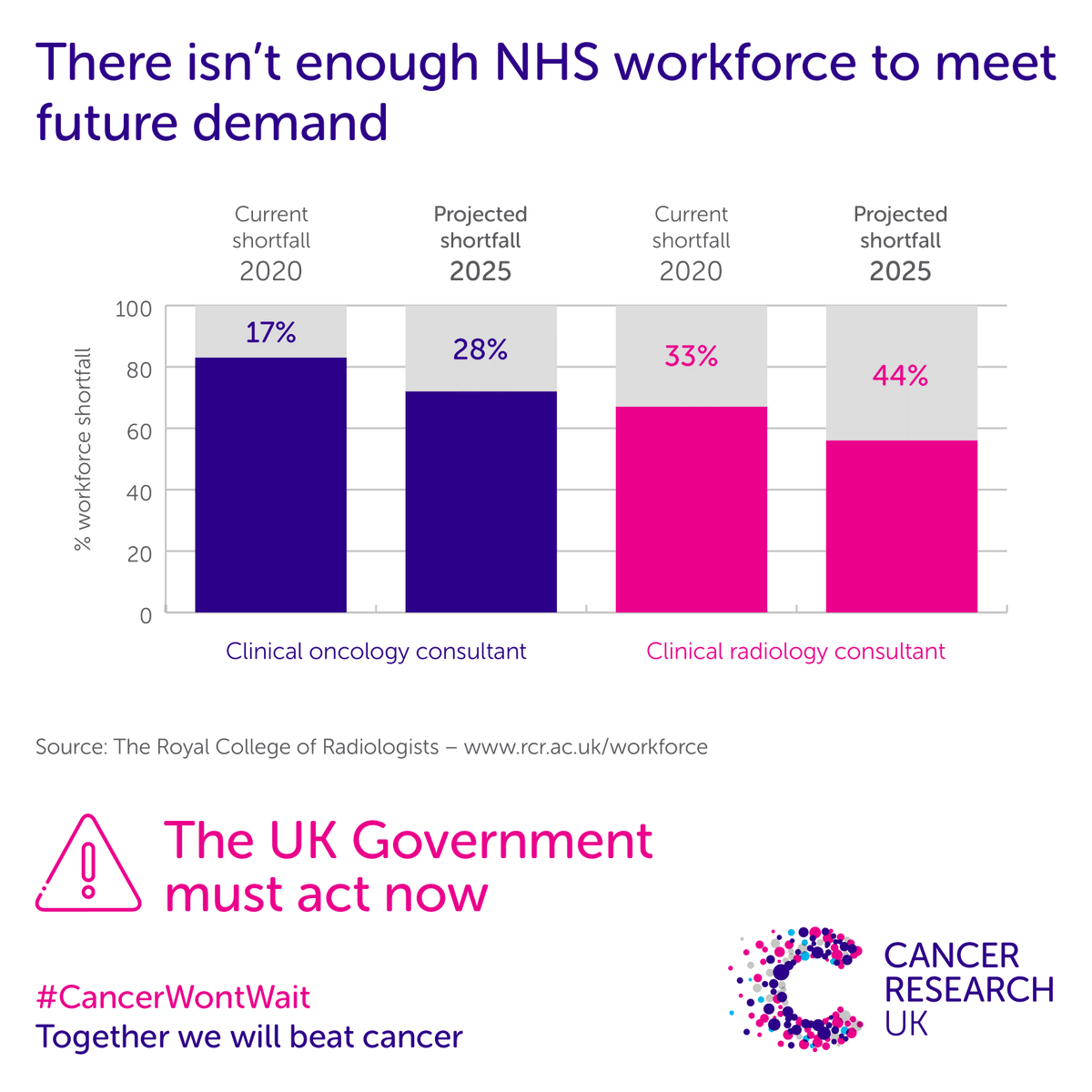
However, the benefits of this investment will only be realised if there is an expansion of the number of staff in key cancer professions.
The UK Government must invest in the NHS workforce on Wednesday to deliver world-class cancer outcomes in the UK.