MISALLOCATED INVENTORY DOES NOT SIT QUIETLY
It creates storage, searching, recounting, rehandling, delays and expedited shipping.
Then the business pays again through markdowns and lost sales.
This is what one wrong allocation actually costs on the warehouse floor.
The WMS showed 48 units in stock, but none were pick-ready before cutoff. While teams debated ownership, the order was canceled. AI earns its place by catching the risk early, triggering replenishment, and protecting fulfillment. Stock isn't available unless it can ship.
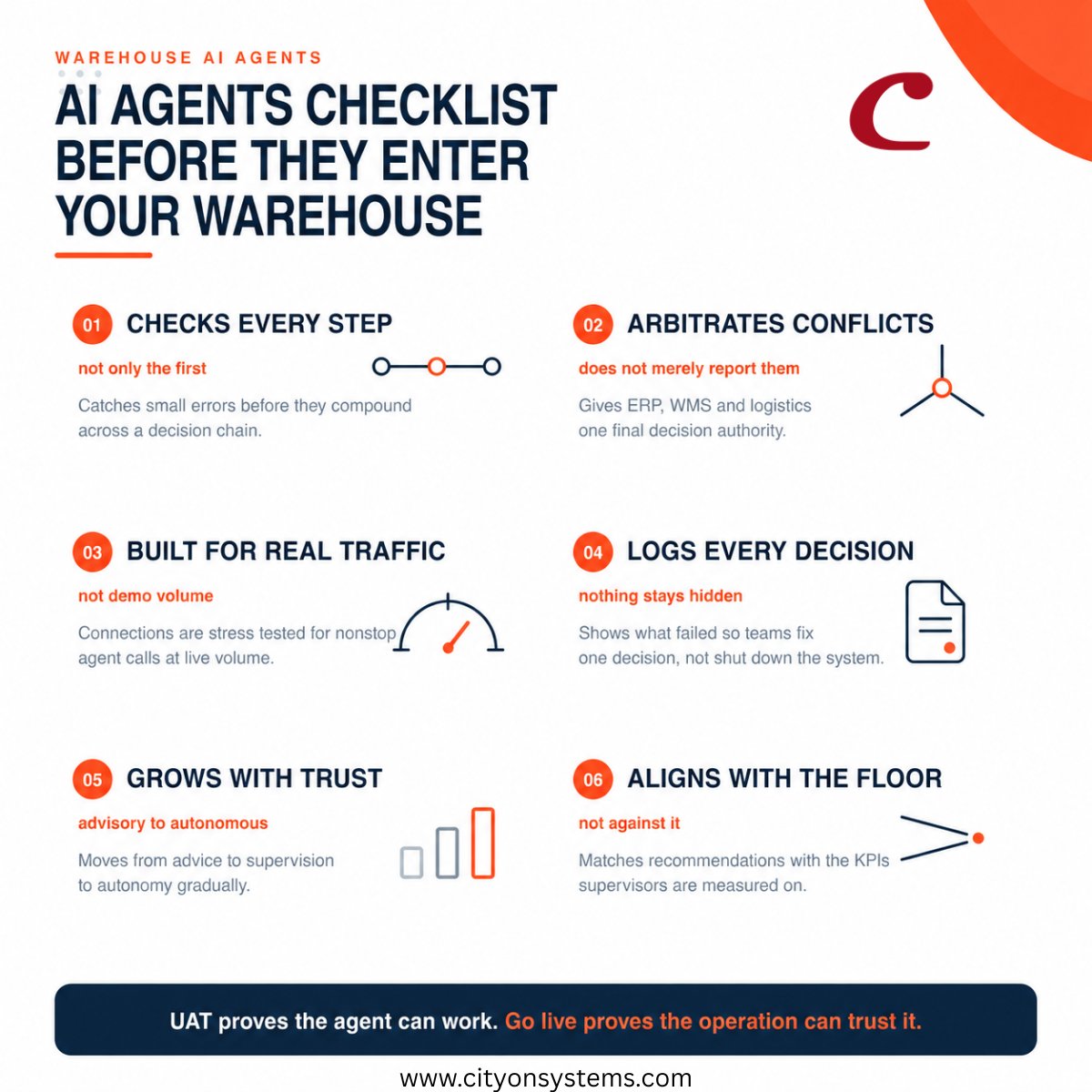
AI gives 3PLs an edge only when clients feel the impact.
Ask:
Does it improve inventory promises?
Expose risk sooner?
Speed decisions?
Protect service as volume grows?
If not, it's just technology.
Which outcome needs the most attention in your operation today?
Too much inventory in the wrong place cuts prices. Too little in the right place costs sales.
The difference isn't inventory accuracy—it's allocation. AI should identify the imbalance before the decision window closes.
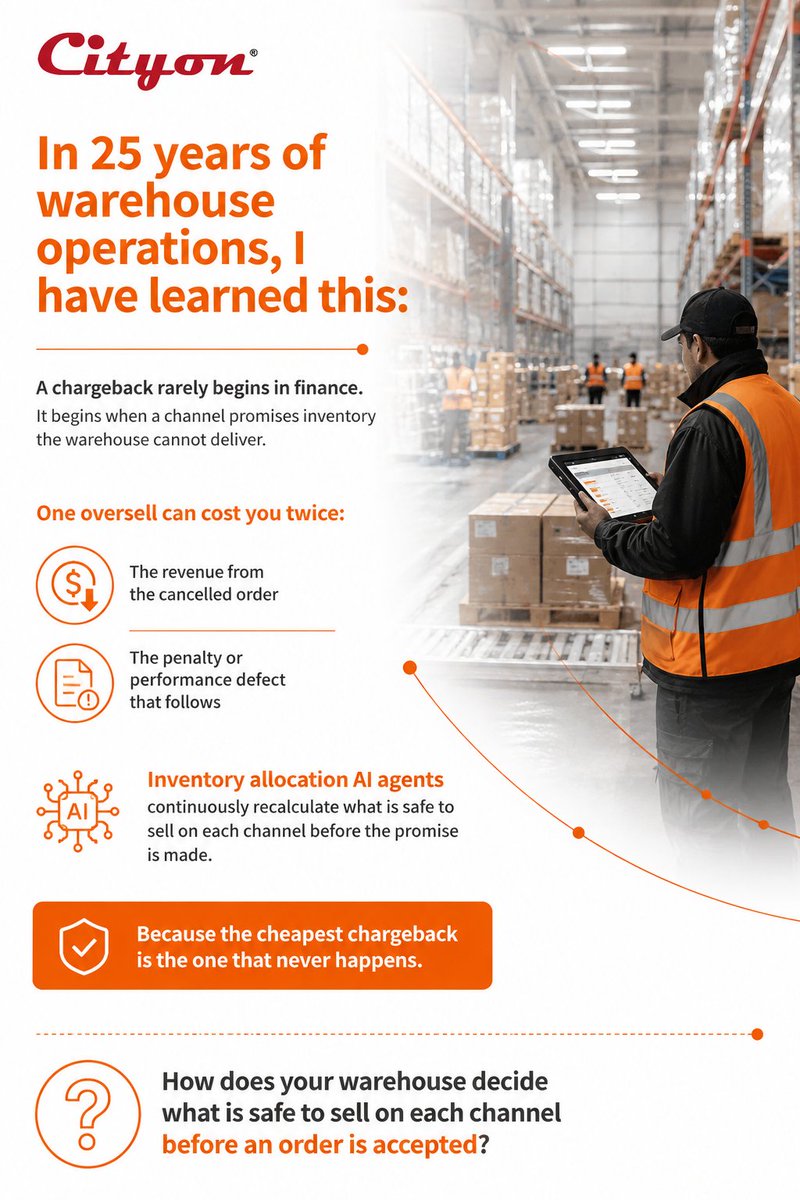
Amazon now suspends over 2000 accounts monthly, often by AI within minutes. Most 3PLs already run a WMS. The gap isn't inventory tracking. It's catching when two clients claim the same unit before an order ships.
How would your team catch a double-committed SKU before shipping?
Every AI warehouse vendor says it handles exceptions.
But which ones?
The biggest exceptions aren't damaged boxes. They're miscounts, bad scans, and wrong putaway.
Exception handling isn't a feature. It's a category.