@sylvie_andry@obenkemoun@SNCF Certes oui, il faut faire attention. Mais il peut y avoir des aléas, un choc, un système de fermeture défaillant, une distraction, etc
.. Nous sommes tous humain. Tout protocole existe pour cette raison, prevenir/palier ces accidents qui ne manqueront jamais de nous arriver.
J’ai le cœur brisé .Mon chat Gina qui s’était échappé de son sac a été décapité par un train @sncf gare de Lyon. Mon petit garçon a découvert l’horreur après le départ du train. 20 minutes seulement pour tenter de le trouver alors qu’on l’entendait miauler. 1/2
Gina est morte sous un train à Gare de Lyon, le 1er juillet. Neko, en 2023, déjà.
Un animal localisé vivant sous un train ne devrait jamais être laissé sans solution de sauvetage.
Il faut un vrai protocole de sauvetage en gare.
✍️ https://t.co/SPpKIDdXZV
#Gina#SNCF#Animaux
Emmanuel Amor (CEN Rhône-Alpes) nous en dit plus sur la réintroduction de l'Outarde canepetière dans le camp militaire de La Valbonne (Ain) ➡️ Cliquez ici pour en savoir plus : https://t.co/w5iqfqUbgN #oiseaux#birds#ornithologie#ornithology@CenRhoneAlpes@Armees_Gouv
Le ministère de la Transition écologique présente son plan national de lutte contre les plastiques en mer #PlastiquesEnMer#TransitionÉcologique https://t.co/4JCl4Q5xSJ
Espace remarquable et loi Littoral : la justice annule un permis accordé pour la construction d'un restaurant #EspaceRemarquable#LoiLittoral https://t.co/0AauDOlABs
#Institutionnel 🏛️
Découvrez l’entretien avec les directeurs de CliMoA, le premier laboratoire international de recherche (IRL) en Nouvelle-Zélande consacré à l’étude de l’agriculture face au changement climatique.
➡️https://t.co/uoUth6P8Mf
Plus de 850 Pies-grièches à poitrine rose ont été lâchées en Catalogne espagnole depuis 2009, pour un résultat (très) modeste ➡️ Cliquez sur ce lien pour en savoir plus : https://t.co/oV5skFldk8 #oiseaux#birds#ornithologie#ornithomedia#ornithology
How animals sense Earth’s magnetic field is one of biology’s enduring mysteries.
Researchers in Science have now identified superparamagnetic macrophages in the livers of rock pigeons to be crucial for magnetic sensing. The finding uncovers an unexpected role for immune cells in sensory perception and may fundamentally change our understanding of animal navigation.
Learn more in this week's issue: https://t.co/JS9qBFZHcP
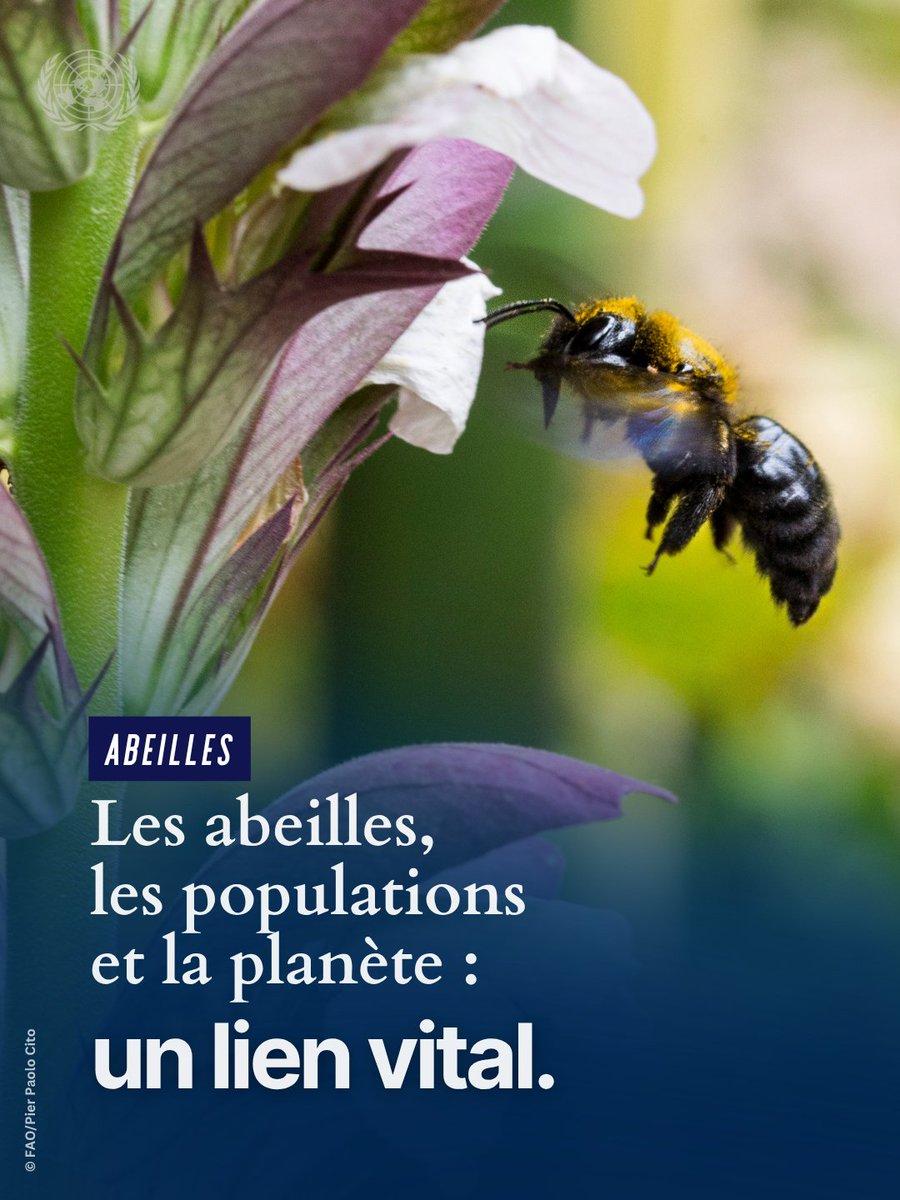
Sans abeilles, pas de fruits, pas de légumes, pas de biodiversité.
Les pollinisateurs sont essentiels à notre survie, et ils sont menacés.
Planter indigène, acheter local, éviter les pesticides : agissons pour les abeilles et pour notre avenir.
#Journéemondialedesabeilles
L’Ara chloroptère a niché à nouveau dans la forêt atlantique brésilienne en 2026, soit près de 200 ans après sa disparition ➡️ Cliquez sur ce lien pour en savoir plus : https://t.co/aThXZu3TlS #oiseaux#birds#ornithologie#ornithomedia#ornithology@ibamagov
10 days to go until #BiodiversityDay 2026!🌿
A global moment to celebrate biodiversity and the actions helping protect life on Earth 🌍
Be part of the celebration for nature 💚
🔗https://t.co/dWGvr79rg6
#LocalAction#ForNature#UNBiodiversity#IDB2026
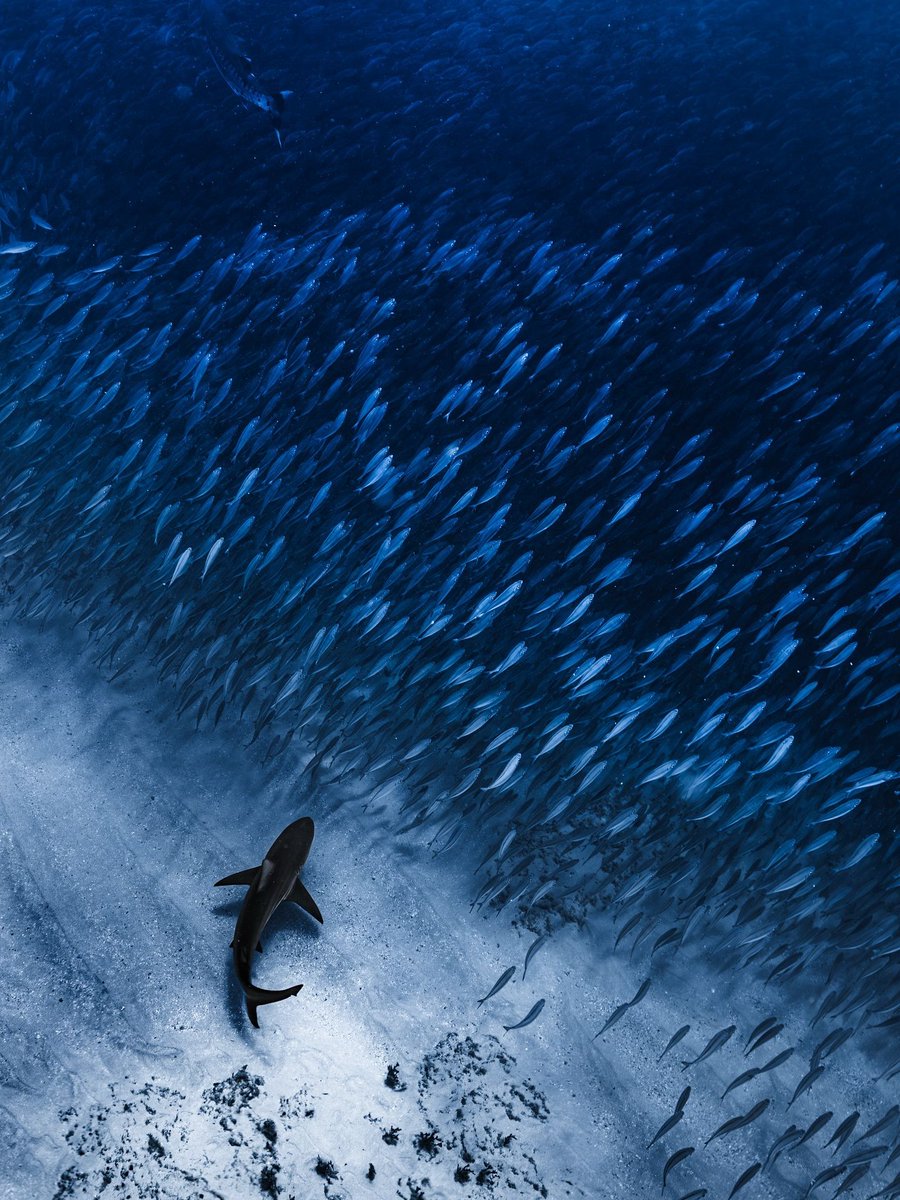
Ever watched a bait ball unfold? It is one of the ocean’s most mesmerizing survival strategies. 🐟
When threatened, often by predators like an oceanic blacktip shark, small schooling fish cluster into a dense, swirling sphere. This formation makes it harder for predators to single out a target and boosts the group’s chances of survival.
Sharks like blacktips might look fierce, but they are essential to ocean health. By keeping fish populations in check, they help maintain balance across marine ecosystems.
Scenes like this are a powerful reminder of how connected ocean life really is.
Images by @emma_carlton_
Plastic-Eating Fungi and Bacteria have been found by Scientists in the coastal salt marshes of Jiangsu, China.
They identifies 184 strains of fungi and 55 strains of bacteria that can degrade a type of polyester…
A solution to #pollution ?
Learn more: https://t.co/VuGkBFmBEV
In 2013, estimates suggested there were tens of millions of tonnes of plastic pollution in the world’s oceans. If current trends continue, some projections suggest that by 2050 plastic could outweigh fish in the oceans by mass
This video was filmed in the Dominican Republic in July 2018.