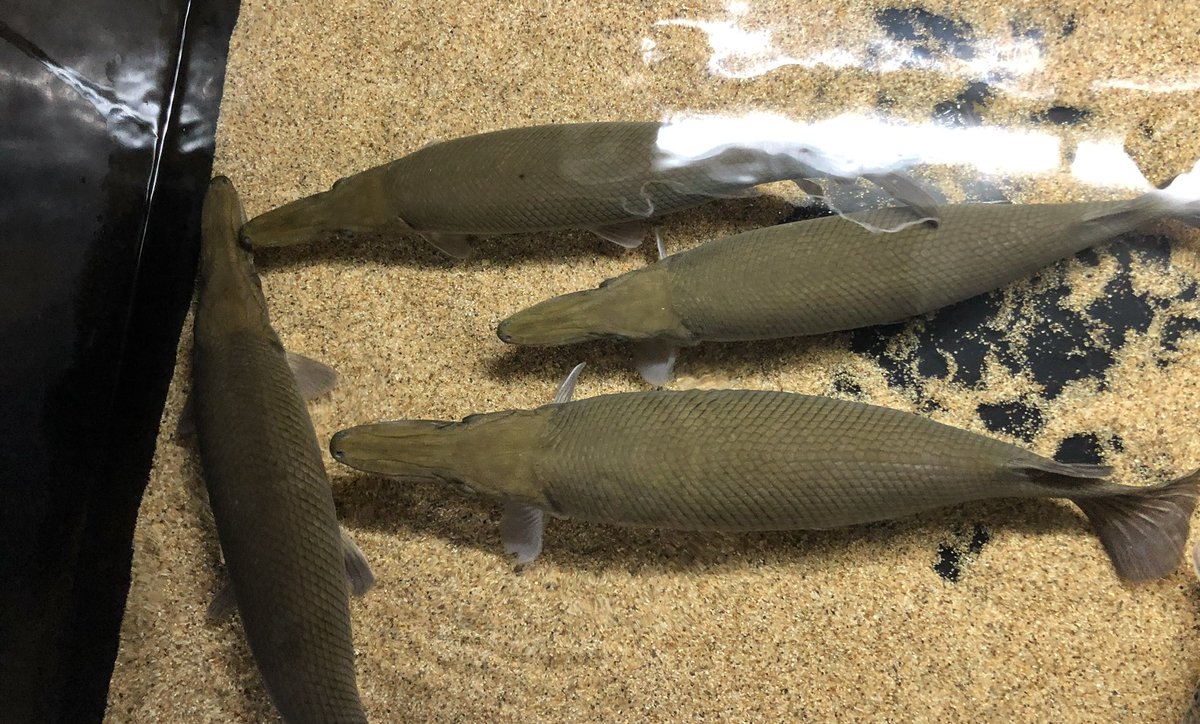
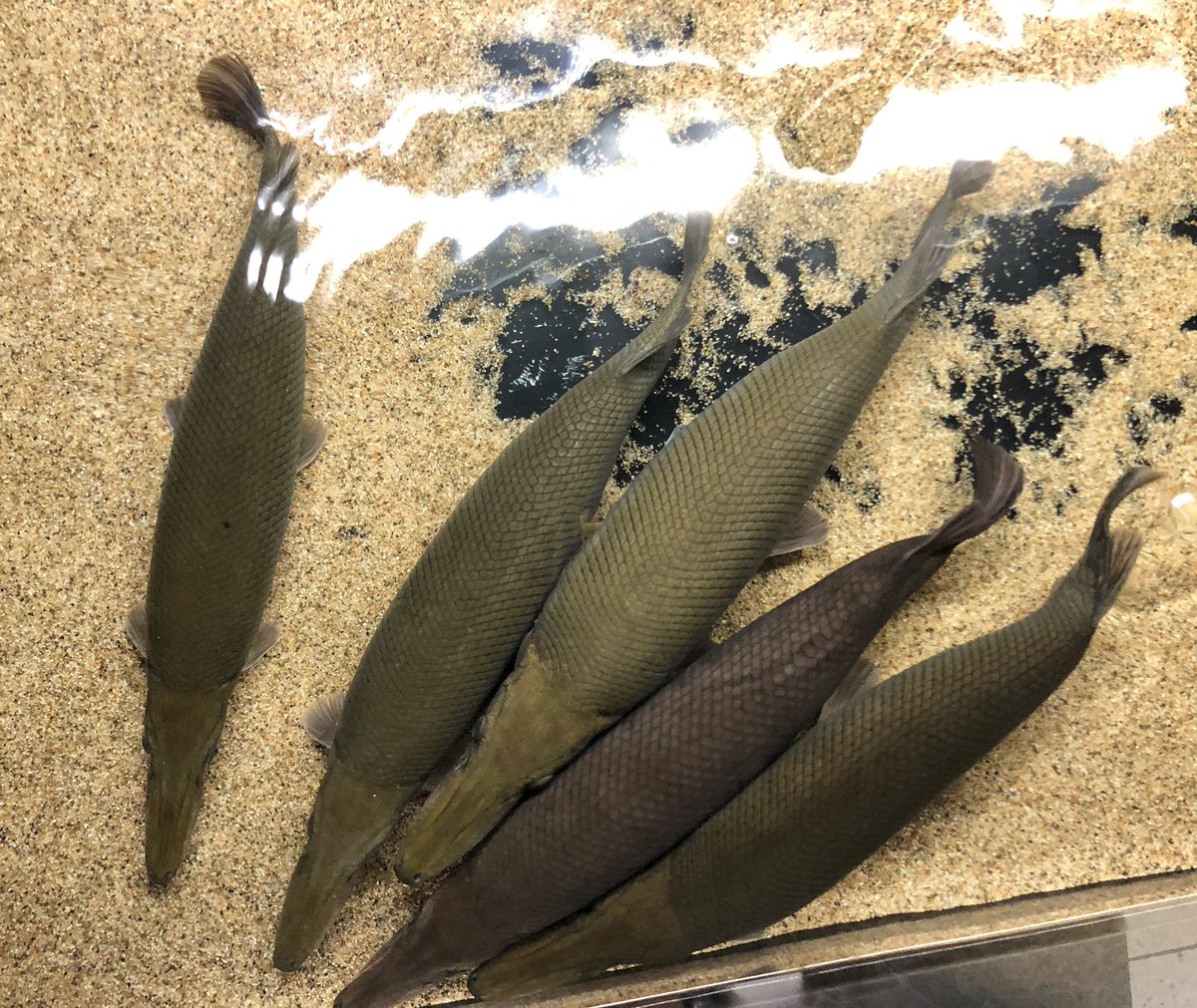
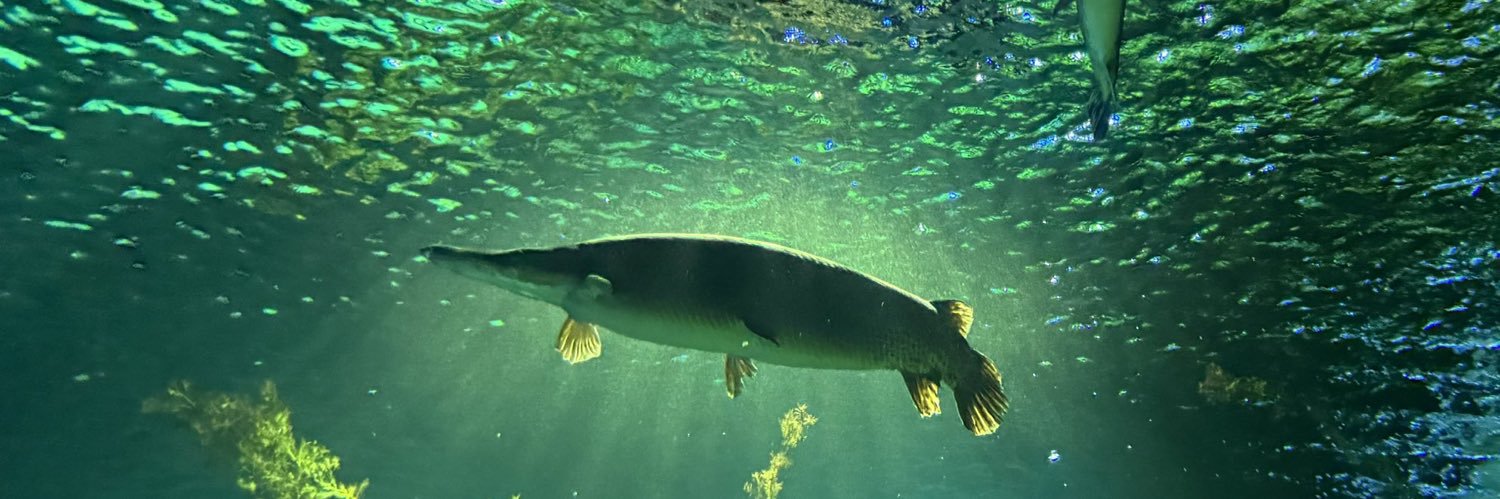
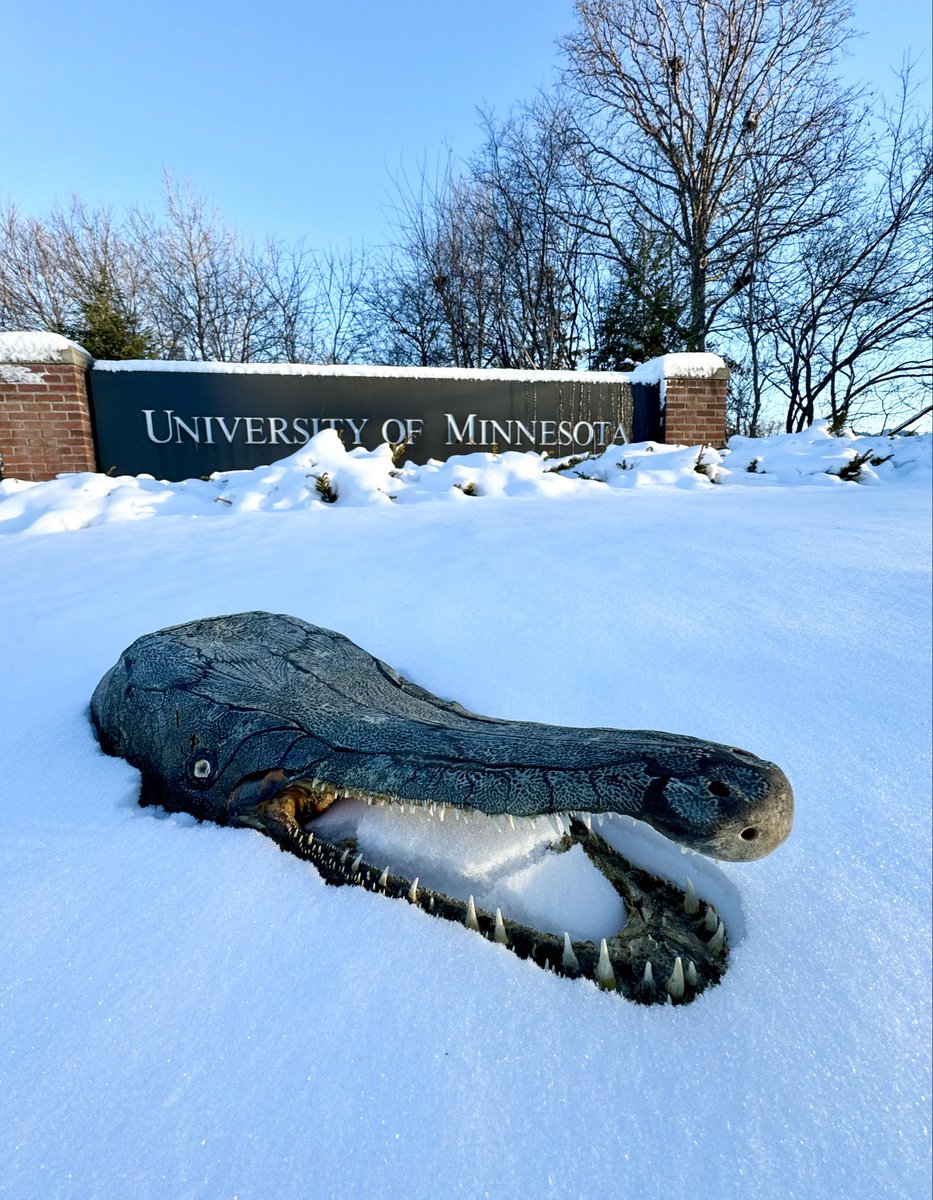
Native rough fish research enlists Minnesota anglers https://t.co/6XyVkRGzsr
St. Paul — Researchers are harnessing the help of Minnesota anglers to gather data on native rough fish populations while educating the public about these species. @TheGarLab
Crayfish (also 'crawfish', 'crawdads', 'crawdiddies' and more) - Possibly the most important animals you've never thought much about?
New Tangled Nature Deep Dive, with Dr. Jim Stoeckel👇
https://t.co/5sDv4ln5s6
And that’s a wrap on 2025 @TheGarLab!
GARgantuan thanks to our students, collaborators, and friends for their ongoing work and support of our freshwater conservation efforts!
BIGGEST Longnose Gar for @TheGarLab team!
At 60.5 inches (154 cm), it’s a true giant for the species.
Caught-tagged-released, it will help us learn more about river-floodplain connectivity👍
I’m aiming the fish toward our collaborators’ sonar, so we can track/measure it!
Smile!
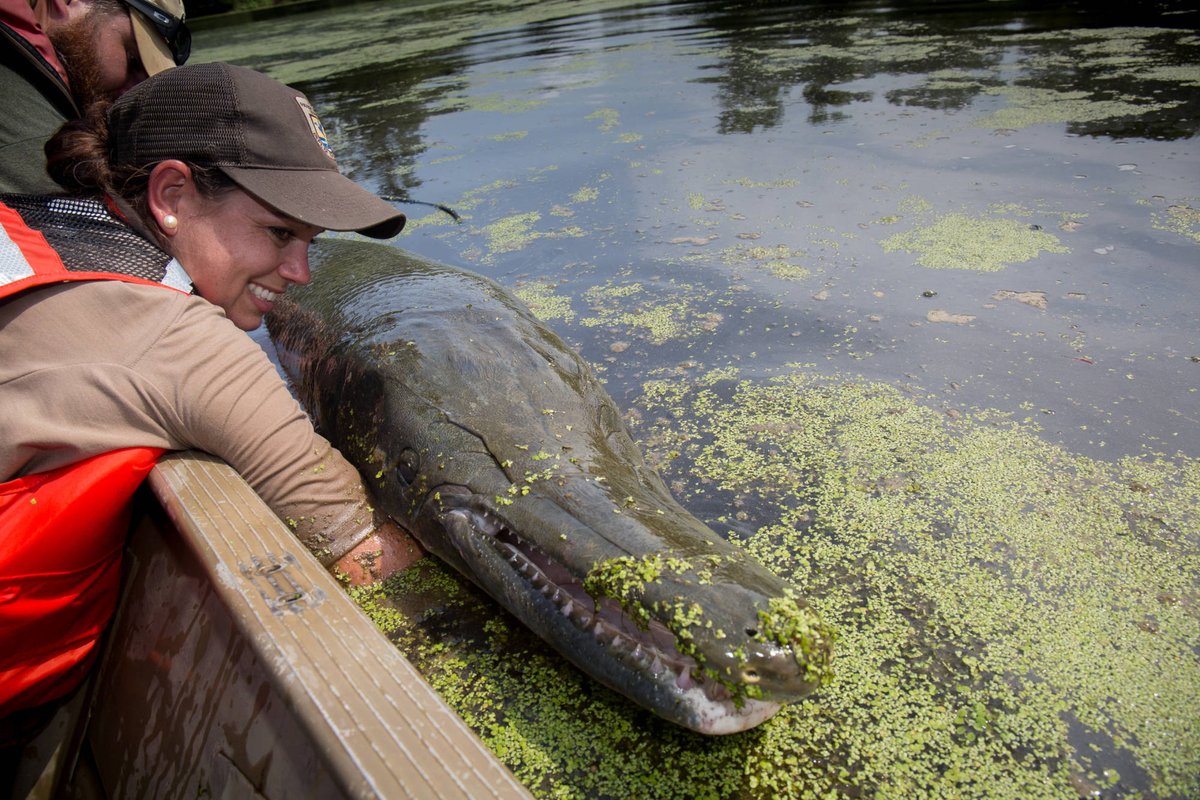
The alligator gar is among the largest freshwater fish in North America. They may grow up to 10 feet and weigh more than 300lbs. These fish are found in the southeast in freshwater lakes and brackish marshes, estuaries and bays along the Gulf coast.
📸Ryan Hagerty/USFWS
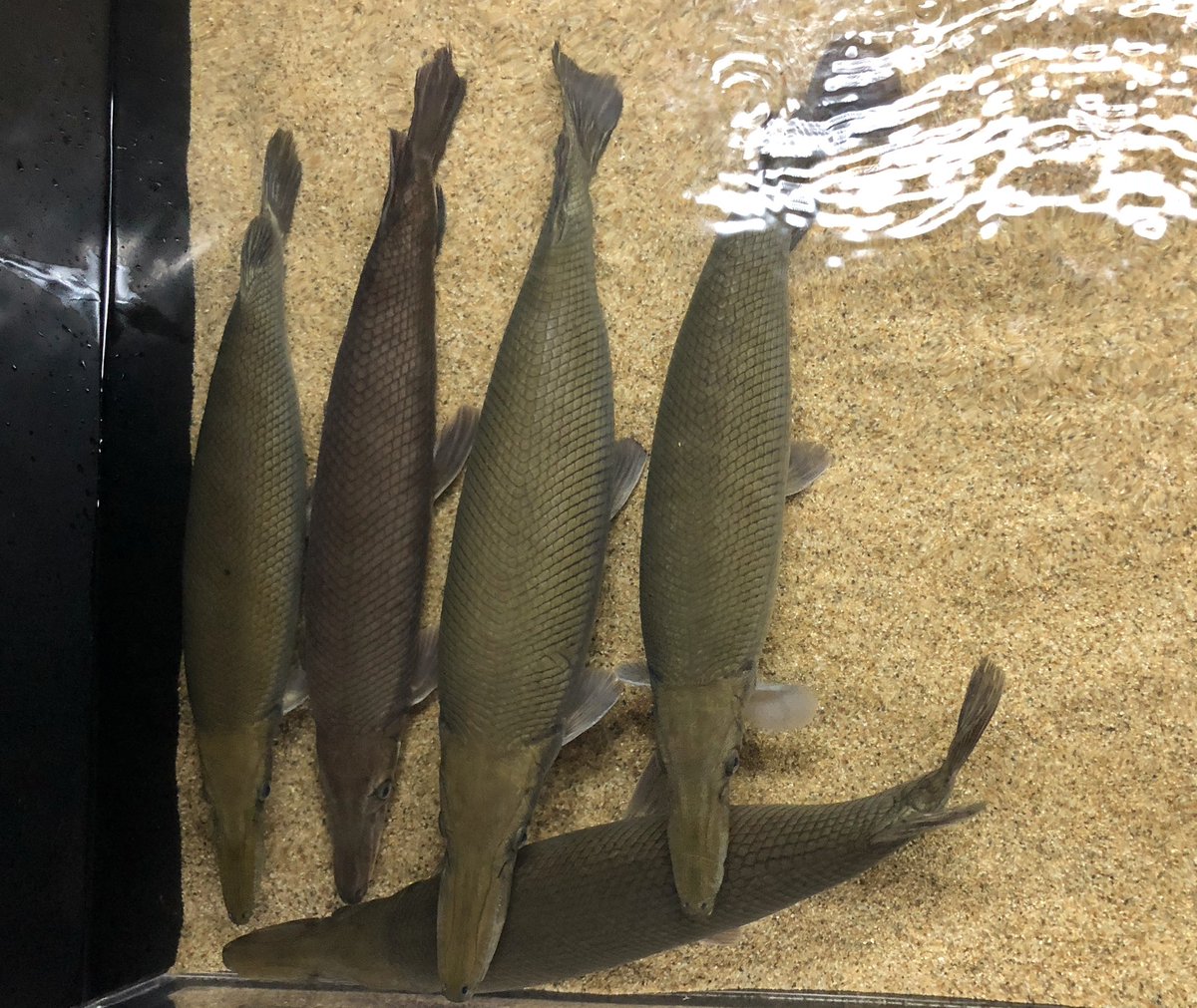
Throwback to 2020, when I kept my Cubans and Tropical together on light colored sand. I kind of miss this. I love viewing them from the top whenever I do waterchange. 😊
Spotted Gars think they’re salmon swimming upstream😂
Most gars do in fact migrate to spawn, typically from rivers & lakes to adjacent floodplains.
Some gars, however, swim upstream to spawn. Unlike salmon, gars don’t die after spawning, and often return annually.
🎥 D.McDonald