@SakyiDaniel@HeriotWattUni@Oxford_CSAE Surveying exporters, they find that 2/3 of exporting firms have a positive WTP for improved port efficiency – specifically, reduced handling times and risks of spoilage from handling. Exporters of fruits and vegetables in particular are most interested in increasing efficiency.
To wrap up the session, @SakyiDaniel presents joint work with Lukas Kornher and Linus Linnaeus Tanner (@HeriotWattUni) quantifying the administrative costs of exporting fruits, vegetables and fish from Ghana and the WTP for improvements in port quality.
#OxCSAE2024@Oxford_CSAE
@SakyiDaniel@HeriotWattUni@Oxford_CSAE They develop a model to describe demand for port service quality by exporters. Crucially, an increase in port service quality (e.g. testing and certification of products) increases firm costs, but also reduces the likelihood of a firm’s goods being rejected at the border.
How does geopolitical ‘distance’ affect bilateral trade? Ismaël Ouedraogo (CERDI, @UCAuvergne) presents joint work with Ibrahim Nana (@IFC_org) that applies a gravity model to answer this question.
#OxCSAE2024@Oxford_CSAE
@UCAuvergne@IFC_org@Oxford_CSAE By comparing trade between countries with different levels of geopolitical distance, they find that countries that are more geopolitically similar have greater bilateral trade. Geopolitical distance exacerbates the effects of physical distance.
@wb_research @DevakiGhose@Oxford_CSAE Their spatial model of agricultural production and trade suggests that the loss of fertilizer access represents a 4.5% reduction in income.
Next, Ana Fernandes (@wb_research) presents joint work with @DevakiGhose and Eduardo Fraga on the impact of import bans on crucial intermediary inputs for agricultural production.
#OxCSAE2024@Oxford_CSAE
@wb_research @DevakiGhose@Oxford_CSAE They find that the policy was effective in reducing imports of chemical fertilizers, but resulted in a dramatic decline in yields of rice that relied on this input. Exports of fertilizer intensive products fell by 33% - resulting in an overall deterioration in the trade balance.
@Oxford_CSAE @mxhupp Firms react by reducing complementary inputs to productive labour – including rental equipment, space, and non-productive personnel. This in turn exacerbates the impact of the shock.
First up in #OxCSAE2024@Oxford_CSAE Trade session this afternoon, @mxhupp examines how non-agricultural firms react to extreme weather events in low-income countries.
@Oxford_CSAE @mxhupp By comparing exporting vs non-exporting firms, he finds that these shocks mainly affect these firms through lower labour productivity (rather than reduced demand).
Surprisingly, being told about other compliant taxpayers lowers a taxpayer’s likelihood to pay their rates. Receiving lists of compliers actually shifts overly optimistic beliefs about general levels of compliance downward.
Check out @tannerwdregan and my new working paper on public disclosure and tax compliance in Kampala! We look at whether publishing “fame” or “shame” lists affect tax behaviour
By contrast, being promised recognition in exchange for paying taxes actually lowers tax payments – taxpayers appear to be more interested in keeping their ownership and/or payment status private than in public recognition
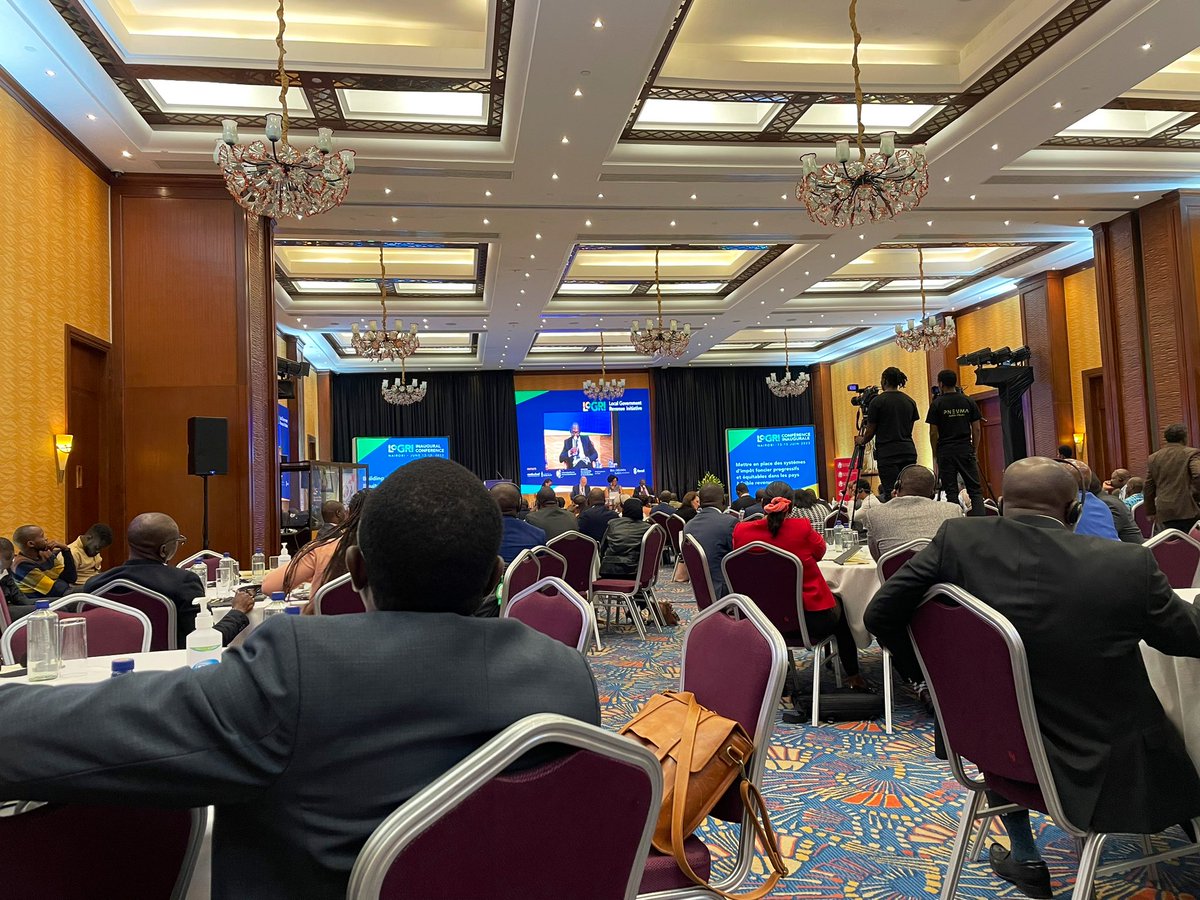
We don’t want to be spending all the money collected from property taxes on valuation! Simplified property valuation can be extremely cost effective - Director Nowere from @KCCAUG discussing key lessons from Kampala’s revenue collection experience @LoGRITax inaugural conference
Comparing discretionary and rule-based property valuation with certified real estate assessments, they find that more discretion leads to a) underestimation of the tax base b) a more regressive tax system
Wrapping up the #OxCSAE2023@Oxford_CSAE Political Economy 7 session, @VictorPouliquen discusses findings on the role of bureaucrat discretion on property tax valuation in Senegal