who else but the queen 🎿👑
which club is eileen gu riding with this season? tune into the @moonpay x games league winter draft to find out.
📺 stream live at 7pm PT Wednesday, Sept 16 on ESPN+, Roku, Kick & YouTube
Mikey February’s winning heat at J-Bay and kept noticing how little he fights the board. At the 2019 Corona Highline, all four surfers rode identical 5'11 CI twin-fins with keel fins. I love that clean comparison.
Mikey stays quiet, sets the rail and lets the board build speed along the fast wall. I’m amazed by how little looks forced. A thruster would add stability for harder, more vertical turns. The twin asks for a smoother line but rewards it with drive.
I think Mikey follows the board’s natural line instead of trying to overpower it, and that is why the ride flows. Twin or thruster for J-Bay?
Nick McNutt had already finished the big line. The hard part of the day was supposed to be over.
Above a frozen lake near Pemberton, British Columbia, the crew had regrouped after a successful morning. McNutt spotted a short stack of powder pillows above the lake and climbed back up for one more sequence. The first run was clean. On the second, he landed, turned and kept moving toward the exit.
Behind him, a large chunk of snow broke from one of the pillows. He could not see it because it dropped through a blind rollover into the same gully he was about to use. By the time McNutt reached the exit, the debris was already funnelling into him. It hit hard, drove him through trees and buried him on the lake under more than a metre of packed snow.
This is the part that matters to skiers. A line can look playful at the top and still become serious where the terrain narrows. Gullies collect whatever is moving above them. A blind rollover can hide that movement completely. McNutt was not simply fighting for balance. He was skiing into an exit that had changed before he could see it.
His partners arrived almost immediately and switched their avalanche beacons to search. Nothing. McNutt’s beacon had been checked in transmit mode that morning, but after the crash it was no longer sending a signal. Christina Lustenberger called for a probe line, a slow, methodical search across the debris.
Then cinematographer Ben Dann pushed a probe into the snow near the lake. One strike felt different. Ian McIntosh checked it. They had found him. The team started shovelling through hard, chunky snow. They reached McNutt’s back, then his airway. He had been buried for a little over five minutes.
He came out with a badly broken arm, chest injuries and blood in his mouth. The crew wrapped him in spare jackets and kept him warm until a rescue helicopter arrived. He later needed reconstructive surgery on the arm.
I researched and assembled this footage because the crash itself is only half the story. The other half is six people losing the rescue tool they expected to rely on, then falling back on training, probes, shovels and a single lucky strike.
Months later, after the longest stretch off skis since he was a little kid, McNutt went back into the backcountry with McIntosh. Under his coat was a different beacon.


![5050_TWENY_JPN's tweet photo. @we_fiftyfifty [💌]#HANA #하나
🍀←🌿📚🌱☘️
HANA and HARAM are TWENY's four-leaf clover, too.
We hope you never have to look too far for luck—just come a little closer, slowly.
#HAPPY_HANA_DAY
#FIFTYFIFTY #피프티피프티 https://t.co/IEcilF35Ly](https://pbs.twimg.com/media/HRbL9K6bQAAYxts.jpg)


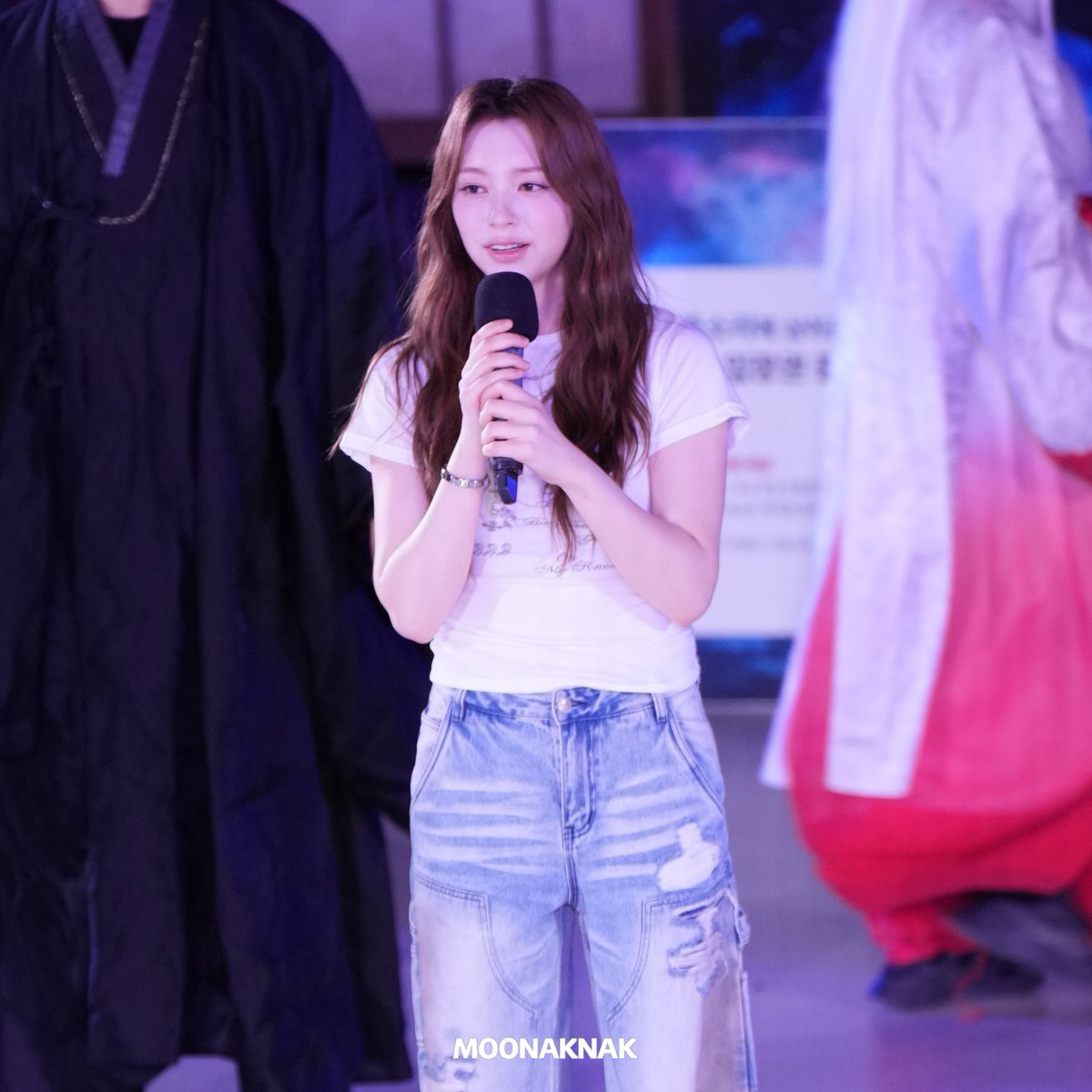


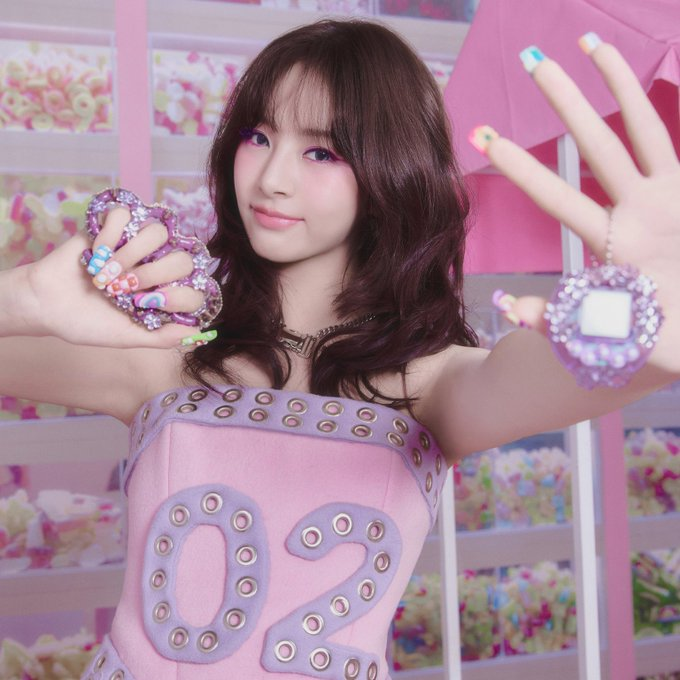


![thekpop2Of's tweet photo. [💘] 사랑하는 #하나 의 생일을 축하합니다!🎂
HAPPY BIRTHDAY TO #HANA 💚☘️
#FITFTYFIFTY #피프티피프티
#HAPPY_HANA_DAY @we_fiftyfifty https://t.co/dllzStPeDo](https://pbs.twimg.com/media/HRYZsSIa8AA12qQ.jpg)