Advancing cellular health by supporting practitioners through lipid science.
Membranes, signaling, and the biology that drives brain & metabolic function.
🧠 Naturopathic Doctors, this is YOUR event!
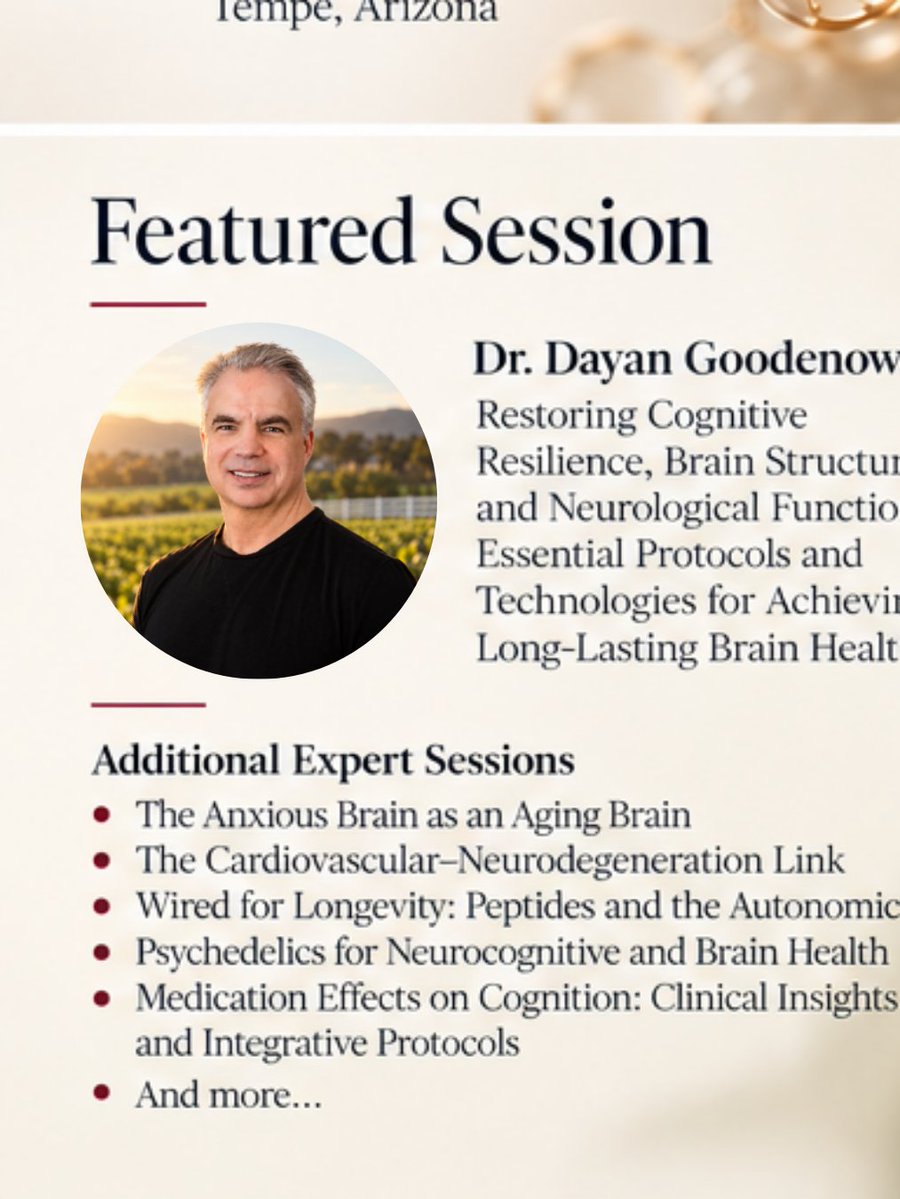
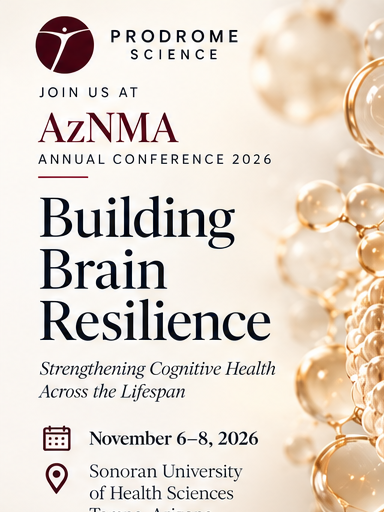
Prodrome Science is exhibiting at the 2026 AzNMA Annual Conference: Building Brain Resilience! Founder Dr. Dayan Goodenowe, PhD, will present on cognitive resilience and brain health.
✨ All attendees receive a complimentary PlasmalogenScan, sponsored by Prodrome Science!
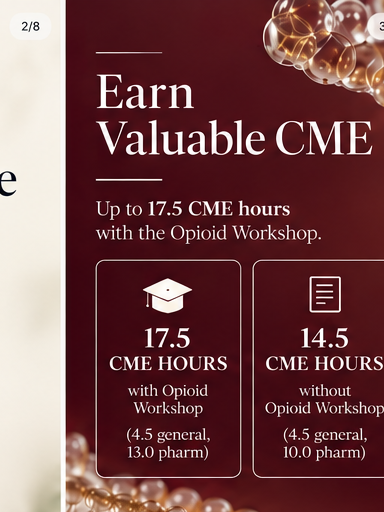
📅 Nov 6–8 | 📍 Tempe, AZ 🎓 Up to 17.5 CME hours
👉 Register: https://t.co/YidJzqJyOo
#BrainHealth #NaturopathicMedicine
Hiring Tony Robbins today costs 1 million dollars for just one day.
This is a 21-minute tape recorded in his own home more than 30 years ago.
There, he explains exactly how to get anyone to say yes.
The same material for which they now charge a fortune... completely free.
It's a rare, unfiltered recording from the time when he still didn't charge millionaires just for being in the same room.
When someone says no, they give two excuses:
“I don’t have time” or “I don’t have money”
Neither is true.
The real reason is that they still don’t believe it’s worth it.
It’s not a money problem. It’s a state problem.
Tony teaches something he calls “attack and confess”
Instead of arguing the objection, you confess your own:
“I had the chance to go six months ago and I didn’t until two months ago.
I can’t even imagine the time I wasted”
The room goes silent. No one argues.
Then he gets the person on the “yes train”
Each little yes adds to the next.
Until saying no at the end feels harder than saying yes.
When it’s time to sign, the person has already said yes five times without realizing it.
Just 21 minutes.
There you learn the two only moves that people pay 1 million a day for:
how to read anyone’s state… and how to shift it.
Most people spend years guessing in sales.
He wrote it on a flipchart in his living room in less than half an hour.
A seat in that room cost $125 dollars.
Today it costs $1 million dollars a day to sit in front of him.
The tape is free right now.
And the answer is in this video.
We don't know yet.
And that's precisely what makes this field so interesting.
The evidence does not establish that depression universally originates in the gut.
But it does suggest that the gut microbiome may be an important biological player in at least some cases of depression—and researchers are beginning to investigate mechanisms involving:
Microbial metabolites
Short-chain fatty acids
Tryptophan metabolism
Immune signaling • Inflammation
Intestinal barrier function
Bile-acid metabolism
Neurotransmitter signaling
The vagus nerve
The microbiome–brain–immune connection
The bigger question may no longer be:
“Is depression in the brain or the gut?”
It may be closer to:
“How much does the health of one influence the other?”
At Prodrome Science, this is exactly the kind of science we believe deserves more attention: looking at human biology as an interconnected system rather than isolated organs.
The brain doesn't exist on its own, and neither does the gut.
And the science of the gut–brain axis is only getting more interesting to follow. We certainly will be...
Could Depression Begin in the Gut? What the Science Is Revealing About the Gut–Brain Connection.
What if we’ve been looking at depression from the wrong direction?
For years, the brain has been the primary focus when discussing depression.
But a growing body of research is forcing scientists to look somewhere else, too:
The gut.
The gut and brain are in constant communication through what researchers call the microbiota–gut–brain axis—a complex network involving the nervous system, immune system, microbial metabolites, hormones, and intestinal barrier.
And the evidence is getting harder to ignore.
The microbiome looks different in people with depression.
A 2020 systematic review and meta-analysis examined 16 studies involving more than 1,000 participants and found differences in specific gut microbial populations in people with major depressive disorder. The review also found that probiotic interventions were associated with improvements in depressive symptoms, although the researchers emphasized limitations and the need for additional studies.
But correlation isn't enough. What about causality? Read More.
In 2026, a randomized, double-blind, placebo-controlled clinical trial investigated fecal microbiota transplantation (FMT) as an adjunct to escitalopram in people with major depressive disorder.
The researchers reported greater reductions in depression scores in the FMT group at weeks 2 and 8.
Interestingly, however, remission rates at week 8 were not significantly different between the groups.
The study also identified changes in microbial composition, bile-acid metabolism, and inflammatory pathways—providing another piece of evidence for how changes in the gut might communicate with biological systems involved in mood.
So… does depression actually “start” in the gut?
Researchers have started using Mendelian randomization, a genetic approach that can provide evidence about potential causal relationships.
A 2022 study found genetic evidence for associations between certain gut bacterial groups—including Bifidobacterium—and major depressive disorder. The authors concluded that further research was needed before translating the findings into clinical practice.
A separate 2024 study went further, identifying multiple gut microbial taxa with potential protective or risk-associated relationships with depression—and also finding evidence that depression itself may influence the abundance of certain bacterial groups.
In other words, the relationship may be going both ways:
Gut ↔ Brain. (Not just Gut --> brain)
And now researchers are testing the gut directly.
Your mitochondria have membranes. And those membranes contain plasmalogens.
Mitochondria are often called the “powerhouses” of the cell because they produce ATP, the energy currency that keeps cells functioning.
But mitochondrial energy production depends on something we don't talk about nearly enough: membrane structure.
Mitochondria have two membranes, and the inner mitochondrial membrane is especially important. It contains the machinery responsible for oxidative phosphorylation and ATP production, and it is folded into structures called cristae.
Those membranes contain a unique mix of lipids, including plasmalogens.
Why does that matter?
Plasmalogens are specialized phospholipids with a unique vinyl ether bond. They are thought to play important roles in membrane structure and may help protect membranes from oxidative damage.
And because mitochondria are constantly involved in energy production and electron transfer, they are also exposed to oxidative stress.
So the relationship is fascinating:
Healthy membrane composition → healthy mitochondrial structure → efficient cellular energy production.
This is one reason mitochondrial health isn't simply about “making more ATP.” The structure and composition of the membranes where energy production happens matter too.
The science around plasmalogens and mitochondrial function is still evolving, but the connection is becoming increasingly interesting.
The mitochondria aren't just energy factories. They're highly structured membrane systems. And those membranes matter.
What if your memories don't depend on keeping every connection intact?
A fascinating new study published in Science is challenging one of our long-standing ideas about how the brain stores long-term memories.
Researchers placed mice into an artificially induced hibernation-like state that caused a substantial loss of synapses in the brain.
The mice remembered.
When they came out of hibernation, they were still able to navigate to locations associated with rewards they had learned before the intervention.
So how did the memory survive?
The researchers found that the synapses that remained weren't simply a random selection. Certain clusters of connections within the memory engram were preferentially preserved.
That points to a fascinating possibility: Maybe long-term memory isn't stored in individual synapses. Maybe it's stored in the architecture of the network.
In other words, the brain may not need to preserve every connection. It may need to preserve the right relationships between connections.
This is a profound distinction.
It also gives us another reason to think about brain health beyond simply asking whether neurons are present or whether individual synapses are “strong.”
The organization, connectivity and resilience of the neural network may matter just as much.
There is still a long way to go. This was a mouse study, and we should be cautious about extrapolating directly to humans.
But discoveries like this remind us of something important: We are still learning what memory actually is... how fascinating.
And the deeper we look, the less the brain resembles a simple storage device and the more it looks like an extraordinarily dynamic, self-organizing system.
Science, August 2026
“Artificial hibernation reveals synaptic engram architecture associated with memory retention”
https://t.co/qmWGtR4pIV
We'll do doing an extensive 3-part series on the biochemistry of muscle. It's often described as the currency of longevity. We all know the importance of muscle to feeling/functioning at our peak. But a lot of muscle is overlooked and perhaps misunderstood...
Muscle does much more generate strength:
- movement and mobility: easy association.
- metabolic health: specifically, muscle helps utilize glucose and support normal energy metabolism
- bone and joint support: the cushion for more pushin'
- amino acid storage: the largest reservoir for them especially during physical demand
- body communication: muscle is responsible for the release of myokines that communicate with other organs.
- healthy aging: of course.
We also go into the way muscle builds and repairs: protein. We know this... kinda. It was a bit fascinating to dig into the biochemistry of muscle building, and where our first rabbit hole begins.
Protein provides the building blocks of thousands of different functions: collagen, actin, myosin, hemoglobin, insulin, digestive enzymes, antibodies, keratin, just to name a few.
Unlike vitamins and minerals, we're constantly recycling protein-- they get broken down, rebuilt, and are reused. this is why the quality of the protein matters.
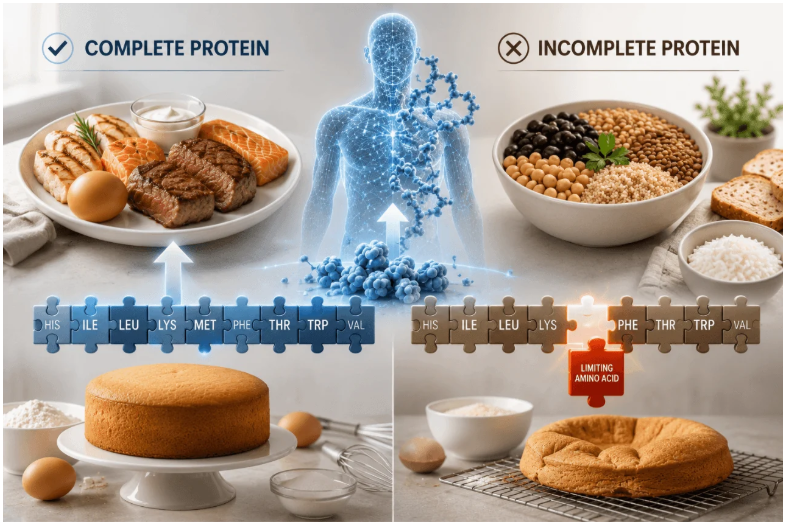
What makes protein high quality? Completeness. Does it contain the Essential vs. non-essential amino acids?
This is commonly misunderstood - Essential simply means that it can be made in our bodies. Non-Essential means it cannot be made. We go through these in detail, and which foods might be incomplete.
Its important to note that incomplete doesn't mean low-quality, it means it's missing 1 or more amino acids.
I'm summarizing, but quality & quantity of protein is the start of building muscle - what initiates it? A number of things, but resistance exercise is our reliable trigger. Can't get away from exercise.
https://t.co/F9Xzo2qxQ0
Spot on. Levodopa remains the most effective treatment for Parkinson’s motor symptoms, but it is not established as disease-modifying. But why is it it effective? It can only work if the dopaminergic system is functioning. Taking it 1 step back, the causes of PD when all those causes converge - what happens biochemically is pretty fascinating. Dr. Goodenowe discusses his research perspective here: https://t.co/Ap3F2GK9ix
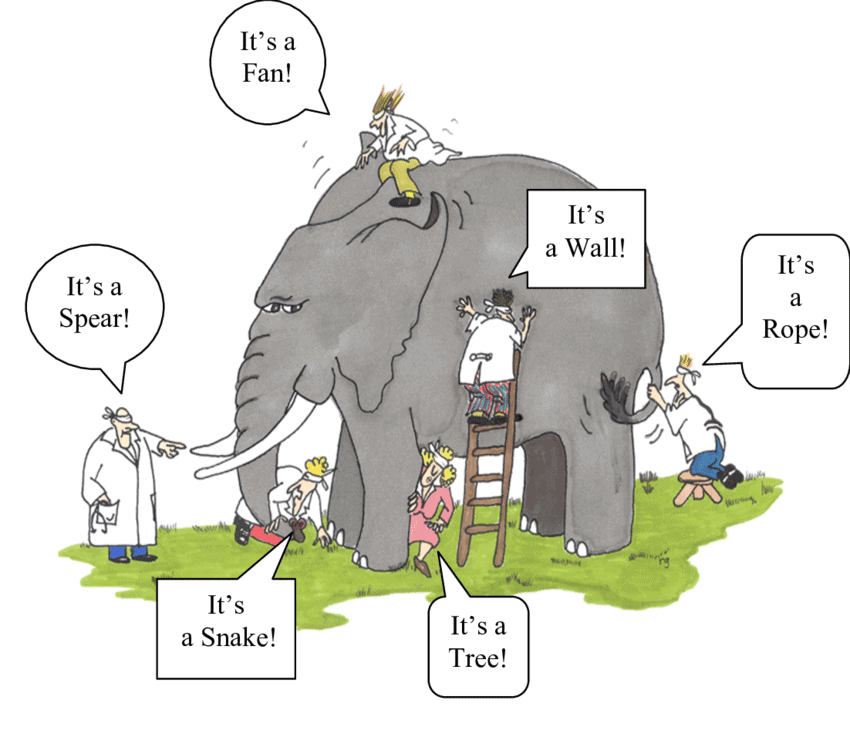
The conclusions we draw will always be dependant on the system we are looking at. Its the old story of the the blind men touching the elephant - you will 'see' what you are exposed too - not what is there.
Such an interesting article one of our team members came across today:
https://t.co/QRLeK5RL0I
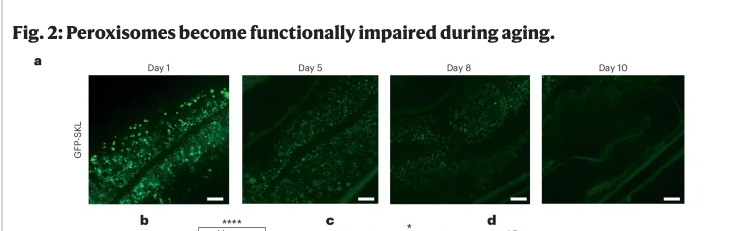
"Mitochondrial fragmentation and bioenergetic collapse are induced on peroxisome import dysfunction"
We’re obsessed with peroxisomal function here. What if one of the cascades of mitochondrial dysfunction starts from peroxisomal dysfunction?
We're seeing more of this research. Supporting peroxisomal health indicates a happy downstream side effect for the mitochondrial systems perhaps...
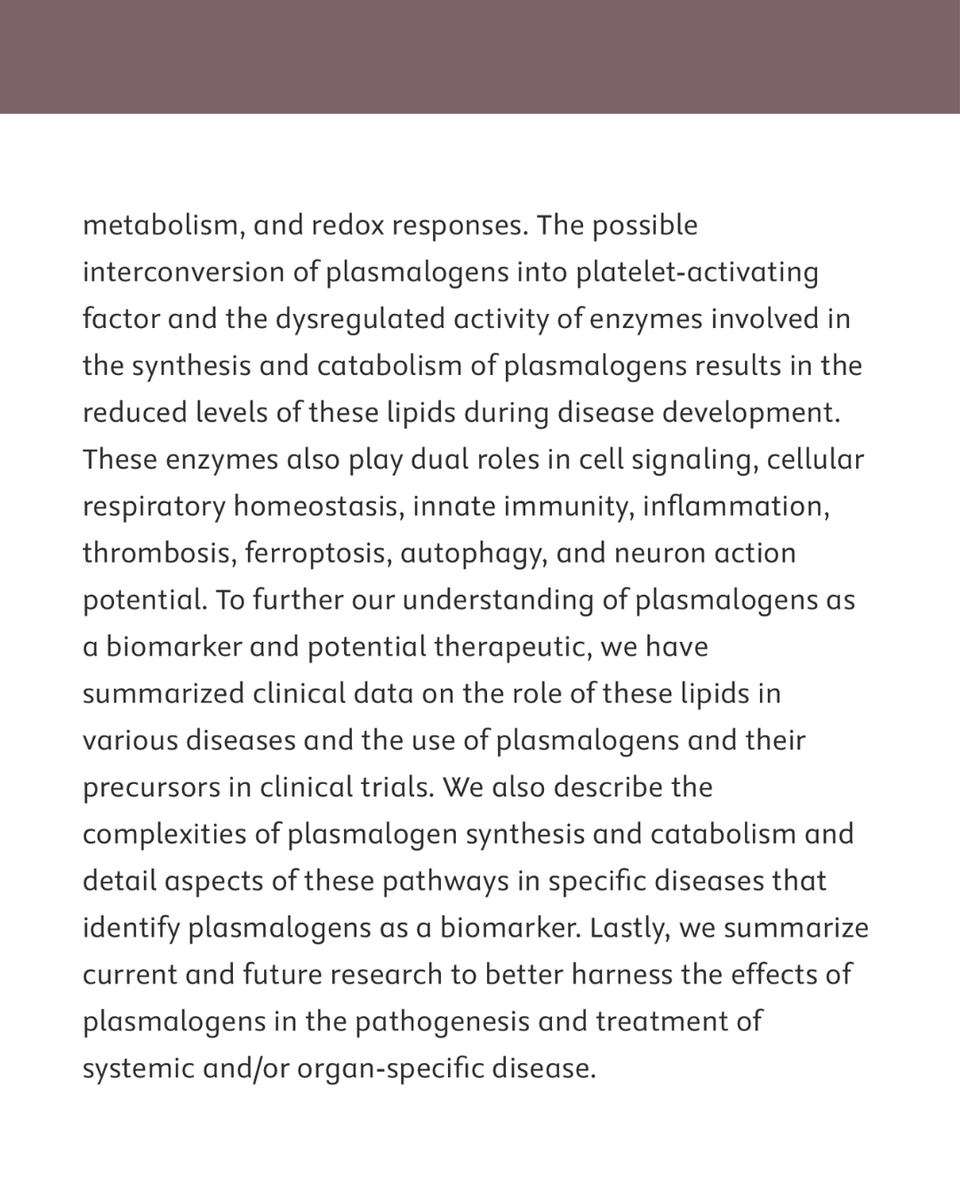
This is exactly why plasmalogens matter.
Emerging research continues to show just how telling plasmalogen levels can be—not only as a reflection of overall health, but also as an early indicator when health begins to drift off course.
Take a look at this article to learn more about the critical role plasmalogens play in cellular function, resilience, and healthy aging.
Meanwhile, our Elite Practitioners and healthcare professionals are currently beta testing the PlasmalogenScan™. We're incredibly excited about what this technology will bring, and we're getting closer to making it available to everyone.
Follow along for updates and be among the first to discover your own plasmalogen levels with the PlasmalogenScan™.