Kartik Purnima is one of the most auspicious day in India. My greetings and prayers for the wellbeing of all on the occasion of Gurpurab and Dev Deepawali. May we be blessed to see the light within. 🙏🪔🙏
After winning the Nobel Prize in 1979, Dr. Abdus Salam had requested the Indian government to find Professor Anilendra Ganguly, who had taught him mathematics in the pre-partition era at the Sanatan Dharma College in Lahore.
He had to wait for two years to meet his teacher and finally came to India on 19 January 1981 to pay his respects to Prof. Ganguly, who had shifted to Kolkata after independence.
Prof. Ganguly was feeble and unable to even sit up and greet him when Dr Salam visited him at his house. Dr. Salam took his Nobel medal and said that 'Sir, this medal is a result of your teaching and love of mathematics that you instilled in me."
He then put the medal around his teacher's neck and said, "This is your prize, Sir. It's not mine."
The gesture by the Pakistani scientist for his teacher was truly defying the barriers of nations and religions that had grown after the partition.
It was the ultimate tribute to a teacher that went far beyond the borders of the nations.
#teacher #compassion #NobelPrize
@ramgopal_rao Thanks Prof Rao for summarizing essence of teaching and your life lessons for young teachers in STEM areas. I greatly admire your endeavour, and request you to post the remaining 3 pages too.
Everything JRD Tata built was guided by a deep sense of responsibility towards others.
Philanthropy is rooted in this value. Resources, influence and a seat at the table only matter for what they make possible for someone else, and every decision is measured against that.
It shapes how the Tata Trusts approach every initiative, with the communities they reach as the final measure of whether it worked.
Source & Quote Credits: JRD Tata’s letter to AK Sahni, August 16, 1978, Good Thoughts, Good Words, Good Deeds – A book of Tata quotes
Compiled by: Tata Central Archives
#FoundingWord #JRDTata #TataTrusts
[The Founding Word, Legacy, Nation Building, Tata Heritage, Tata Trusts]
IISER Mohali alum Shashwat Kumar (BS-MS ’21) is the first author of a Science cover paper on quantum contextuality. On Google’s Willow chip, the team beat the classical limit in coordination games and ran contextuality-based tasks on up to 105 qubits.
Congratulations Shashwat!
For more details, please see the YouTube link below:
https://t.co/sW7yt1NVxw
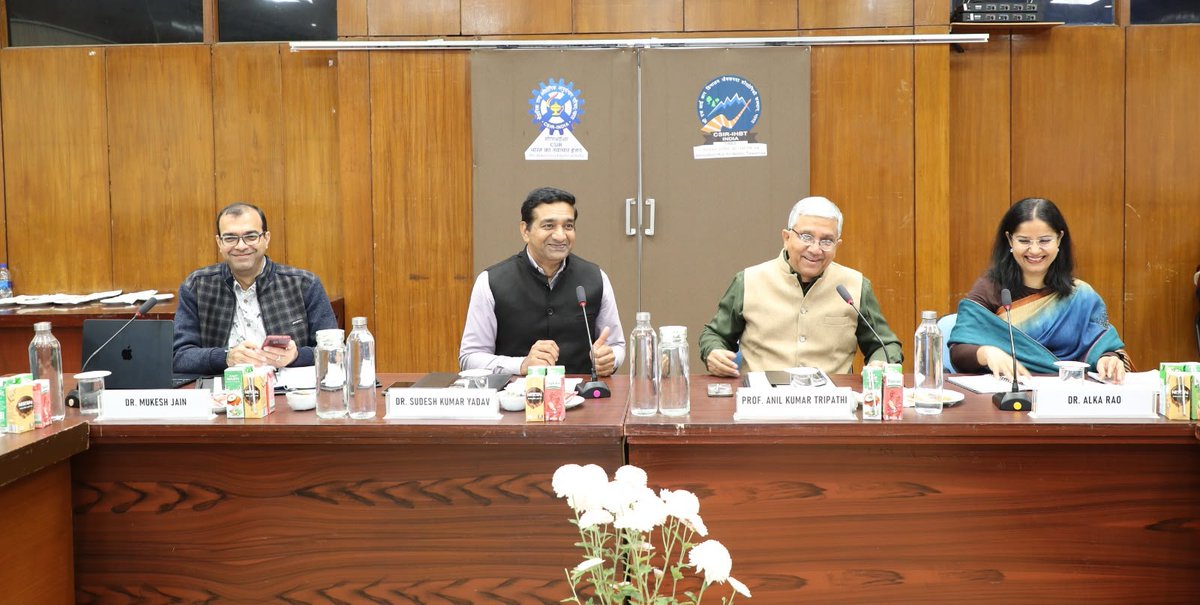
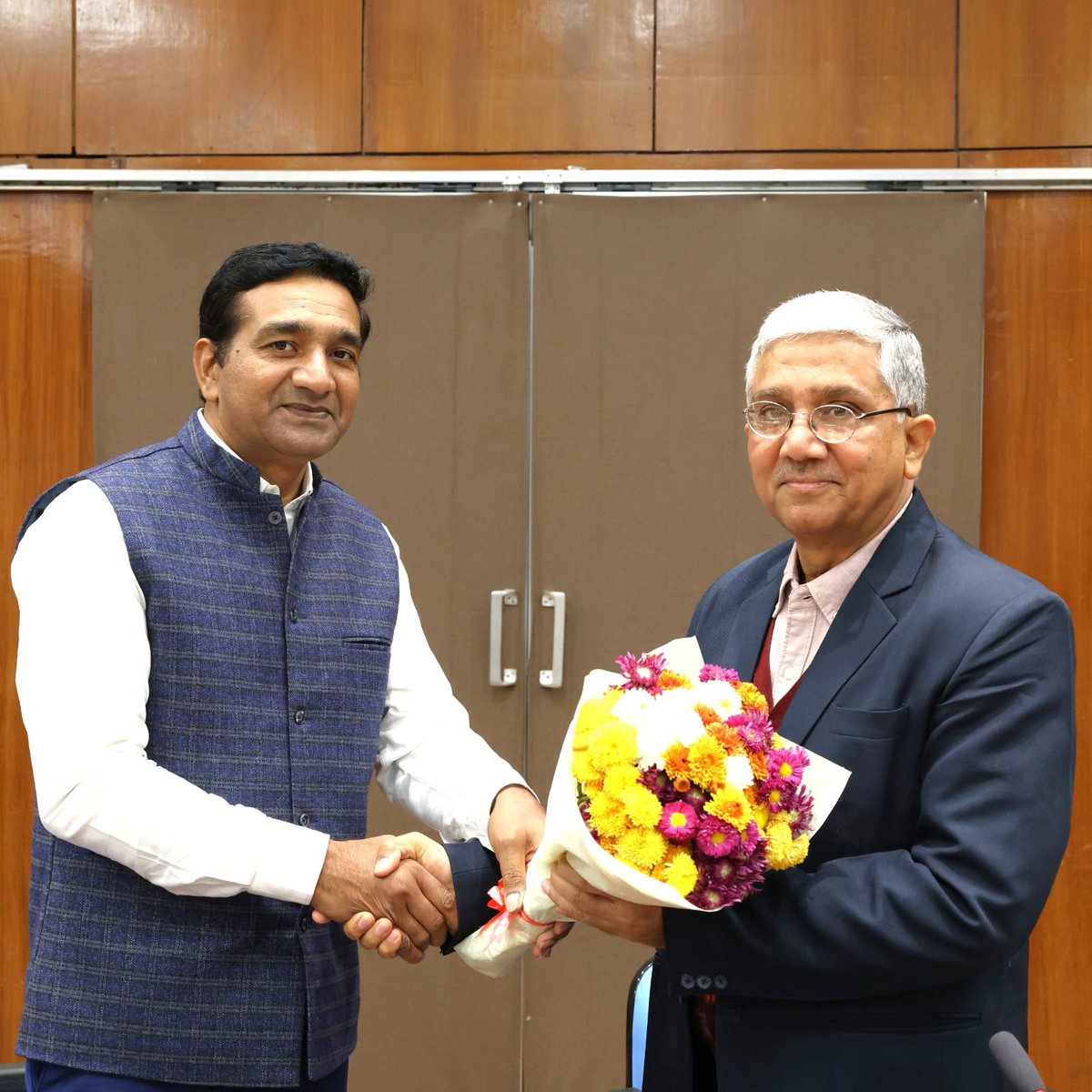
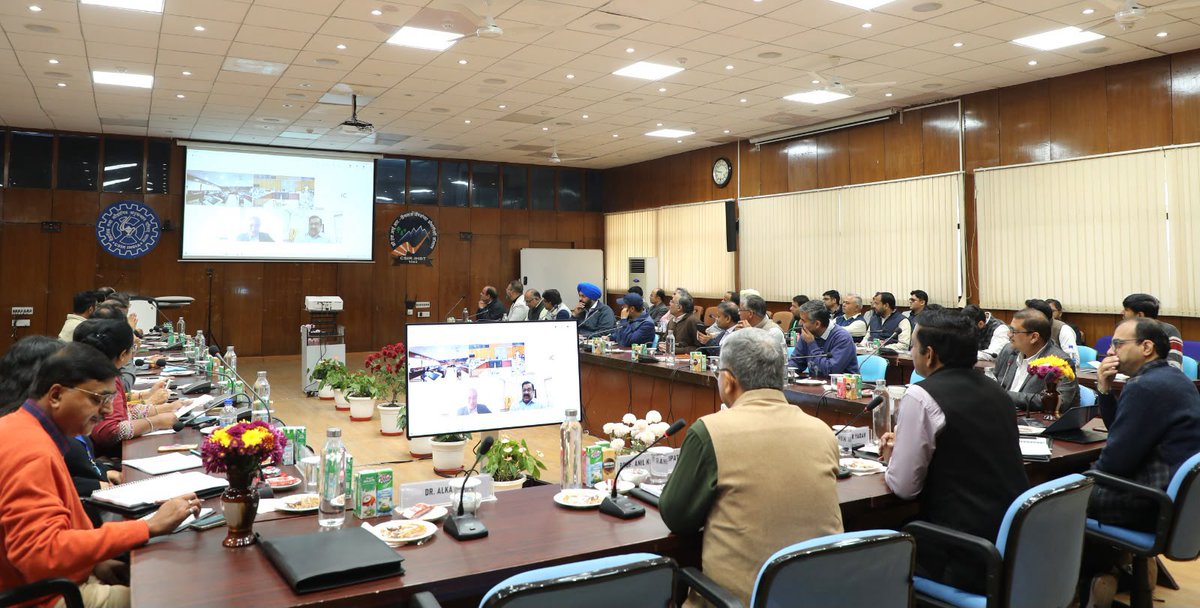
Dr. Sudesh Kumar Yadav, Director, CSIR-IHBT, warmly welcomed the Chairman and RC members, and presented a comprehensive overview of the institute’s recent scientific achievements and strategic initiatives.
May the divine lights emanating from myriads of lamps dispel the darkness and and ignorance and illuminate our hearts with enthusiasm, optimism, creativity and happiness. Wishing a very Happy Deepawali 🪔 🪔🪔🪔🪔
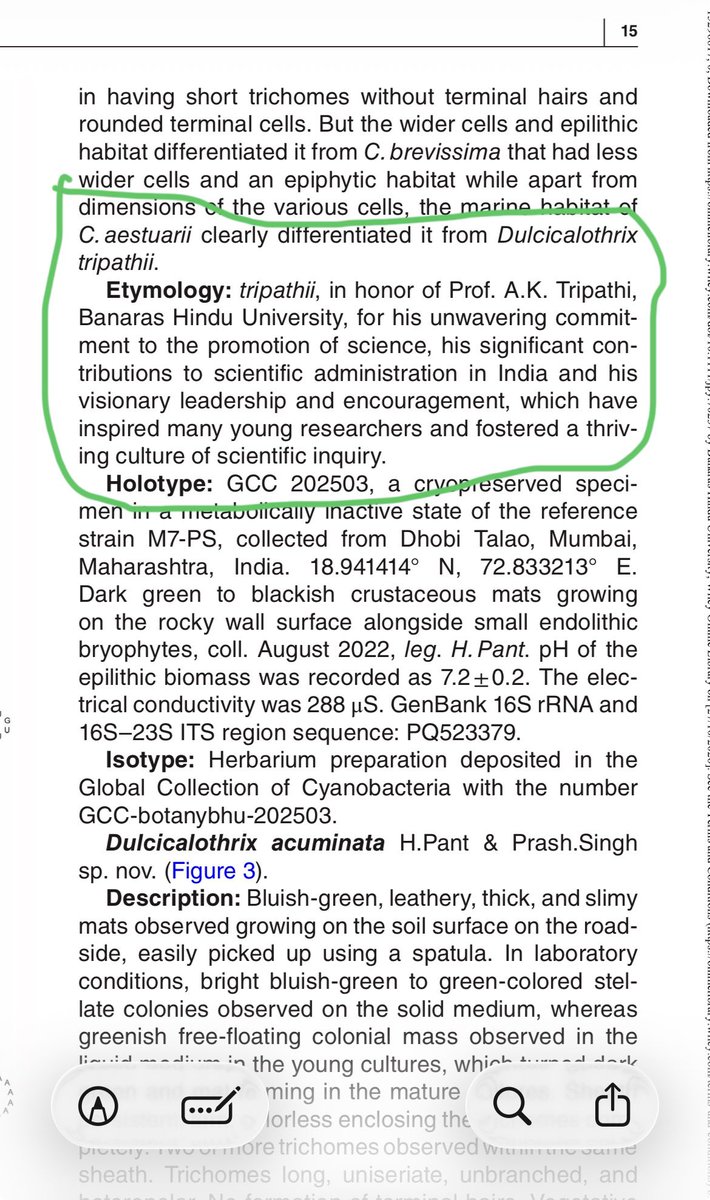
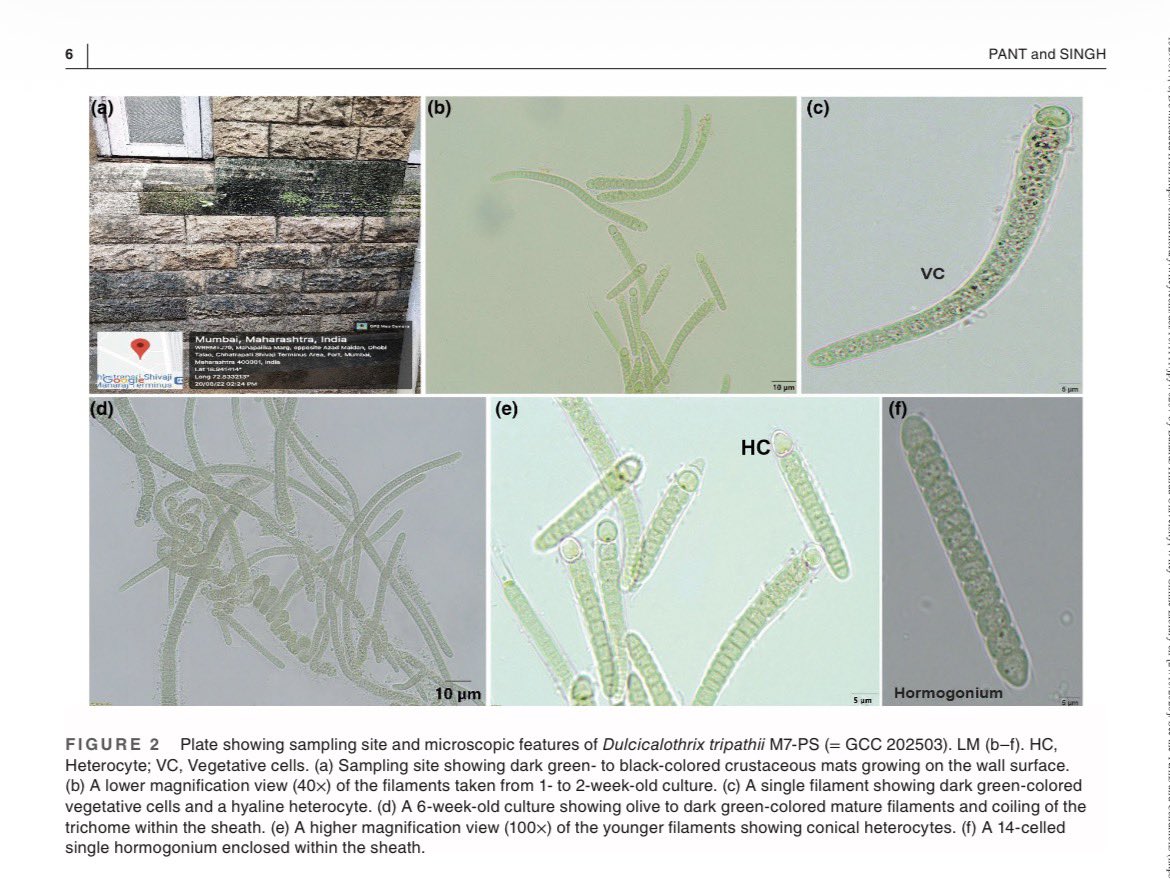
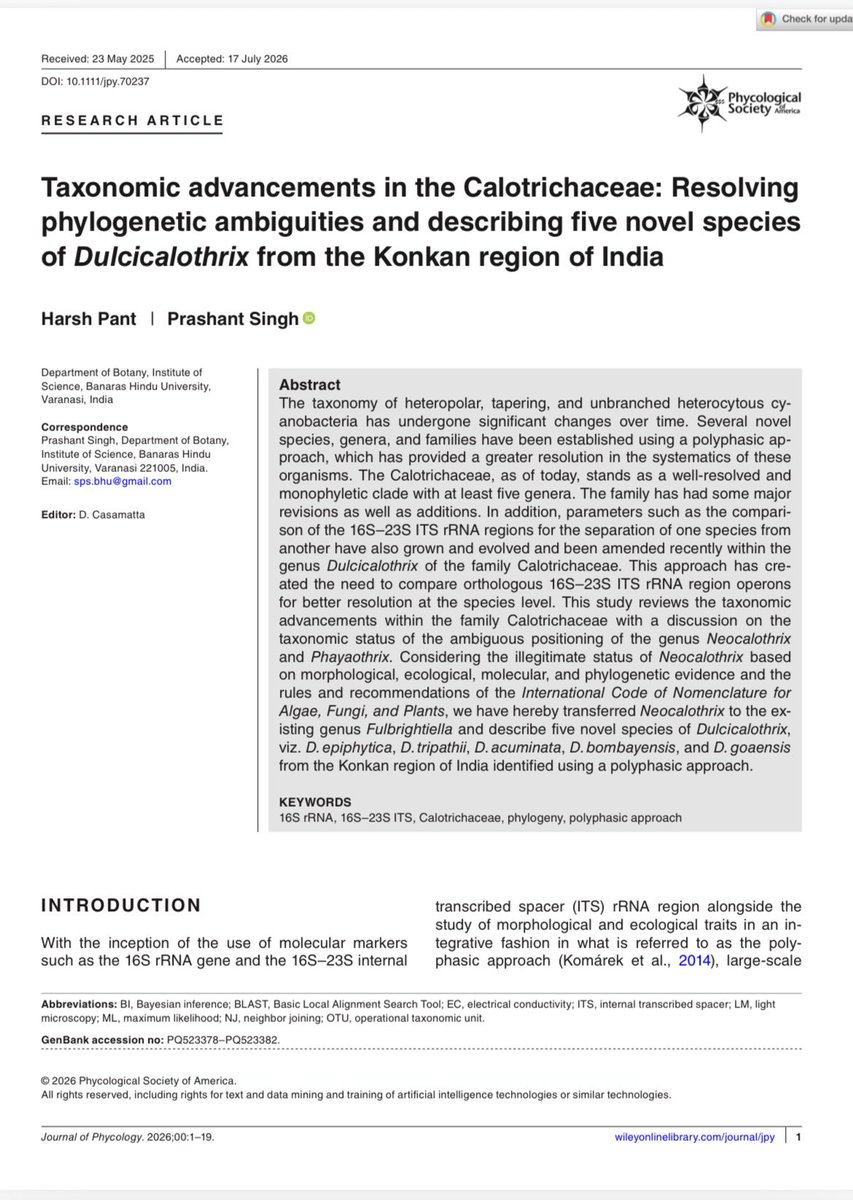
Honoured to name Dulcicalothrix tripathii after Prof. Anil K. Tripathi (@ProfAnilKumarT1). His gracious words make this tribute even more special, a wonderful connection across generations of cyanobacterial research at BHU!
Students’ Outreach Programme at Government Model High School, Sector 46, Chandigarh
Glad to be part of this program to promote science awareness and foster scientific curiosity among young students.
Thanks Dr Prashant Singh, Botany Dept BHU for naming a new species of cyanobacterium to appreciate my contribution to science at BHU. I am truly humbled by your kind gesture. Also grateful to Botany Dept, BHU, where I began my research career with study of cyanobacterial genetics
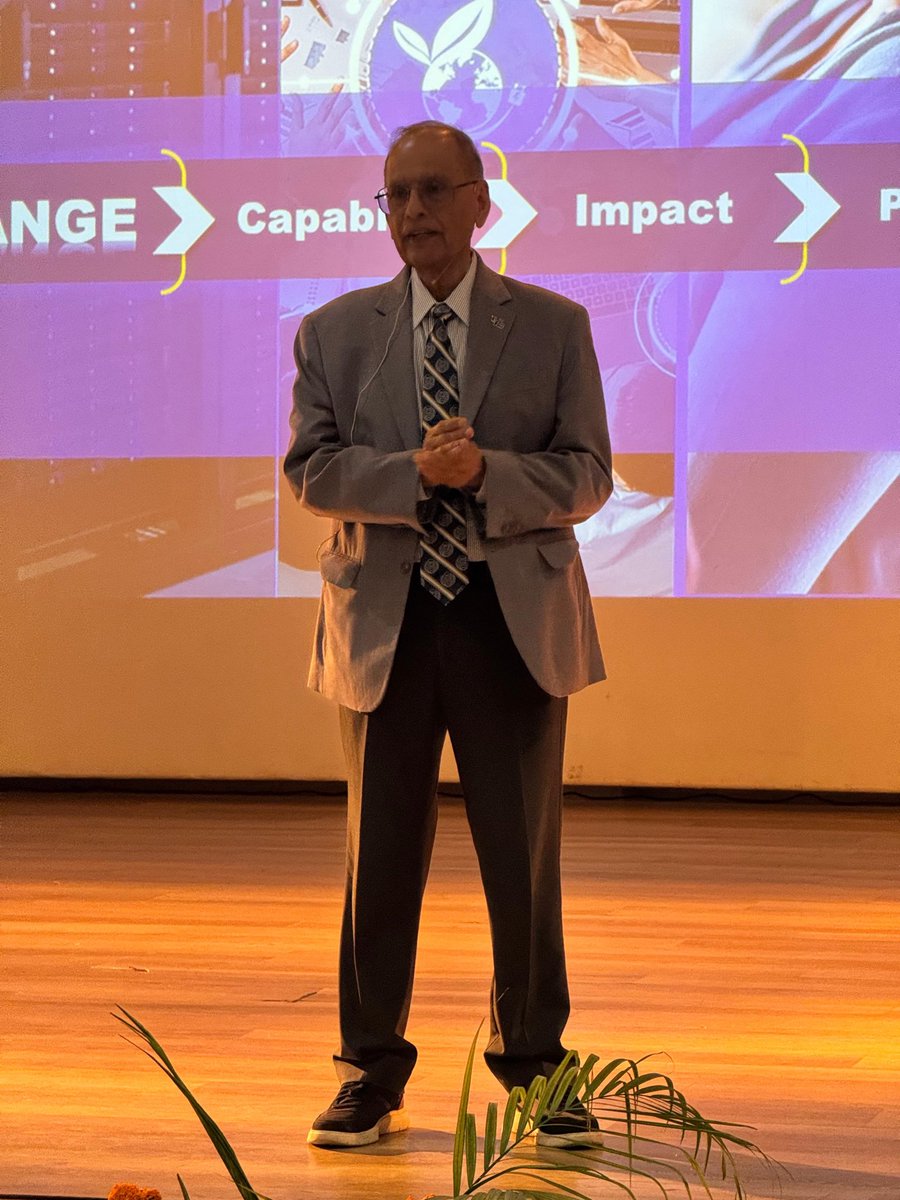
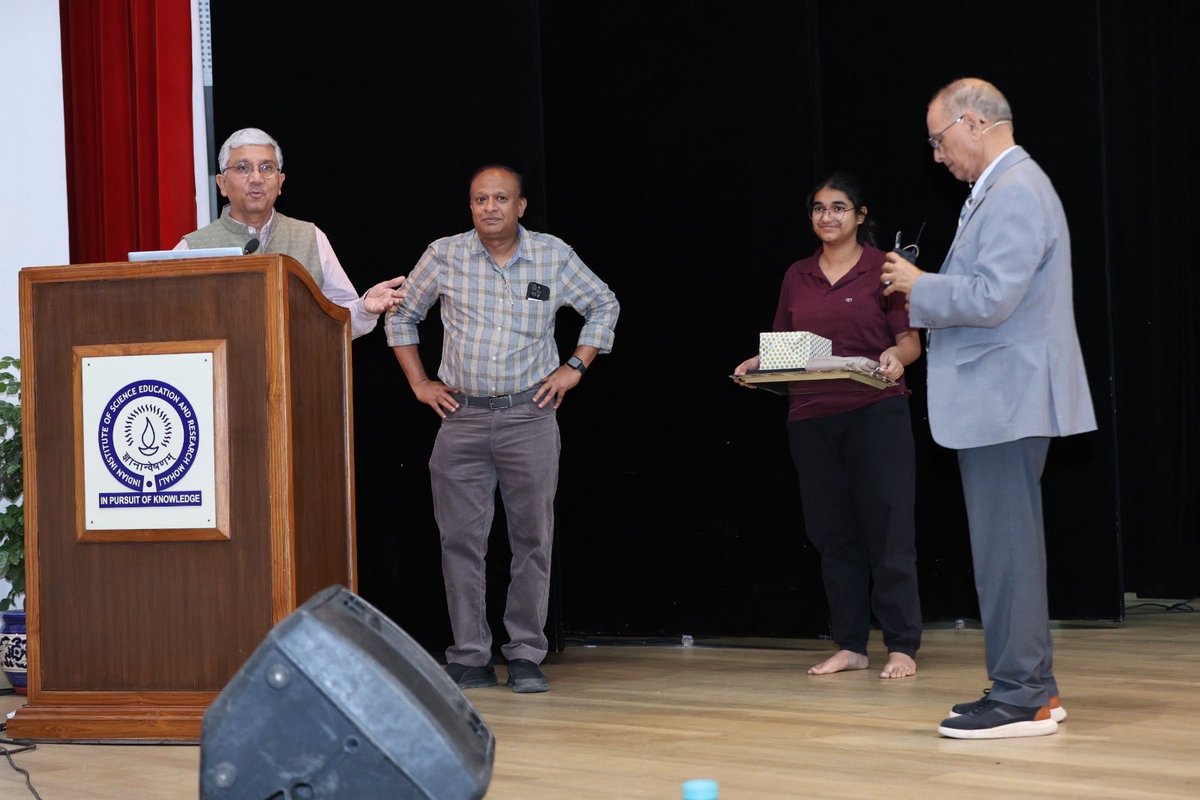
Prof Satish K Tripathi, Ex-President of SUNY Buffalo delivered an insightful lecture on impact of AI on public, and shared experience of his lifetime in a superbly conducted fireside chat by Prof N G Prasad. He shared his thoughts on purpose n excellence of academic institutions
Happy to share our tryst with synthetic biology by producing aroma ingredients of sandalwood oil in Azospirillum brasilense, published today in Applied and Environmental Microbiology https://t.co/ithcdIwIpv Congratulations Neha and Ananth for the hard work.
Delhi: Anil Kumar Tripathi, Director, IISER Mohali, says, “I think this exercise is showcasing the strength of Indian science and technology. First of all, for any country to take the lead at the global level, one needs to have a lot of confidence. This confidence will come from the knowledge being generated and the awareness being created about the strengths of Indian science and technology. This is also bringing together many stakeholders, from research scientists to industry, and that will provide an opportunity to come together and join hands in mega projects. I think this gathering is a very good exercise to consolidate our efforts and gain confidence. Translating our science into real products or processes has been a long-standing challenge. I think, over the last more than 10 years, the Government of India has made a lot of efforts, and that is why the startup ecosystem is developing very well, because of the many Government of India programmes supporting startups. It is happening, and with the success of startups, more and more people are trying to become entrepreneurs and bring out products and processes for society..."