I am a political science professor at the University of North Carolina at Chapel Hill. Tweets are my opinions only. “I’m frightened by those who don’t see it.”
@namalhotra@MikeCrespin I can see this helping people who have the skills/confidence/tools to take on handy projects. Do you think it can create that in people?
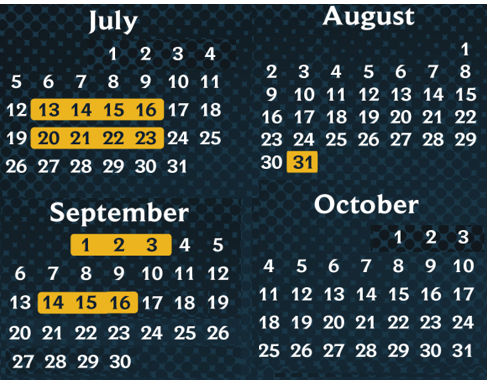
The House is done with work until after the November elections. That means lawmakers will have had 15 days of legislative business in 4+ months (July-early November)
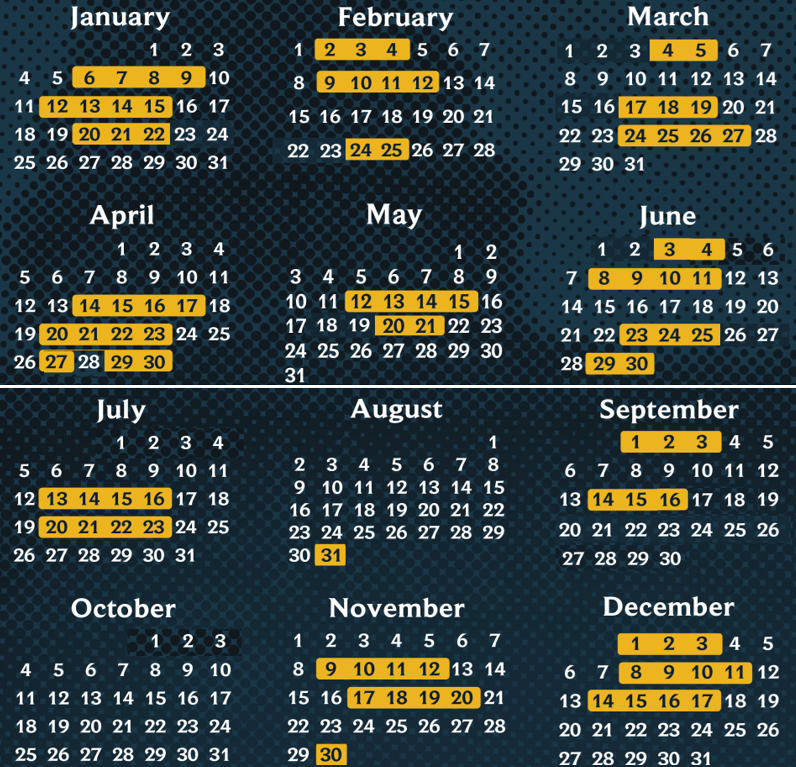
The GOP has canceled 23 House voting days so far in 2026:
Jan 23
Feb 5, Feb 23
Mar 3, Mar 6, Mar 16
April 28
May 18-19
June 2, June 5, June 26
July 1-2
Sep 17
Sep 22-25
Sep 28-30
Oct 1
Sadly we have Members of Congress who didn’t get picked by their 5th Grade Kickball Team and are taking out their frustration on the institution of the House of Representatives. #MoveOn
Want a tenure-track assistant professor job in political science? Publish in a top journal such as APSR. Or just be female or minority with no publications at all. That is how bad the discrimination and the lack of meritocracy in academia is these days. https://t.co/9b2xcEIqlI
Solliciteren voor een professor positie in de politieke wetenschappen: vrouw zijn of tot minderheid behoren heeft een grotere impact op benoeming dan een co-auteurschap in het wetenschappelijk toptijdschrift in de discipline. De discriminatie in academia ten koste van expertise is onvoorstelbaar
https://t.co/4nvuy1deCq
Imagine for a moment that it’s 2023 again.
Four people are completing a PhD and looking for political science faculty jobs.
They match on the following qualifications.
Same subfield: American politics.
Same PhD program rank: 30th.
Same publication record: none yet.
All are still completing their dissertations.
Two are men, and two are women. Two are minority candidates, and two are non-minority candidates.
What does the data predict about their chances of holding a tenure-track job by fall 2024?
Non-minority man: 27%
Non-minority woman: 44%
Minority man: 47%
Minority woman: 45%
Every US academic who lived through Woke 1 knows that discrimination against white males was pervasive. They divide only on whether they considered it justified by a higher purpose or recognized it as intrinsically unfair and harmful.