Oncologist/breast cancer researcher DCU/UCD/St. Vincent's, former senator, Member RIA ,TRIO &Academia Europaea, Clogged by Paolo Rossi Dalymount 1985 Podcaster
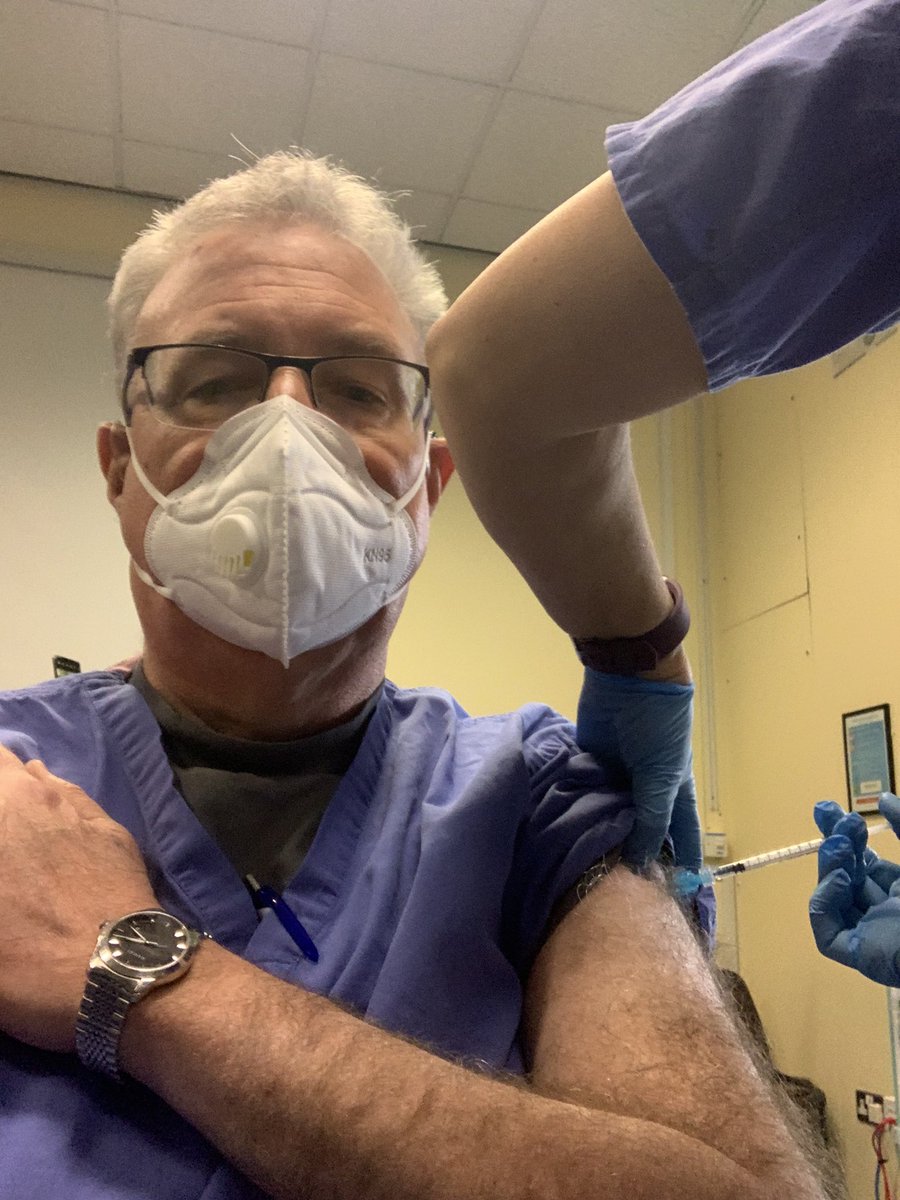
Can’t help but think of all the brave nurses, care assistants, doctors, cleaners, catering staff and other health workers who went in harms way and died of COVID over the last year before this lifeline was available. Thank you heroes. The fightback has begun!!
On cancer drug prices - the rationale for the high cost historically has been the sky high cost of drug development. If “AI” and molecules from China are reducing that cost - shouldn’t drugs (slowly) be getting cheaper for the end user? 🤔
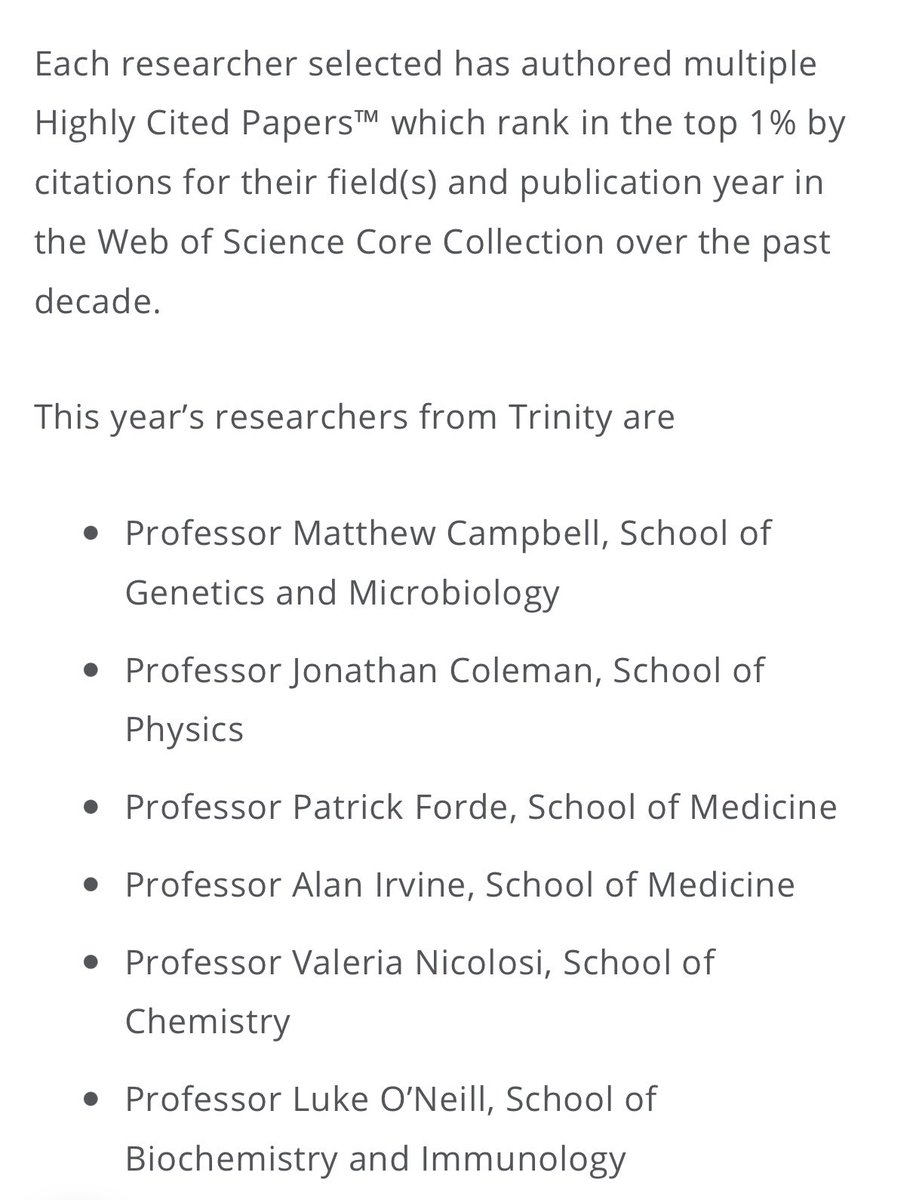
Have to say am unusually happy to be part of this group with mainly laboratory-based colleagues from @tcddublin & @JohnsHopkins Clinicians can be scientists it seems 😀 https://t.co/lzMEC7WLSl
⠀
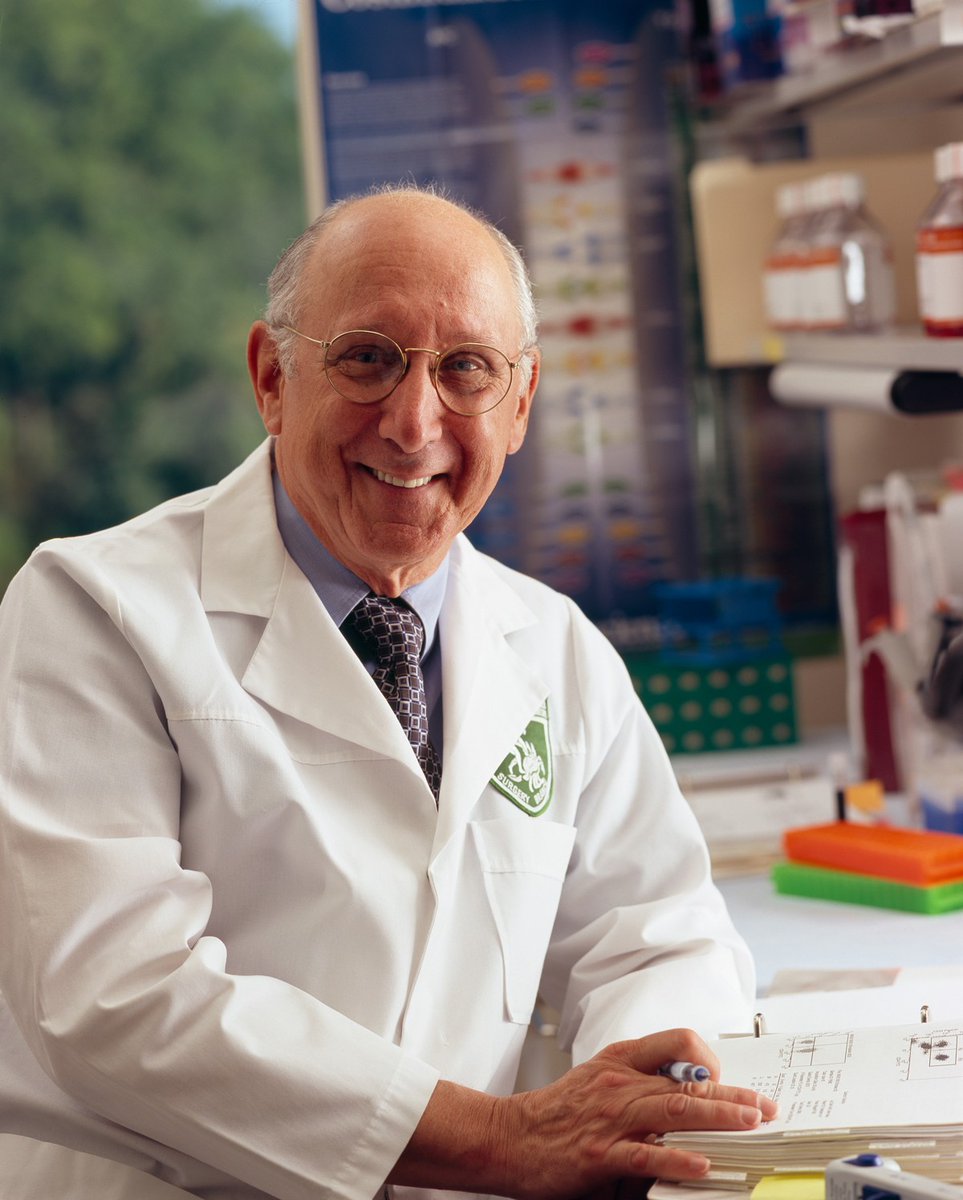
STEVEN ROSENBERG: THE SURGEON WHO KEPT GOING AFTER 60 FAILURES
In 1974, Steven Rosenberg, a Bronx kid whose immigrant parents ran a luncheonette, became chief of surgery at the National Cancer Institute. He was 33.
He bet the immune system could kill cancer. He gave interleukin-2 to more than 60 patients with advanced cancer. None responded. All died.
On Nov. 29, 1984, he tried the highest dose the body could take on Linda Taylor, a 33-year-old Navy officer with melanoma. She ended up on a ventilator overnight.
Months later, every tumor was gone. She stayed cancer-free for decades.
In 1992, the FDA approved IL-2 for kidney cancer. Melanoma followed in 1998.
He could have quit at 60. He didn't.
I’ve been saying this for years! Of course in Ireland with our 50% insured population, most of the NHS wannabe civil servants and Slainte-worshipping pols have insurance themselves! The system we should emulate
Is Germany.!
Among international experts on healthcare, the UK's system is viewed as being mediocre at best. It is highly centralised, giving patients little or no choice and therefore does not incorporate a competitive/incentivising dynamic.
That Ireland's Slaintecare apes the NHS has long been a cause for concern.
Sam McBrides's view from Northern Ireland, where the NHS operates
Episode 17 of Second Opinions with John Crown. I discuss some advances from #ESMO26 , and interview Prof Denis Collins @coileain and @Dr_Alex_Eustace
https://t.co/ngSVcImYAe
Also remember Dr Michael Moriarty who we sadly lost this week.
Episode 17 of Second Opinions with John Crown. I discuss some advances from #ESMO26 , and interview Prof Denis Collins @coileain and @Dr_Alex_Eustace
https://t.co/ngSVcImYAe
Also remember Dr Michael Moriarty who we sadly lost this week.
Episode 17 of Second Opinions with John Crown. I discuss some advances from #ESMO26 , and interview Prof Denis Collins @coileain and @Dr_Alex_Eustace
https://t.co/ngSVcImYAe
Also remember Dr Michael Moriarty who we sadly lost this week.
A new vaccine continues to show potential as a ready-made treatment for pancreatic cancer, according to a study co-led by MSK researchers.
MSK's @EileenMOReilly presented phase 2 results from AMPLIFY-7P at #ESMO26. The vaccine targets KRAS mutations, which are found in more than 90% of pancreatic cancers.
99% of patients receiving the vaccine developed cancer-fighting immune T cells. Patients with the strongest immune responses had the lowest recurrence rates.
“Having a vaccine that’s ‘off-the-shelf’ would make it easier, faster, and less expensive to treat a larger number of patients,” says Dr. O’Reilly. “This gives hope for people with pancreatic cancer who have been out of effective treatments when their disease returns.” Learn more: https://t.co/gDpJRtWOQd
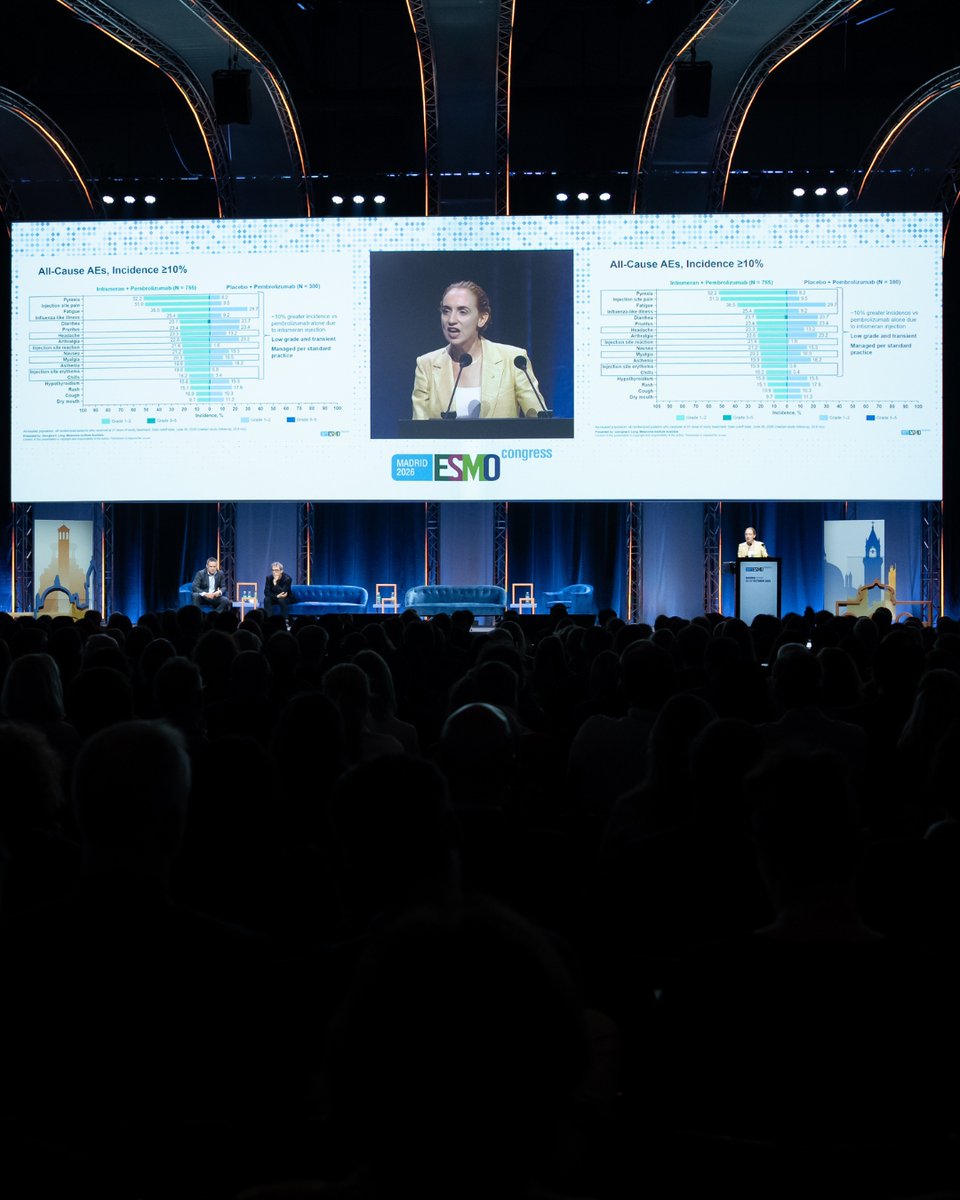
It was a great honour to present the results of the phase 3 INTerpath-001 clinical trial at the #ESMO26 Congress in Madrid.
This international trial included 1137 patients, across 157 sites, whose melanoma had been surgically removed, but who were at very high risk of it returning. The trial showed adding #intismeran autogene, an mRNA based individualised neoantigen therapy, to pembrolizumab reduced the risk of recurrence or death by 42%.
This is the first phase 3 study to show that a treatment built from the unique ‘fingerprint’ of a patient’s own tumour can reduce the risk of recurrence or death from cancer. That fingerprint is read by sequencing the tumour, then a ‘wanted poster’ of the cancer is made as mRNA, showing the immune system exactly what to look for and attack. Having succeeded in melanoma, this proof of concept could mark the beginning of a foundational shift in how we treat cancer.
Read more >https://t.co/quxTAFfntb
A huge thank you to all patients and teams involved.
@myESMO@Sydney_Uni @syd_health @Science_Academy@AAHMS_health@FulbrightAUS@NthSydHealth@ausoftheyear
Two amazing Chinese breast cancer trials presented #ESMO2026#ESMO . China is now a powerful and very welcome ally in the world-wide anti-cancer effort.
Two amazing Chinese breast cancer trials presented #ESMO2026#ESMO . China is now a powerful and very welcome ally in the world-wide anti-cancer effort.