I’m hiring a full-time predoc in @sciencespo Paris to work on labour & violence against women in MENA. Ideal before a PhD in economics. Flexible start (Jul–Sept 2025) & open to international applicants. Info: https://t.co/4U46AOWvyt
@predoc_org@econ_ra
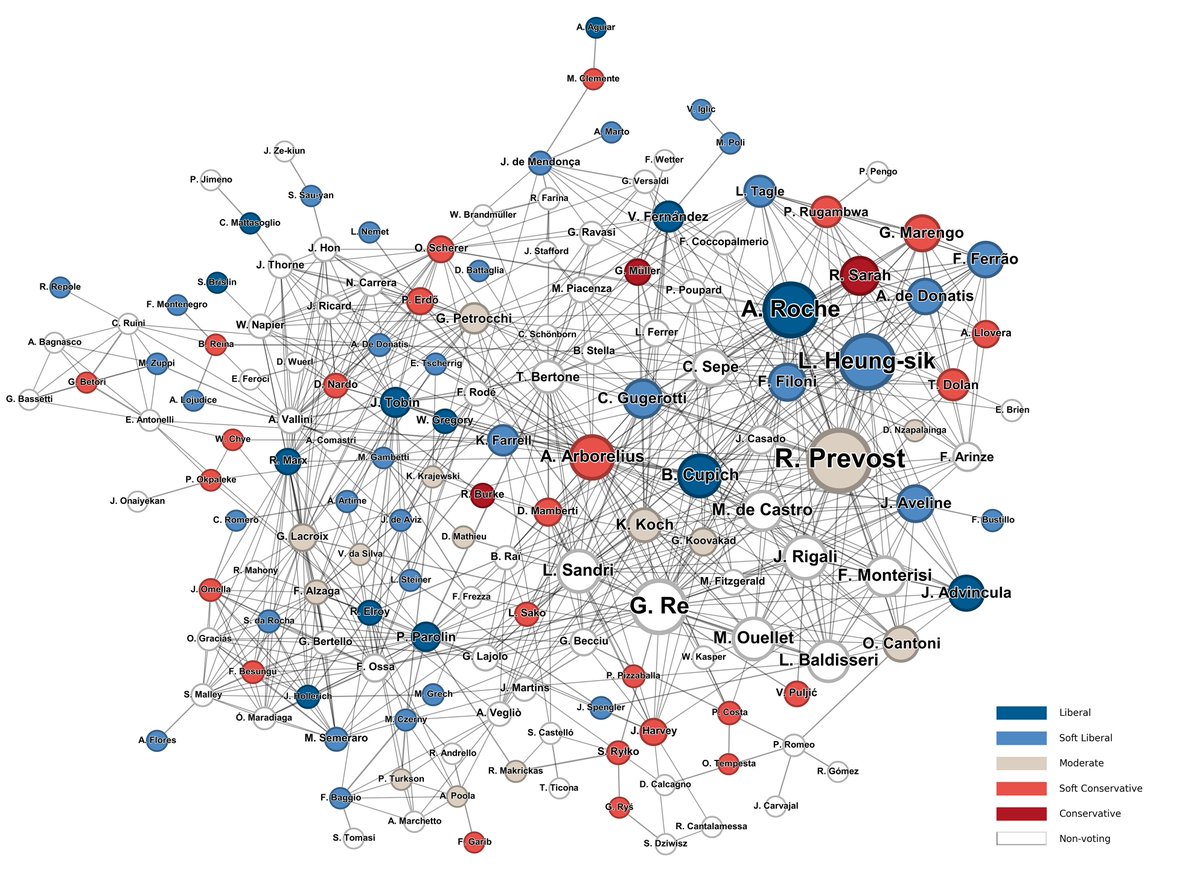
How we "guessed" the Pope using network science: inside the cardinal network. A study by me, Beppe Soda and Alessandro Iorio. Article: https://t.co/xQ0fTmpVxb @Unibocconi
Hanwha has a vested interest in Camada that has been well established. One of the fun things about all the sovereignty stuff, and the 2% plans, is that companies now have a vested interest in our needs, as they know money and backing is on the table.
@LagasseSubstack Please share the empirical evidence and research on the last point - where evidence points to Parl independent of the monarchy, since nearly all the comparative and IR work (institutional approaches & critical research) points to both in a reciprocal relationship?
There is a profound difference between those nations who understand that their sovereignty is in peril and will do whatever it takes to defend them, and those who think their sovereignty can be defended by a few clever speeches until it all just blows over. Actions, not words.
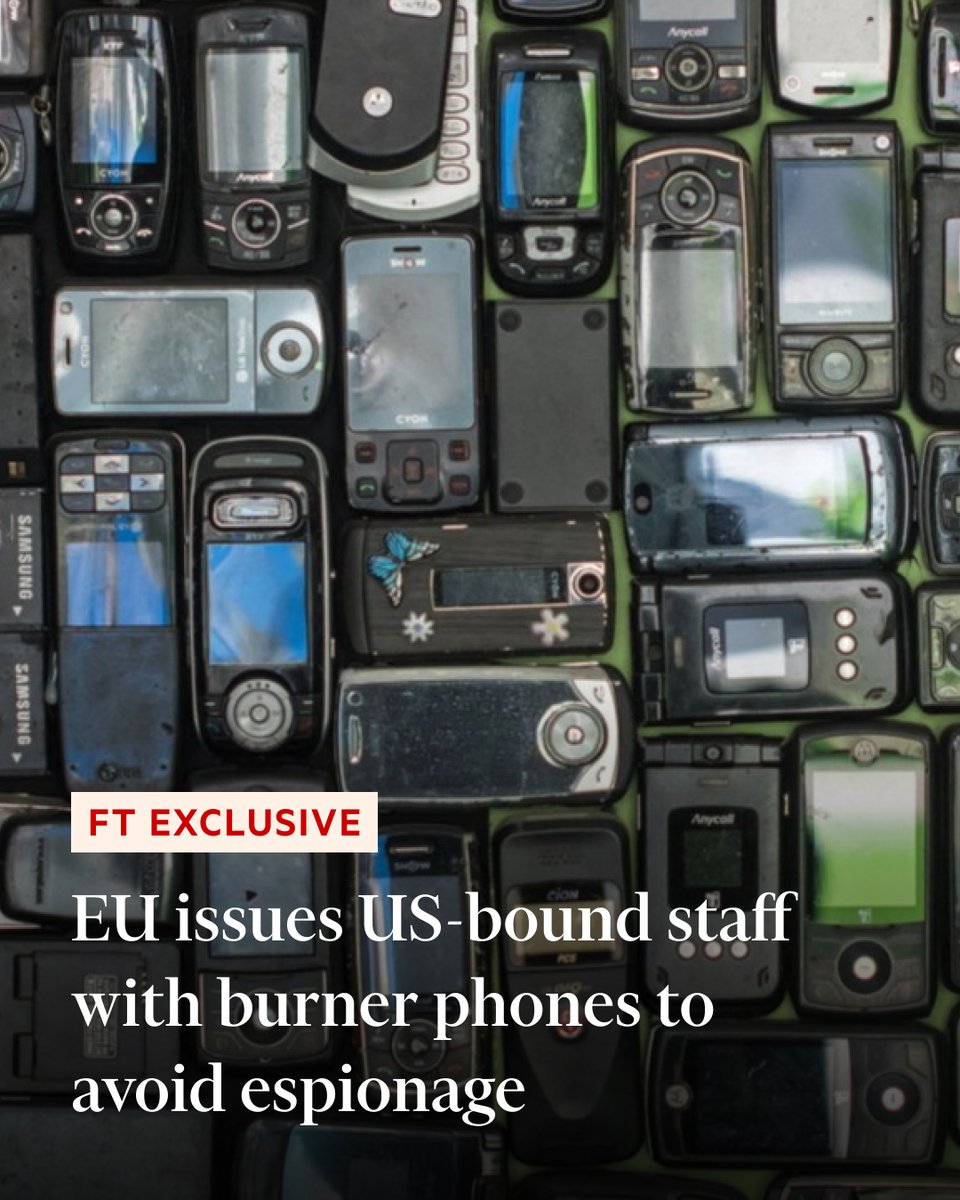
Breaking news: The European Commission is issuing burner phones and basic laptops to some US-bound staff to avoid the risk of espionage — a measure traditionally reserved for trips to China https://t.co/PfHCZHzMJe
Crying in coincides with when I graduated H.S. (class of 1997) undertook and completed a BA (2000-IR), MA (poli sci), PhD (2006-poli sci) & accepted a tenure-track job offer (2006).
Economics PhDs really choose to spend the best years of their life being paid almost nothing to work 90 hour weeks in a windowless basement and then assume people exhibit rational behavior
What does Canada's tariff strategy look like?
Canada has a track record of imposing tariffs when necessary, but its primary weakness lies in its lack of trade diversification.
Canada could impose tariffs on the US, but not without a cost.
Read more➡️ https://t.co/xACVfF20qm
Yet, over two years ago, I began arguing 2% GDP on defence 1. would be a campaign issue, 2. it would be endorsed by major political parties, 3. foreign affairs would dominate the next Canadian electoral cycle.
All three points faced criticism from 'experts'.
The Finnish Government has today taken two key decisions, reflecting the changes in our security environment.
First, Finland will raise its defence expenditure to 3% of GDP by 2029. This is a part of Finland’s contribution to Europe taking greater responsibility for our own defence.
Second, Finland will prepare for the withdrawal from the Ottawa Convention. The decision is based on a thorough assessment by the relevant ministries and the Defence Forces. Finland is committed to its international obligations on the responsible use of mines.
Finland will always remain a responsible actor in the world, safeguarding its security and defence.
🪖 La relève en Sécurité Internationale est là !
Retour sur le succès de la rencontre entre les étudiants et des représentants du MRIF à l'Université Laval ! ⬇️
https://t.co/fYoOHfLDNH
@esei_ulaval@pol_ulaval@CdsnRcds@MRIF_Quebec