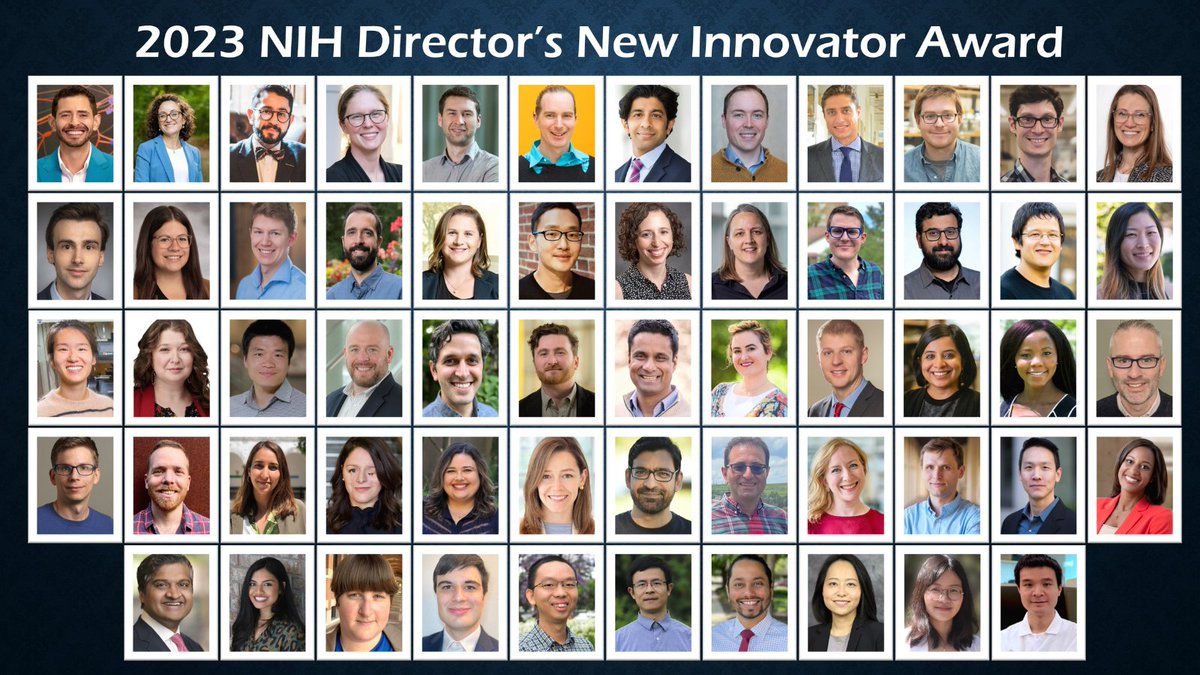
I am tremendously grateful to receive the 2023 @NIH Director's New Innovator Award to develop new therapeutic modalities for degenerative glomerulopathies. Many thanks to my mentors, trainees, family, and friends for their support/contributions to this journey. Onward! @MusahLab
Early-stage investigators proposed innovative high-impact research ideas for the @NIHDirector’s New Innovator Award. See the projects the awardees will pursue: https://t.co/ujuDoPPjK2 #NIHHighRisk
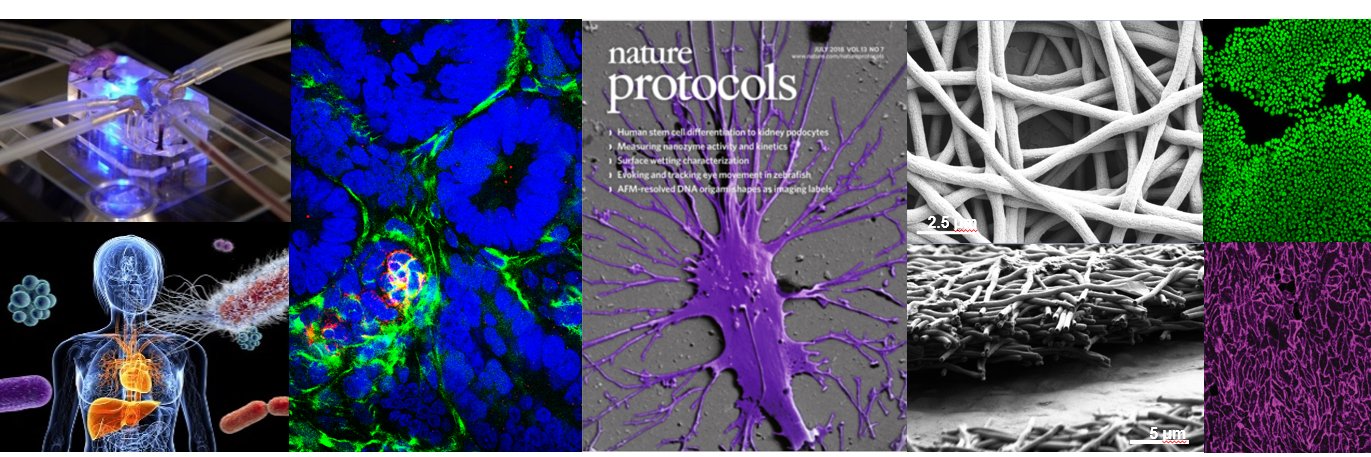
Sophia dives into some of our work using human stem cell derivatives to engineer patient-specific preclinical models, helping us uncover disease mechanisms and identify new and safe therapeutics.
Latest research publication from our lab reveals a role for YAP-activating hydrogels in stem cell-derived podocyte differentiation and molecular-level specialization. Full Paper: https://t.co/QsJm4PcqPo
Here's what we found:
These findings provide a step towards designing better environments for studying podocyte biology and could have implications for improving tissue engineering and kidney disease modeling.
The Vollum Institute is accepting applications for multiple faculty openings. We are interested in individuals whose research focuses on molecular and cellular neuroscience, genetics, neurodevelopment or signal transduction. #sciencejobs#neurotwitter
https://t.co/LnicYkonhZ
Our newest publication is out in @naturemethods! It highlights the potential of biomaterials in realizing the translational power of organoids. #MusahLab
Full article: https://t.co/RHu6DwTQui
Check out some of our related work using biomaterial platforms to guide stem cell differentiation and self-renewal and tissue development, function, and disease:
https://t.co/jQVVxJ9rEW
https://t.co/9S7QX4n1yS
https://t.co/rWrYwVwbgX
Excited to share our new review article published in IJMS on #fenestrated#endothelium across organs! We explore strategies to advance #vascularized tissue models, including a new method to induce fenestrated endothelium from #stemcells. https://t.co/Kh3mK8oCf7