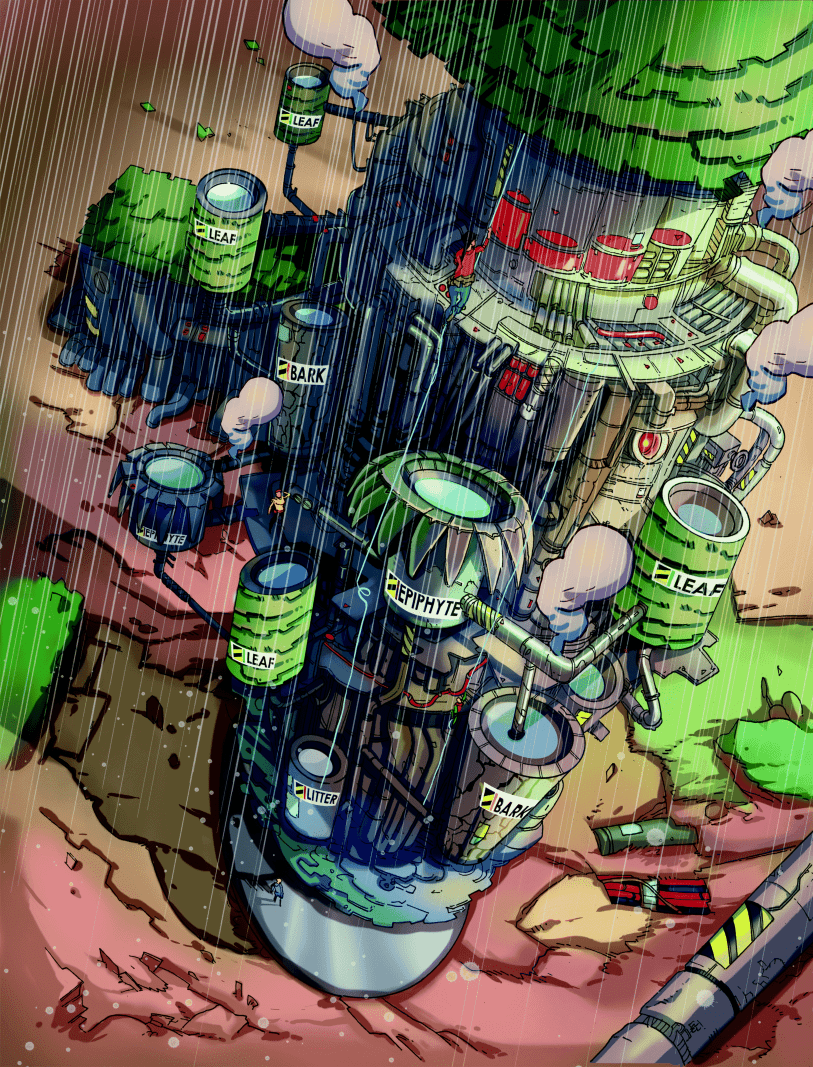
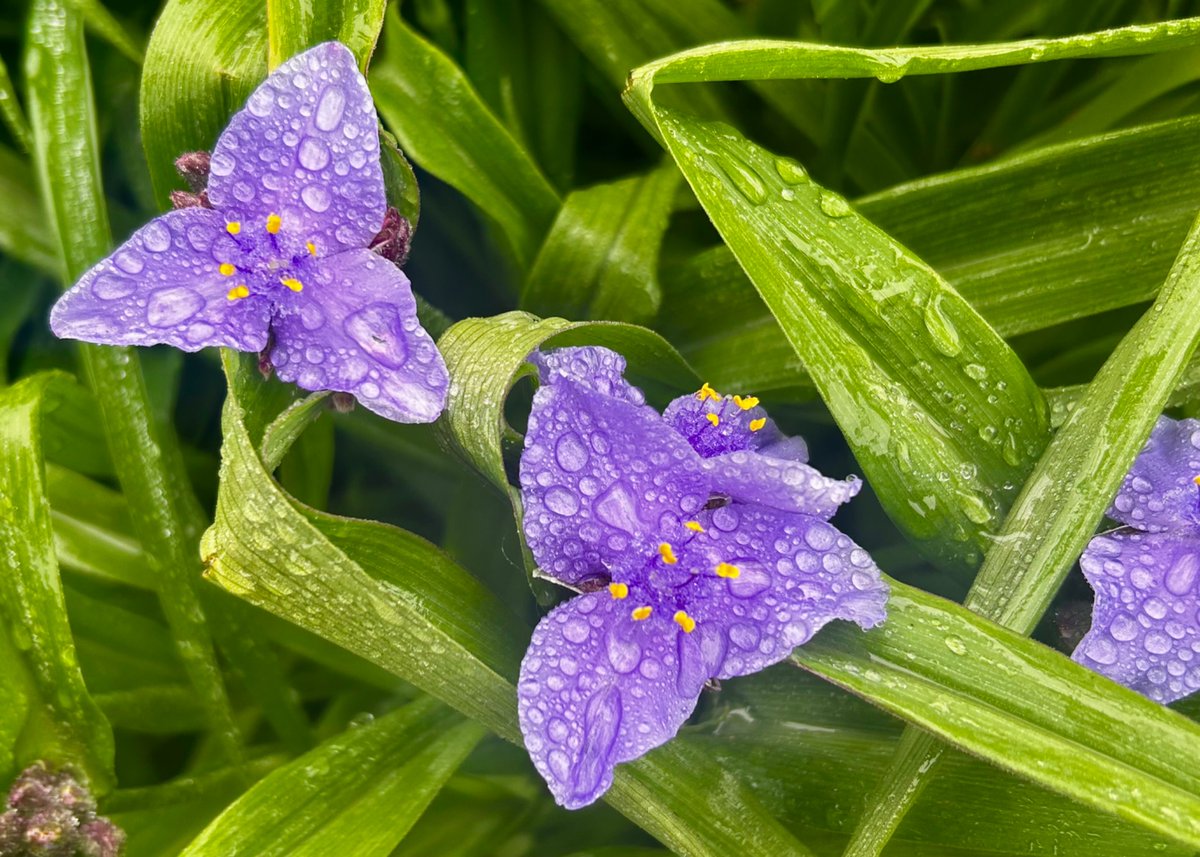
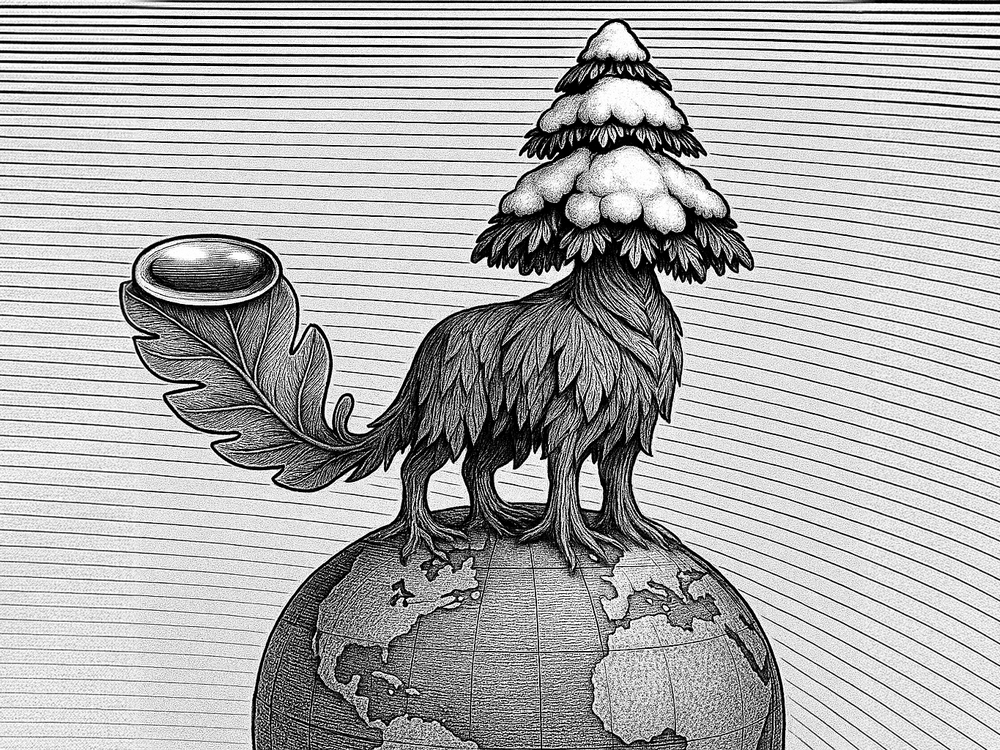
All the water in all the lakes and rivers on the planet accounts for just 2% of the freshwater on our planet! There's a lot more that goes on under the surface.
More in our latest video:
https://t.co/FS5sQhO6Pf
Really appreciated the chance to discuss some cautionary tales regarding ecoservice valuation on the #BioScience Talks podcast 🌳🎙️🤓
https://t.co/RuDbLukHpw
Honored to have my review of Keith Beven's "The River as Haiku" in @WaAlternatives. the Natural science community needs more spaces like this for open discussion and review. Read a good book in your field lately? Review it!
Jak opisać proces przenikania opadu przez korony drzew? Aby zrozumieć to, co trudno uchwycić słowem, czasami wystarczy jeden obraz, innym razem komiks – o sile ilustracji w publikacjach naukowych pisze @Anka_klm ⬇️
https://t.co/cNcY7Vq3bu
@Prof_Van_Stan@tyasseta Fredy Siloy
New paper at WaA:
Water models as geographical chimera: precipitation interception routines as an example of “patchwork empiricism”
by John T. Van Stan and Jack Simmons
https://t.co/8bglDQUPxb
@Prof_Van_Stan
Full 16-page PDF, free to read & share ➡️ https://t.co/R9bWUl5OOG
Help us boost tree-disease awareness: 🔁 retweet, ❤️ like, and 🌲 tag a forest-loving friend.
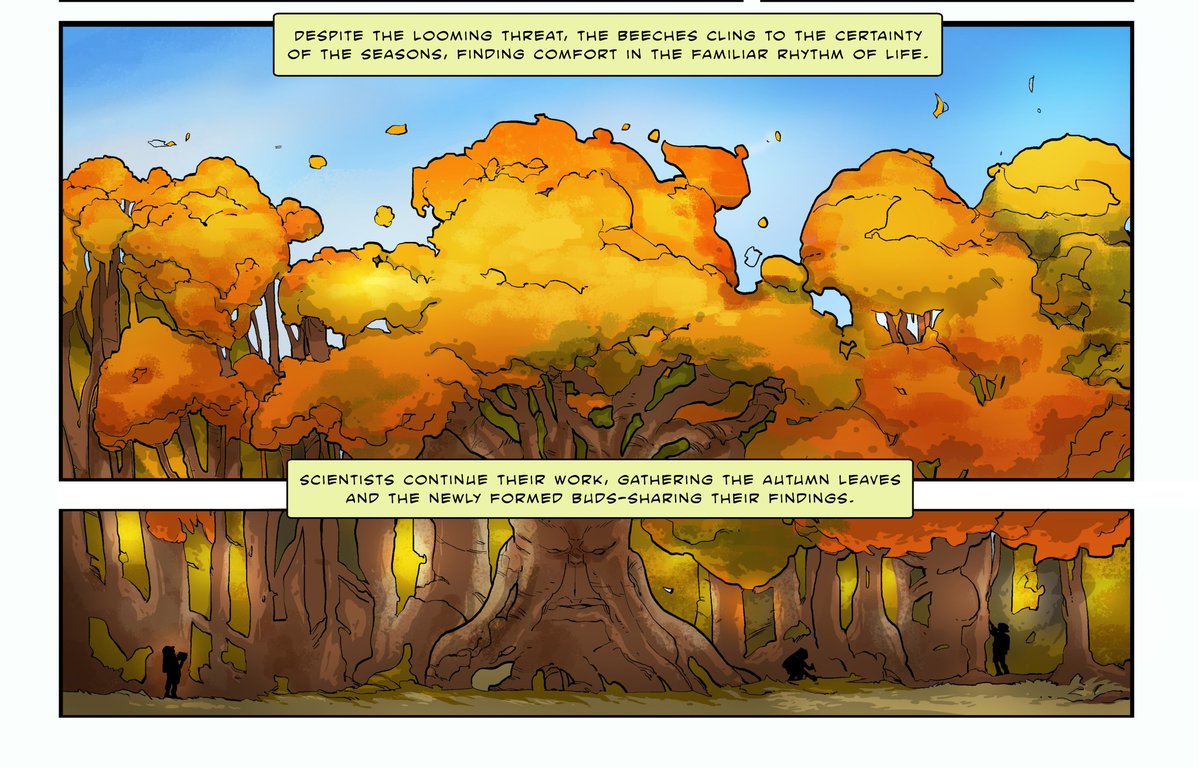
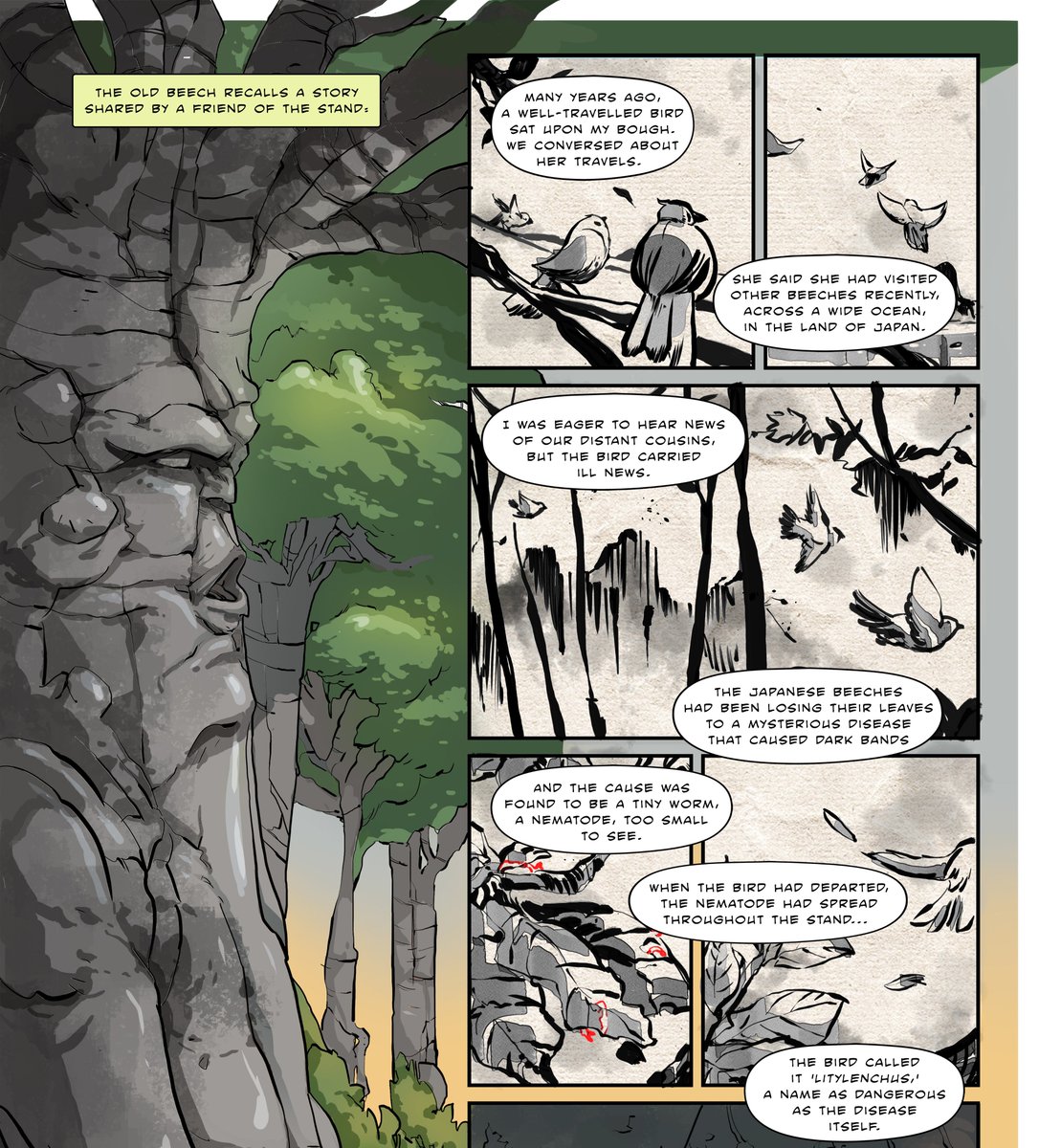
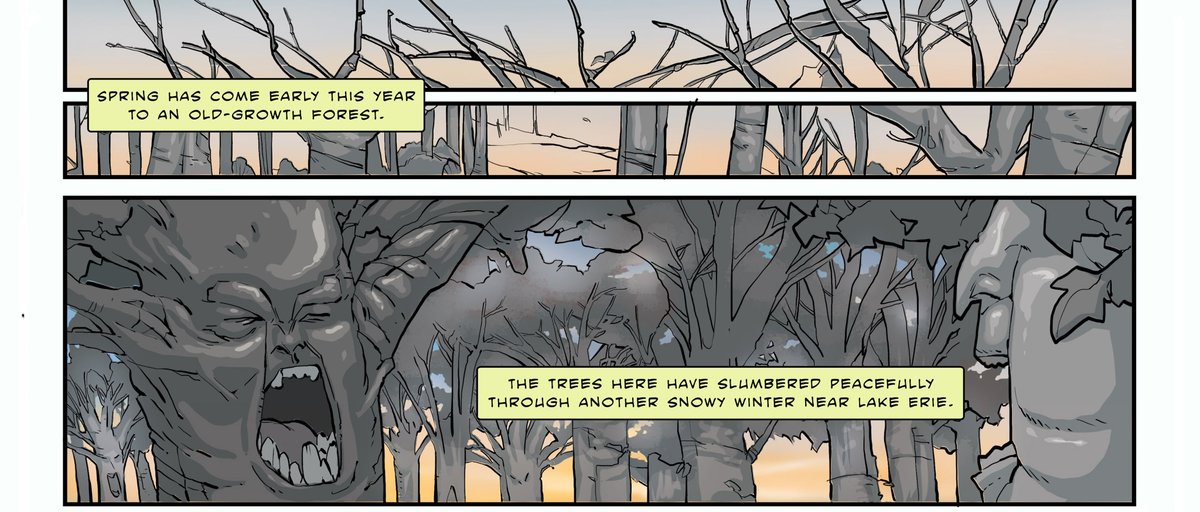
🌧️💧 When rain races down a #beech#tree, it carries secrets, including #nematodes behind Beech Leaf Disease! Check out our new sci-comic "The Battle for the Beeches" with @tyasseta Fredy Siloy, @HFandG
🔽 Swipe the preview panels
Generosity: soon to be quantified, ranked and exploited at a #University near you. Maybe the problem isn’t measuring generosity...maybe it’s #academia’s metric lust?
https://t.co/Snb6f0Cwm1
#AcademicChatter
“Publication-based evaluation has shaped and sometimes distorted academia. The community faces a choice: maintain the status quo, or experiment with new measures that better align with our values,” writes Kelly-Ann Allen in a @Nature World View article. https://t.co/LNLd98YYcM
The central premise of Nate's piece (which if you're this deep into our debate, you should go ahead and read/subscribe) is that daylight sunlight itself is a commodity to be preserved/maximized because of population preference
To his credit, he does some math about adjusted morning multipliers etc where we could tweak DST but since that is not a realistic choice I will argue from the following universe of options 1. Permanent ST 2. Status Quo 3. Permanent DST (which reminder Nate says is a better idea than 1)
Now at a baseline level we can understand that sunlight itself is not *always* good. If it was then being in Alaska in summer would be preferable (instead people hate it) and why when traveling abroad you feel so out of whack when your biology says day is night and night is day
The difficulty adjusting has to do with our circadian rhythms (alluded to only once in Nate's piece near the end), and the timing itself of sunlight is the core reason I am a proponent of permanent ST:
While Nate may accuse me of just waving my hands and saying "science", the science is clear. The American Academy of Sleep Medicine said in 2023 after extensive study that it rigidly opposed even seasonal switch to DST
Here is what they wrote: "it is the position of the AASM that the United States should eliminate seasonal time changes in favor of permanent ST, which aligns best with human circadian biology. Evidence supports the distinct benefits of ST for health and safety, while also underscoring the potential harms that result from seasonal time changes to and from DST."
What harm specifically? Daylight savings time causes chronic sleep loss by exposing people to too much light in the evening and not enough in the morning. They write: "Light and darkness are the most powerful timing cues for alertness and sleepiness in the human body. We are more alert in the daytime when there is bright sunlight, and we are sleepier at night when there is darkness. Our daily sleep/wake rhythm closely follows the 24-hour light/dark cycle. This is called our “circadian rhythm.” The one-hour time shift during daylight saving time results in less exposure to light in the morning and greater exposure to evening light relative to typical sleep and work schedules. As a result, we tend to go to bed and fall asleep later, resulting in chronic sleep loss."
As @hubermanlab notes: Dr. Samer Hattar, Chief of the Section on Light and Circadian Rhythms at the National Institutes of Health "suggest that maintaining consistent circadian rhythms by aligning our daily patterns with natural daylight and night-dark cycles is crucial for our mental and physical health, and adjusting the clocks for DST adds unnecessary disruption to these rhythms."
The above statements show that even under our current regime of seasonal DST we are chronically depriving hundreds of millions of people of sleep even if they may *think* they want something different. Since Nate is a data guy, I would challenge him to look at the studies which show the massive health effects of chronic sleep deprivation and the subsequent effect on childhood development + lost economic output
So that returns us to this question: Why is 0430 sunrise "ok" even if people are asleep and may not like it. Because it means that when 50%+ people are awake after 0630 they are getting the light signal in their eyes at the beginning of their day which will trigger the correct biological response to sleep more at the end
Yes, I understand why it can subjectively "feel" better to have light at the end of the day but there is overwhelming evidence that this is bad for society as a whole and why EOD President Trump and the GOP should do away with DST forever
🎄 What if #Dickens & #Dostoevsky wrote a #Christmas story together? 🎄
"The Snow & The Stars" is a festive reflection inspired by their works. Co-created with #ChatGPT for the holiday season! ❄️🌟 https://t.co/cPvqMNs34J via @YouTube
The approach of Fall always inspires a new #ghost#audiobook. Hope you enjoy this #maritime#horror:
"The Upper Berth" by Crawford https://t.co/M2eCXNx5dp via @YouTube