Project Ultra will explore Seafloor Massif Sulphide deposits in Ultramafic rocks on the Mid Atlantic Ridge (13 30N) on the RRS James Cook in 2022 and 2023.
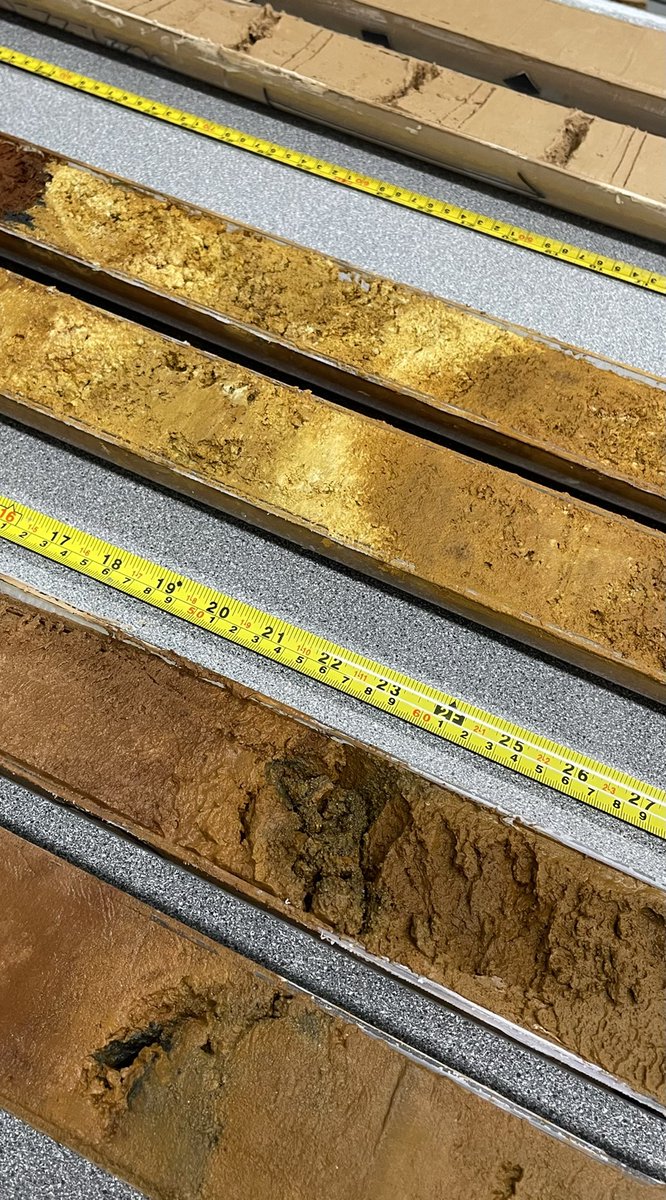
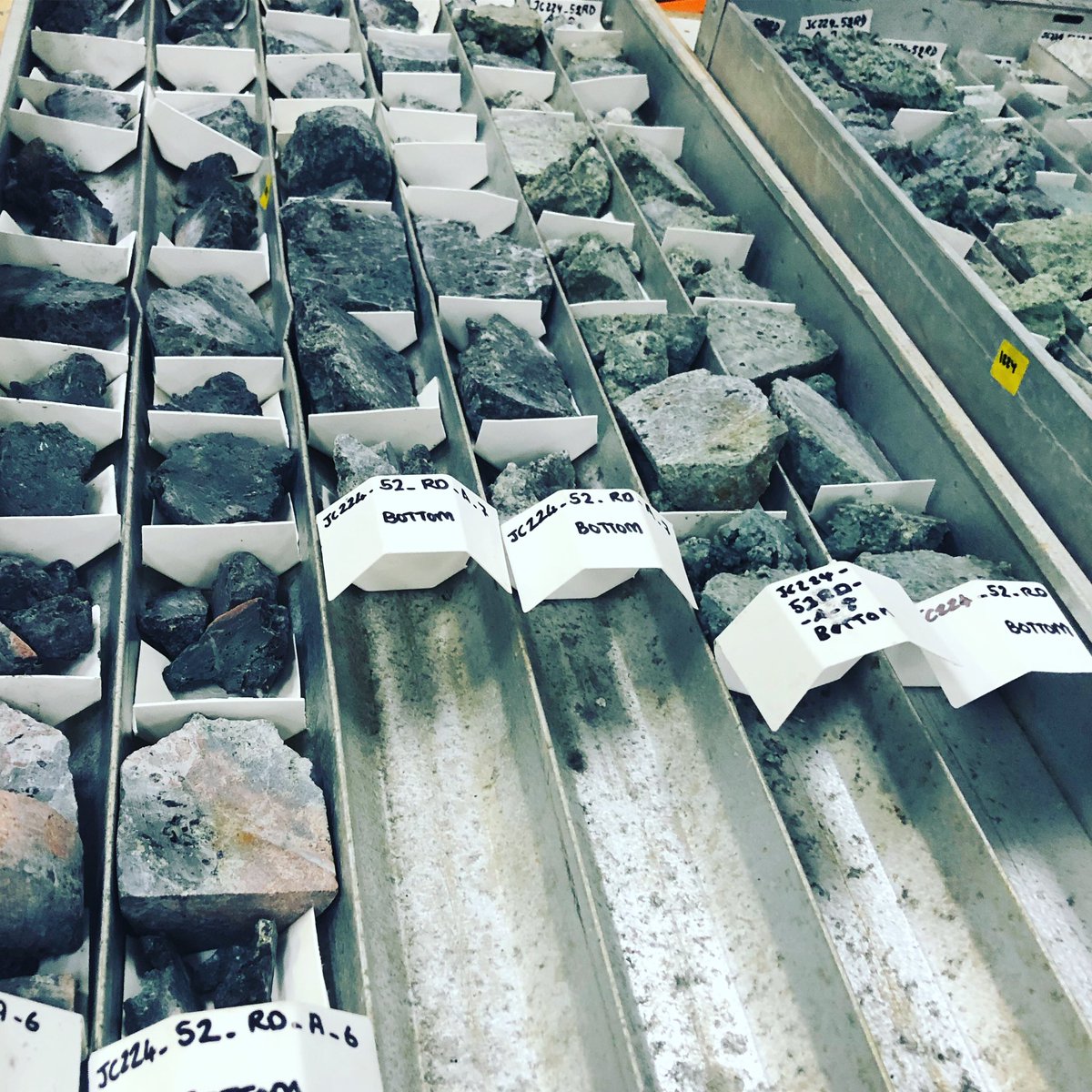
Some of the spectacular cores recovered for @ProjectUltra22 during Cruise #JC224 in the cold store ready for nondestructive analyses.
Let the science begin!
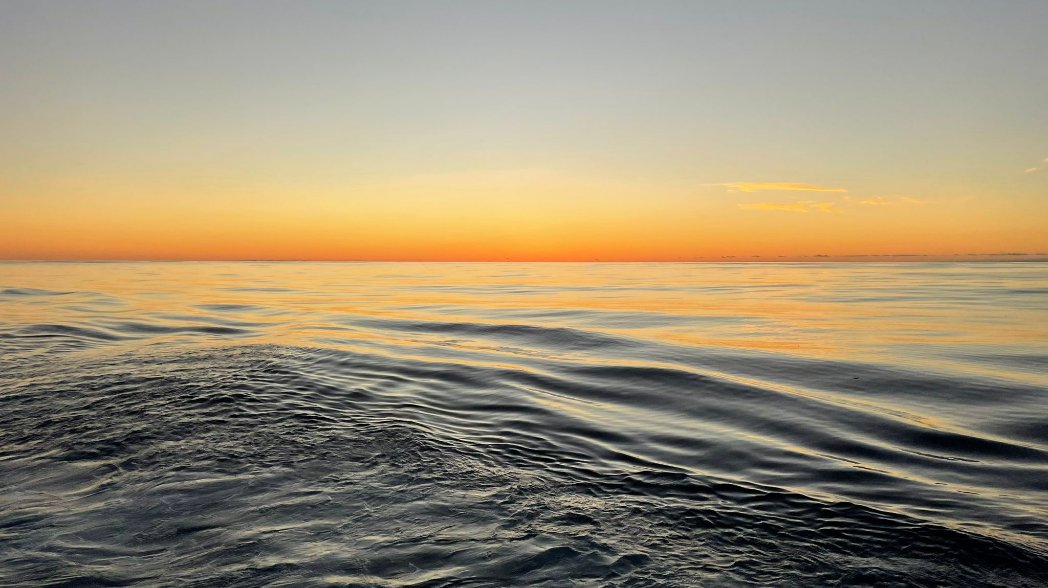
Beautiful view of The Needles this morning. The end of an expedition is always bittersweet, but excited for the science to follow and for part 2 next year. Huge thanks to all the crew, officers, engineers, technical staff and scientists for an amazing expedition. @ProjectUltra22
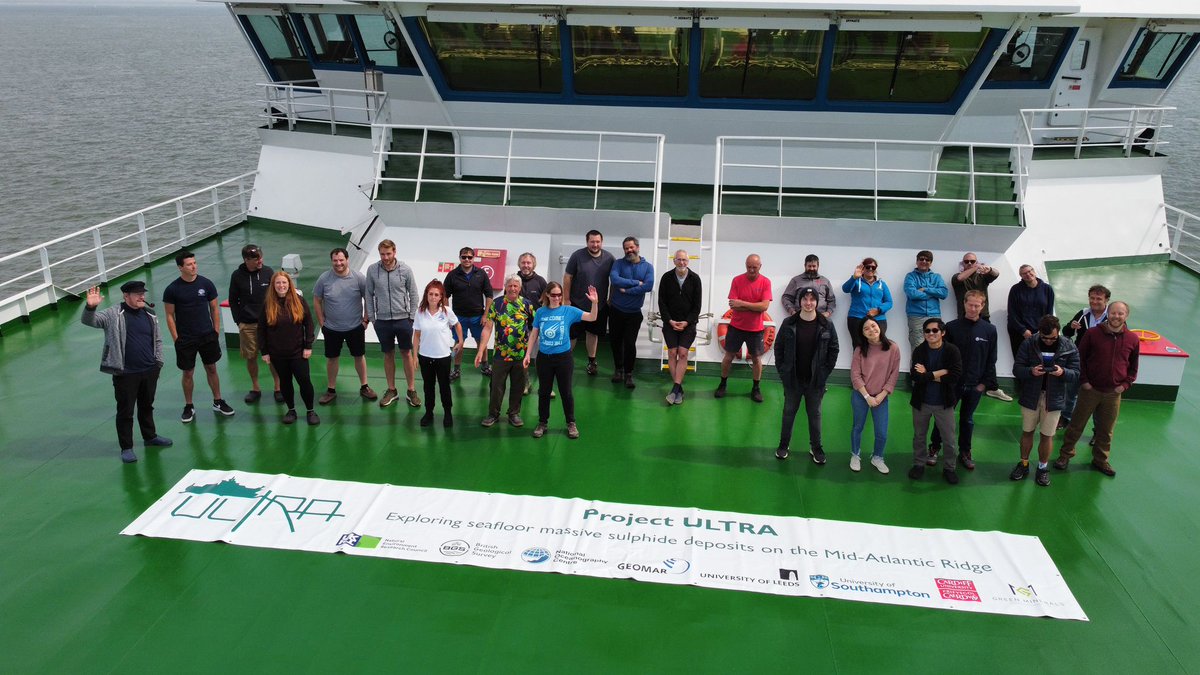
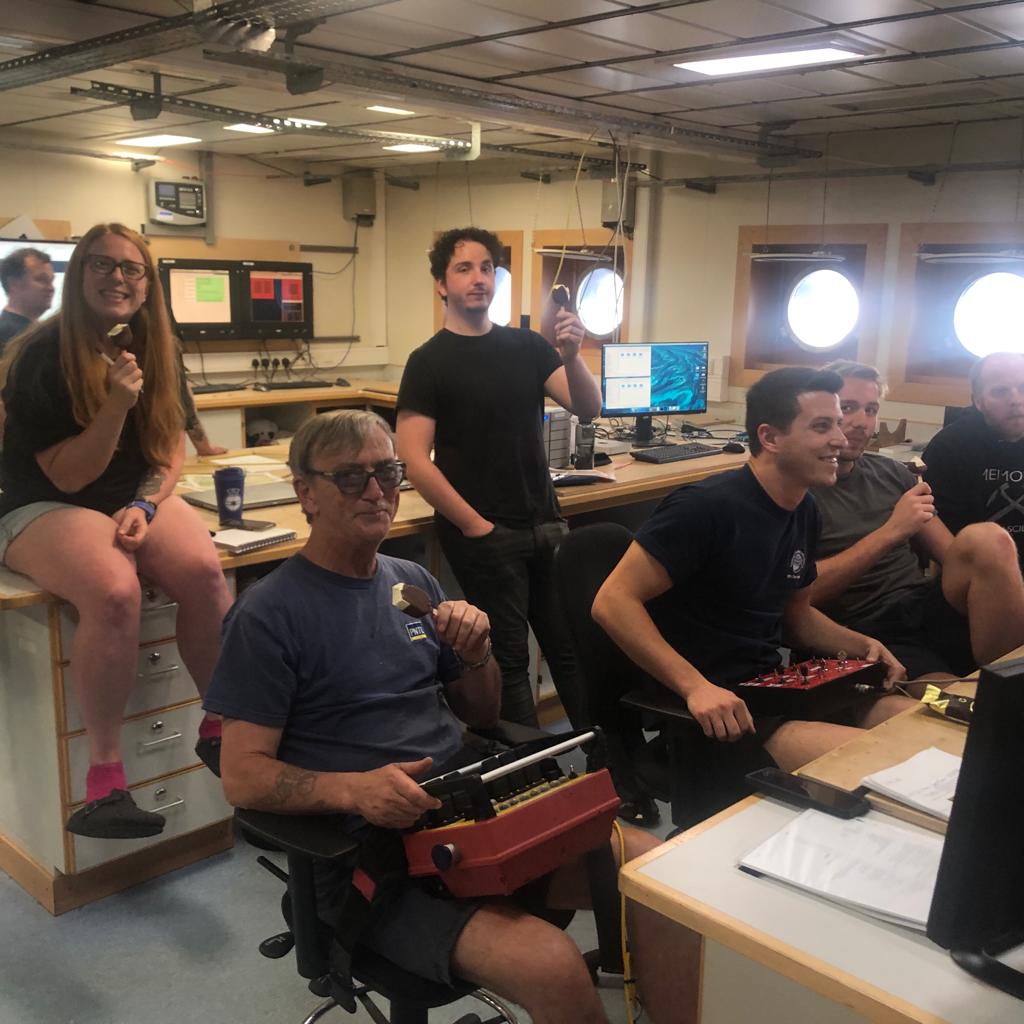
Final group photo for the Project Ultra science and technical party, as we wait for the pilot in the Solent. It has a great cruise, with some fascinating science. Thanks to everyone on board the RRS James Cook, and back onshore for making it such a great success!
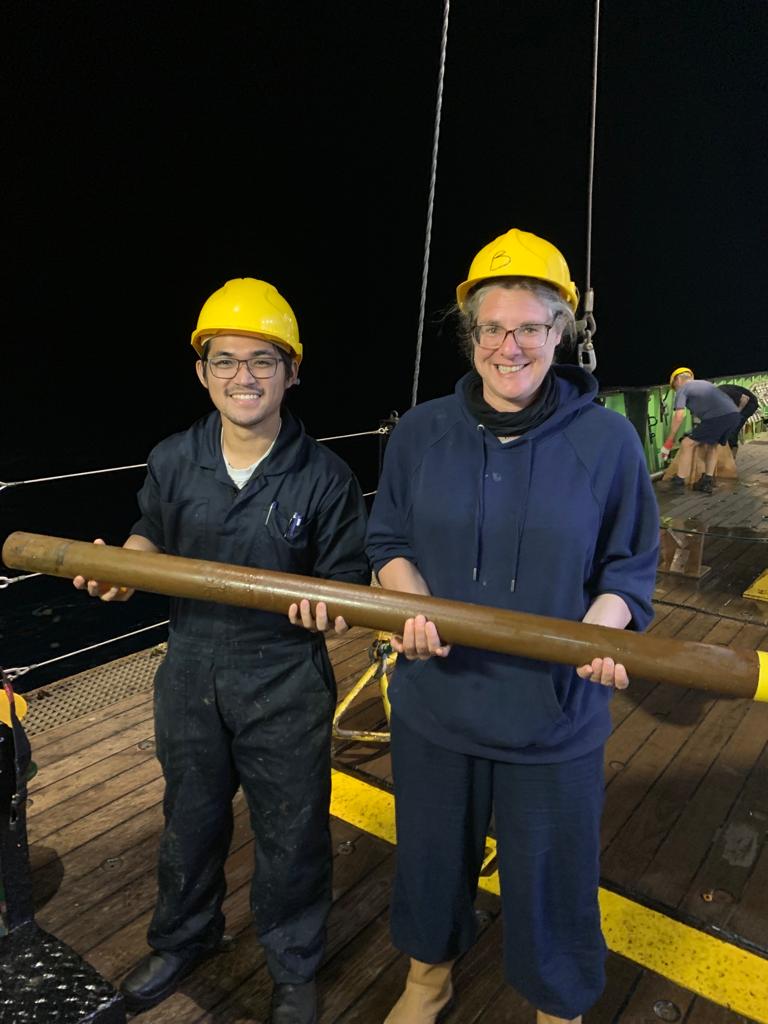
As somebody who likes writing labels a lot, core curation is basically heaven. Already excited to work on this very interesting core from @ProjectUltra22 drilled by the BGS RD2. #geology#research#ocean
Dr. John Jamieson of the Earth Sciences department gave a zoom talk via satellite internet from the UK research vessel, the RSS James Cook, from the mid-Atlantic Ocean. Wow! SEA conference, Memorial Science. @MemorialUSci@MemorialU@MUN_EarthSci
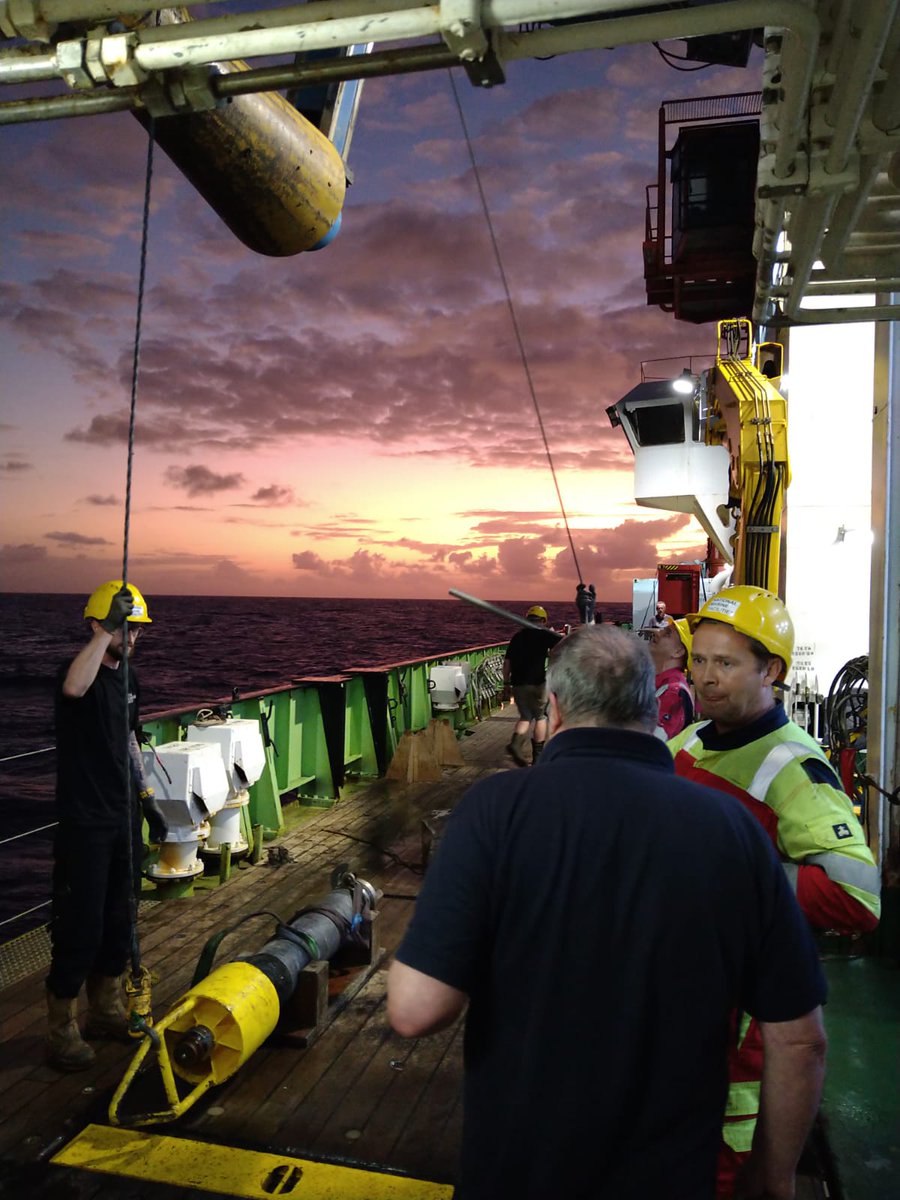
Last gravity core on deck, and the RRS James Cook is ready to sail for home. Many thanks to the Captain, John and the crew for a very successful expedition. Lots more to do on the way back, sorting out samples and analysing the results.
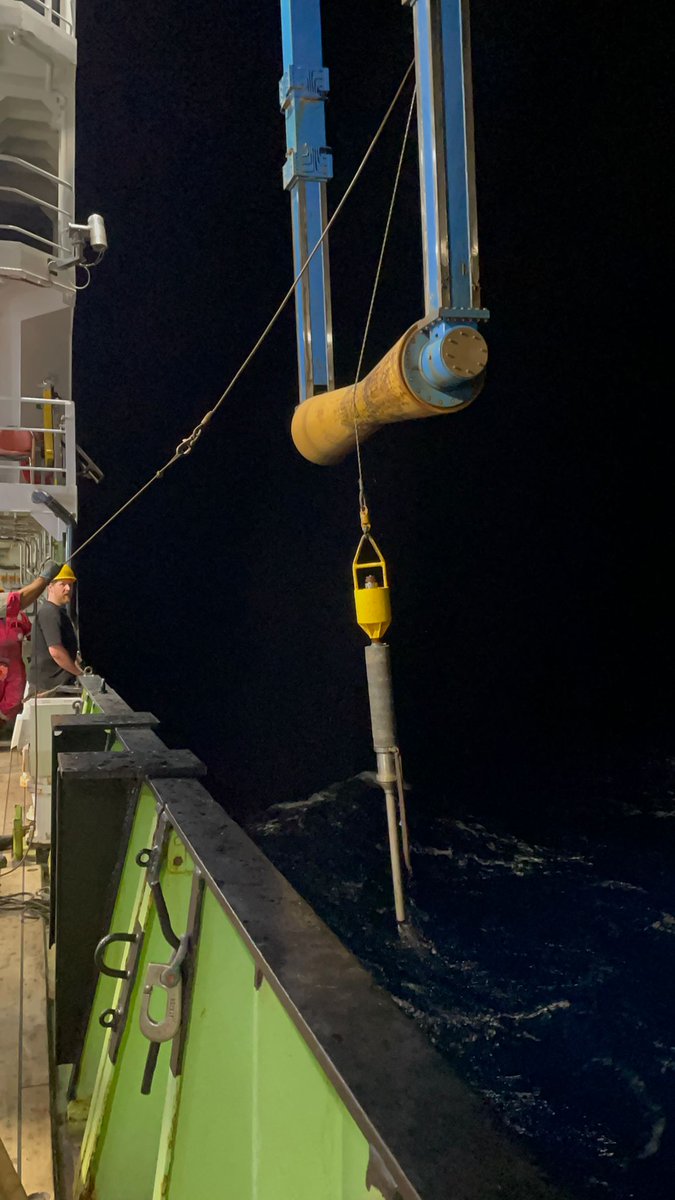
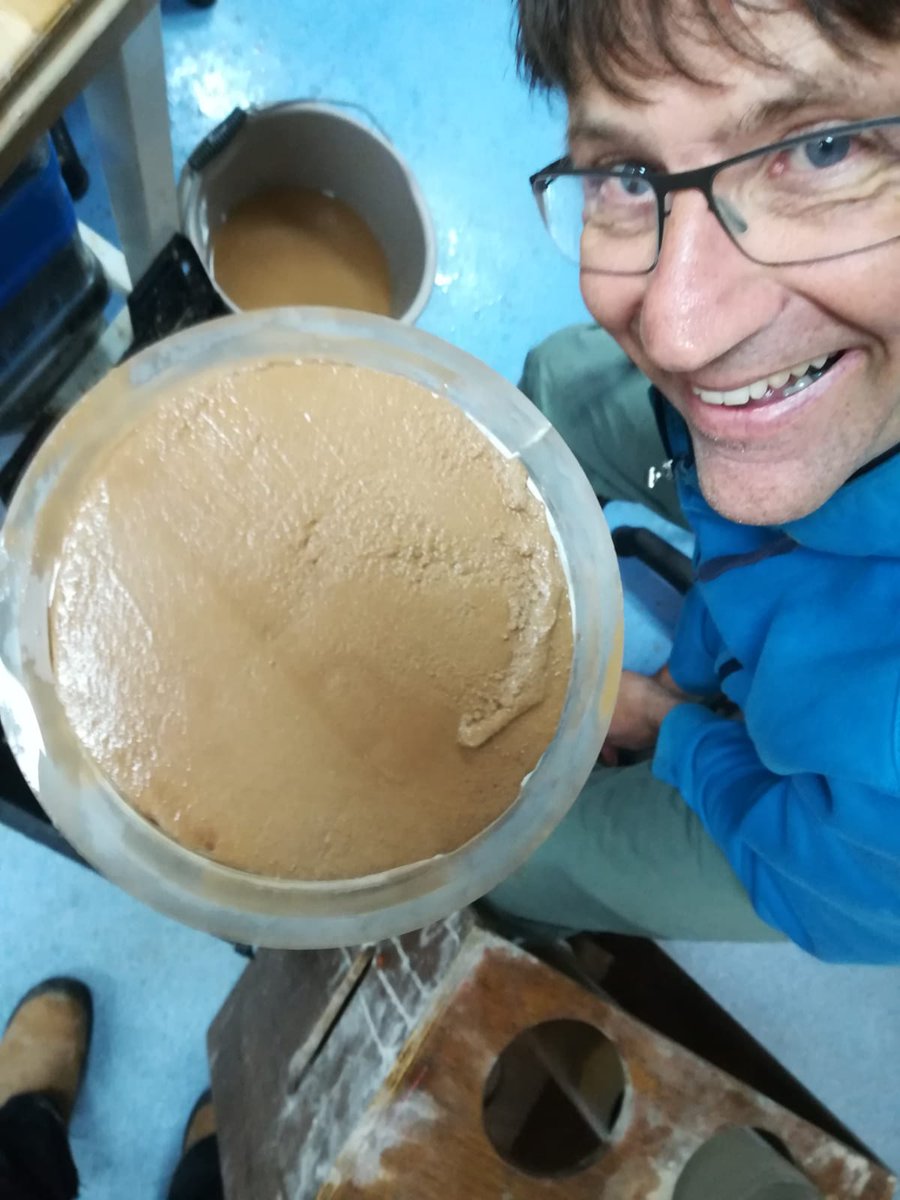
Collecting gravity cores to examine the sediments around the massive sulfides. The sediments will include fall-out from the now inactive black smoker vents, which will help constrain the history of the hydrothermal activity.
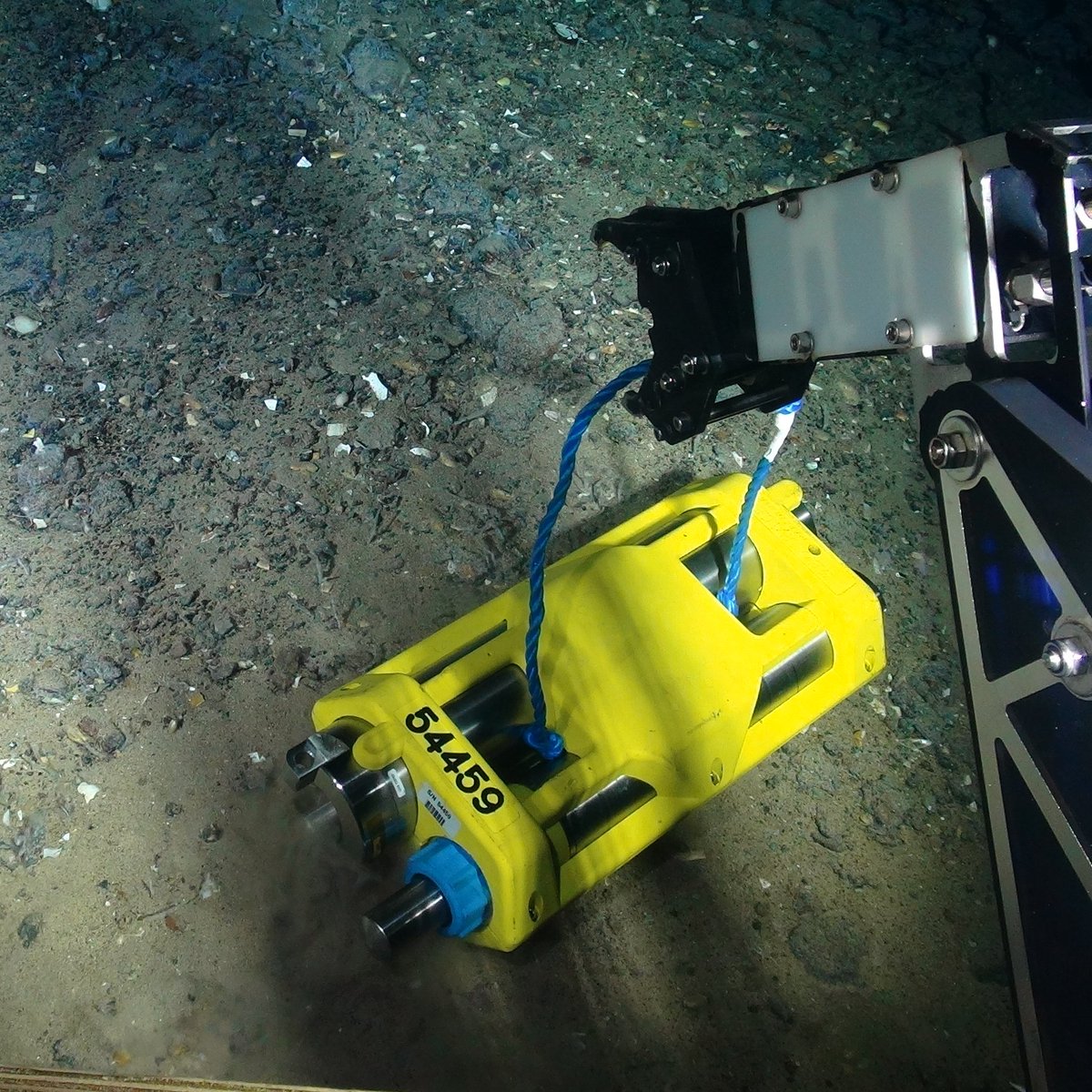
As well as our drilling noise our seismometers are also picking up tiny earthquakes. These are probably coming from very nearby. Typically several occur every hour, a reminder that we are on an active plate boundary, where Africa and America are separating at about 12mm per year.
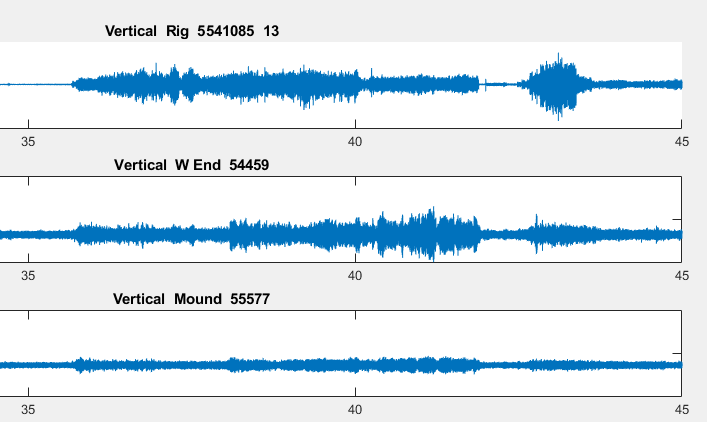
Some preliminary results from Szu-Ying's seismic while drilling experiment on the sulfide mound. We laid OBX seismometers on the seafloor, and recorded the seismic waves generated during drilling. The signal from the rig (top) is clearly seen at the other seismometers.
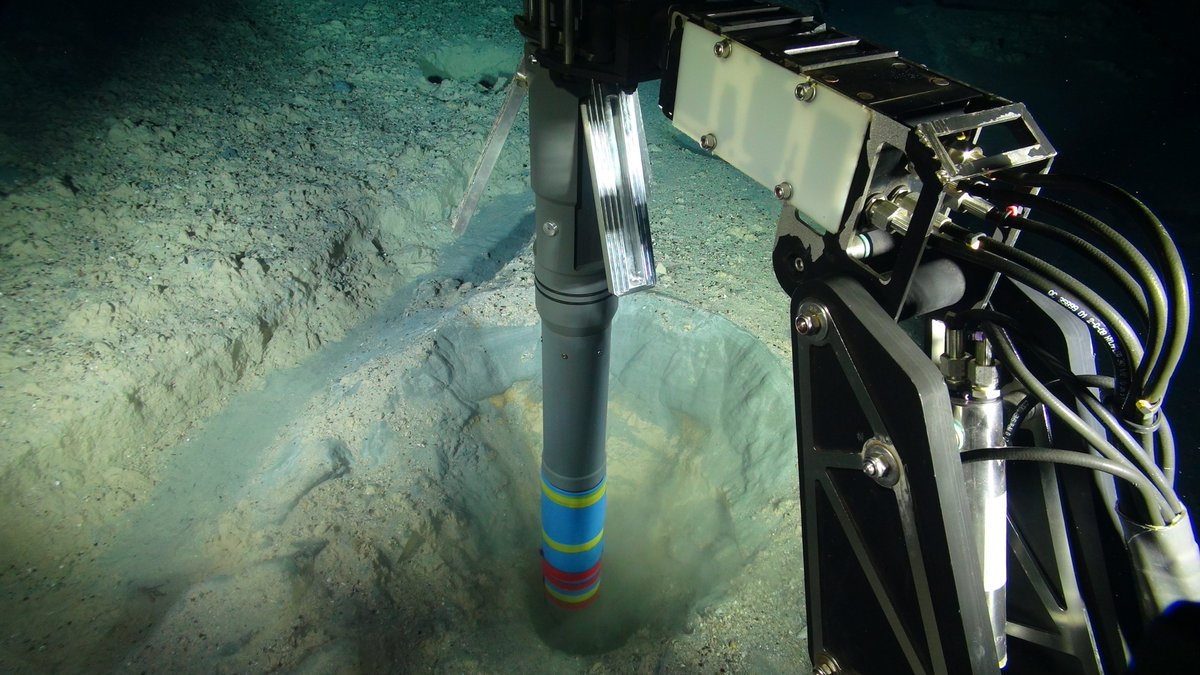
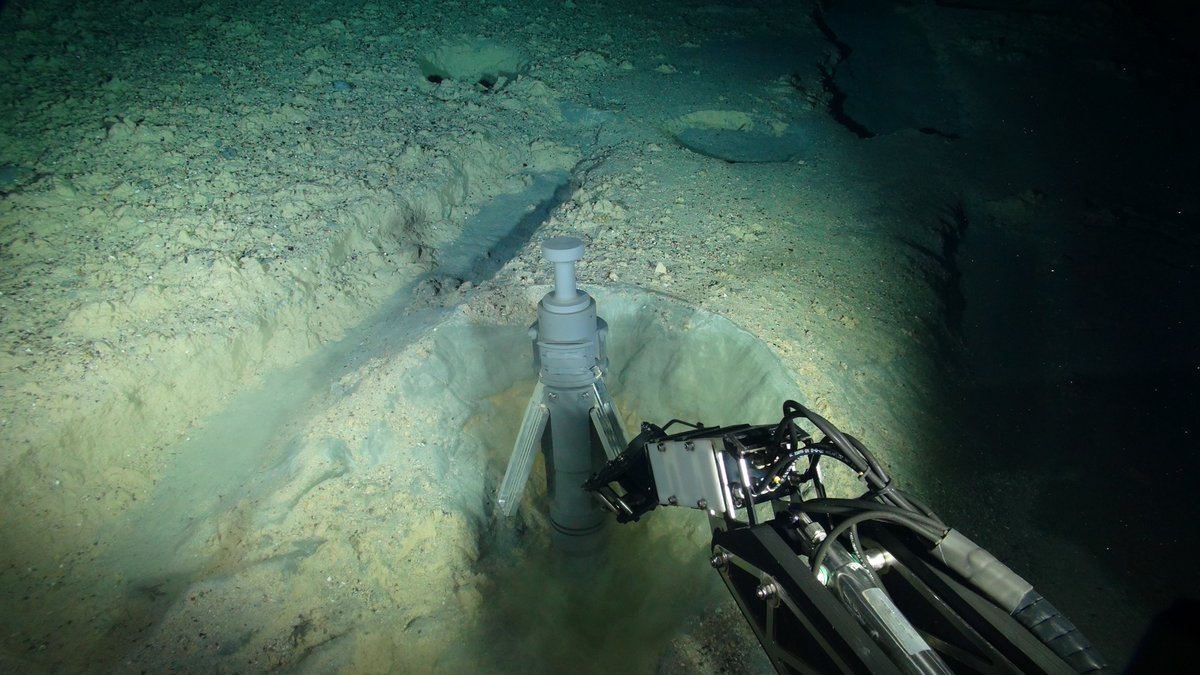
HyBIS ROV team fit a packer into the hole made by the BGS RD2 drill. The blue material slowly swells once in contact with seawater, sealing the hole. The Ultra team will return in 2023 to pop the cap at the top, to allow fluids from the borehole to be sampled for geochemistry.
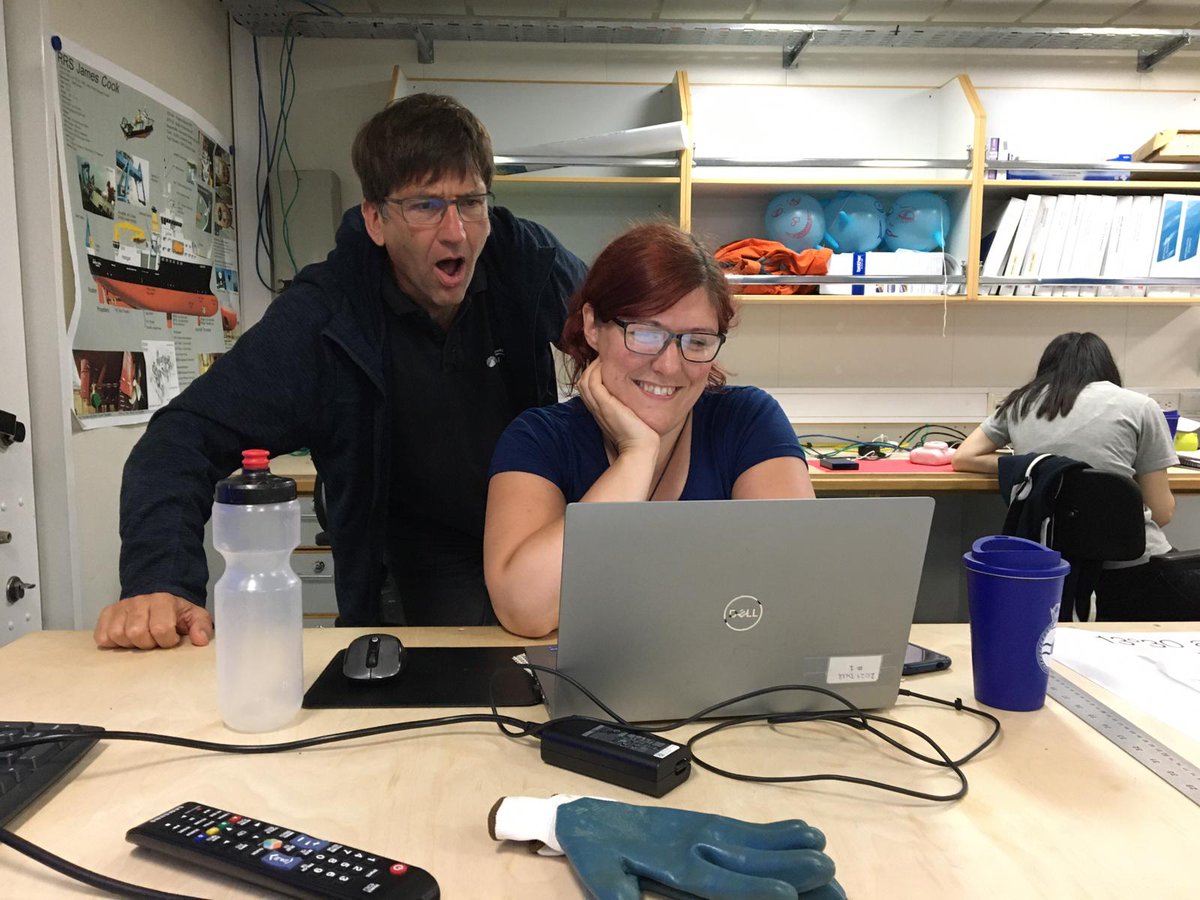
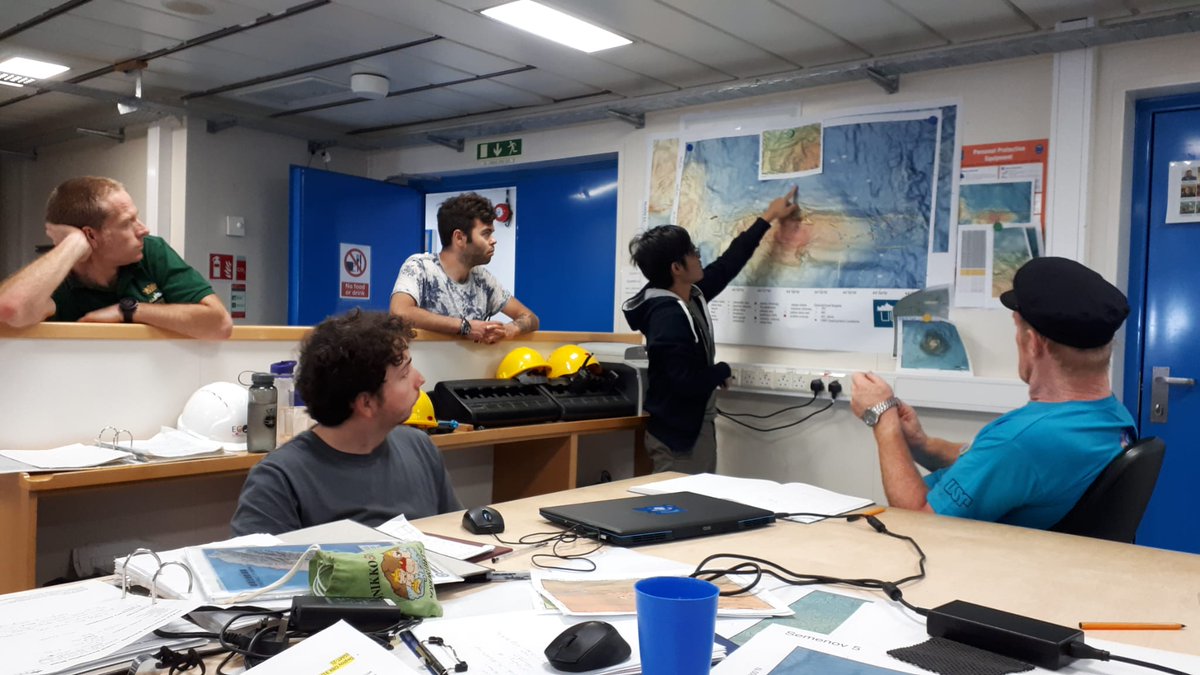
Acer showing the science team his plans for gravity core and megacore sampling sites. The plan is to use these to map the vent fallout, and understand the timing of the hydrothermal activity.