A 193% surge in professional licences is the paper trail of who just moved in.
BlackRock. Man Group. Capital Group ($3.3T). Bain, Barings: roughly $4.4 trillion in asset managers set up in Abu Dhabi in a single month this year, lifting ADGM’s assets 57% in one quarter.
None of it is accidental: English common law, right next to trillion-dollar sovereign funds. Abu Dhabi engineered the conditions, and the world’s money showed up.
Abu Dhabi’s position as a regional hub for business and finance will only keep growing.
Abu Dhabi continues to strengthen its position as a global destination for business and investment, driven by strong growth in business licenses, industrial activity and an increasingly competitive economic ecosystem.
Professional licenses surged 193% in Q1, while commercial licenses rose 20%, highlighting the emirate’s continued success in attracting investment, supporting private sector growth and advancing economic diversification.
#AbuDhabi #Investment #Business #Economy #UAE
Most people will read this as war news. It’s infrastructure news.
The UAE has been routing around Hormuz since 2012, when the Fujairah pipeline first skipped the strait. Now DP World is adding a full east-coast port - cargo bypasses the chokepoint entirely and moves overland to Dubai and Abu Dhabi.
The real signal: they’re building it even with the strait expected to reopen. The goal is zero dependency, open or not.
That’s the mindset that runs this country: solve the vulnerability before the next crisis arrives, not after.
people don’t realize how heavily subsidized AI is right now
your o3 prompts probably cost more in electricity alone than your subscription fee
remember when uber was awesome and cheaper than a taxi? yeah, that.
Polsia just raised $30M at a $250M valuation.
Approaching $10M annual run rate.
One Founder + AI. Zero employees.
Polsia runs companies autonomously.
It also ran its own fundraising.
I just showed up for signatures.
Sheikh Mohammed bin Rashid vient d'annoncer jeudi dernier que cinquante pour cent des services publics des Émirats tourneront sur des agents IA autonomes d'ici 2028. Pas des assistants. Des agents qui "analysent, décident, exécutent et s'améliorent en continu".
Pendant que Bruxelles fignole l'AI Act et organise des consultations sur les "modèles à usage général", Dubaï annonce un changement de modèle d'État entier en deux ans. Pendant que Paris débat de la souveraineté numérique en réunion interministérielle, les Émirats déclarent que leur gouvernement va devenir le premier au monde à fonctionner majoritairement sur de l'IA agentique.
Je ne suis pas dupe sur la nature politique du régime. C'est précisément pour ça que le signal est intéressant. Une monarchie pétrolière prend le risque industriel et bureaucratique d'automatiser la moitié de ses processus régaliens, sur un agenda public et avec un calendrier court. Ce n'est pas un effet d'annonce, c'est un ordre de marche descendu du sommet vers les ministères.
Les Émirats viennent de poser un benchmark international. Le jour où un citoyen comparera son délai de traitement Caf ou son rendez-vous Préfecture à un service émirati instantané, la légitimité même du modèle administratif occidental va commencer à se fissurer. Et personne en Europe n'a l'air pressé de comprendre que c'est ça, la compétition qui va compter ces prochaines années.
Anyone with a remote interest in how Chelsea are funded by Ares, please put aside 10 minutes to read this. Probably the most in depth analysis I have done. Frankly, it's scary... #Chelseafc#CFC https://t.co/1YjdIRUJAK
This is the story of Hyperliquid, the most profitable startup per employee on earth, told from a guarded office in Singapore.
Last year, its team of 11 generated $900 million in profit. It's 3 years old, has never taken a dollar of venture capital, and is beginning to change how century-old markets work.
Its founder, Jeffrey Yan (@chameleon_jeff), had never taken a physics class when he picked up a textbook at 16. Two years later, he won gold at the International Physics Olympiad. In 2019, he started trading with $10,000 from a living room in Puerto Rico—working off a television because he didn't own a monitor.
Within 3 years, he was running one of the largest anonymous crypto trading firms.
Then he shut it down. Yan was rich and free, but he had spent years inside crypto, watching it betray itself. Bitcoin's central premise was decentralization. Yet the biggest exchanges were centralized. Crypto kept reintroducing the dependence on trust it was built to eliminate. He set out to create what should have existed.
Hyperliquid is a blockchain with a trading exchange on top, and anyone can build on it. Yan's vision is to house all of finance. In 3 years, it has done over $4 trillion in volume. And in the past few months, it has begun to outgrow crypto.
Markets for oil, silver, and the S&P 500 now trade on Hyperliquid around the clock, weekends included, and are growing roughly 40% week on week. When the US and Israel bombed Iran on a Saturday in February, Hyperliquid was the venue traders turned to.
Hyperliquid's success has cost Yan his freedom. He works out of a secret office in Singapore and cannot travel without two bodyguards. Even the team's housekeeper doesn't know what they do.
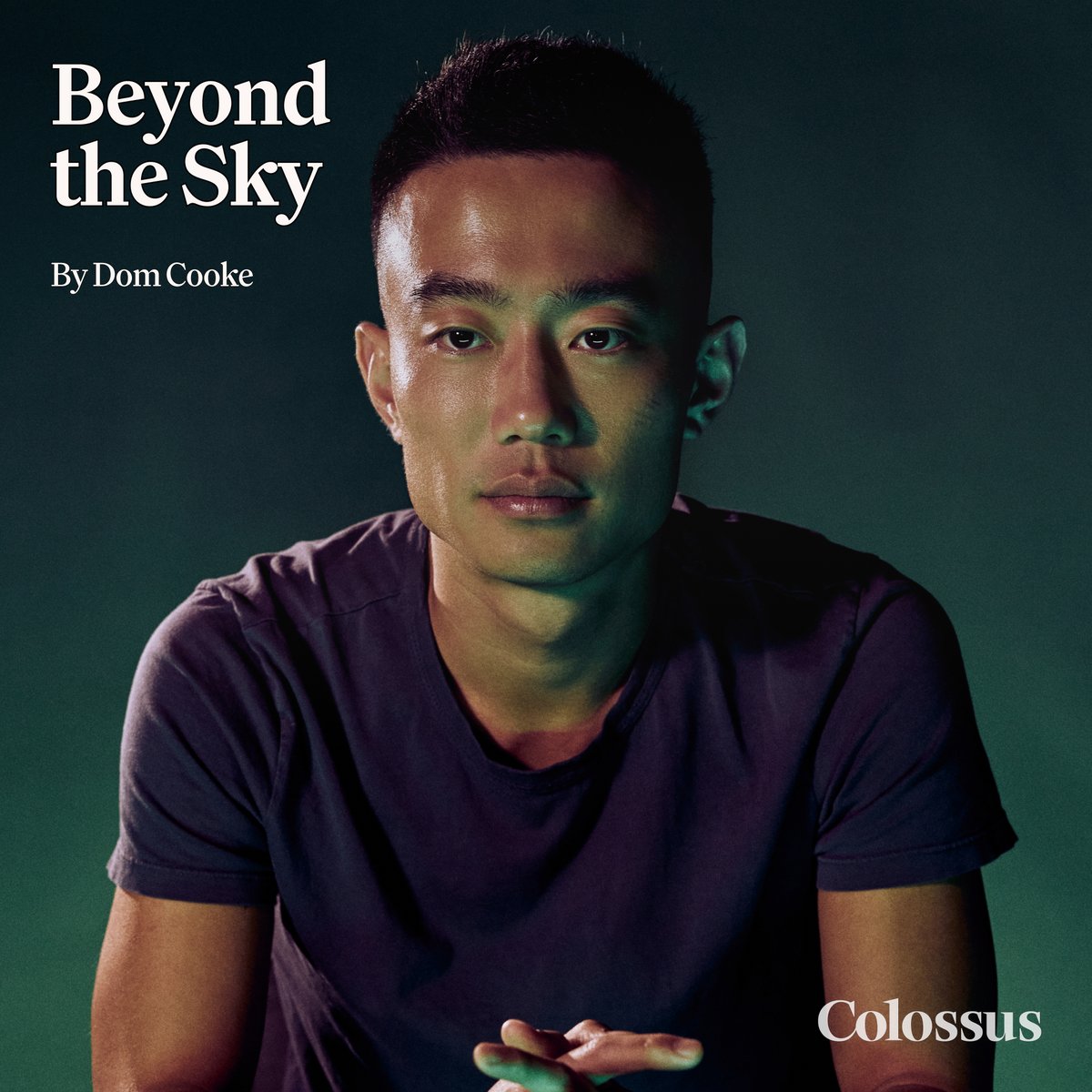
In January, @domcooke spent a week at their office. Read his profile on Yan and @HyperliquidX below.
FaZe, c’est probablement l’un des plus gros crashs symboliques du gaming moderne.
On parle d’une marque qui est passée d’une hype de licorne à une coquille vide en un temps record. En 2022, FaZe entre en bourse via un SPAC sur une valorisation d’environ 725 millions de dollars, après avoir un temps été présenté comme un actif à plus d’1 milliard. Mais dès le départ, le deal est bancal : énorme vague de rachats d’actions par les investisseurs du SPAC, engagements financiers qui sautent, et une société cotée avec beaucoup moins d’oxygène que prévu.
La suite, on la connaît : pertes massives, action qui s’effondre, avertissements du Nasdaq, management qui saute, puis rachat par GameSquare pour environ 17 millions de dollars. Quand on remet ça en perspective, la destruction de valeur est presque absurde.
Et le plus intéressant, ce n’est même pas la finance. C’est ce que ça dit sur la nature réelle de l’actif. FaZe n’a jamais été “juste” une boîte esports. FaZe, c’était une époque. C’était une esthétique internet. C’était l’ère où on rentrait du collège ou du lycée pour regarder des montages sniper, des trickshots sur MW2, des clips qui ont littéralement façonné une génération. Moi compris. Le vrai actif, il a toujours été là : la culture, le mythe, la nostalgie.
Le problème, c’est qu’à force de vouloir transformer ça en corporate media machine, beaucoup ont oublié une chose simple : une creator brand sans créateurs, ce n’est pas une marque. C’est juste un logo avec des souvenirs accrochés dessus.
Entre-temps, il y a eu les restructurations, la séparation entre FaZe Esports et FaZe Media, puis encore plus de chaos avec l’épisode du meme coin MLG, qui a surtout montré à quel point la marque était devenue instable et toxique pour une partie de son propre public.
Et fin 2025, le symbole final tombe : plusieurs des principaux créateurs quittent simultanément FaZe après des négociations contractuelles ratées, laissant l’avenir du pôle média complètement en vrac.
Donc si Kick rachète aujourd’hui ce qu’il reste de FaZe, le pari est assez clair : ils n’achètent pas une machine opérationnelle. Ils achètent un nom. Une mémoire collective. Un bout d’histoire d’internet. En gros, ils achètent l’idée de FaZe plus que FaZe lui-même.
Et c’est là toute la question : est-ce qu’on peut reconstruire une marque de créateurs quand ce qui faisait sa magie a déjà disparu ?
Mon avis : on peut racheter une IP, une maison, un logo, une audience résiduelle. Mais on ne rachète pas une époque.
L’ère FaZe des trickshots MW2, des montages YouTube et de la culture gaming “organique”, elle ne se refinance pas. Elle ne se restructure pas. Elle ne se rachète pas.
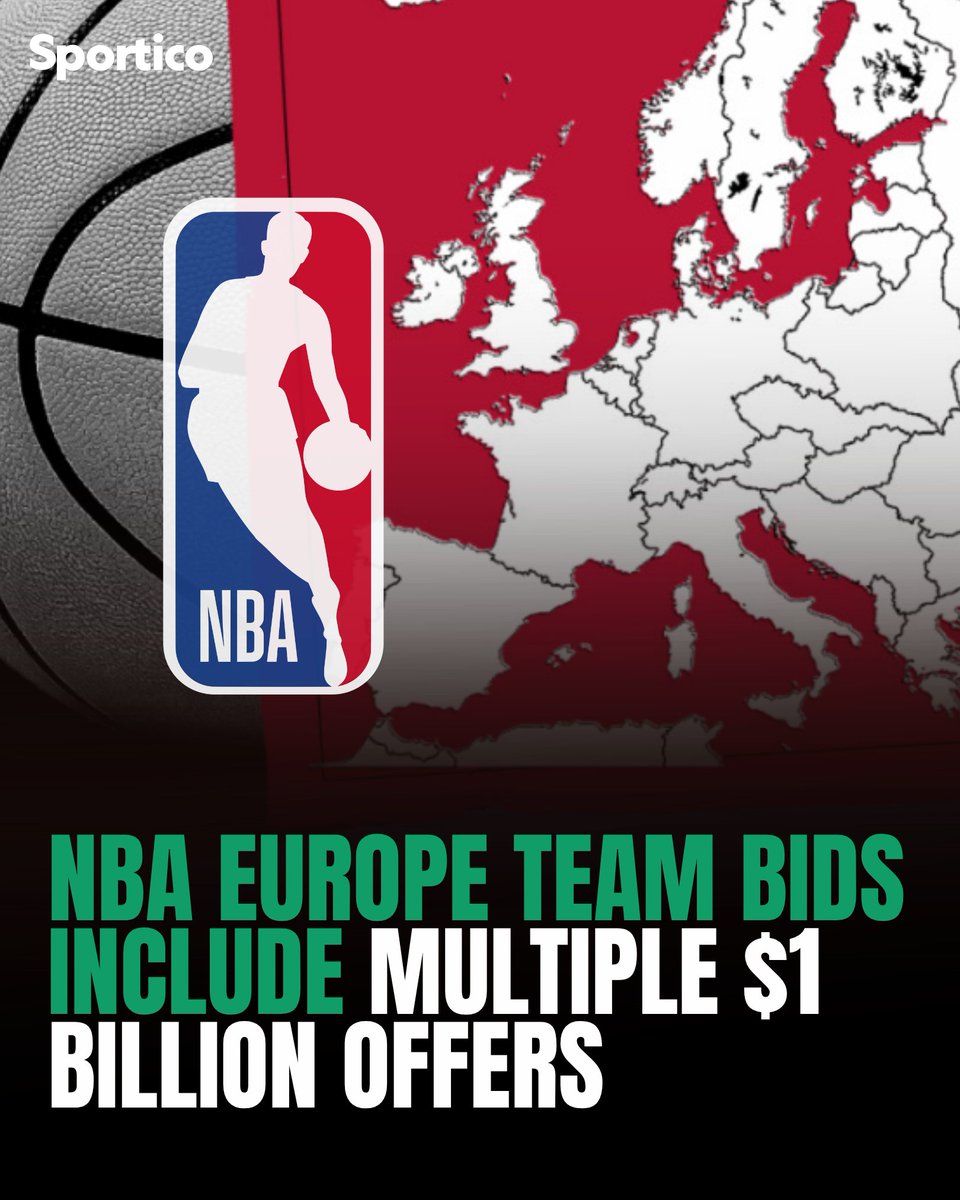
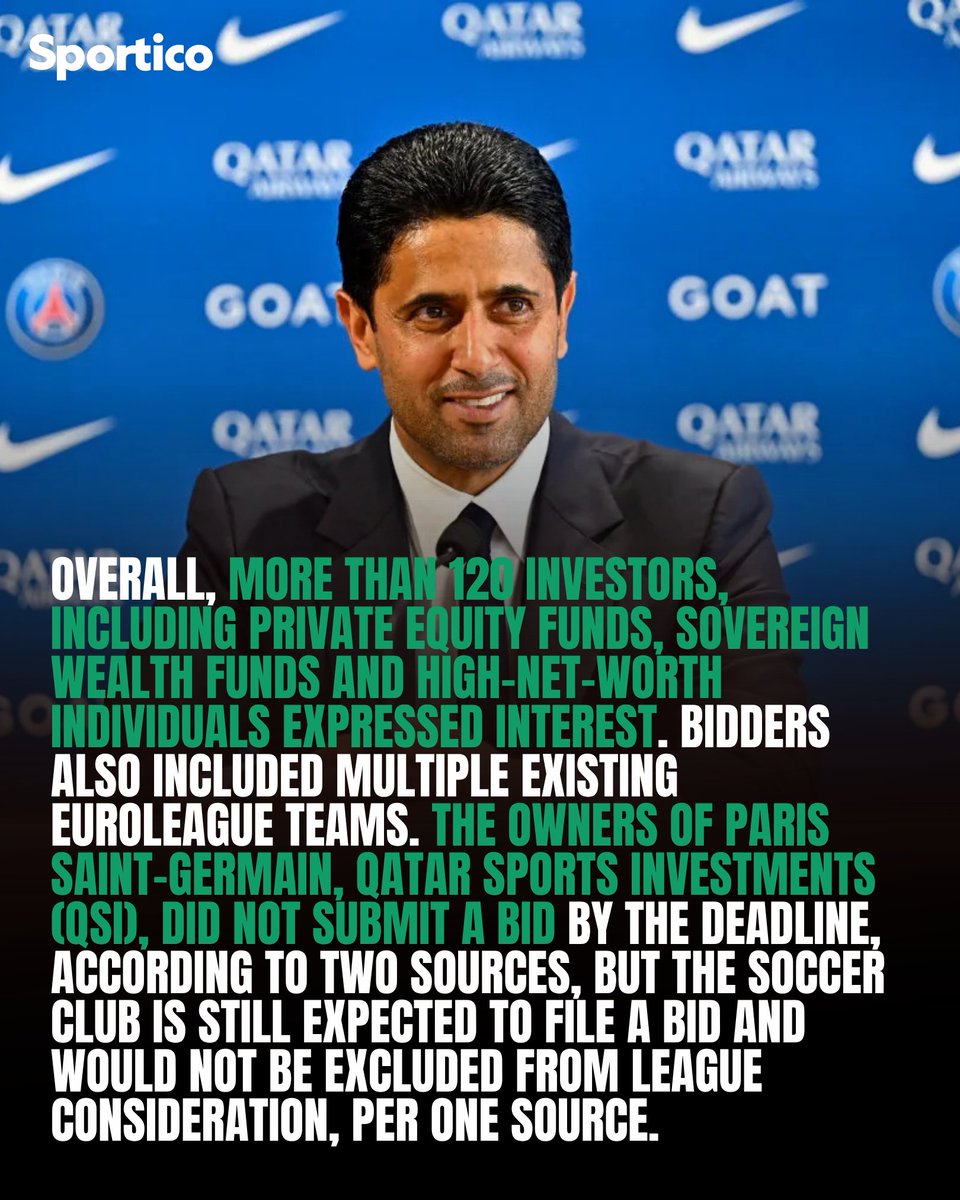
First-round bids for teams in the new @NBA Europe were due Tuesday, and multiple bidders offered $1 billion to be part of the league. Several others offered at least $500 million, according to someone familiar with the process who was not authorized to discuss publicly.
Full story: https://t.co/3xZOz2GqLz
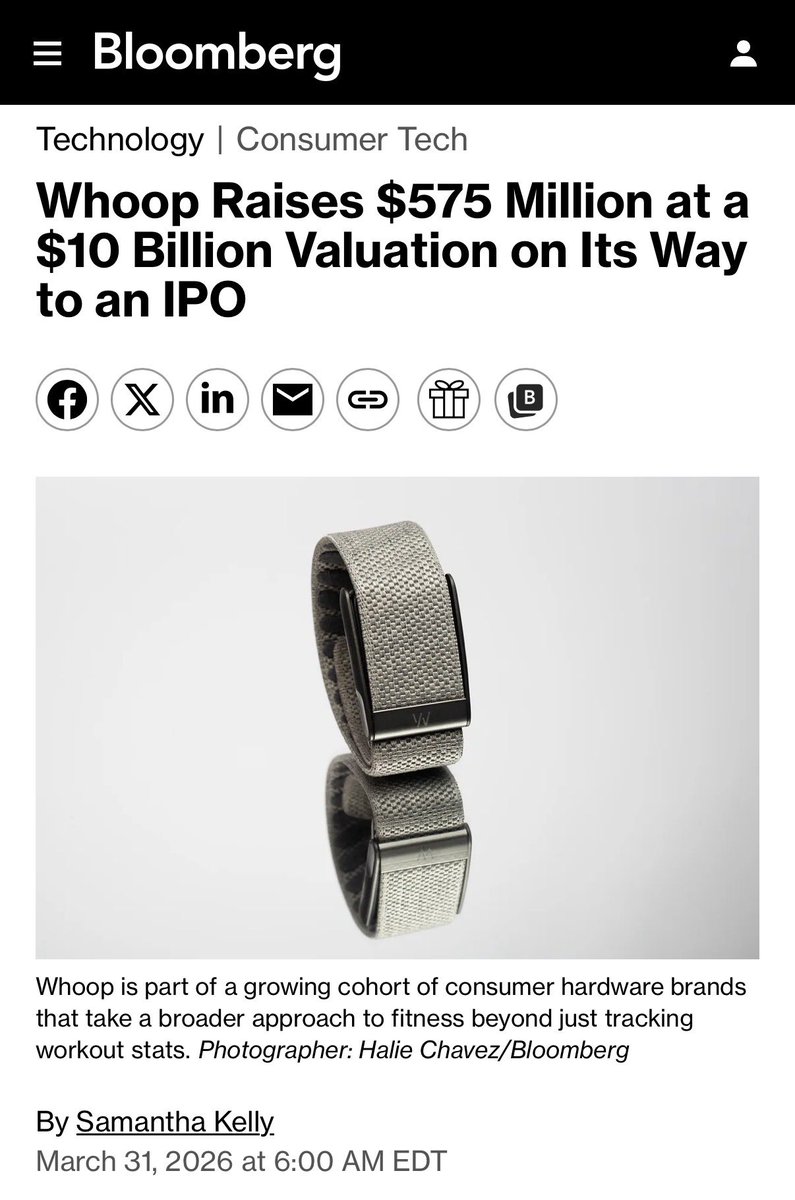
La liste des investisseurs dit exactement ce que WHOOP est devenu.
10,1 Md$ de valorisation pour une entreprise qui distribue un bracelet sans écran, sans bouton, sans interface. Le hardware est presque secondaire. Le vrai produit, c’est l’abonnement : WHOOP facture entre 149 et 359 dollars par an pour transformer vos données biométriques en service récurrent.
Mais le plus intéressant n’est pas le produit. C’est le tour de table.
Qatar Investment Authority. Mubadala. Abbott. Mayo Clinic. À partir du moment où des fonds souverains du Golfe et deux des plus grandes institutions de santé au monde investissent dans le même tour, on ne parle plus seulement de fitness ou de performance. On parle d’une infrastructure de santé préventive en train de se construire en dehors de l’hôpital.
WHOOP ne vend plus juste un bracelet. L’entreprise agrège un flux massif de données physiologiques continues, 24/7, à l’échelle de millions d’utilisateurs. Et c’est précisément ce qui intéresse Abbott ou Mayo Clinic : non pas un accessoire bien brandé, mais un canal direct vers le suivi continu des patients, en dehors du cadre clinique traditionnel. C’est là que la valeur stratégique commence.
Les athlètes-investisseurs - Ronaldo, LeBron, Rory McIlroy - servent surtout d’habillage. Ils maintiennent WHOOP dans l’univers de la performance et du sport. Mais derrière cette façade très lifestyle, le capital qui entre est du capital de santé, du capital réglementaire, du capital d’infrastructure.
Le point d’inflexion est aussi réglementaire. WHOOP valait 3,6 Md$ en 2021 ; il vaut désormais 10,1 Md$. Cette revalorisation intervient après l’obtention du feu vert FDA pour l’électrocardiogramme, alors même que le sujet du suivi de la pression artérielle reste au cœur d’un débat réglementaire avec l’agence américaine.
En réalité, Will Ahmed n’est probablement plus en train de bâtir une marque fitness. Il est en train de construire l’interface grand public de la médecine préventive de demain.
Le pari derrière les 10,1 Md$, c’est que le premier point de contact du “futur hôpital” ne sera pas un bâtiment. Ce sera votre poignet.
BREAKING: WHOOP RAISES $575M AT $10.1B VALUATION
I am pleased to announce that we’ve raised $575M at a $10.1B valuation to accelerate our mission of unlocking human performance and healthspan globally.
This round was led by Collaborative Fund with participation from 2PointZero Group, Qatar Investment Authority (QIA), Mubadala Investment Company, Abbott, Mayo Clinic, Macquarie Capital, Glade Brook, B-Flexion, IVP, Foundry, Accomplice, Affinity Partners, Promus Ventures, and Bullhound Capital alongside a group of individual investors including Cristiano Ronaldo, LeBron James, Rory McIlroy, Virgil van Dijk, and Mathieu van der Poel.
This investor group and this moment reflect a powerful evolution underway for Whoop and the broader healthcare market.
Whoop was born in performance - trusted by the best athletes in the world to train, recover, and compete at the highest level. That foundation remains core to who we are. You see that in the iconic athlete investors joining this round.
But it also represents our push into broader health.
In the past 12 months, WHOOP has received medical clearances, launched blood testing, and created a platform that has saved lives. Abbott and Mayo Clinic - two of the most respected and influential institutions in global healthcare - are now investors in Whoop. These are organizations that have shaped modern medicine. Their decision to partner with us is a clear validation of where our technology is headed.
Healthcare systems around the world are reactive. For too long, they have waited for people to get sick, then intervene. Chronic disease is rising and costs continue to climb.
At Whoop, we believe the future looks fundamentally different. We are building the most powerful, personal, preventive health platform in the world - powered by continuous biometric data, advanced analytics, and AI to help people understand their bodies and improve their health in real time.
I am grateful to our team, our members, and our partners for believing in this vision. I’ve been building this company for 14 years and I’ve never been more excited for the future.