New Paper: Human-like Autonomy Emerges from Self-Play and a Pinch of Human Data.
We trained self-play RL on 60 years of simulation on 1 GPU in ~15 hours. Regularizing with 30 minutes of demonstration data produces much more human-like driving policies!
Medium article: https://t.co/LqD2xhjfhH
The code is open source, so please go check out the repo to learn how to apply TurboQuant to your own problems: https://t.co/RdwZqG6kQT
Compressing KV cache sounds like a storage problem, but it is really a geometry problem.
Shrinking 16-bit floats down to 4, 3, or even 2 bits is noisy and can destroy the geometry of your vectors.
A thread on TurboQuant 🧵👇
One really nice property of TurboQuant is that it is not just a KV-cache trick.
The same method applies to RAG pipelines, vector databases, and nearest-neighbor search. In other words, any time when the real target is the geometry and not the coordinates.
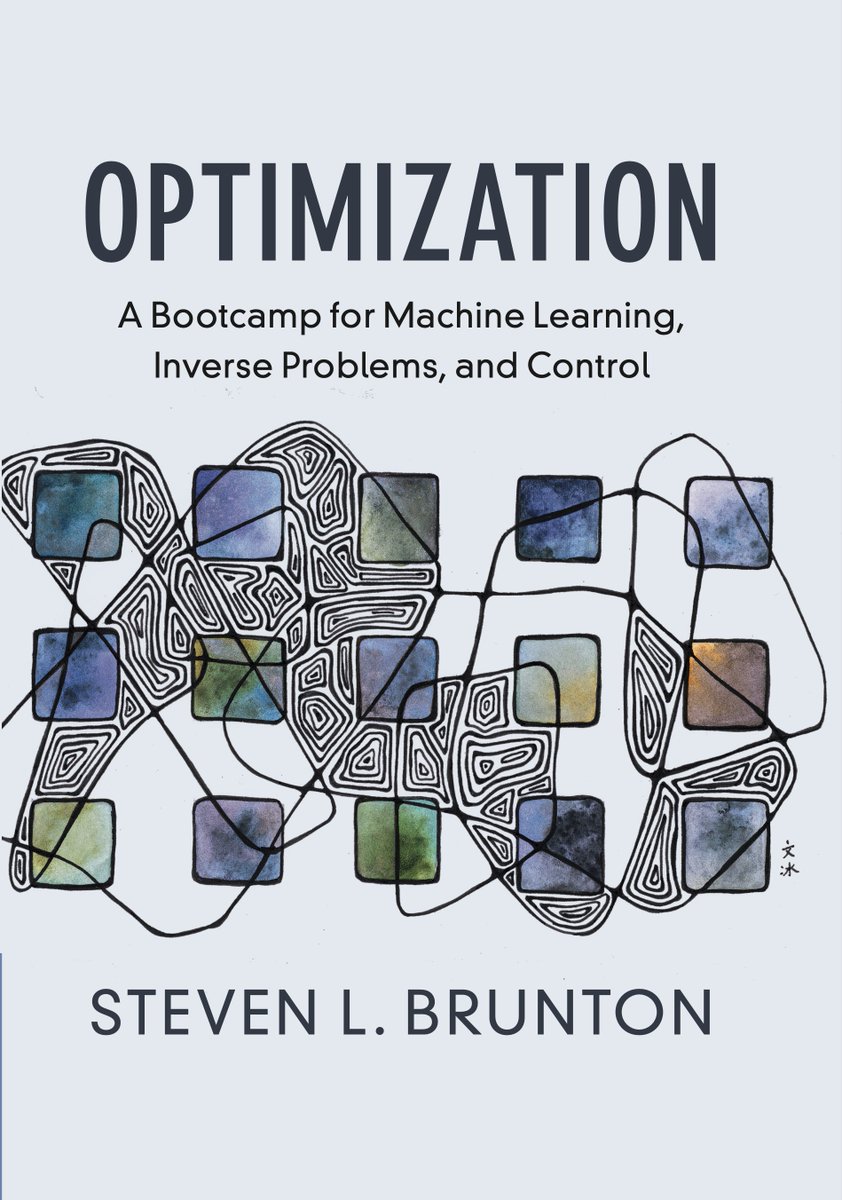
I Wrote a New Book!!!
Optimization: A Bootcamp for Machine Learning, Inverse Problems, and Control
Pre-Order Now (July 31)
https://t.co/EoDMFapUUf
Coming Soon:
* Free PDF on website
* YouTube Videos for entire book
* Python code on GitHub
With one .yallm file you can define, run, test, and version:
- prompt templates
- model settings
- typed inputs
- output schemas
- evals/assertions
Think of it like GitHub Actions / Makefiles for prompts.
Repo: https://t.co/eX9ixTon8C
👇🧵 2/3
Today I'm open-sourcing YALLM!
It's a YAML-based format + CLI for LLM workflows.
The idea is simple: prompts shouldn't live as random string literals buried in your code.
👇🧵 1/3
If you're curious about the vision behind it, check out my Medium post: https://t.co/gKUs7uUvzq
And if you'd like to try it or contribute, here is a link to the GitHub repo: https://t.co/LgxuNq4E47
Feedback and ideas are welcome!
Neural networks power more and more of the products we use every day.
But most of them are still black boxes.
So I built TinyExplainer: a Python package that makes interpretability easier for PyTorch models.
The goal: make model explanations accessible.
Thread👇
TinyExplainer aims to make interpretability tooling simpler and more accessible.
Instead of complex research-heavy frameworks, the focus is on lightweight tools developers can quickly use with PyTorch models.
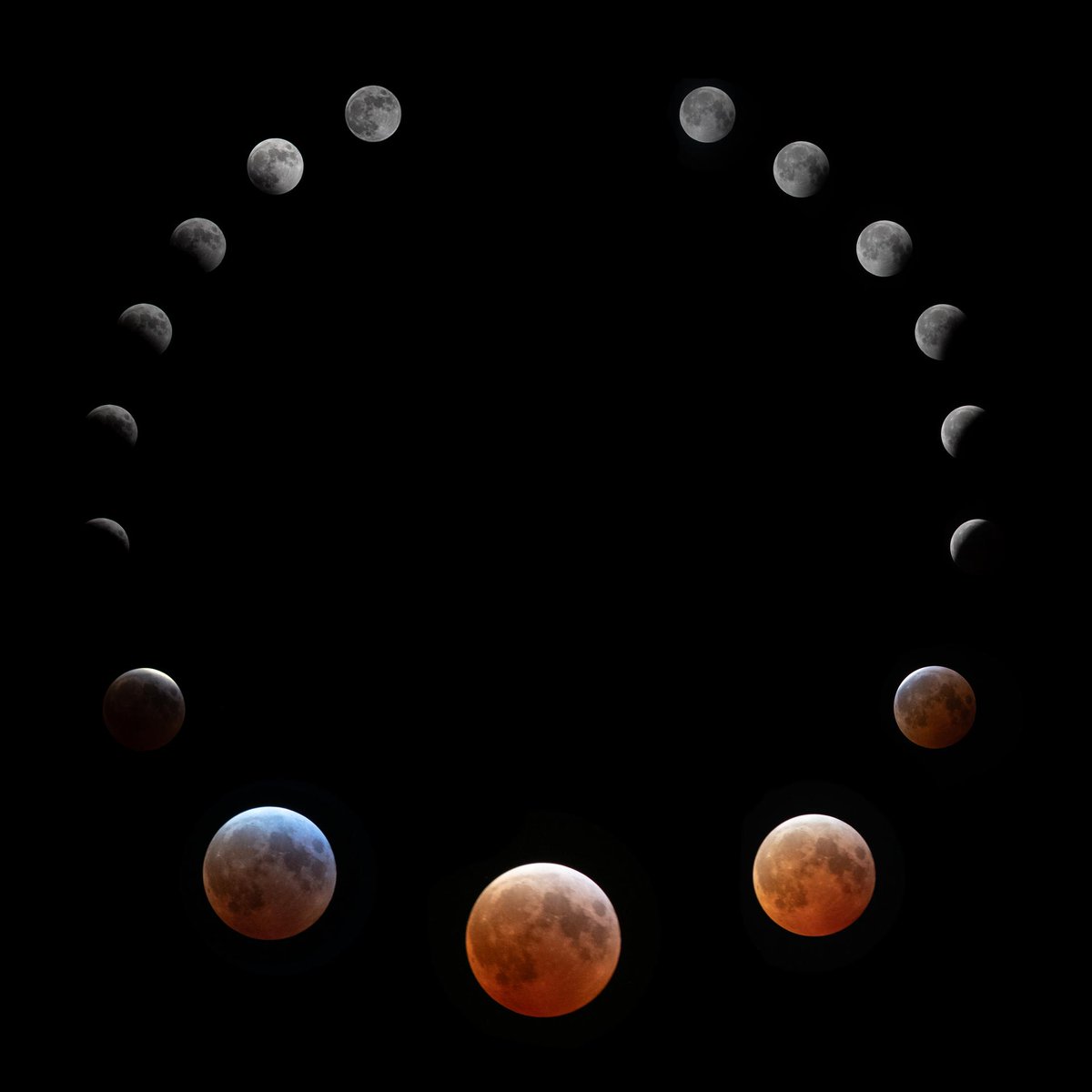
A total lunar eclipse - no telescope required. 🌕🔴
On the morning of March 3, 2026, the Moon will slip into Earth’s shadow and turn a deep red during totality. That “blood moon” color comes from sunlight bending through Earth’s atmosphere, the same effect behind sunrise and sunset glow.
Totality lasts about 58 minutes and will be visible across parts of eastern Asia, Australia, the Pacific, and the Americas.
Tell us where you’ll be watching from! 👇