ECG From Scratch #63: Pulmonary Embolism
Can an ECG diagnose pulmonary embolism (PE)?
Not reliably. But it can reveal clues to acute right ventricular overload.
Key findings:
🟨 Sinus tachycardia
🟦 S₁Q₃T₃ pattern
⬛ T-wave inversion in V₁–V₃
🟪 Right axis deviation
⬜ New RBBB
🟥 P pulmonale
⚠️ Remember: S₁Q₃T₃ is neither sensitive nor specific. A normal or nonspecific ECG does NOT exclude PE.
Always integrate ECG findings with clinical probability and appropriate imaging.
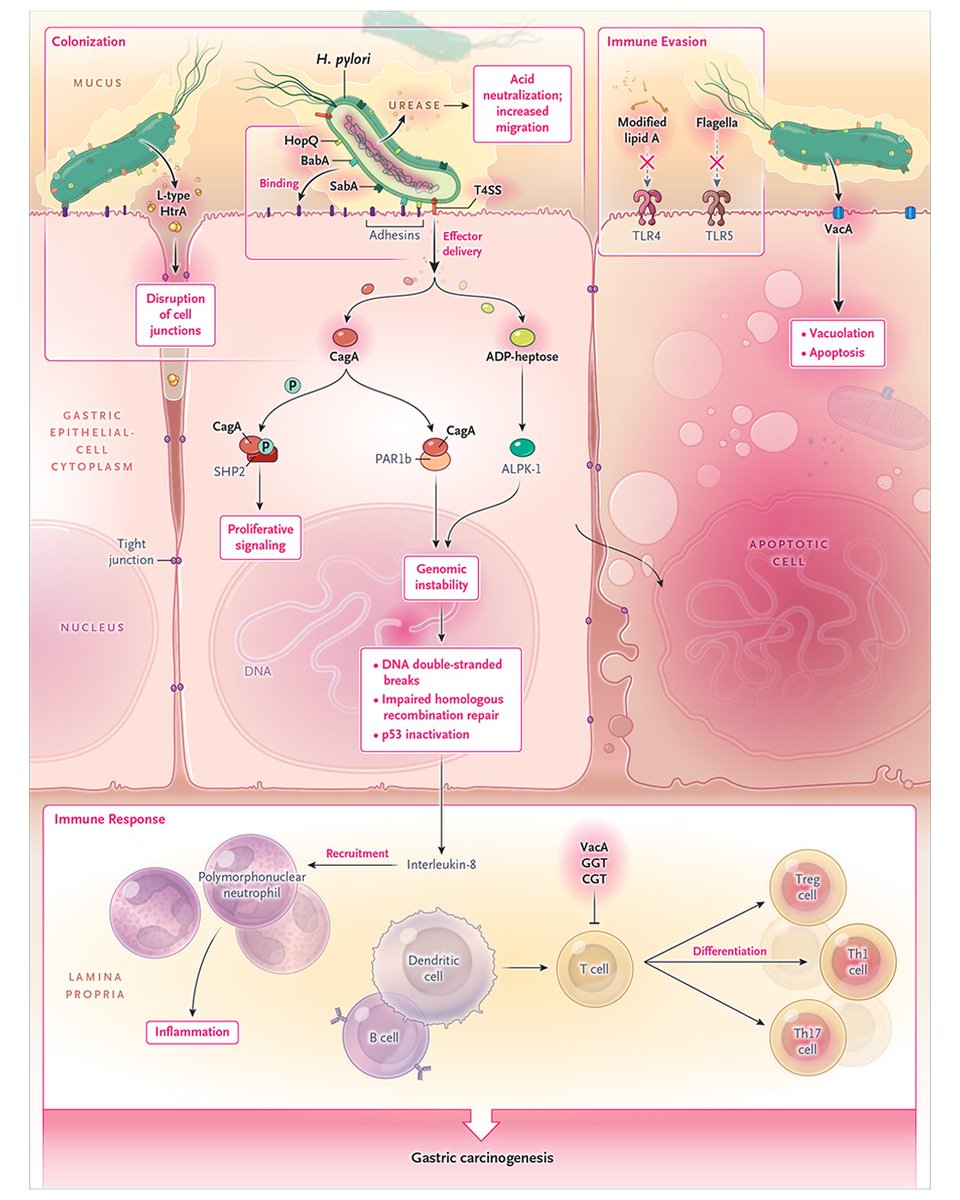
The discovery of 𝘏. 𝘱𝘺𝘭𝘰𝘳𝘪 has advanced the prevention and treatment of gastritis, peptic ulcers, and gastric cancer. Progress has been made in the research of 𝘏. 𝘱𝘺𝘭𝘰𝘳𝘪 infection. These advances are discussed in a new review.
Read the Review Article “𝘏𝘦𝘭𝘪𝘤𝘰𝘣𝘢𝘤𝘵𝘦𝘳 𝘱𝘺𝘭𝘰𝘳𝘪 Infection — Advances, Challenges, and the Road Ahead” by Hong Li, MD, PhD, Francis Megraud, MD, and Barry J. Marshall, MD: https://t.co/rMlsoi2ATy
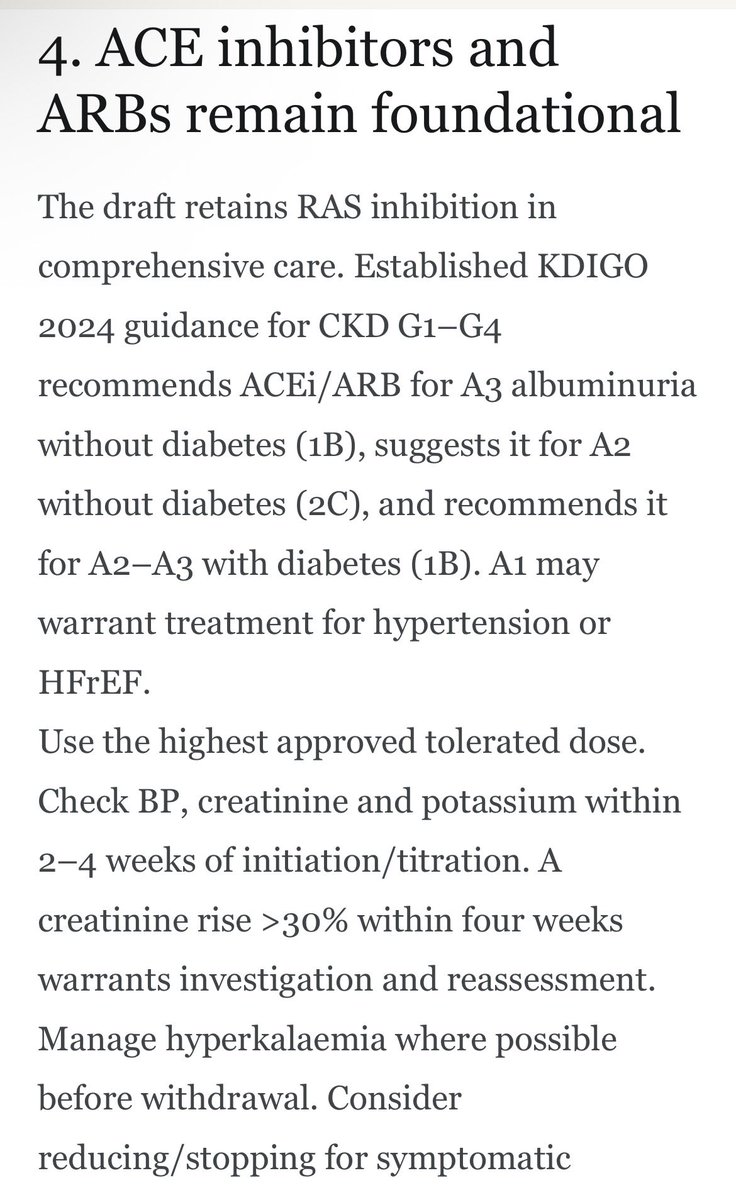
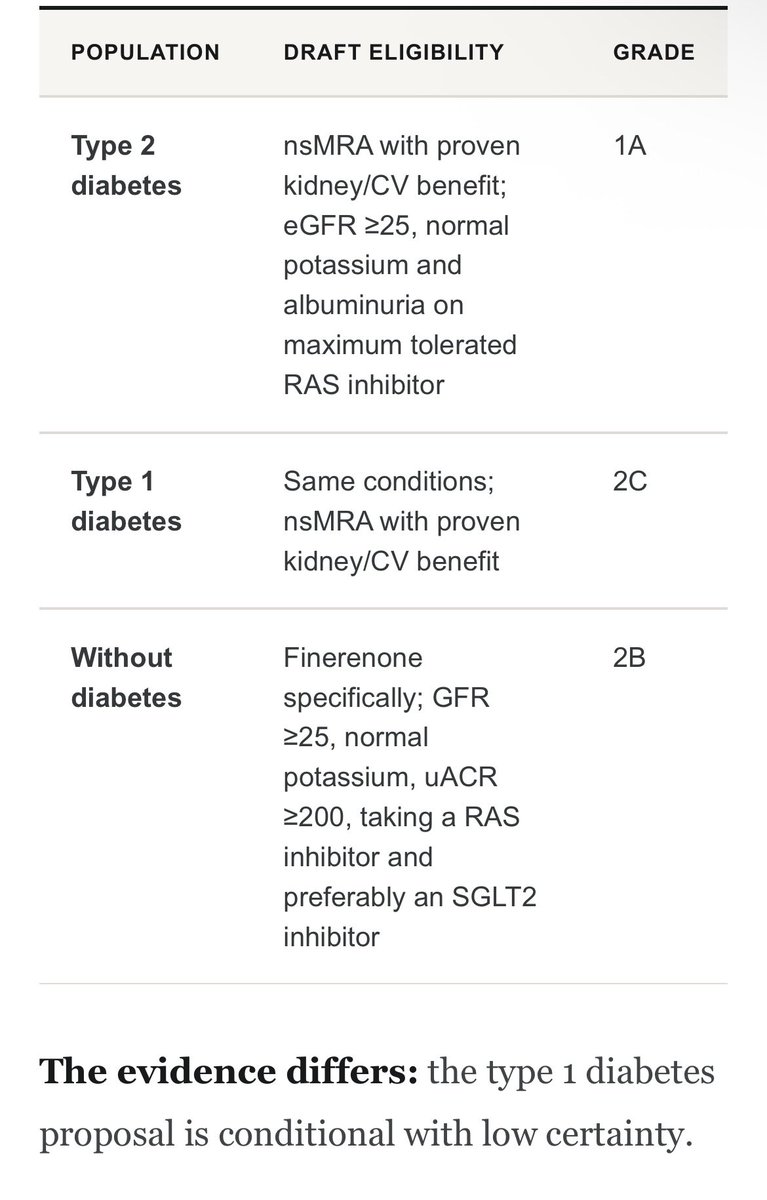
The focused update of the KDIGO 2027 CKD Guideline is available for public review through November 4, 2026.
KDIGO invites the global kidney community to review the draft and share feedback to help inform and improve the final update.
Visit the KDIGO CKD Guideline website to download the draft and share your comments via the feedback survey:
https://t.co/WXDohGEU6A
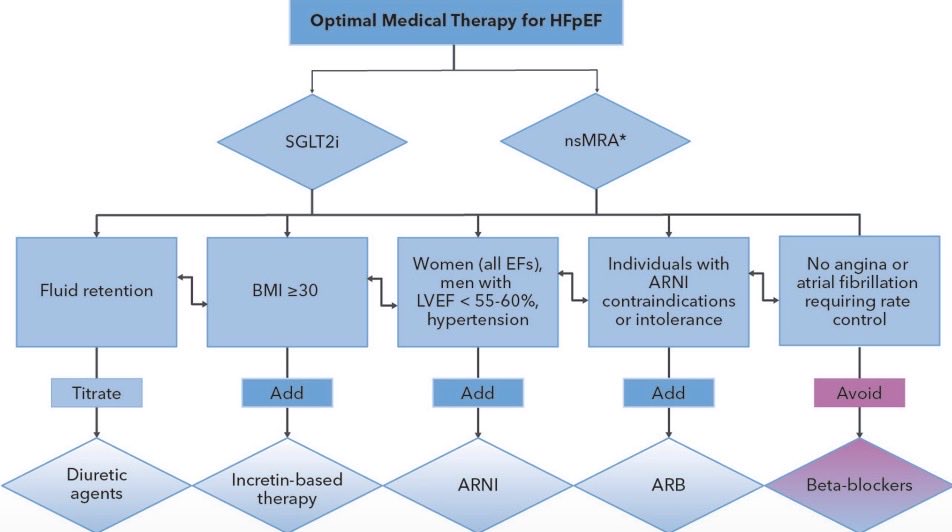
The focused update addresses new evidence since publication of the KDIGO 2024 CKD Guideline on SGLT2 inhibitors, GLP-1-based therapies, and nsMRAs in people with CKD, excluding those receiving dialysis or who have received a kidney transplant.
Thank you for your time and insights.
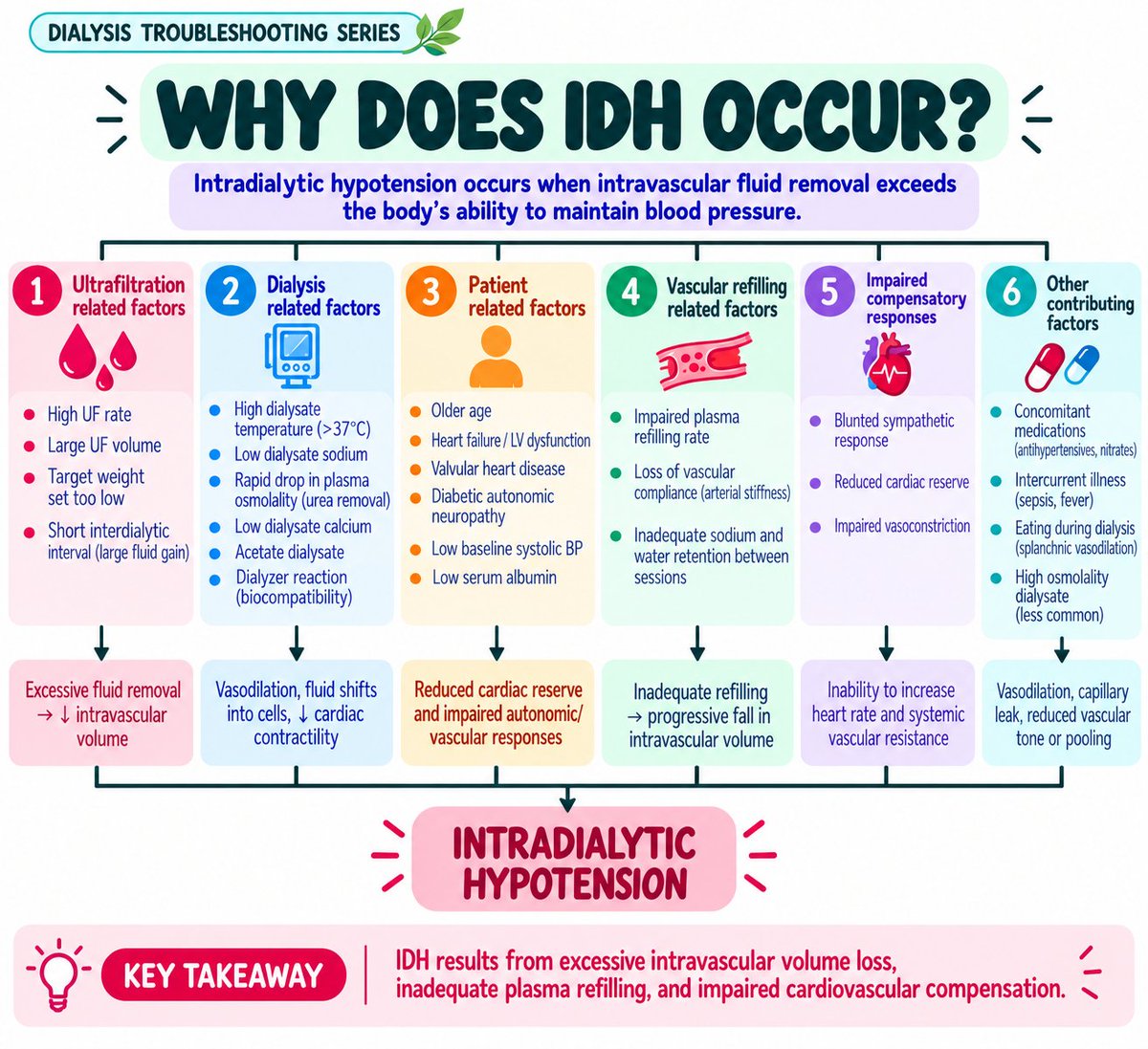
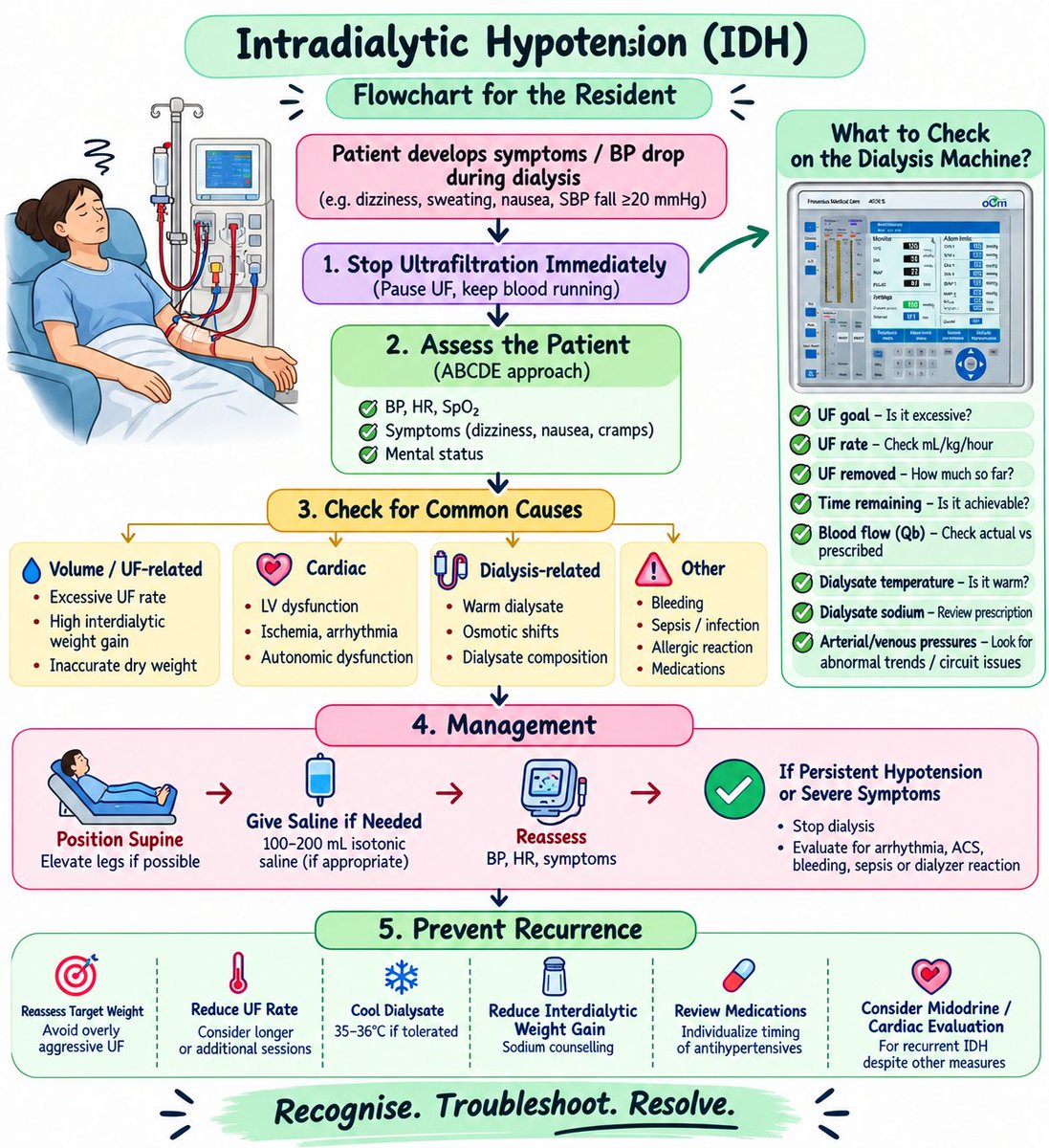
🩺 Dialysis Troubleshooting Series | Intradialytic Hypotension
Why does BP drop during hemodialysis?
Is it just excessive ultrafiltration, or is there more to it?
💡 Treat the mechanism, not just the BP!
Clinical question in the comments- Do reply ✌️