Amateur cyclist, PhD, exercise physiologist, coach, data scientist, team pursuit consultant.
Technical Specialist in Research at Nottingham Trent University
1/12: A little (🧵) on my conference paper that we presented at this year’s cycling science. My PhD aims to understand what W′ is in terms of physiological underpinning and then how we can use this to develop its modelling with depletion and recovery. i.e W′BAL.
So proud of what transpired in Paris. The culmination of >8 years of fight
Training for Elite Team-Pursuit Track Cyclists @IJSPPjournal:
Part I A Profile of General Training Characteristics
Part II A Comparison of Preparation Phases in Consecutive World-Record-Breaking Seasons
Last night saw the men's team pursuit qualifying at the #Olympics & it was a very close affair!
Fast start from DEN to achieve highest peak speed out of all teams, a slightly missed change from ITA giving them the min speed at 2750m, round 1 tonight!
#Paris2024@Paris2024
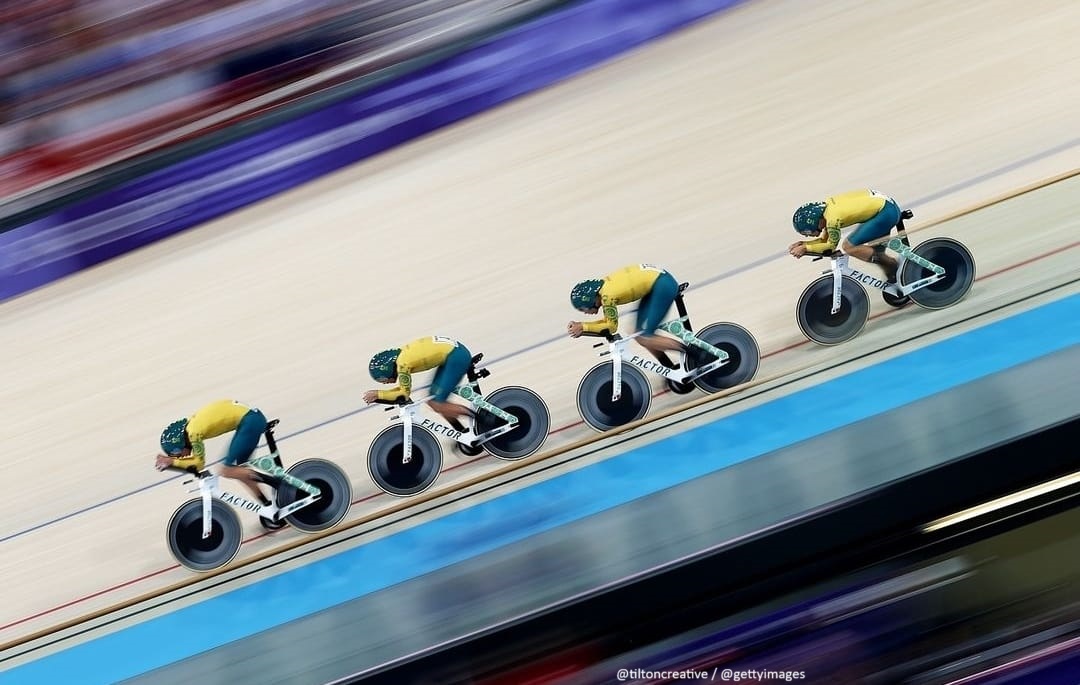
Team Pursuit is as much about strategy and teamwork as it is about speed. Riders need highly developed aerobic traits to recover between lead turns. Watching the Olympics this week, keep an eye on how teams manage their rider rotations and strategies! #Paris2024#TrackCycling
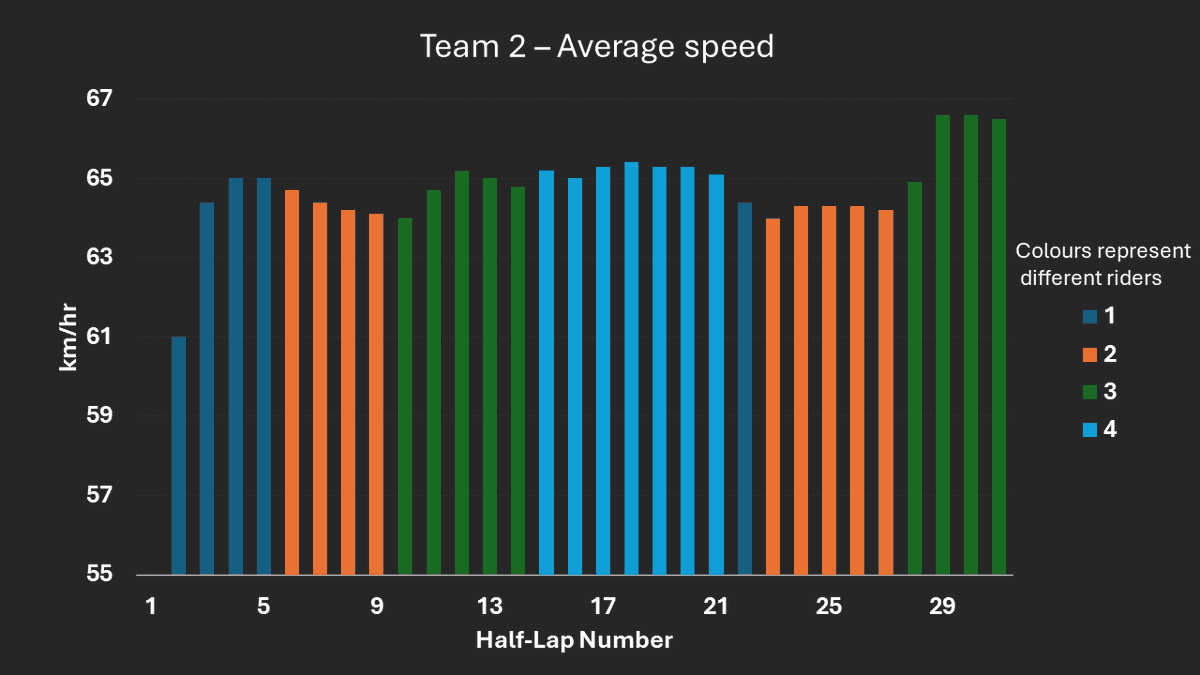
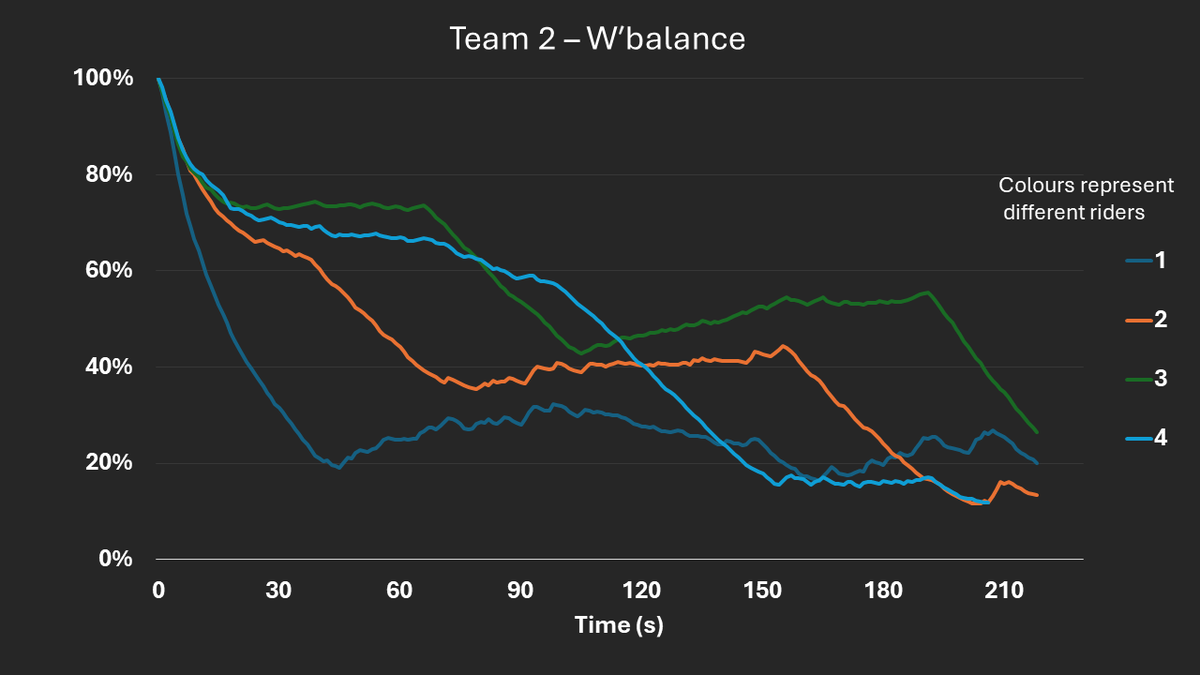
With the Olympic Team Pursuit this week, expect fireworks and maybe a new WR. Riders share the workload but roles are not equal. Even the best drilled teams can face chaos, and it sometimes falls apart. See pacing strategy, speed, and W′bal data below. 🧵 #Paris2024#TrackCycling
Team 2’s flat-ish strategy had Rider 4 do a 3.5-lap effort. They were fastest at the end despite a late ejection. Rider 1 delivered the first 2.5 laps and held 2nd for 3.5 laps, managing a 0.5 lap 2nd turn. If Rider 2 hadn’t recovered in positions 3&4, they might’ve fatigued too.
@RodSiegel@mattdriller Thanks, Rod. The intermittent performance protocol was 30s at predicted TP lead power then 1min recovery at LT1, repeated to exhaustion. So lead intensity and durations were like TP, but ⬇️ recovery power let us use sub-elite cyclists. Thesis available at: https://t.co/KvDinuSR47
@RodSiegel@mattdriller Thanks for the interest! 4-week HIIT with BFR showed 55%⬆️ in intermittent cycling performance (similar format to TP), and 7%⬆️ LT1 and VO2peak vs controls. Elite TP cyclists tolerated HIIT with BFR well in a later study. Happy to share the thesis chapter (Ch.5) with more details
@DrNathanT@magalanrioja@peter__leo The durations of metabolic stress and recovery certainly differed between groups. If I ran the study again, I would add another control group to match uncuffed recovery time. Matching metabolic stress time may need longer sessions at this intensity. This is discussed in my thesis
JUST PUBLISHED 🚨 Acute physiological responses of blood flow restriction between high-intensity interval repetitions in trained cyclists🚴 Big shoutout to my co-authors: @Ferguson_RA, @mattdriller, @BeavenMartyn, Carl Paton, participants, and reviewers https://t.co/OLa6fkFkkx
@Gareth_Sandford @JacobTipper @peter__leo@jem_arnold It's a bold strategy. An acceleration in the final couple of laps could easily lead to separation and a slower time
My PhD thesis, ‘Enhancing Team Pursuit Performance using Blood Flow Restriction’, is now available online on the University of Waikato’s Research Commons website: https://t.co/KvDinuToTF
@Alex_Welburn Nice work Alex! It would be interesting to see how the biexponential W'reconstitution model compares to the monoexponential model in this case.
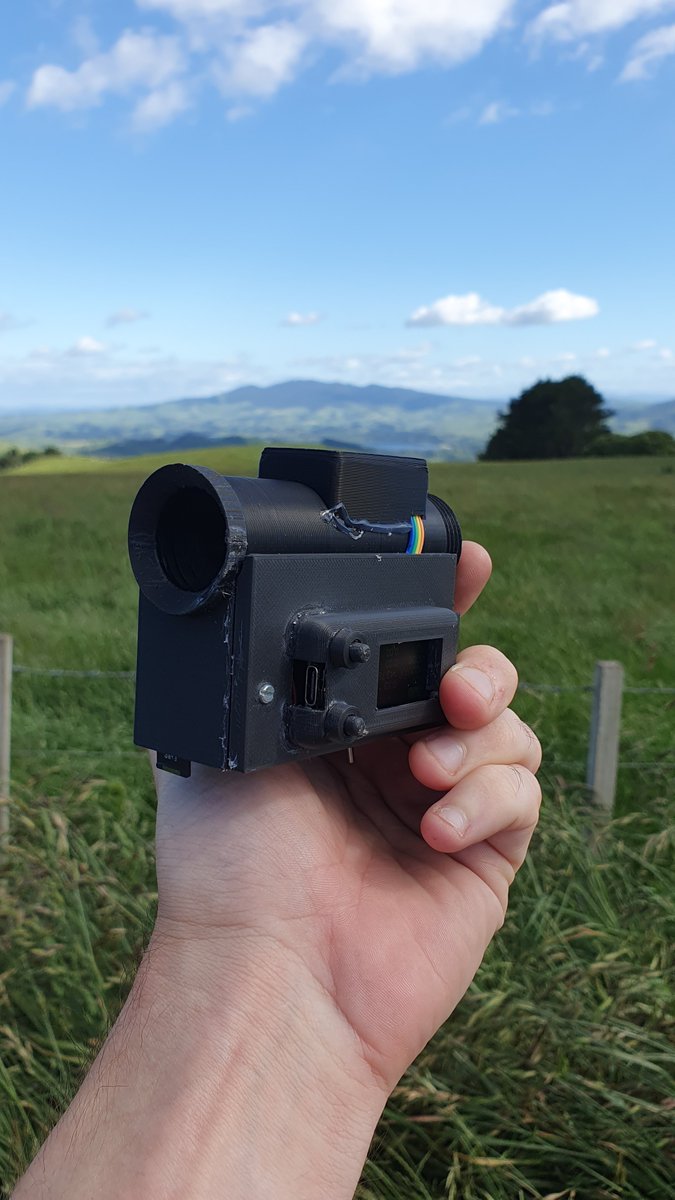
Metabolic carts are accurate yet pricey. Can a homemade analyser come close to their performance? This open-source Arduino device measures V̇O2, V̇CO2, and V̇E. I tested "VO24U" against a Parvo cart. @ShemRodger inspired this project while we supported the Tokyo 2020 TP.
@jonhelge Thanks Jon, I like the K30 but their diagram suggests a pump is needed and my battery would not be able to handle that. Any ideas? https://t.co/aTRe4PjxOw