Woman at Bentley dealership casually spray-paints a giant $ on a white Bentayga’s hood, then sets it on fire to demo Paint Protection Film.
Until the product proved its worth, the car owner was the most scared person in that place.
Big Pharma pushes statins, blood sugar meds & testosterone replacement therapy to men like us.
Yet a natural option supports cardiovascular health, testosterone production, & prostate health.
It's Ceylon Cinnamon, used for centuries. Here's how it helps men:
1. While Big Pharma profits from expensive prescription drugs with long lists of side effects, men have quietly used this ancient spice to support healthy testosterone levels, improve blood flow, and protect prostate health---no prescription needed, just time-tested natural wisdom.
2. What is Ceylon Cinnamon? Also called "true cinnamon," it's extracted from the inner bark of Cinnamomum verum trees grown in Sri Lanka. Traditional medicine has valued it for centuries. Modern science now confirms it as nature's testosterone supporter and metabolic optimizer.
3. Here’s the secret they don’t want you to know: Ceylon Cinnamon helps your body use insulin more efficiently. This is the master key. It helps stabilize your energy, supports healthy testosterone levels, and tells your body to build muscle and burn fat, not the other way around.
4. Key benefits for men that matter:
- Supports healthy testosterone levels
- Promotes cardiovascular health & blood flow
- Supports prostate health
- Boosts energy, vitality & performance
- Helps stabilize blood sugar levels
If you want premium Ceylon Cinnamon, I recommend this one; 1200mg potency, 120 capsules per bottle, third-party tested for potency & purity: https://t.co/QOvkEX09CB
5. Blood sugar control for lasting energy: Unstable blood sugar destroys testosterone, causes weight gain around your midsection, and leaves you exhausted. Ceylon Cinnamon improves insulin sensitivity and slows carbohydrate breakdown. This means steady energy all day and better fat burning.
6. Combat inflammation naturally: Chronic inflammation accelerates aging, reduces testosterone, and causes joint pain. Ceylon Cinnamon's powerful anti-inflammatory compounds help reduce systemic inflammation. Less inflammation = better recovery, improved mobility, and sustained vitality.
7. Heart health is king: As we get older, cardiovascular health is non-negotiable. Ceylon Cinnamon supports healthy blood flow and helps maintain healthy cholesterol levels, protecting the engine that drives you.
8. Joint support & physical mobility: Tired of stiff joints holding you back? Ceylon's anti-inflammatory properties reduce joint inflammation and stiffness. Many men report improved flexibility and less discomfort within weeks.
9. Mental clarity & brain protection: Brain fog and memory decline aren't inevitable. Ceylon Cinnamon supports blood flow to the brain and exhibits neuroprotective effects. Stable blood sugar also means sharper focus, better memory, and consistent cognitive performance throughout the day.
10. Smart dosing: Start with 1200mg per day (600mg per capsule, taken twice daily). Always take it with meals to maximize absorption and ensure it's gentle on your stomach.
11. The side effect truth: While Big Pharma’s solutions come with a long list of side effects, Ceylon Cinnamon is incredibly well-tolerated. It works with your body, not against it.
Here's the same high-quality Ceylon Cinnamon that I recommend: https://t.co/QOvkEX09CB
Transparency note: this thread includes affiliate links; I may earn a commission (at no extra cost to you). Educational content only---not medical advice. Always consult your healthcare provider before changing your routine.
Bottom line: You may not need expensive prescriptions with dangerous side effects. A natural solution used for over 3,000 years has been available all along---Big Pharma just doesn't profit from telling you about it.
If this resonated, please share it. Your health shouldn't be controlled by corporate profits.
Follow @GrantMercer512 for more honest health insights the mainstream won't share.
Repost to help other men discover this.
Trump: "Millions of American small businesses, including corner stores. What is a corner store? I've never heard that term. I know what a corner store is but I've never heard it described-- a corner store. Who the hell wrote that?"
@ModernScribe Regarding the people moving from Florida I think that ICE has disrupted Florida badly, not to mention the entire country.
The farmers have been hit the hardest.
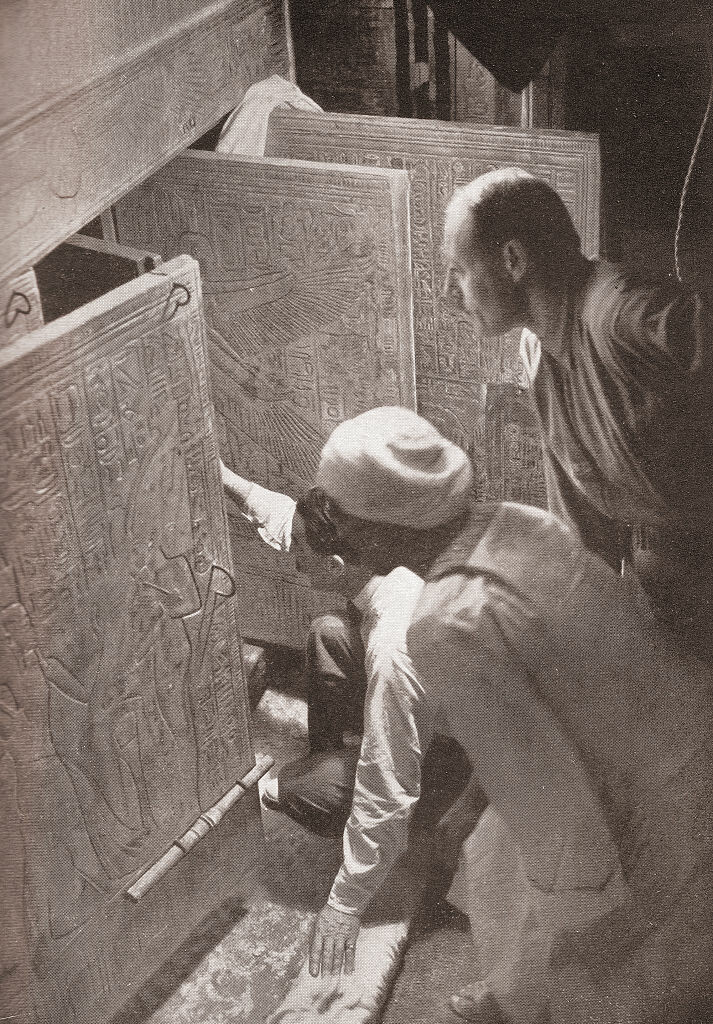
#OnThisDay in 1923, English archaeologist Howard Carter opened the sealed burial chamber which contained King Tutankhamun's sarcophagus and mummified body.
📸 Getty
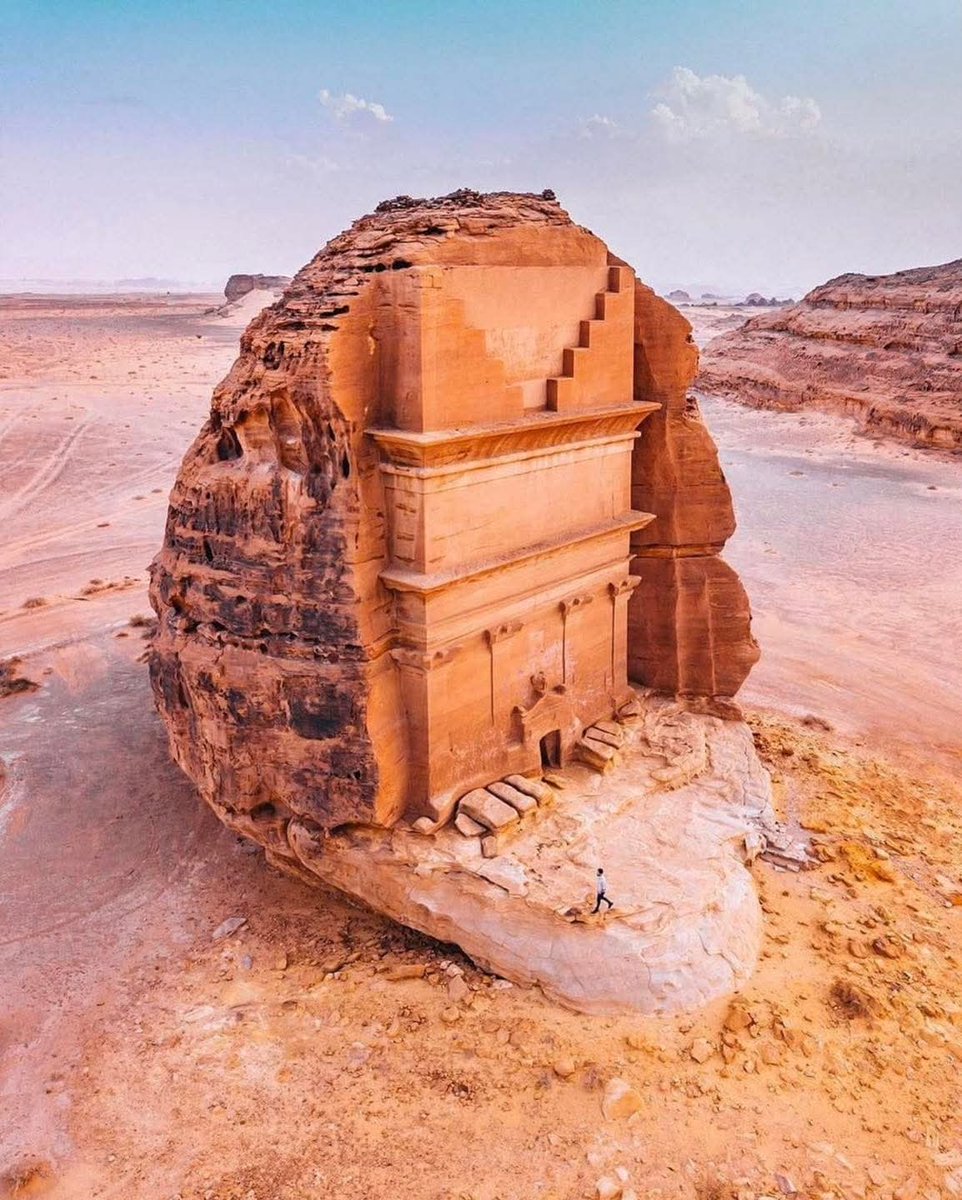
Madain Saleh (Al-Hijr), a pre-Islamic archaeological site located in northwest of Saudi Arabia 🇸🇦. It is one of most important archaeological sites in the Middle East and was designated as a UNESCO World Heritage site in 2008. Madain Saleh is a place of great historical and cultural significance, and it is a must-visit destination for anyone interested in history and culture of the Arabian Peninsula.
Madain Saleh was the second city of the Nabataean kingdom, which was established in 2nd Century BC. The Nabataeans were an Arab tribe who were known for their expertise in carving tombs and buildings out of rock. They were also skilled in agriculture, trade, and commerce. The Nabataean kingdom was centered in Petra, which is located in modern-day Jordan. Madain Saleh served as a strategic outpost for Nabataeans, and it was an important stop on the trade routes that connected the Arabian Peninsula with the Mediterranean world.
Archaeological site of Madain Saleh covers an area of 13 square kilometers. It is located in a remote desert region, and it is surrounded by rocky mountains and valleys. The site contains around 130 tombs, which were carved out of the sandstone cliffs. The tombs are adorned with intricate carvings and inscriptions, which provide insights into the culture and religion of the Nabataeans.
The most famous tomb at Madain Saleh is the Qasr Al-Farid, which means "the lonely castle." This tomb is located on a hilltop and is surrounded by a large courtyard. It is the largest tomb at the site, and it is considered to be one of the finest examples of Nabataean architecture. The tomb was never completed, and it is believed that it was abandoned after the death of the Nabataean king who commissioned it.
Another important tomb at Madain Saleh is the Tomb of Lihyan son of Kuza. This tomb is located in the southern part of the site and is carved into a rock cliff. It features a large entrance hall, a central chamber, and a series of smaller rooms. The tomb is decorated with intricate carvings and inscriptions, which provide insights into the religious beliefs of Nabataeans.
Madain Saleh is not just a site of tombs; it also contains a number of other important structures. These include the Al-Khuraymat and Al-Sabika temples, which were used for religious ceremonies and rituals. The site also contains a number of houses, wells, and cisterns, which provide insights into the daily lives of the Nabataeans.
Madain Saleh was abandoned in the 3rd Century AD, after decline of the Nabataean kingdom. Site was rediscovered in 19th Century by Swiss traveler Johann Ludwig Burckhardt. Since then, it has been studied by archaeologists from all over the world. Site is now managed by Saudi Commission for Tourism and National Heritage, which has carried out extensive restoration and preservation work.
Madain Saleh is not just a site of historical and cultural significance; it is also a place of great natural beauty. The site is surrounded by rugged mountains and valleys, and it is home to a diverse range of flora and fauna. Visitors to the site can enjoy hiking and camping, as well as exploring the ancient ruins.
Madain Saleh is a site of great historical and cultural significance, and it is a must-visit destination for anyone interested in the history and culture of the Arabian Peninsula. Ancient ruins at Madain Saleh provide a glimpse into the engineering and architectural skills of the Nabataeans, as well as their religious beliefs and cultural practices. However, as the site becomes an increasingly popular tourist destination, there are concerns about its preservation and the impact of tourism on the local environment. It is important that the Saudi government and local communities work together to ensure that the site is protected and that tourism is managed in a sustainable way.
📷 : Qasr al-Farid (Lonely Castle), dated 1st Century AD; located in archaeological site of Mada'in Saleh.
#archaeohistories
400 million years ago
Before trees existed, Earth’s land was dominated by Prototaxites — towering structures up to 8 meters tall, likely giant fungi as visualised here using AI
Life always finds a way.