She smiled at the Japanese officers every morning. They had no idea she was robbing them blind.
Manila, 1942. The Japanese occupied the Philippines. American soldiers rotted in prison camps. Filipinos starved in the streets.
Florence Finch was 27. Half-Filipina, half-American. Her husband Charles was a U.S. Navy sailor. Captured. Imprisoned. Maybe dying.
She needed to survive. She needed to help. She needed to fight back.
So she did something nobody expected. She got a job working for the Japanese.
The Philippine Liquid Fuel Distributing Union. Japanese-controlled. Handling their money. Processing their payroll. Shipping their supplies.
They trusted her completely. Quiet. Efficient. Polite. Just a secretary.
They had no idea.
Florence started stealing. Small amounts first. A few pesos. Some fuel. Medicine that "got lost" in paperwork.
Then she got bolder.
Hundreds of pesos. Thousands. Entire shipments of food and supplies. All redirected. All stolen. All smuggled to American POWs.
She wasn't alone. She worked with Filipino resistance fighters. Together they forged documents. Created fake delivery orders. Moved supplies through underground networks.
POWs at Cabanatuan. At Bilibid. At labor camps across Luzon. All received packages. Food that kept them alive. Medicine that saved their lives. Money that bought hope.
They never knew who sent it. Just that someone cared. Someone was fighting for them.
For three years, Florence walked into that office. Smiled at Japanese officers. And stole from them every single day.
Three years of stealing. Three years of smuggling. Three years of risking execution.
Because if they caught her, there would be no trial. No mercy. Just death.
She knew it. Did it anyway.
October 1944. Someone betrayed the network.
The Kempeitai came. Japanese secret police. The most feared words in occupied Philippines.
They arrested Florence. Dragged her to Fort Santiago.
The prison where people went to be tortured. To die.
They wanted names. They wanted the network. They wanted everyone.
They beat her. Starved her. Locked her in a cell so small she couldn't stand. Used every torture method they knew.
Five months of hell.
Florence never broke. Not one name. Not one contact. Not one location.
Even when they told her Charles was dead. Even when they showed her proof. Even when she had nothing left to lose.
She protected everyone. Saved the network. Kept the secret.
February 1945. The Americans were coming. The Japanese were fleeing.
They abandoned Fort Santiago. Left the prisoners to die.
American forces arrived. Opened the cells. Found Florence barely alive. Eighty pounds. Broken body. Unbroken spirit.
Charles was really dead. Confirmed. Died in a POW camp. While Florence had been stealing to save him.
She'd been fighting for a ghost. Saving others. Never knowing he was already gone.
Florence recovered. Moved to America in 1947. Settled in New York. Got a job with Coast Guard Intelligence.
She never talked about the war. Never mentioned what she'd done. Never sought recognition.
She just lived. Quietly. Worked. Remarried. Raised children.
For fifty years, almost nobody knew. The POWs she saved didn't know her name. The network had scattered. Records were destroyed.
Florence Finch was invisible. A Coast Guard employee. Nobody special.
Until the 1990s.
Researchers found Japanese documents. Resistance logs. POW testimonies.
They pieced it together. The secretary who embezzled millions. Who saved hundreds of Americans. Who survived months of torture and never talked.
They found her in New York. Age 81. Retired. Quiet.
"Did you work for the resistance?"
"Yes. Long time ago."
The recognition finally came. Military honors. Philippine medals. Veterans' gratitude.
1995 The Medal of Freedom. America's highest civilian honor. President Clinton presented it personally.
She was 80 years old. Finally recognized for what she'd done fifty years earlier.
Florence Finch died April 9, 2016. She was 101 years old.
At her funeral, descendants of the POWs she'd saved traveled from across America.
"My grandfather survived because of her."
"My father lived because of her."
"I exist because of her."
Hundreds of people. Thousands of descendants. All alive because a 27-year-old secretary had the courage to steal from an army.
Historians estimate she saved between 500 and 1,000 American lives. Through food. Medicine. Forged documents. All funded by embezzled Japanese money.
After the war, the U.S. government tried to calculate how much she'd stolen.
They couldn't. Too much. Too complex. Too many transactions.
Millions of yen. Stolen one careful transaction at a time. All to feed dying prisoners.
Here's what makes Florence Finch extraordinary.
She wasn't a soldier. She wasn't a spy. She had no training. No weapons. No backup plan.
She was a secretary with access to money and the courage to use it.
Every morning for three years, she walked past Japanese guards. Smiled. Bowed politely. And continued her secret war.
One transaction at a time. One forged document at a time. One smuggled package at a time.
If they'd discovered her earlier, she'd be dead. No question. No trial. Just execution.
She knew it. Did it anyway.
Survived torture. Survived loss. Survived fifty years of silence.
Lived to 101. Finally honored. Still mostly unknown.
There's a small memorial in Manila. Few people visit.
In America, her name has faded again. Despite the Medal of Freedom. Despite saving hundreds.
Most people have never heard of Florence Finch. Don't know about the Filipina secretary who fought her own war. Who beat the Japanese without firing a single shot.
She was 27 when she started. 30 when they tortured her. 80 when they finally honored her. 101 when she died.
Florence Finch. The secretary who smiled at her enemies. Stole millions from them. Saved hundreds of lives. And kept the secret for fifty years.
Remember her name
Join us “at" Camp David this Thursday night at 8 pm when we talk with @CFergusonbooks about his book, 𝗣𝗿𝗲𝘀𝗶𝗱𝗲𝗻𝘁𝗶𝗮𝗹 𝗦𝗲𝗰𝗹𝘂𝘀𝗶𝗼𝗻: 𝗧𝗵𝗲 𝗣𝗼𝘄𝗲𝗿 𝗼𝗳 𝗖𝗮𝗺𝗽 𝗗𝗮𝘃𝗶𝗱. https://t.co/9Ex8ESrDb4. No registration required.
Calling all #RevWar buffs in the NJ area. This is happening this weekend. The largest reenactment in the NE. Reenactors are coming from England to this event!
This is one of the biggest weekends of the year for our nation’s 250th, with one of the largest reenactments ever in the Northeast. They even have reenactors coming from England. This is a must-see event if you are a Rev War history buff—and it starts Friday.
Thursday Night: Colonel Robert Gould Shaw, was he a reluctant volunteer or a Civil War martyr? Join us Thursday at 8 pm Eastern for a History Camp Discussion with 𝗞𝗲𝘃𝗶𝗻 𝗠. 𝗟𝗲𝘃𝗶𝗻 on his book, 𝗔 𝗚𝗹𝗼𝗿𝗶𝗼𝘂𝘀 𝗙𝗮𝘁𝗲: 𝗧𝗵𝗲 𝗟𝗶𝗳𝗲 𝗮𝗻𝗱 𝗟𝗲𝗴𝗮𝗰𝘆 𝗼𝗳 𝗖𝗼𝗹𝗼𝗻𝗲𝗹 𝗥𝗼𝗯𝗲𝗿𝘁 𝗚𝗼𝘂𝗹𝗱 𝗦𝗵𝗮𝘄. https://t.co/ZBMegyxV2l No registration required.
@RosenJeffrey@CarlyFiorina Congratulations! Happy to hear the news and look forward to seeing what comes next. Sounds like a great opportunity and one that is ideally suited to you. — Lee Wright
🇺🇸 The Mount Vernon Ladies’ Association has done a phenomenal job preserving George Washington’s home for more than 160 years. Private stewardship and private funding have kept it in excellent condition.
Grant’s Tomb shows why some sites might be better off with a similar model.
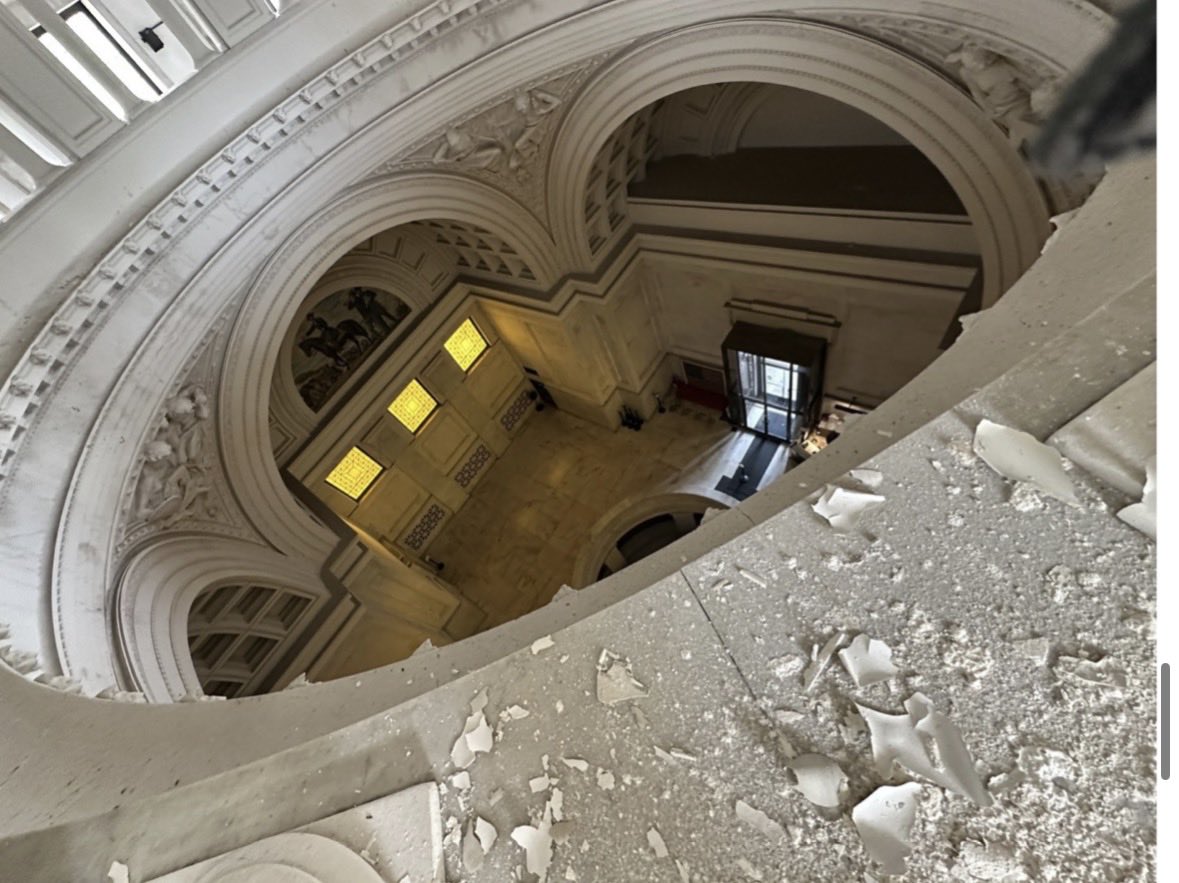
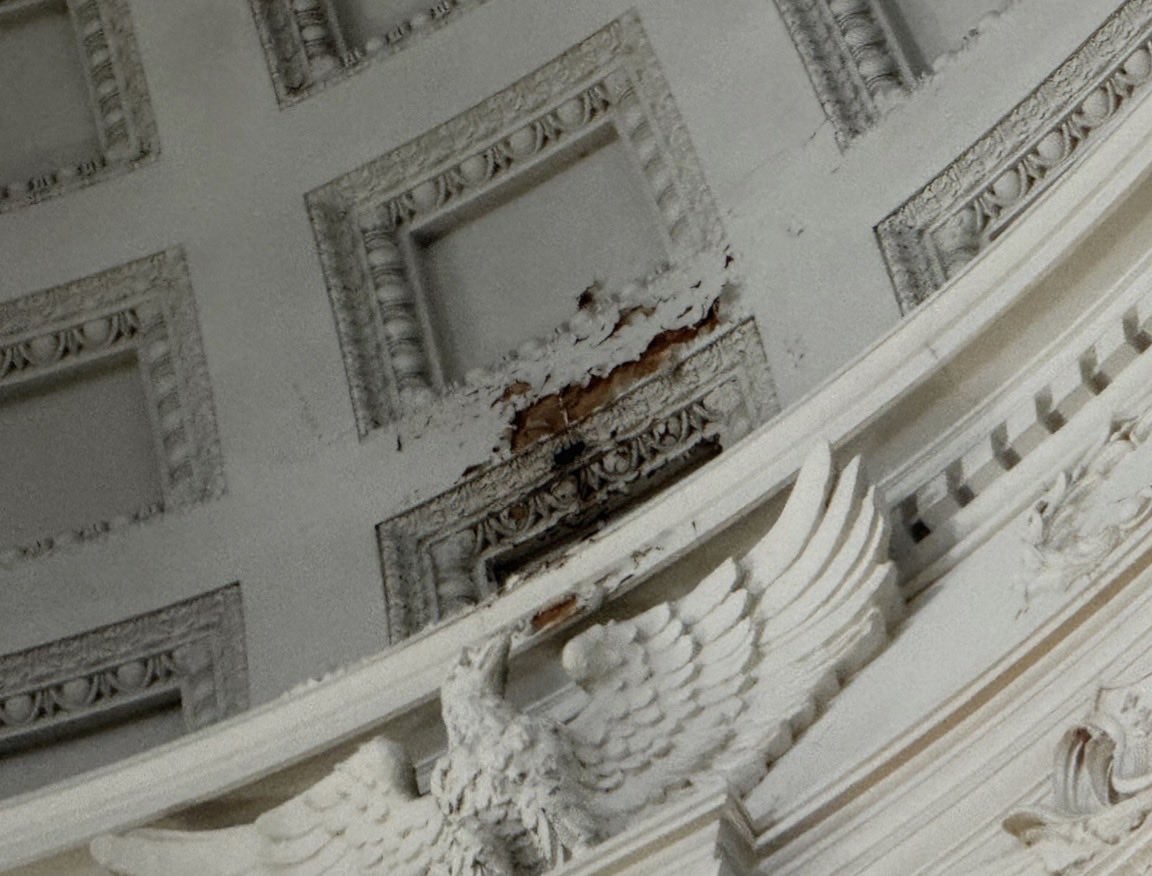
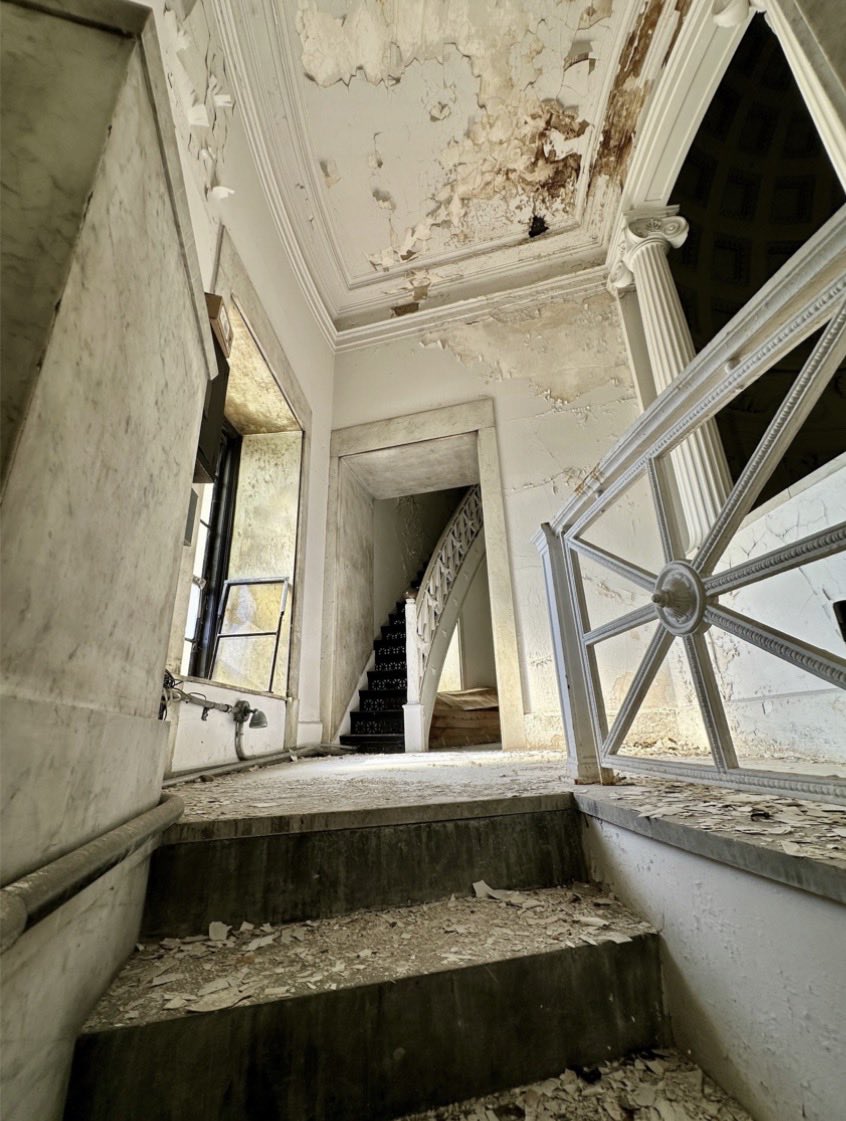
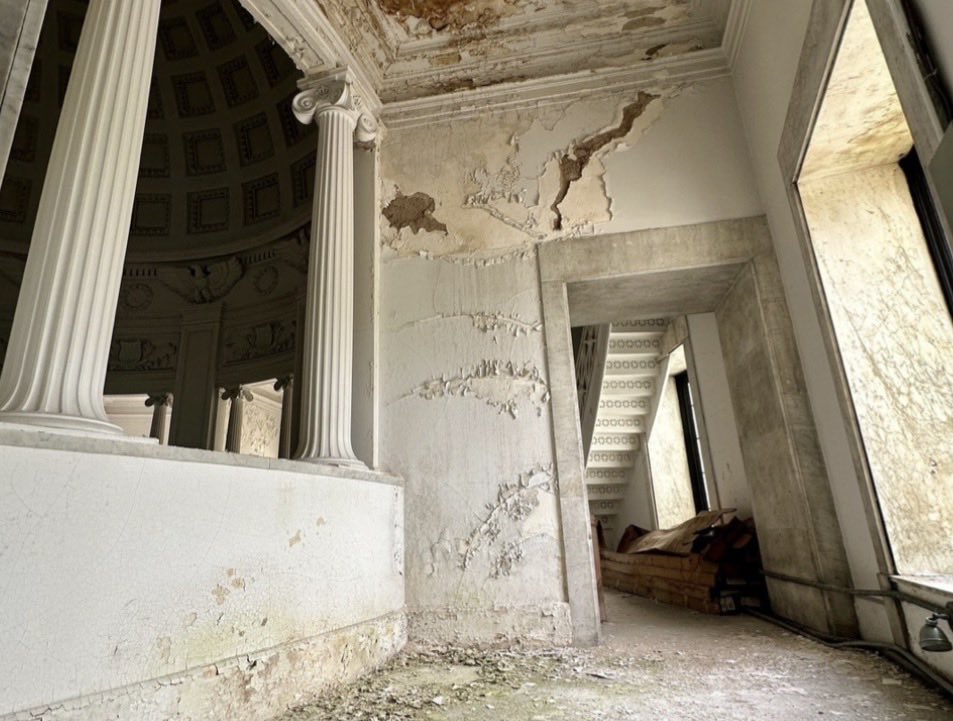
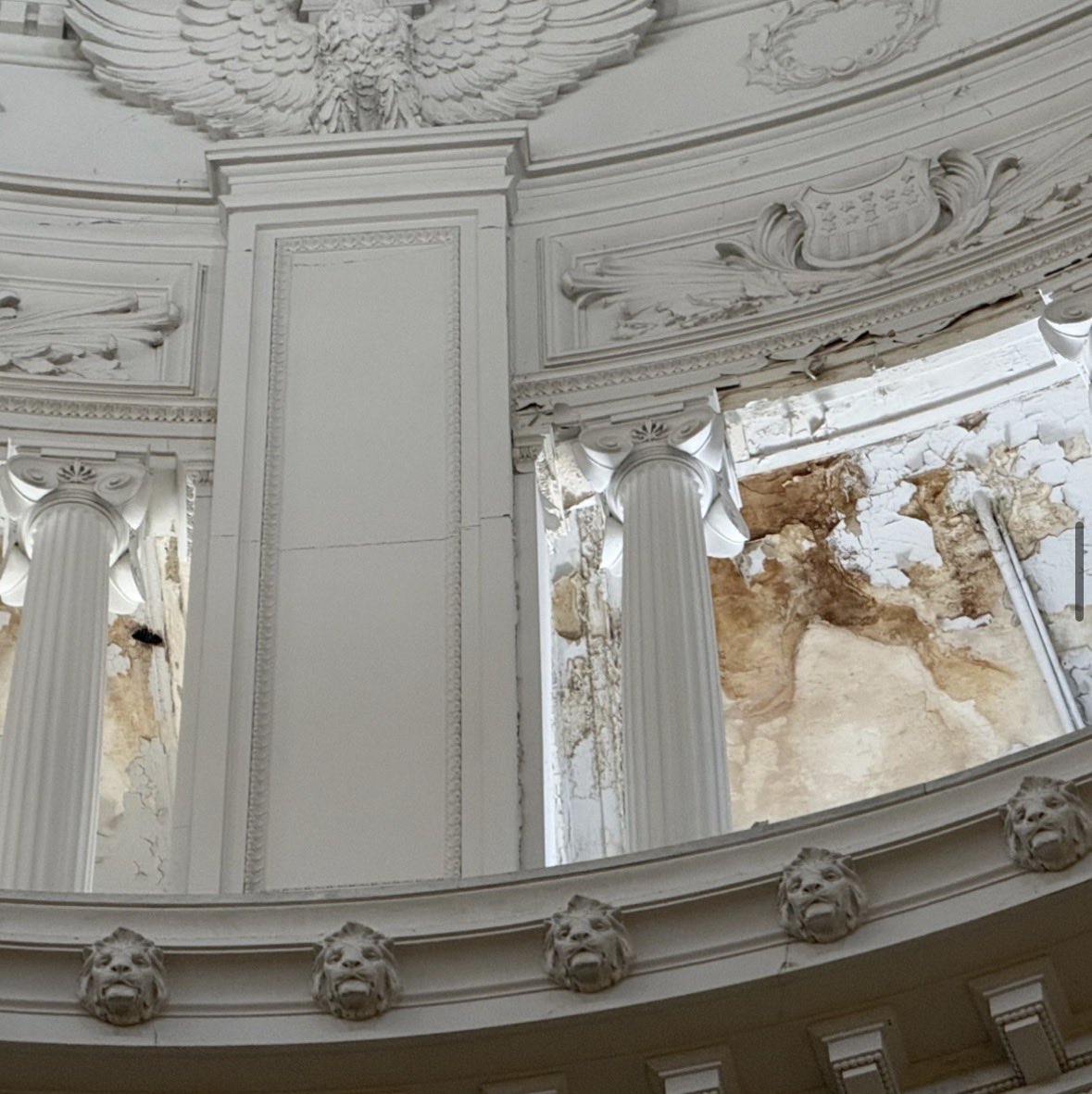
🇺🇸 Grant’s Tomb has again fallen into serious disrepair.
The April 2026 letter the Grant Monument Association sent the @WhiteHouse, @NYCMayor, and other government officials is linked in comments.
A mid-1990s restoration on his tomb, forced by public pressure and threats from Grant descendants that the remains might be moved, spent about $1.8 million. It cleaned graffiti, fixed the roof and water damage, and replaced the crumbling plaza in time for the 1997 centennial of the tomb’s dedication.
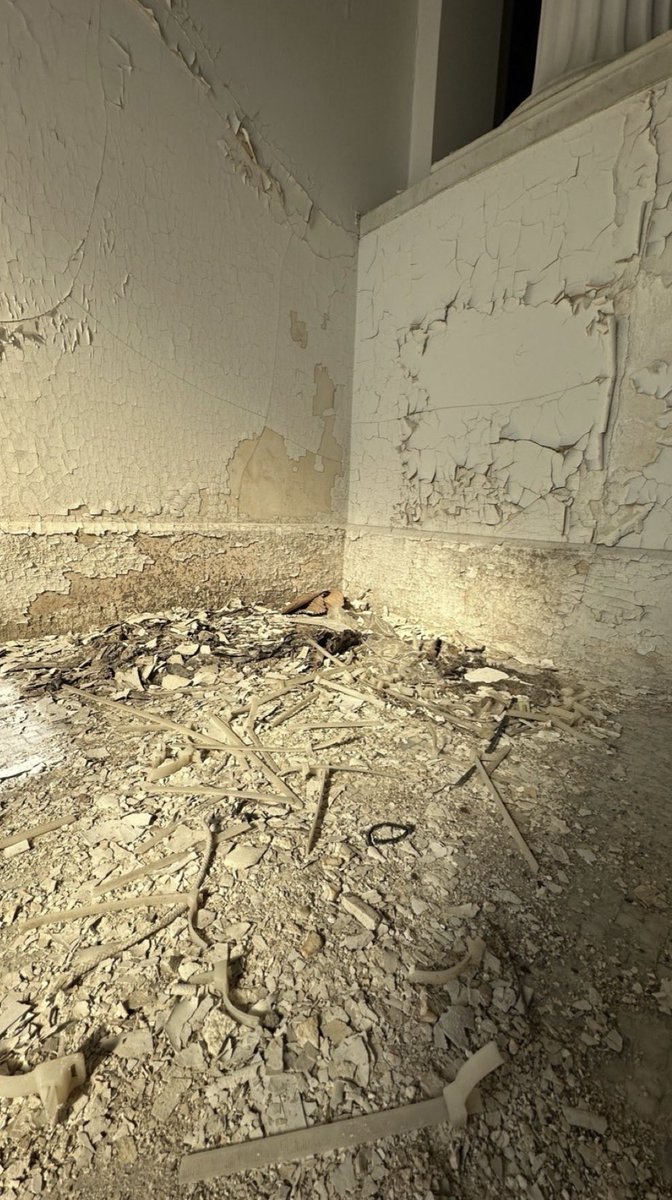
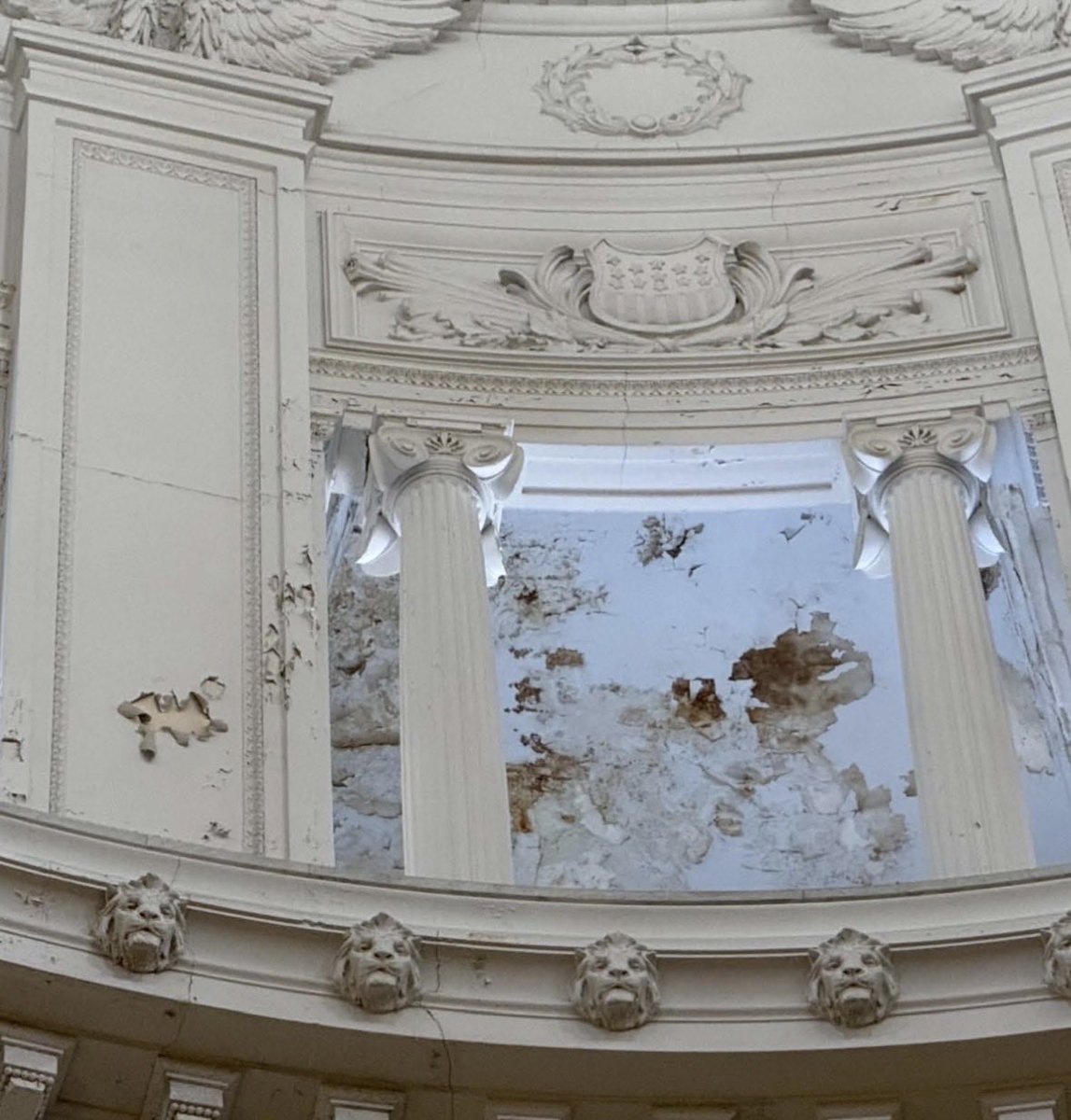
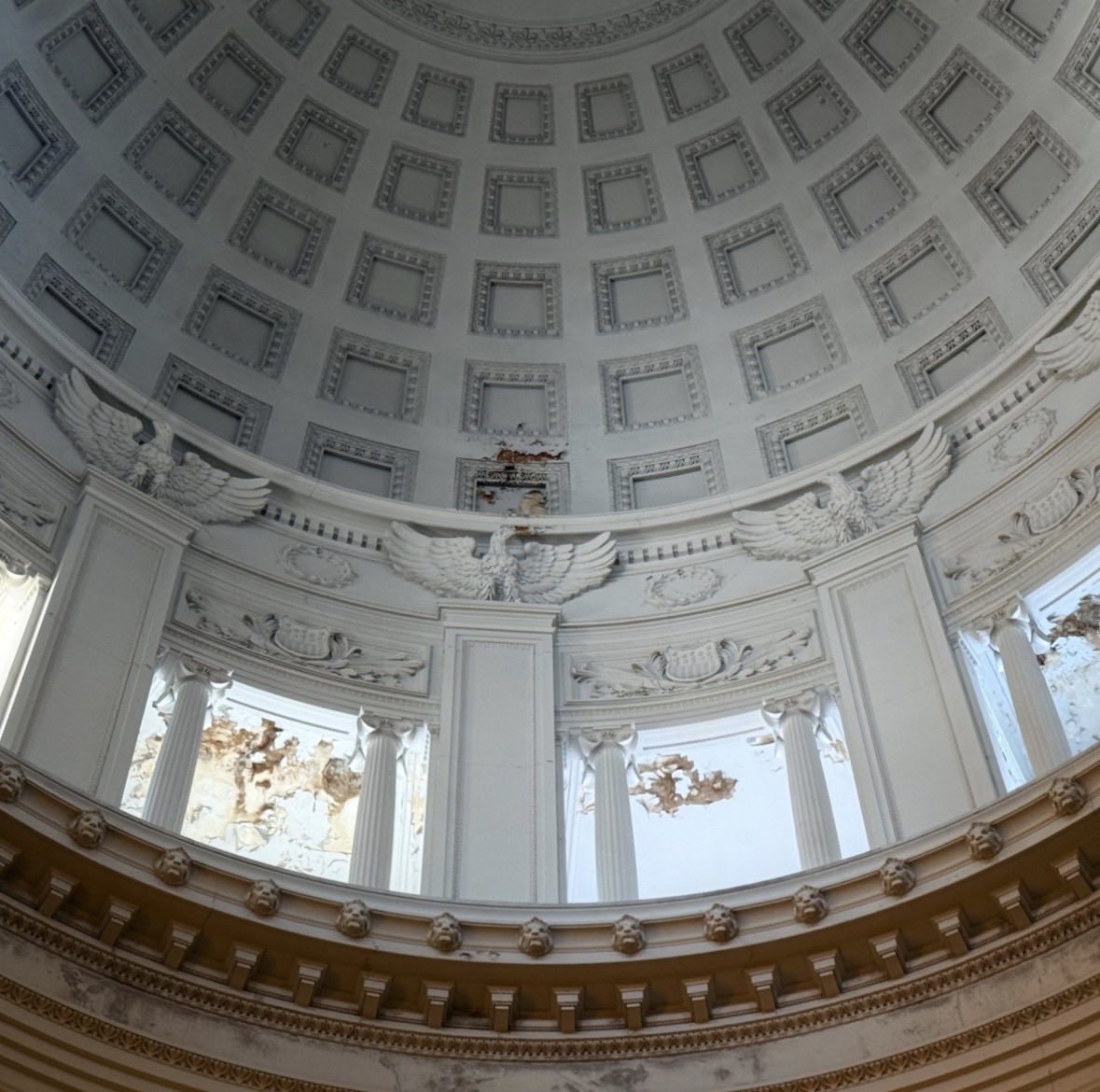
In March 2019 the Grant Monument Association warned the President and Congress that the problems had returned. Its April 2026 follow-up says none of the requested work was done. Water damage at the cupola and roof is now substantially worse, with discoloration and falling plaster reaching the stairwell and the ceilings above the reliquary rooms.
A former NPS employee documented lead-positive peeling paint, visible mold, possible asbestos and contaminated water, and no functioning heating, air conditioning, or air filtration inside the Tomb.
The cracked outdoor plaza has been called a safety hazard by the NPS itself. As of the end of FY2025, the agency lists roughly $1.5 million in deferred maintenance and repairs for the site, nearly all of it tied to the buildings.
The Association has again asked for roof and water-damage repairs, removal of the hazards, plaza work, round-the-clock security, HVAC fixes, and related measures.
Grant deserves better.
@Grantstomb
So glad you joined us, Eileen. Was great to have you and we hope you join us when we head to Quincy in the Spring for “The Pursuit of History: The Challenges of Independence,” the next in our series, The Pursuit of History for America’s 250th.
Just visited Washington Crossing with @PursuingHistory conference. The guides, docents, and reenactors were amazing! Thank you for bringing history to life, and thank you, Thomas, for sharing your poem and for your service. 🇺🇸
Our group for “The British Empire Strikes Back” came from California, Texas, Ohio, Virginia … and many other states across the country, in addition to throughout the Northeast.
We are headed to Quincy, Mass. in the Spring for “The Pursuit of History: The Challenges of Independence.”
Capped off our program, “The Pursuit of History: The Empire Strikes Back,” with a visit to @PUArtMuseum yesterday.
“George Washington after the Battle of Princeton” by American painter Charles Willson Peale, showing George Washington after the 1777 Battle of Princeton.
More from Wikipedia: “The original was commissioned by the Supreme Executive Council of Pennsylvania for its council chamber in Independence Hall in Philadelphia. Peale made eight copies of the painting. The original, now owned by the Pennsylvania Academy of the Fine Arts in Philadelphia, was completed in early 1779, when Washington sat for Peale in Philadelphia.”
Always great fun to see our history friends who have joined us on earlier programs in this series, and to meet new people who are just discovering us.
Next up, probably in May: “The Pursuit of History: The Challenges of Independence,” which will be in Quincy where we will be talking about John, Abigail and much more.
Clarke House at Princeton Battlefield. Witness house used as a hospital after the battle, and where Hugh Mercer died of bayonet wounds several days after the battle.
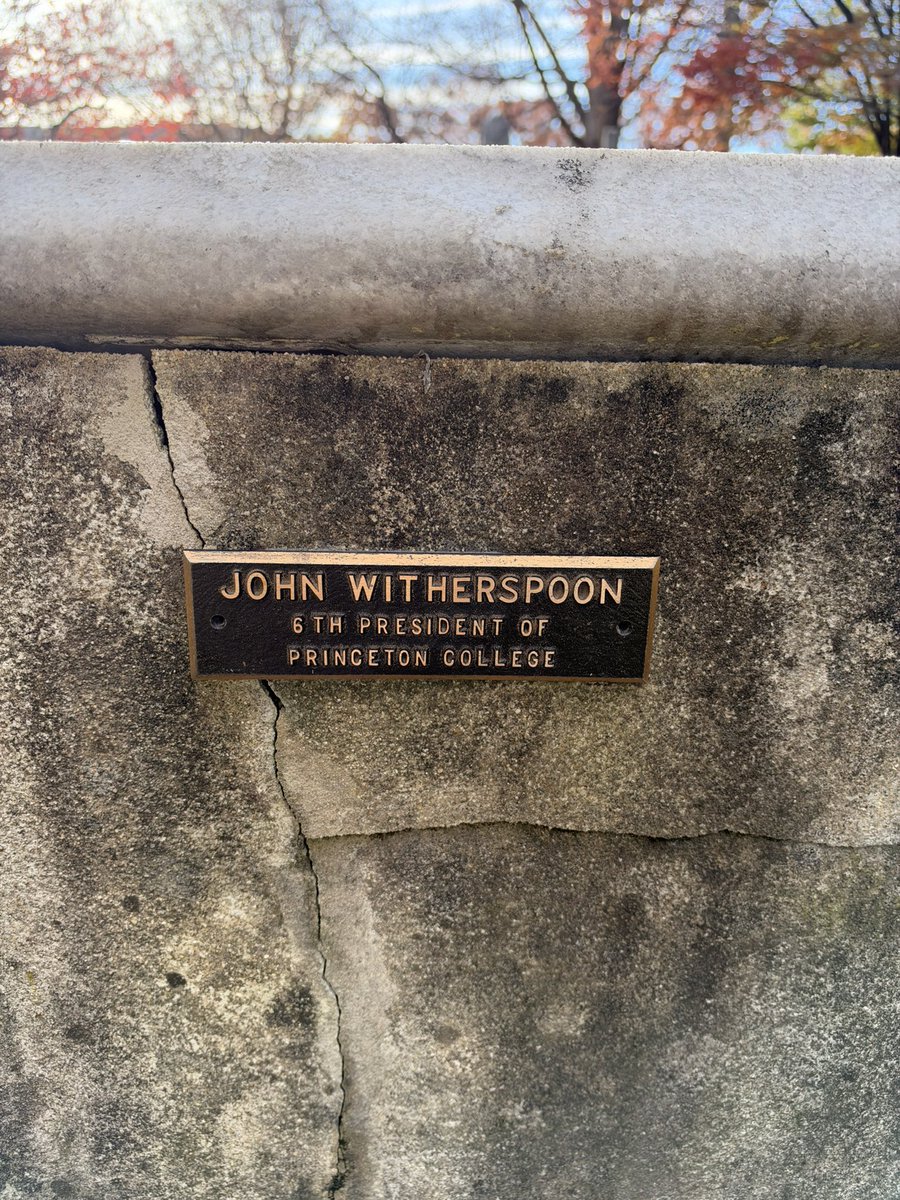
Next up, signer of the Declaration of Independence, John Witherspoon. Witherspoon was born in Scotland, served as President of the College of NJ (Princeton), and was one of "five independent souls" from NJ who served as delegates to the Continental Congress.
Last day in Princeton for the @PursuingHistory weekend "The British Empire Strikes Back." Cemetery run to visit Princeton Cemetery to pay respects to three historical powerhouses. First up: Aaron Burr:
You’re certainly welcome. So glad you were able to part of “The Pursuit of History: The British Empire Strikes Back.” Looking forward to seeing you in Quincy in the Spring for the next in our series of programs for our nation’s 250th.
So many thanks to Lee, Mary, and John for another fantastic @PursuingHistory weekend! Everyone, be sure to check out their website for the 2027 weekends and make plans to attend! History geeks, unite!!!