The IMF Knows What’s Wrong With China. So Does Beijing.
The IMF has just published a 240-page book, “Toward a New Economic Growth Model for China”.
https://t.co/cFN1j2q7ot
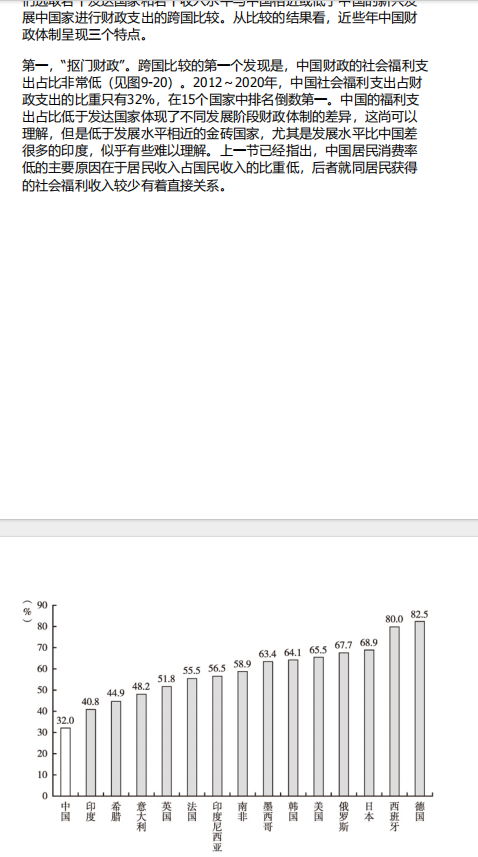
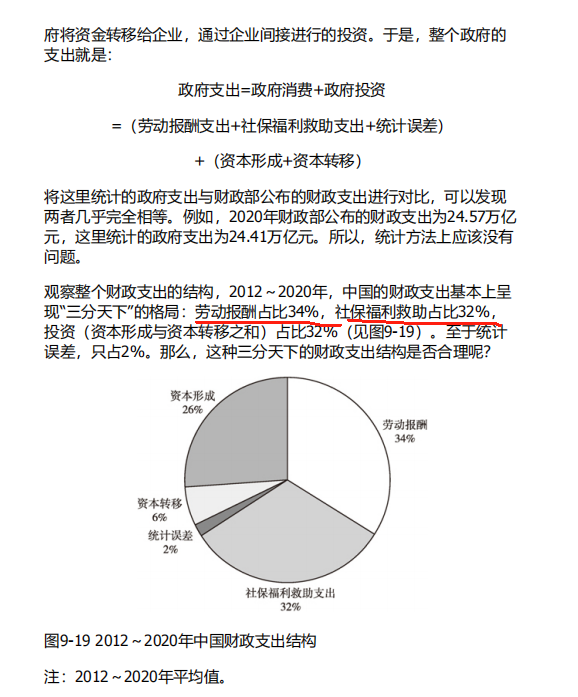
Its conclusion is straightforward: China’s existing growth model has reached its limits and needs to change. Investment is producing diminishing returns, property can no longer drive growth, domestic demand is too weak, productivity is slowing, and China cannot indefinitely substitute exports for domestic demand. The prescription is equally familiar: shift resources toward households, consumption and services; strengthen the social safety net; reduce industrial-policy distortions; restructure local-government finances; and give markets a larger role.
This is increasingly the mainstream view of China’s economy. I wrote about this new consensus a week ago. The IMF book gives useful data and nuances, but little in its basic diagnosis is new.
More importantly, probably very little of it is new to Beijing either.
Thirty or forty years ago, advice from institutions such as the IMF and World Bank carried enormous weight in China. China had limited experience with modern macroeconomics, financial markets and market institutions. That changed after Russia’s painful transition and, especially, the Asian financial crisis, when IMF programmes became deeply controversial across Asia. China became far more skeptical of prescriptions from international institutions.
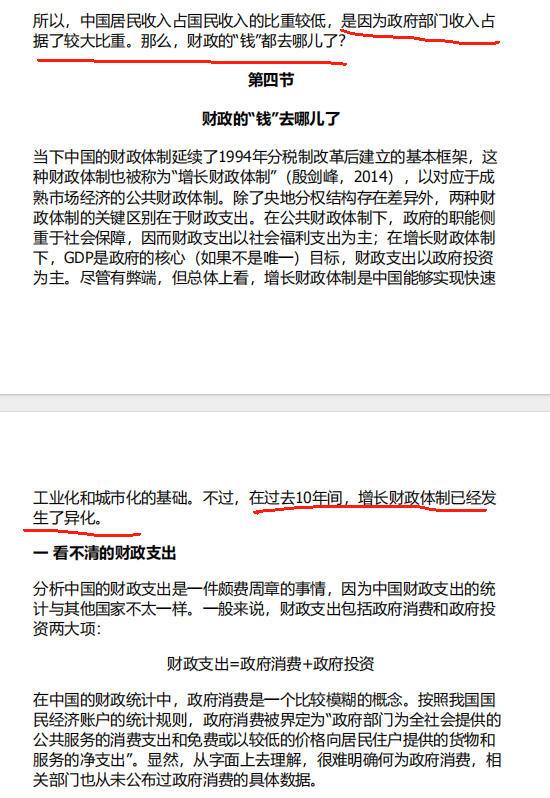
Meanwhile, China developed its own domestic economics profession and a comprehensive economic bureaucracy. Beijing does not need the IMF to tell it that consumption is too low, property is exhausted, local governments are overleveraged, or that continuously pouring capital into production while domestic demand remains weak creates distortions.
The issue is not about diagnosis. It is choice.
Many of the IMF’s prescriptions require redistributing not just resources but losses and power. Raising consumption means shifting resources toward households. Cleaning up local-government debt means deciding who absorbs accumulated losses. Giving markets a larger role means reducing administrative allocation of capital. Strengthening private enterprise means accepting a larger economic sphere less directly controlled by the Party-state.
This was also the most interesting part of the panel discussion. Most participants stayed within familiar economic diagnosis and prescription. @RhodiumDan Rosen of Rhodium Group went further.
https://t.co/878ePNO4iD
He pointed out the important question isn’t what reforms does China need? It is why did Beijing stop reforms it already knew were necessary?
While the IMF continues to discuss Chinese growth around the official 4.5–5% range, Rosen put underlying annualized growth at between -1% and +1%.
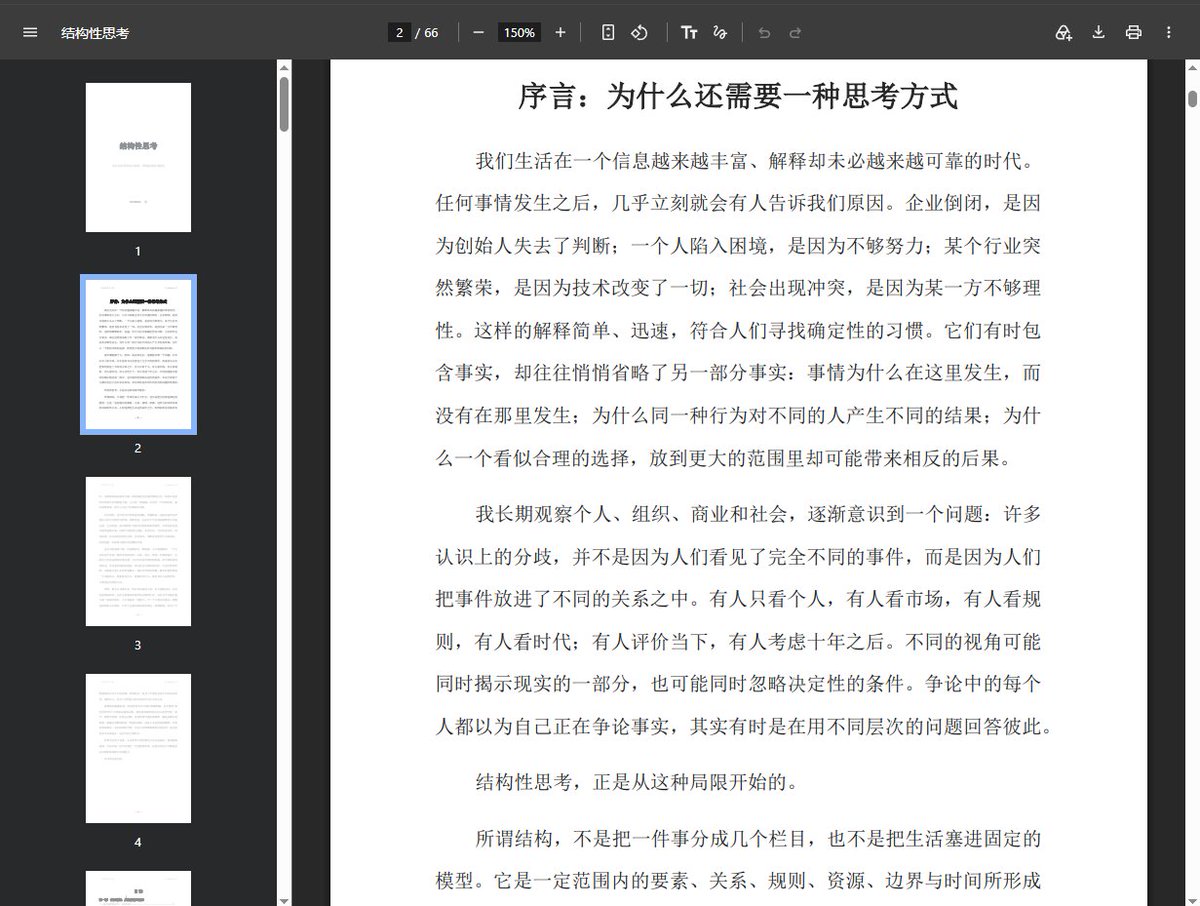
Once everyone agrees on the diagnosis, repeating it has declining value. The questions worth asking now should be:
What will Beijing actually do when the economically efficient solution conflicts with its political priorities? What happens if China continues pushing capital into manufacturing, technology and infrastructure rather than transferring income and resources to households? Who ultimately absorbs the losses embedded in property, local-government finance and the banking system? What happens when additional Chinese production collides with the political limits of foreign markets? And how should the rest of the world respond if Beijing understands the need for rebalancing perfectly well—and nevertheless chooses a different path?
That is where the China debate needs to go next.