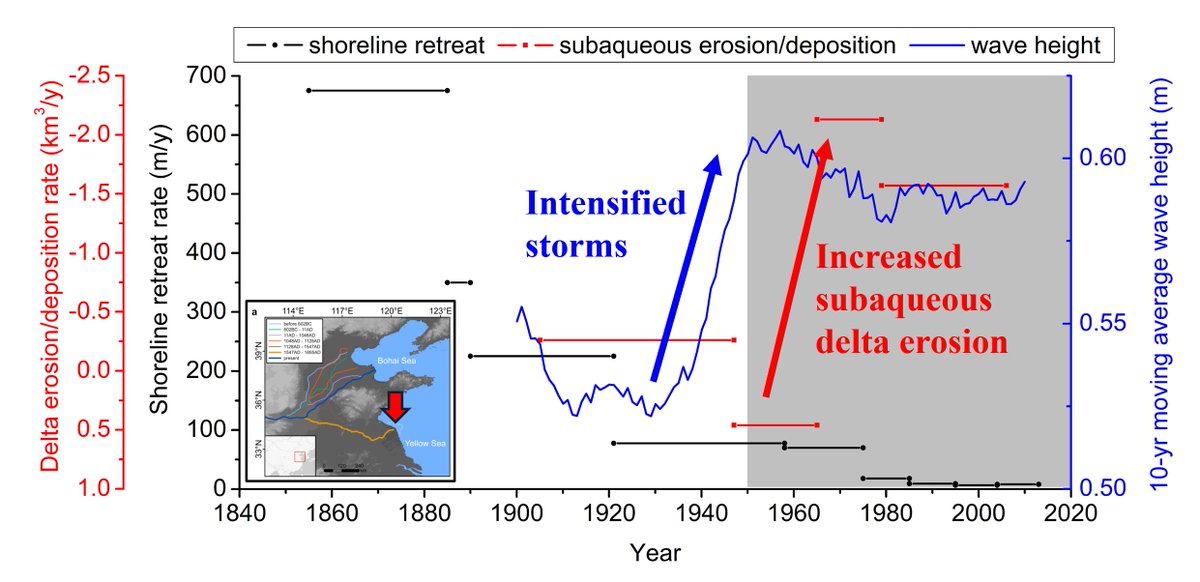
Check out our new paper (https://t.co/AJdY05yqqp) in @ScienceAdvances today! Our research at the abandoned Yellow River delta shows that fluvial sediment decline and intensified storms drive rapid subaqueous delta erosion, revealing hidden degradation beneath delta surfaces.
We also analyze 108 global deltas and identify 17 deltas facing similar situations of sediment decline and storm intensification during the past 40 years. Our findings suggest that subaqueous delta erosion must be more routinely integrated into delta sustainability evaluations.
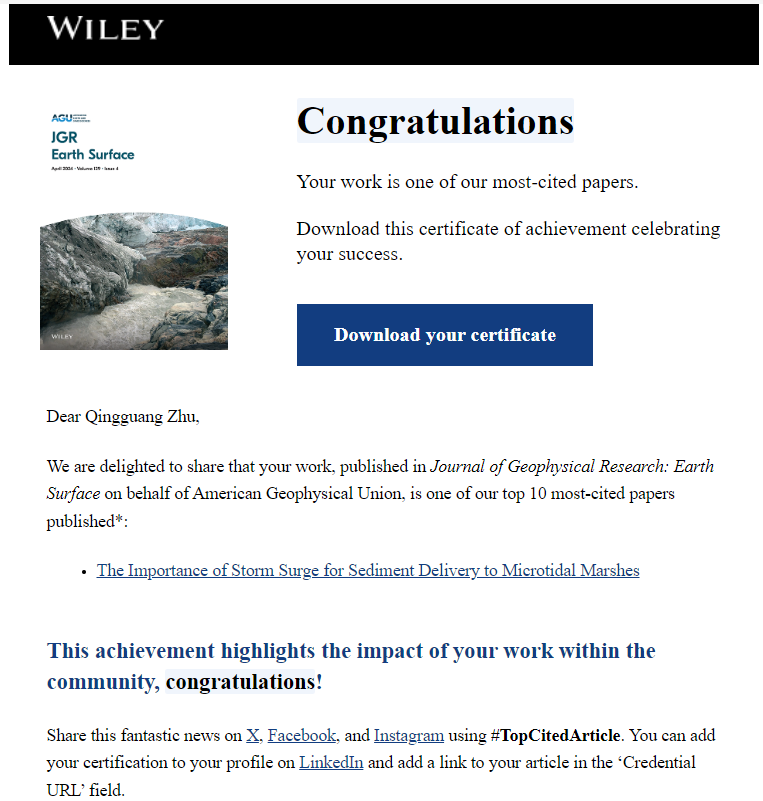
Delighted to share that our paper on modeling sediment delivery to salt marshes during storm surge events (https://t.co/9l3fZCwVHO) has been acknowledged as one of the most-cited papers @JGREarthSurface@uvaevsc#TopCitedArticle
Review: Human activities have altered production, transport, and fate of mud and associated organic carbon - with big implications for global carbon cycling
https://t.co/Y61HGHVL4B
Seagrass acts as temporary sediment storage and alters the timing of sediment transport to the marsh and marsh-edge erosion through seasonal growth cycles. It notably increases annual deposition on subtidal flats, while reducing marsh sediment supply and edge erosion by 20%.
Excited to share our new open access paper @JGRBiogeo https://t.co/mnaS5fOKuH
How will seasonal variations in SAV density and storms affect sediment retention and connectivity between subtidal flats and intertidal marsh?
We are so grateful for the collaboration with our community leaders to help guide us in knowing what’s important for equitable climate resilience in coastal Virginia @uvaevsc@UVA
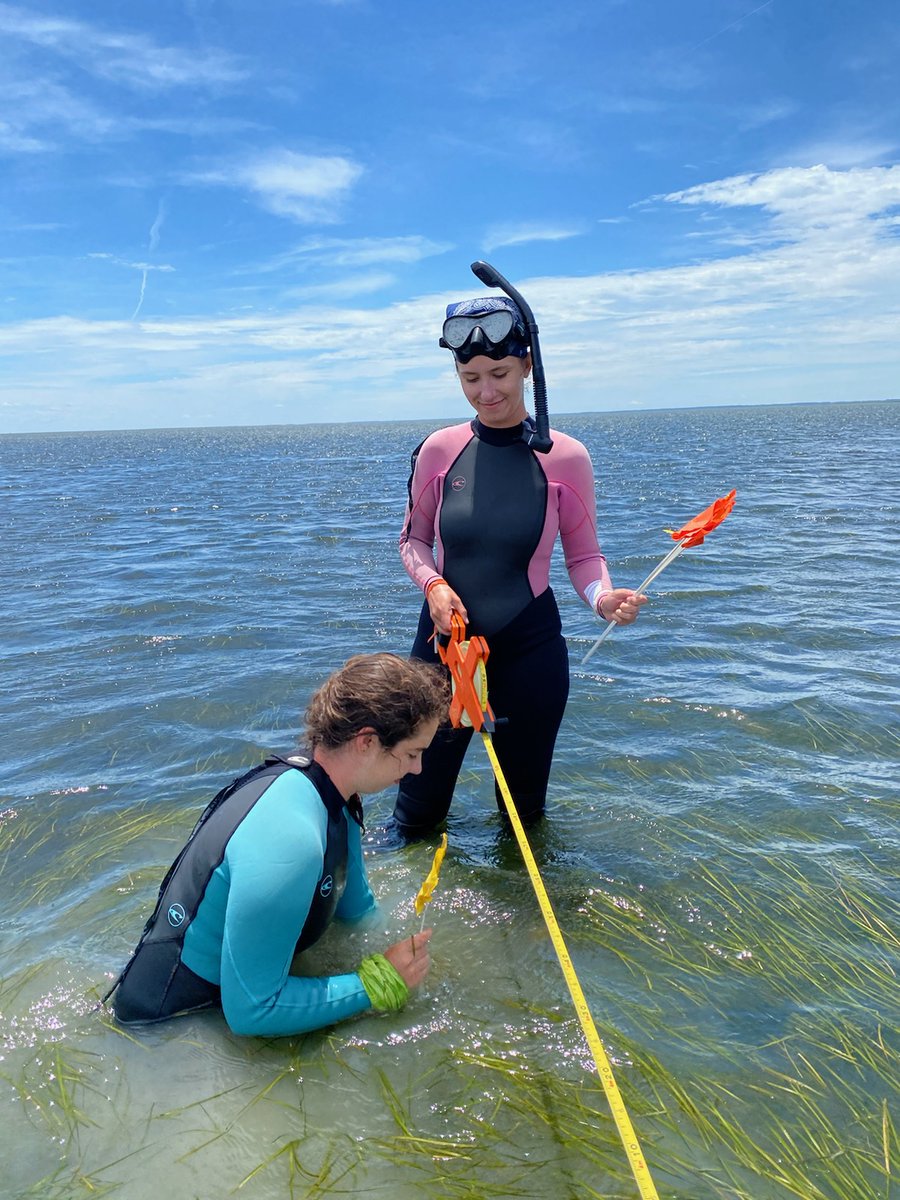
The restored eelgrass in VA’s coastal bays is one of the great large-scale success stories in marine restoration, & now it’s the first place on Earth soon to have a validated & verified seagrass #bluecarbon market project. #BuildingAmbitionUSN4C
Read more: https://t.co/myXtENJmvo
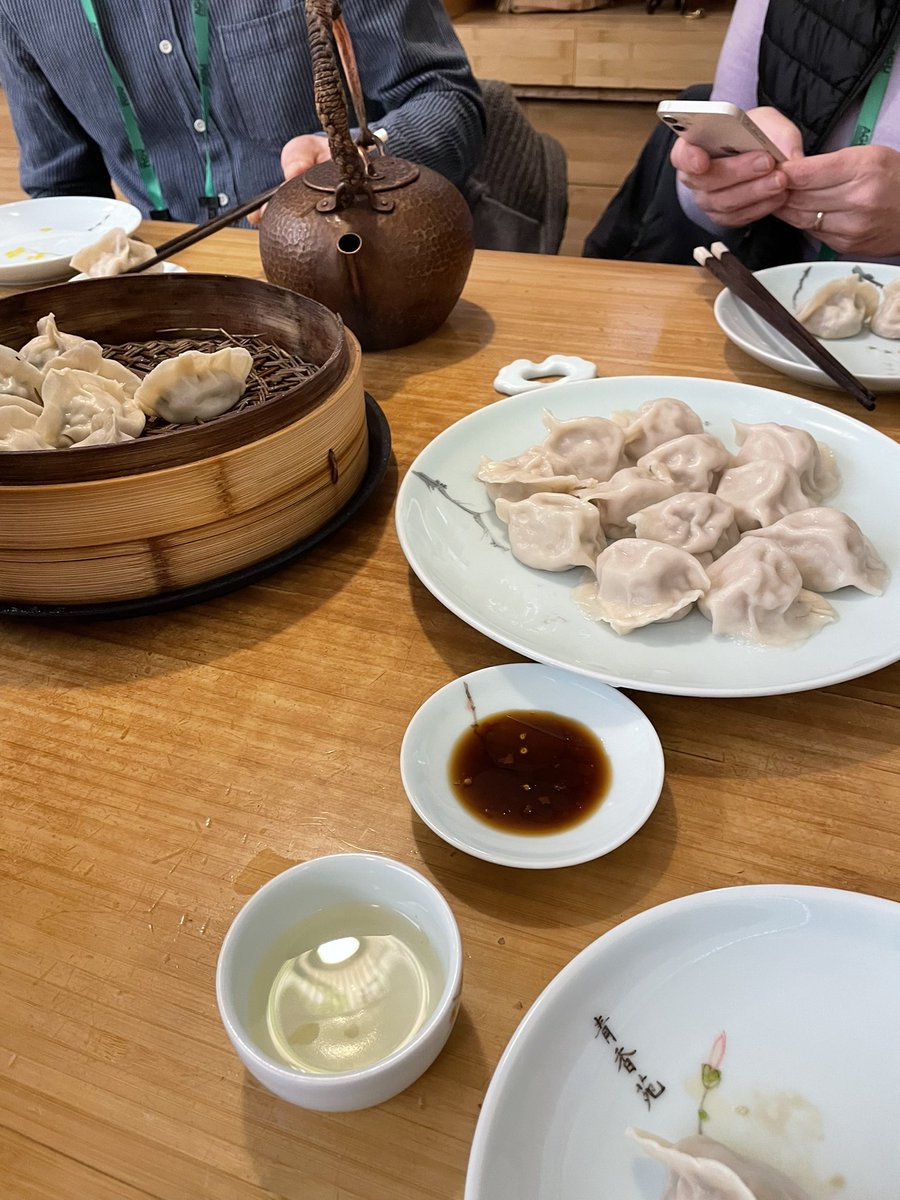
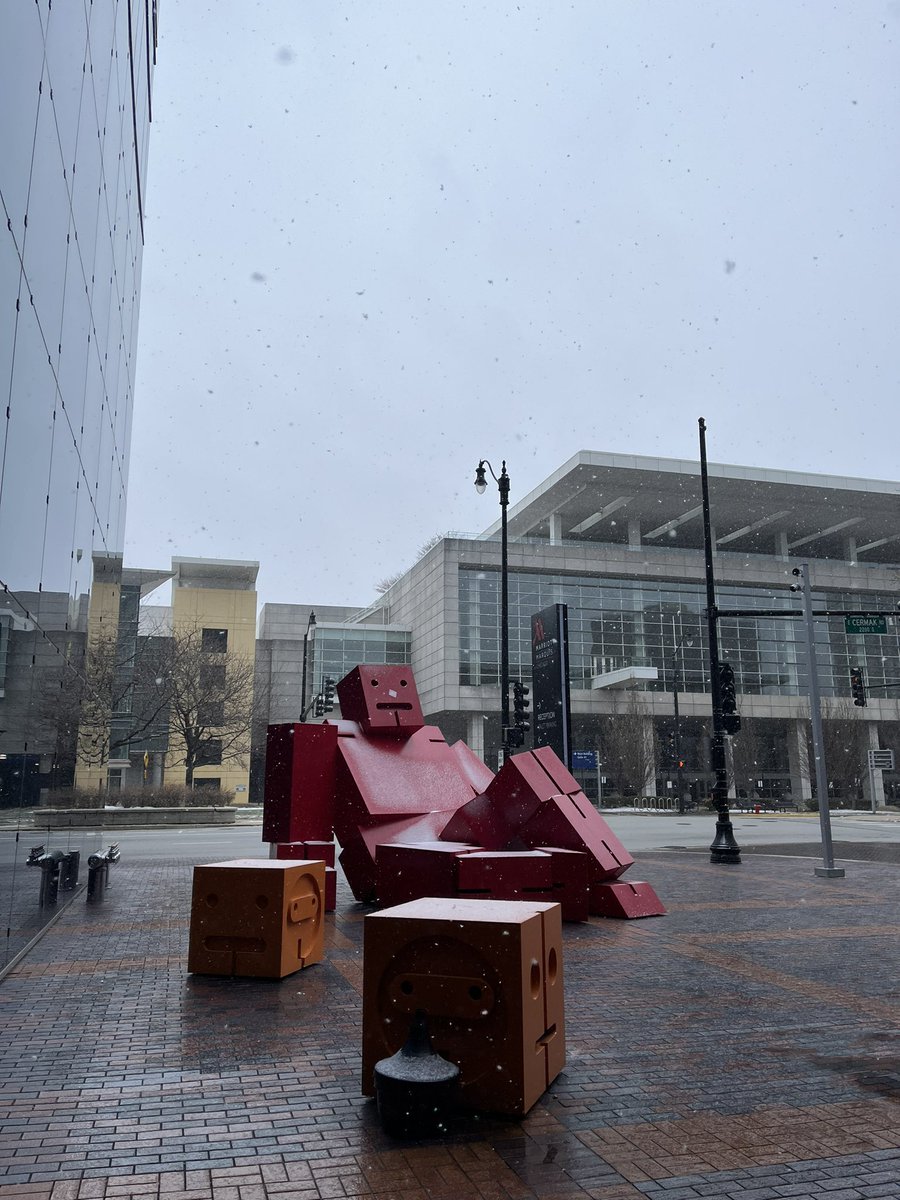
Finally get back to Virginia. Great #AGU experience this year despite the cold weather ❄️💨🥶 There are so many great talks and face-to-face conversations. The food in Chinatown is also amazing. Wish everyone a restful holiday and see you all next year!
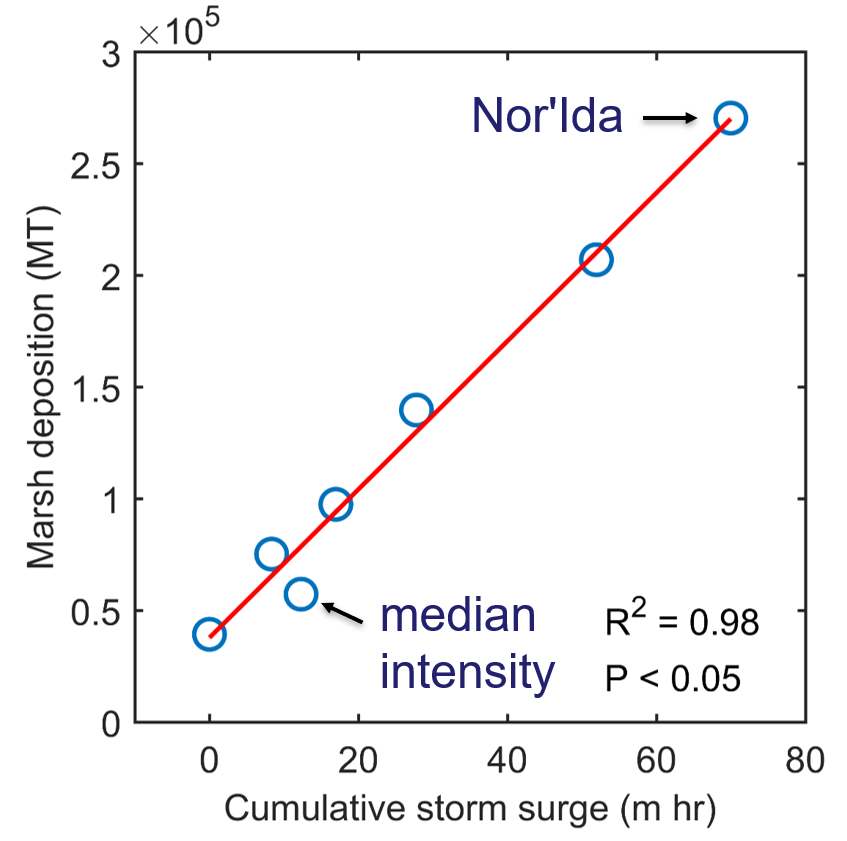
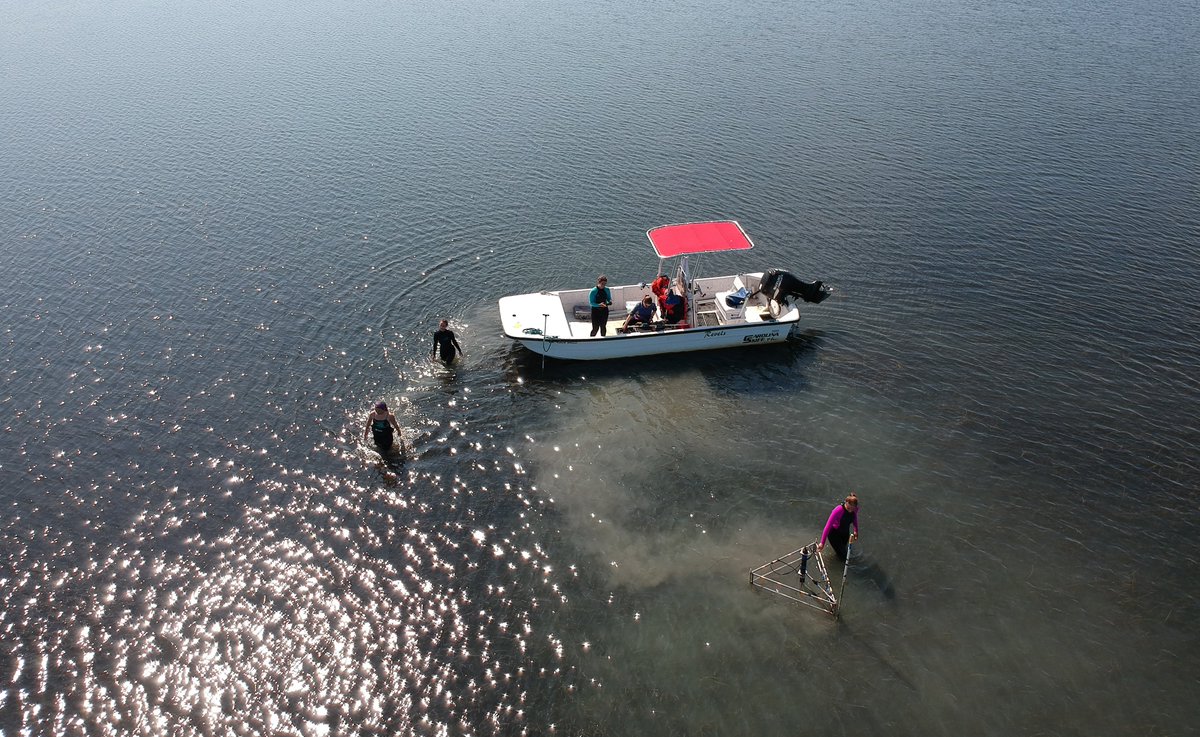
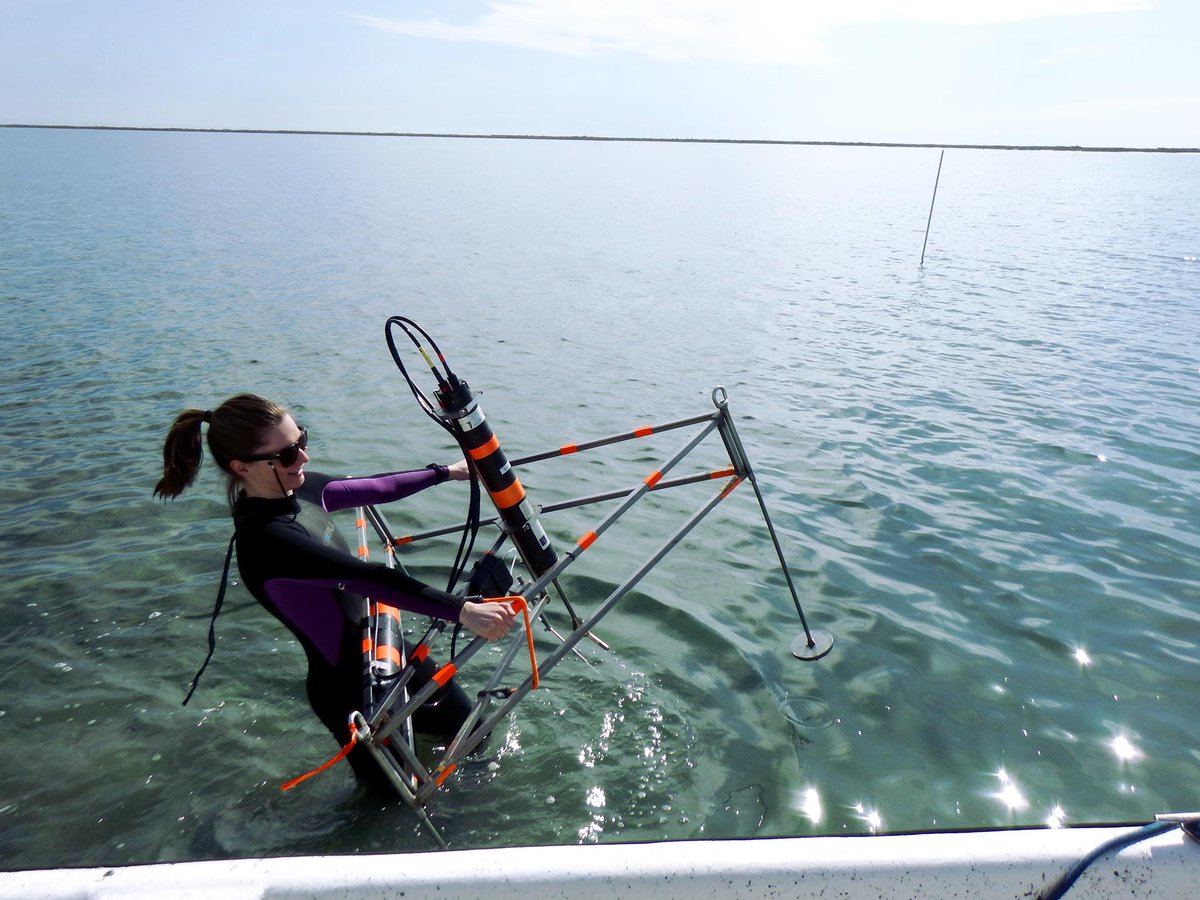
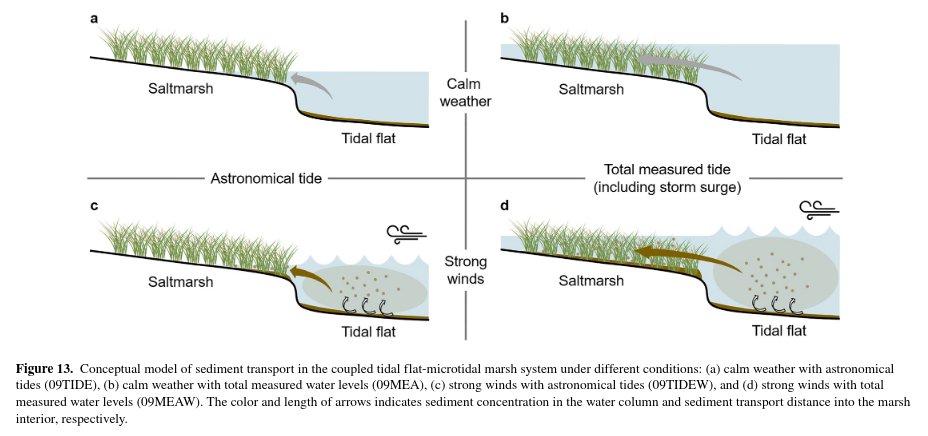
New paper alert🚨🚨 We used the Delft3D model to quantify the impact of storm surge on the barrier-bay system in the Virginia Coast Reserve. Episodic storm surge events contributed 40% of marsh deposition at our study site and should be better resolved in marsh deposition models.
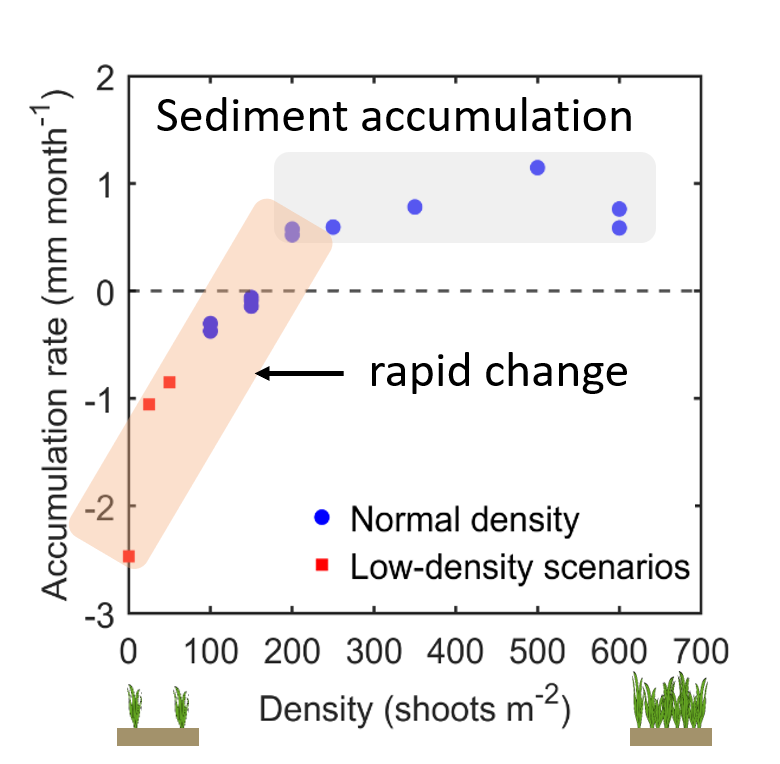
Strong sensitivity of sediment accumulation rates in seagrass meadows to seagrass density variations reveals an increasing erosion risk of seagrass meadows under future climate change.
Excited to share that our paper on modeling seasonal seagrass impacts on sediment and organic carbon accumulation is published online today in Limnology and Oceanography. @aslo_org@dave_hambright@Karen_McG2@vcrlter https://t.co/xvNy4J2fqG
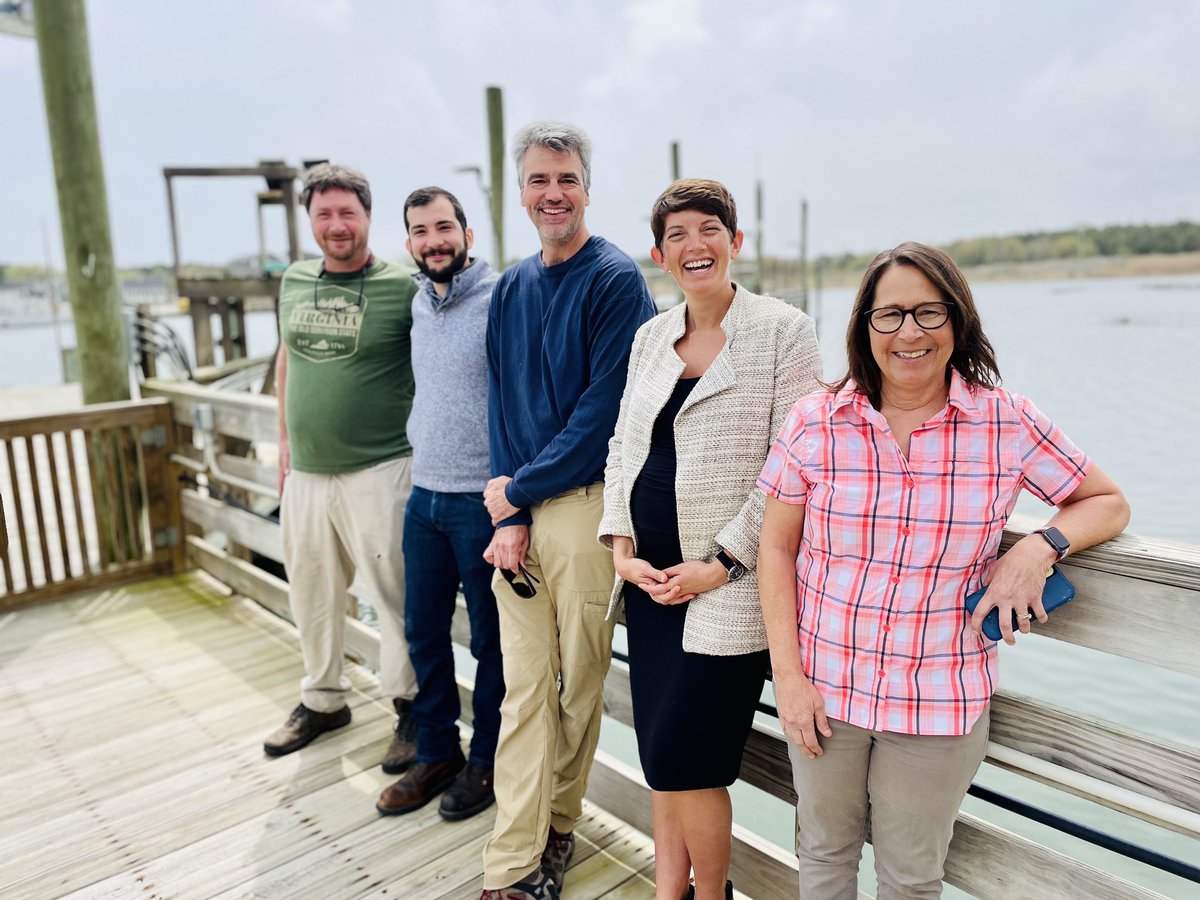
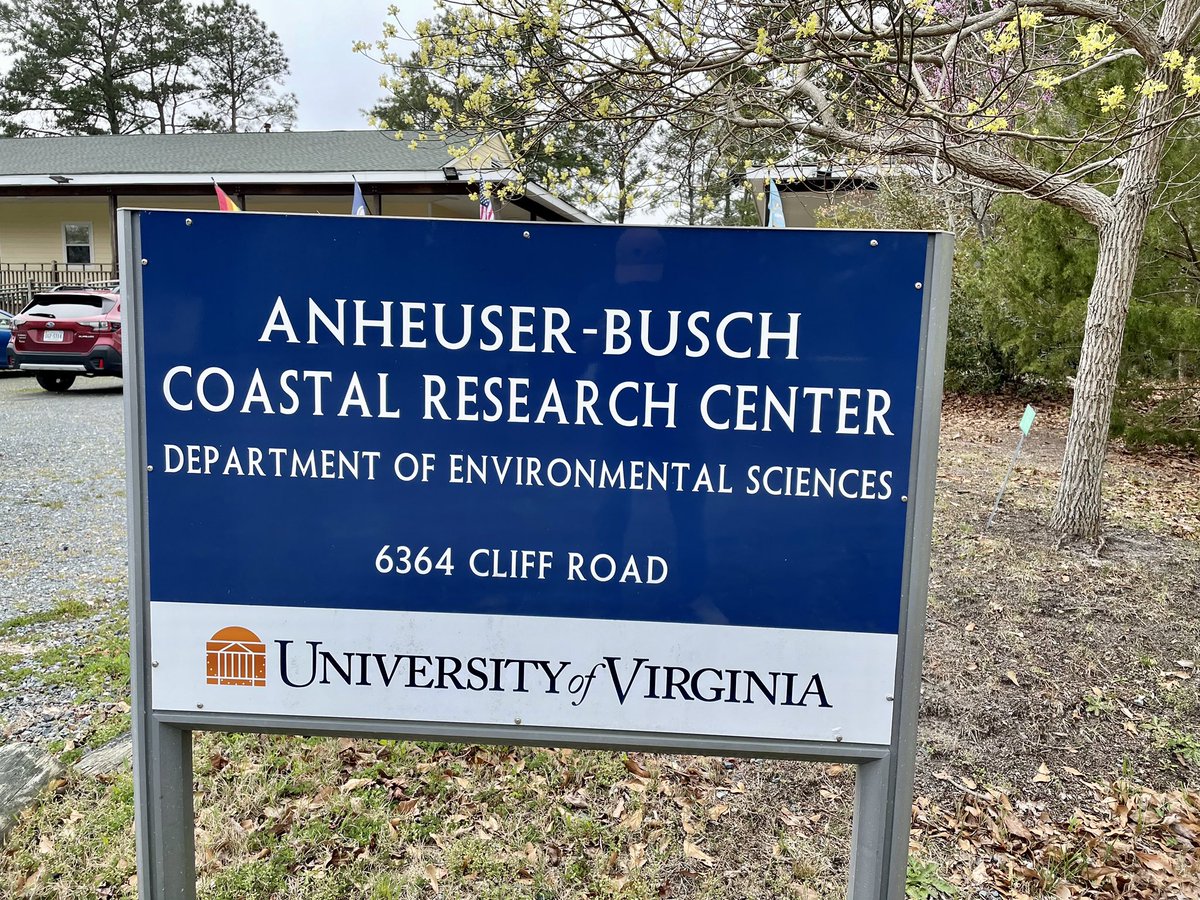
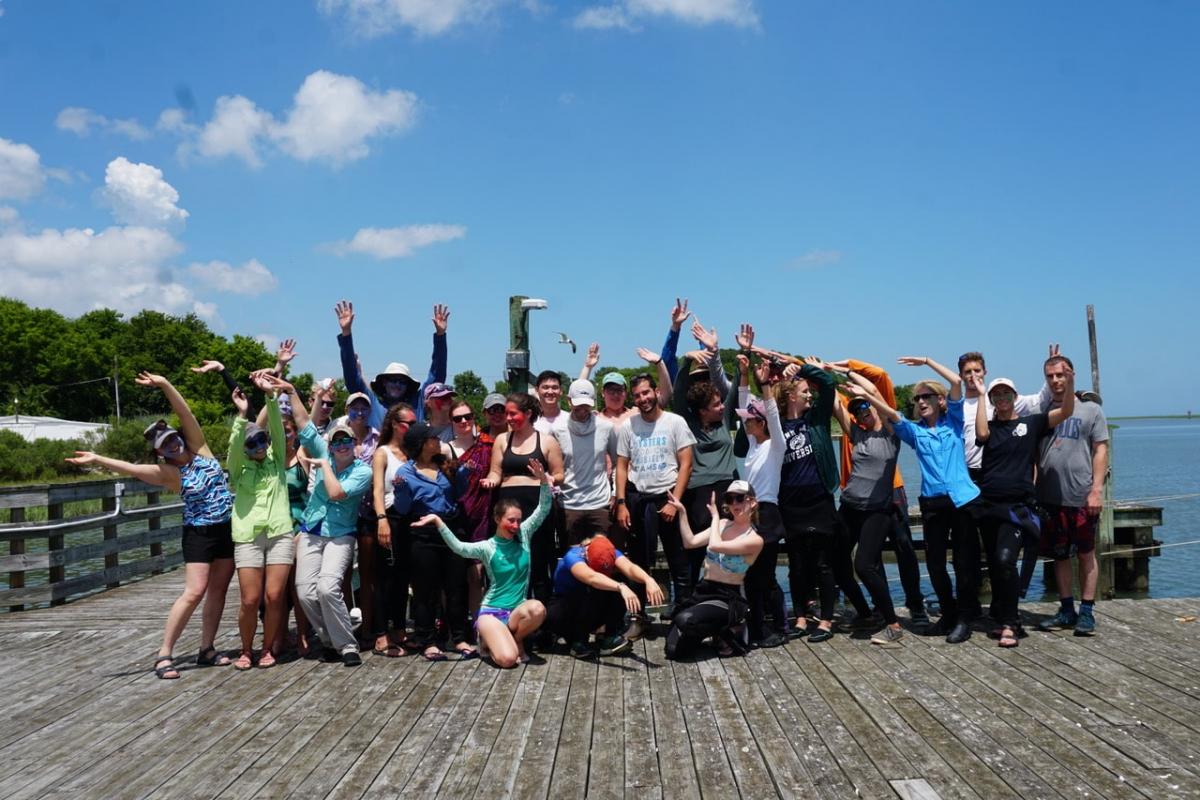
As part of our weekly staff appreciation visits, we ventured outside of Charlottesville to recognize and appreciate our incredible @UVA Coastal Research Center staff in Cape Charles, VA.
Interested in the effects of storm surge on microtidal marsh deposition? I will present our model simulation results in VCR-LTER @vcrlter at 1 pm today in the AGU Session EP23B. https://t.co/ulZRN9VokR #AGU21
Please RT!
Join our lab as a PhD student studying #bluecarbon flows in coastal ecosystems @vcrlter using aquatic #eddycovariance and other methods. Email a short description of your background/motivation to Peter Berg ([email protected]). Learn more: https://t.co/UtmIcIEQoP