Dan Hurley on the two personas every head coach must master:
The Jockey 🏇, and the Corner Man. 🥊
In practice — you are the jockey. You push. You challenge. You demand more than they think they have. You stretch them past comfort so execution becomes inevitable.
On game night — you become the corner man. You steady. You simplify. You remind them who they are. Confidence replaces correction.
Preparation is where you build them.
Performance is where you believe in them.
Arrived at Spring Training on 8 FEB and left Spring Training on 25 MAR.
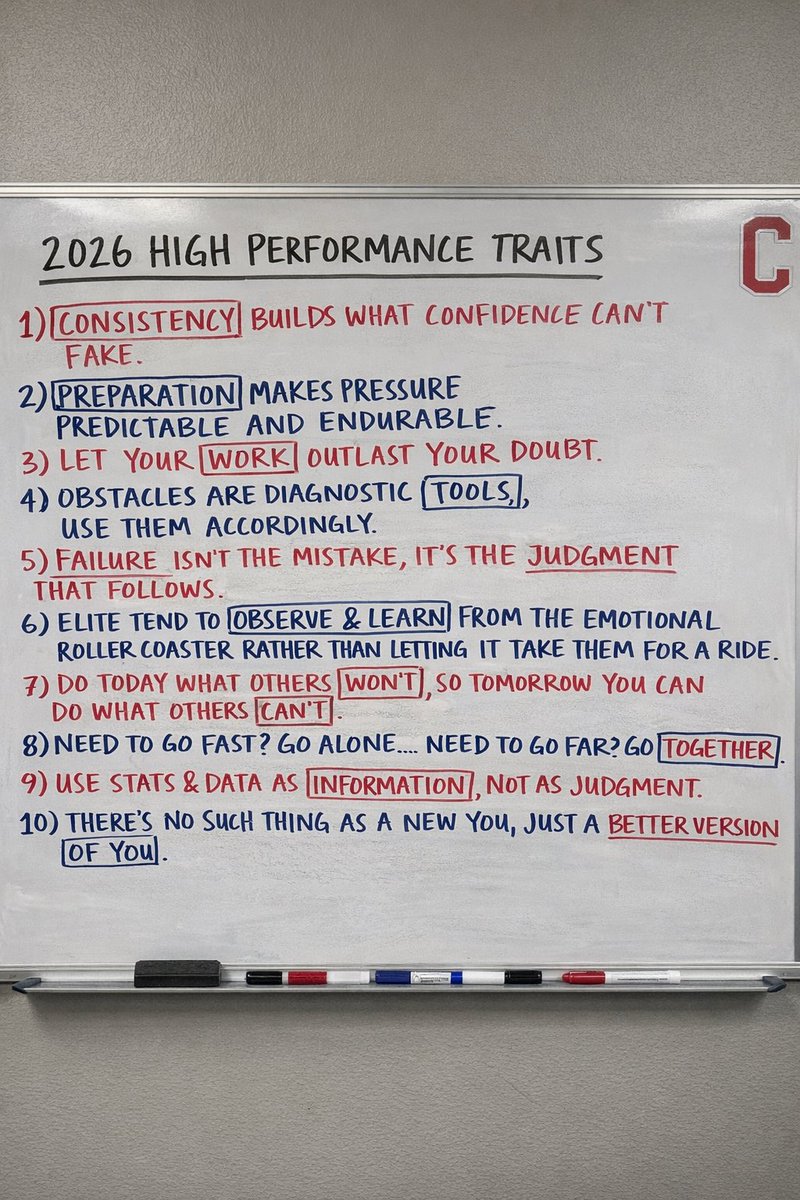
As we do each Spring Training for 45 days straight we asked anyone who came into the Mental Performance office about their thoughts on the most important High Performance Traits—we know there are more, but we dig this starting point!
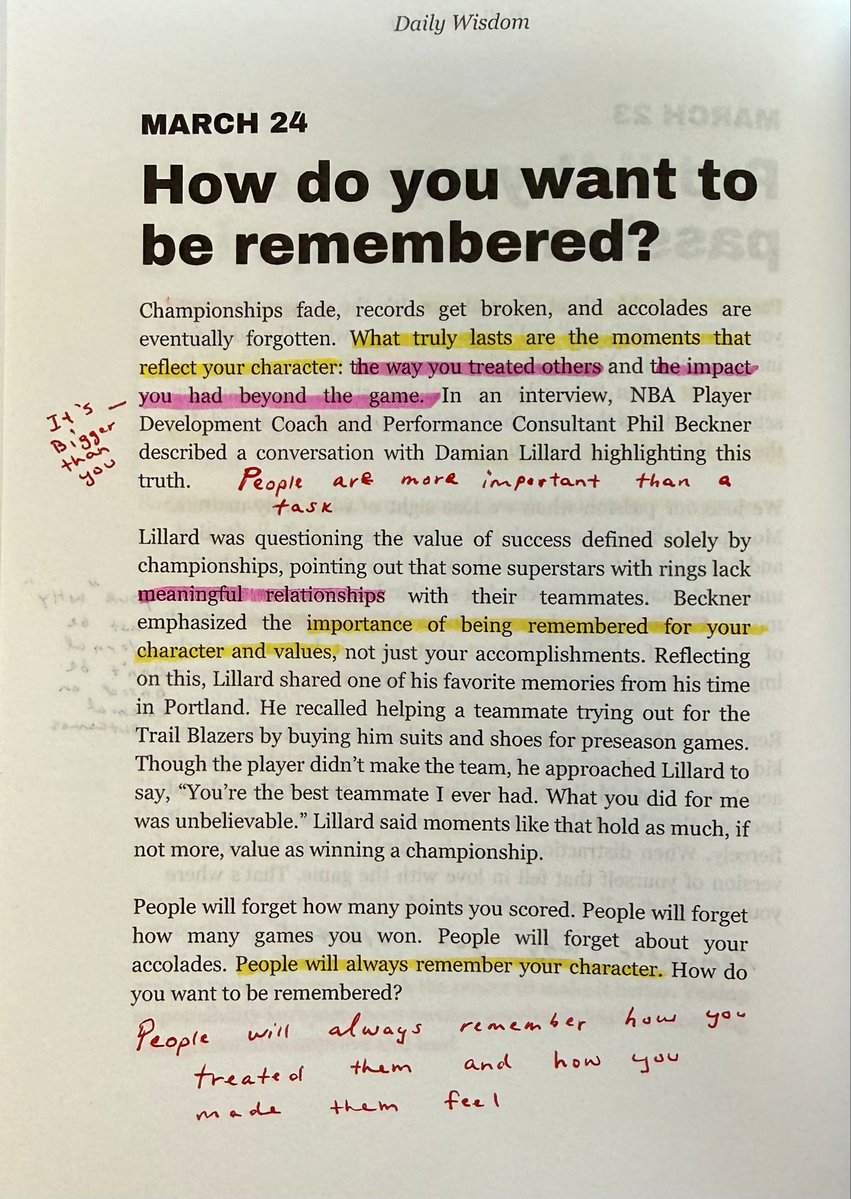
Your legacy isn’t what you achieved, but what you left behind. What you’re remembered for matters. How you treat people, the lessons you taught, the values you instilled. Those are the things worth being remembered for. Eventually champions are forgotten, trophies collect dust, records are broken and memories fade.
Winning beyond the game is the biggest thing. It’s bigger than you. It’s about others and the impact you had in their lives and in generations.
People won’t always remember what you said, but they’ll remember how you made them feel.
Always remember people are more important than a task. That’s servant leadership. That’s a legacy worth leaving.
The best teams I’ve been around weren’t built on tactics first.
They were built on trust.
Players who felt seen.
Coaches who listened.
Standards that were clear.
Care that was real.
When people know you’re invested in them as a person…
They’ll run through walls for the team.
𝐎𝐧𝐞 𝐨𝐟 𝐭𝐡𝐞 𝐨𝐥𝐝𝐞𝐬𝐭 𝐜𝐨𝐚𝐜𝐡𝐢𝐧𝐠 𝐭𝐫𝐮𝐭𝐡𝐬 𝐭𝐡𝐞𝐫𝐞 𝐢𝐬:
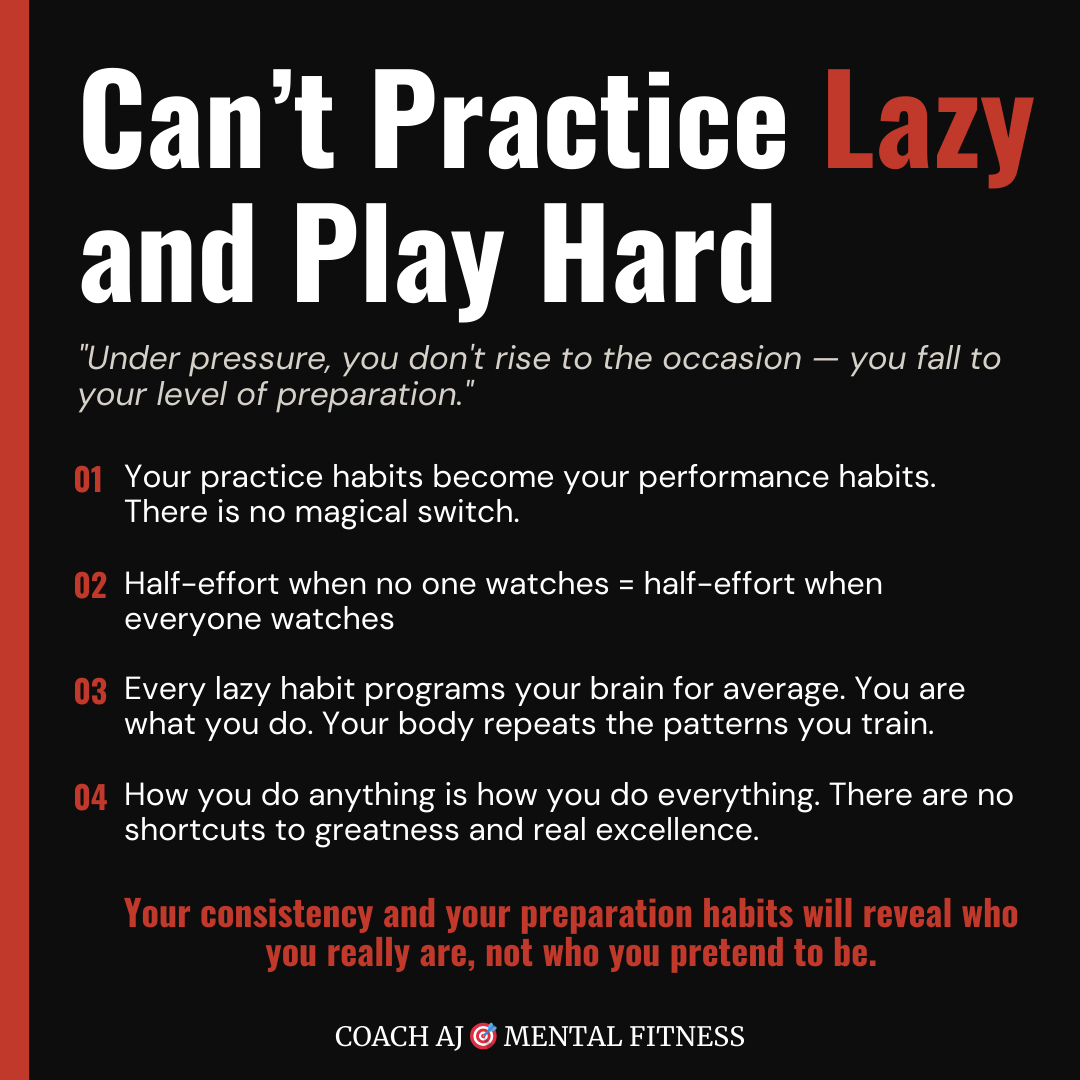
YOU CAN'T PRACTICE LAZY AND PLAY HARD.
Your habits don't magically change when the lights come on.
Success starts with how you prepare and put in the work.
Great Teams Have Great Assistant Coaches.
Great Assistants...
1. Show Loyalty
2. Share their voice
3. Bring positive energy
4. Stay poised & composed
5. Are committed and put in the time
6. Do the little things to help the team
7. Have great relationships with all players
Yesterday I asked: what would you do if you had ONE session with a team you don't know, in a place you've never been, sometimes in a language you don't speak, in a sport you don't understand?
Here's my answer: I make them feel good about themselves.
I can't improve their physiology in one session — so I don't try.
I can't fix their technique in a single workout — so I don't waste their time or mine.
What I CAN do is inspire them to believe in themselves — just a little. Be a spark in their hearts that could change everything.
Coaches — our job, above all else, is to inspire people to believe in themselves and that anything is possible.
Yes, we coach technique, tactics, speed, strength. But the effectiveness of our coaching comes down to one thing: our ability to inspire everyone we coach to believe in themselves — and in us.
Video on this coming later this week at https://t.co/S99yxbOk66
Thank you for sharing your thoughts with me and this community.
#waynegoldsmith #sportsthoughts #coaching #inspiration #believeinyourself
There are a lot of coaches who are very good at training kids.
They know their drills. They understand programming. They can run a great gym session.
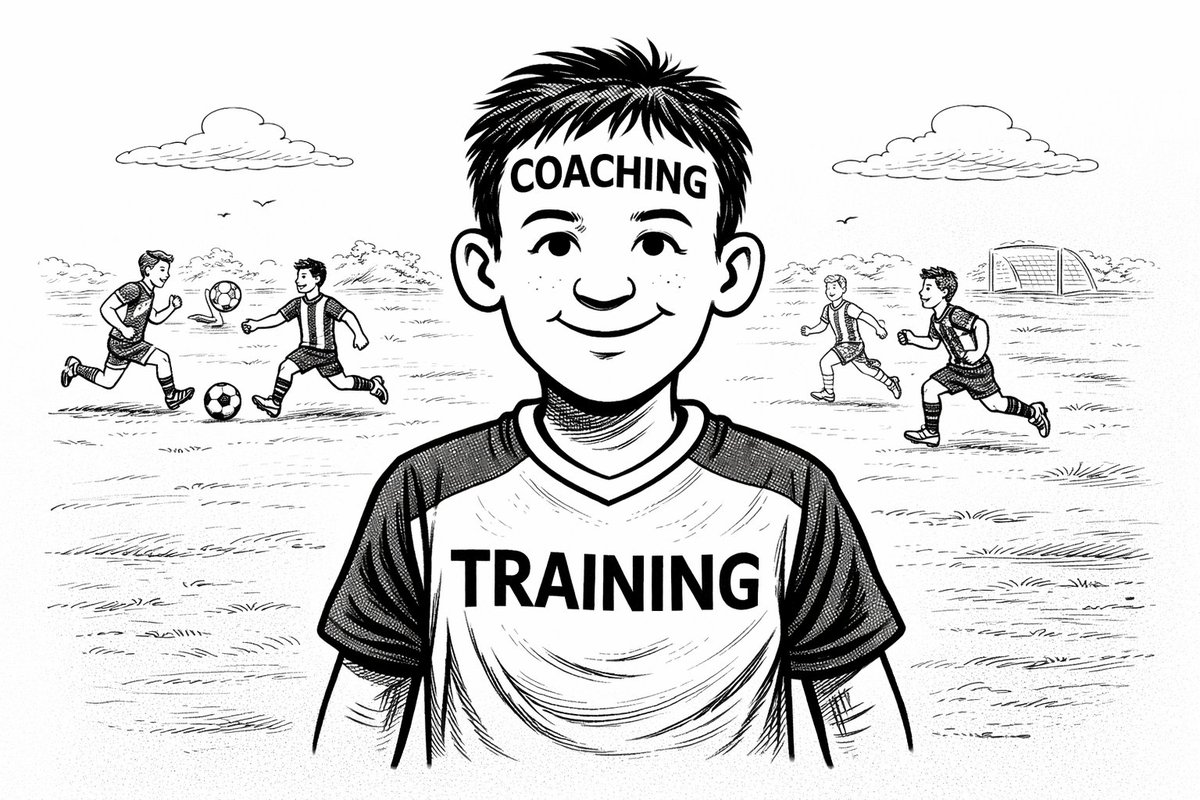
But training isn't coaching.
My old friend Bill Sweetenham puts it perfectly:
"Coaching is neck up. Training is neck down."
Training is the science — sets, reps, drills, programs.
Coaching is the art — inspiration, connection, belief. Making someone feel like anything is possible.
Most coaches are good at neck down.
The great ones master neck up.
Which one are you spending more time on?
Check out https://t.co/S99yxbOk66
7 Head Coach Responsibilities
(All Sports)
1. Leadership and Program Vision
2. Coaching Staff Development
3. Player Development
4. Strategy and Game Prep
5. Communication with District & Community
6. Establish Standards
7. Represent the program professionally
Championship teams:
Show up on time
Treat others with respect
Seek uncomfortable growth
Believe in each other
Have great practices
Drop individual agendas
Uplift teammates
Put in extra work outside of practice
Trust coach’s plan
Compete
Accept roles
Communicate
Foster leadership
Leaders:
Your job isn’t to remove every obstacle your team faces/could face. Your job is to guide them through the obstacles so that they learn from them, get better in the midst of them, and build the strength/confidence to overcome the next one.
Don’t limit their learning.
Coaches who obsess with:
- Details
- Innovation
- Simplicity
- Connection
- Learning
Are GUARANTEED to succeed.
Conversely, coaches who obsess with:
- Outcomes
- Appearance
Will ALWAYS have an excuse, be forced to make a change, or quit.
PROCESS > RESULTS
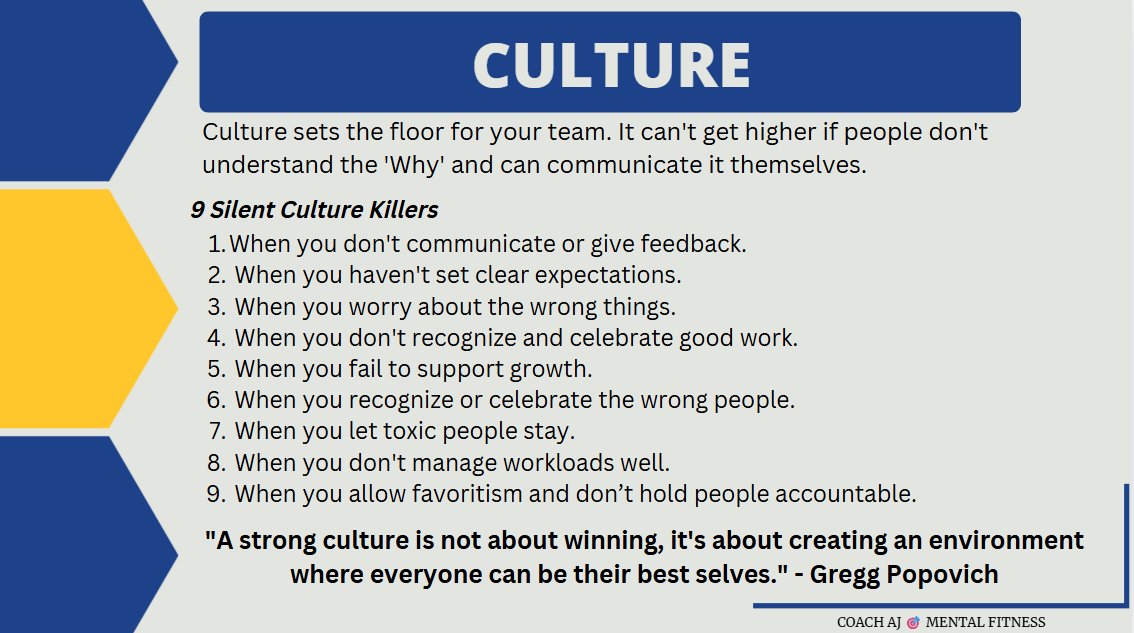
Gregg Popovich said, "A strong culture is not about winning, it's about creating an environment where everyone can be their best selves."
Your culture is reflected in how you act, what you tolerate, and what you reinforce.
It sets the floor for your team.