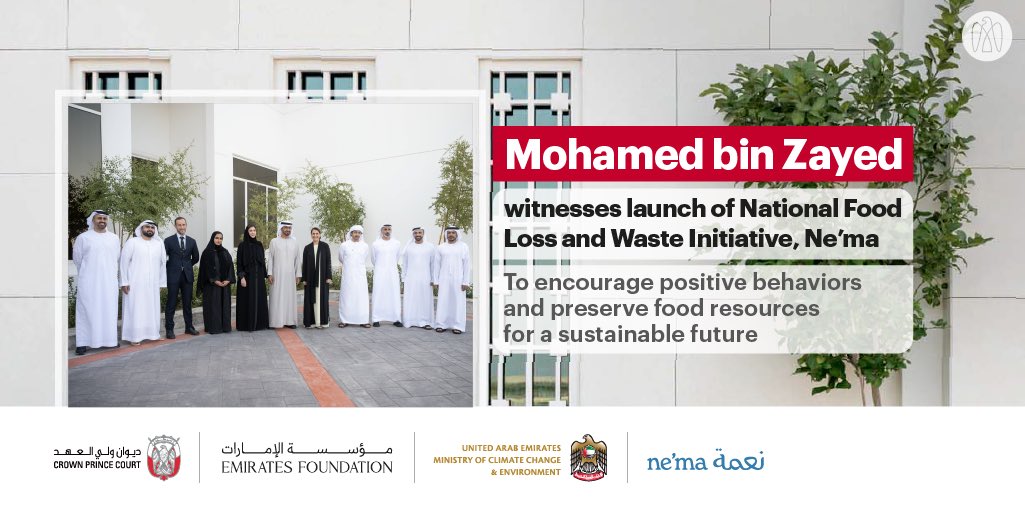
Mohamed bin Zayed has witnessed the launch of the National Food Loss and Waste Initiative Naema, to encourage responsible consumption in order to preserve sustainable food resources.
“We now, more than ever before, thanks to the technology we have, are capable of having a solution,” says Al Anoud Alhashmi, CEO & Founder, @TheFuturistCo_ on the future of agritech and food security at #Innovate.
Highlights from #Innovate, #MasdarCity’s global initiative, at #ADSW 2022. We would like to thank our partners, participants from innovative companies, panelists, and everyone who visited the Innovate stand and joined our panel discussions.
#WeAreCommitted#ForASustainableFuture
Industrial non-biodegradable wastes like plastics, fly ash, synthetic fibres, gypsum, radioactive wastes are generated by iron and steel plants, fertilizer industries, thermal plants, chemical and dyes industries.
#nonbiodegradable#biodegradable#plastics#ecology#recycling
Synthetic products like plastics, glass, batteries, tyres etc., do not break down easily. If not disposed of properly, non-biodegradable waste can cause pollution, harm animals, and cause irreversible damage.
#nonbiodegradable#biodegradable#plastics#ecology#recycling#dubai
Sustainable livestock farming means making livestock systems economically efficient and balancing between meeting the growing demand of animal-origin products and reducing the livestock sector's adverse side effects to the minimum.
#animalagriculture#livestockfarming#livestock
Animal agriculture is the second-largest contributor to human-made greenhouse gas (GHG) emissions after fossil fuels and is a leading cause of deforestation, water and air pollution and biodiversity loss.
#animalagriculture#GHG#deforestation#greenhouse#fossilfuel#noplastic
While animal farms give food, they produce massive amounts of animal waste like urine and compost that emit around 400 different harmful elements into the atmosphere - including dry manure, feathers, feed etc.
#animalagriculture#GHG#deforestation#greenhouse#fossilfuel#dubai
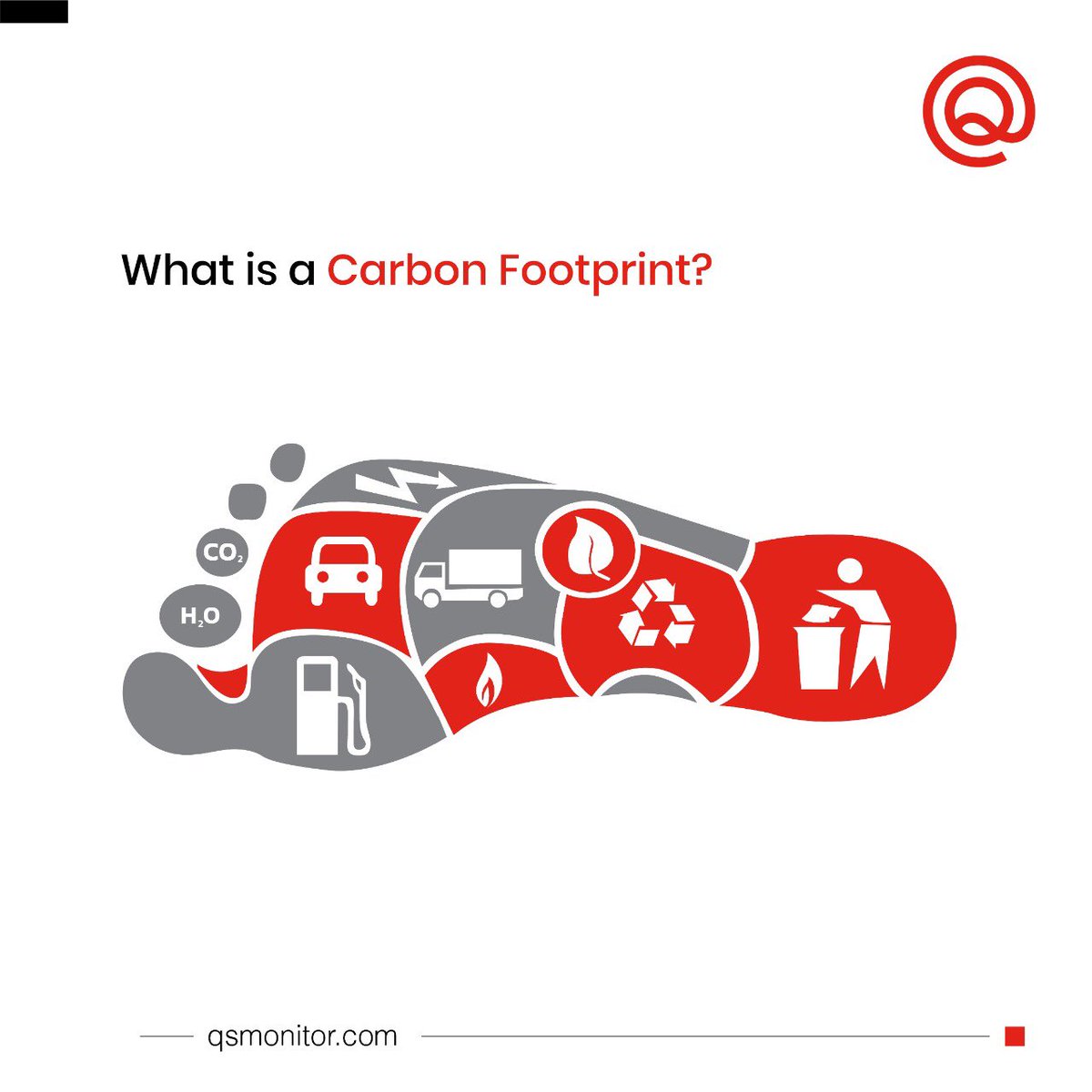
A carbon footprint is the entire amount of greenhouse gases (GHG) produced to support an individual's lifestyle and activities, an organization, a product, or an event - measured in equivalent tons of CO2 during the year.
#GHG#carbonfootprint#reducerisks#urban#ecology#dxb
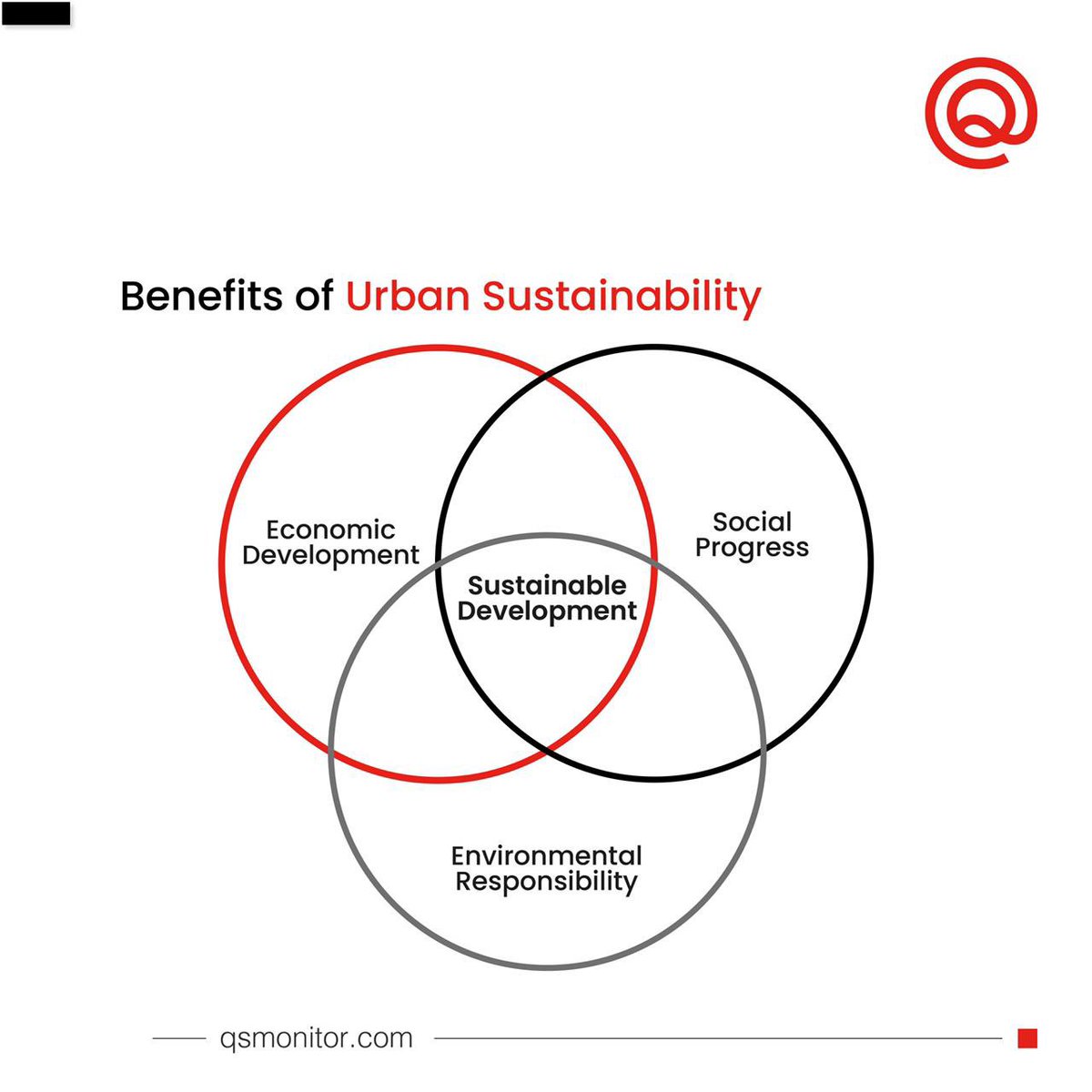
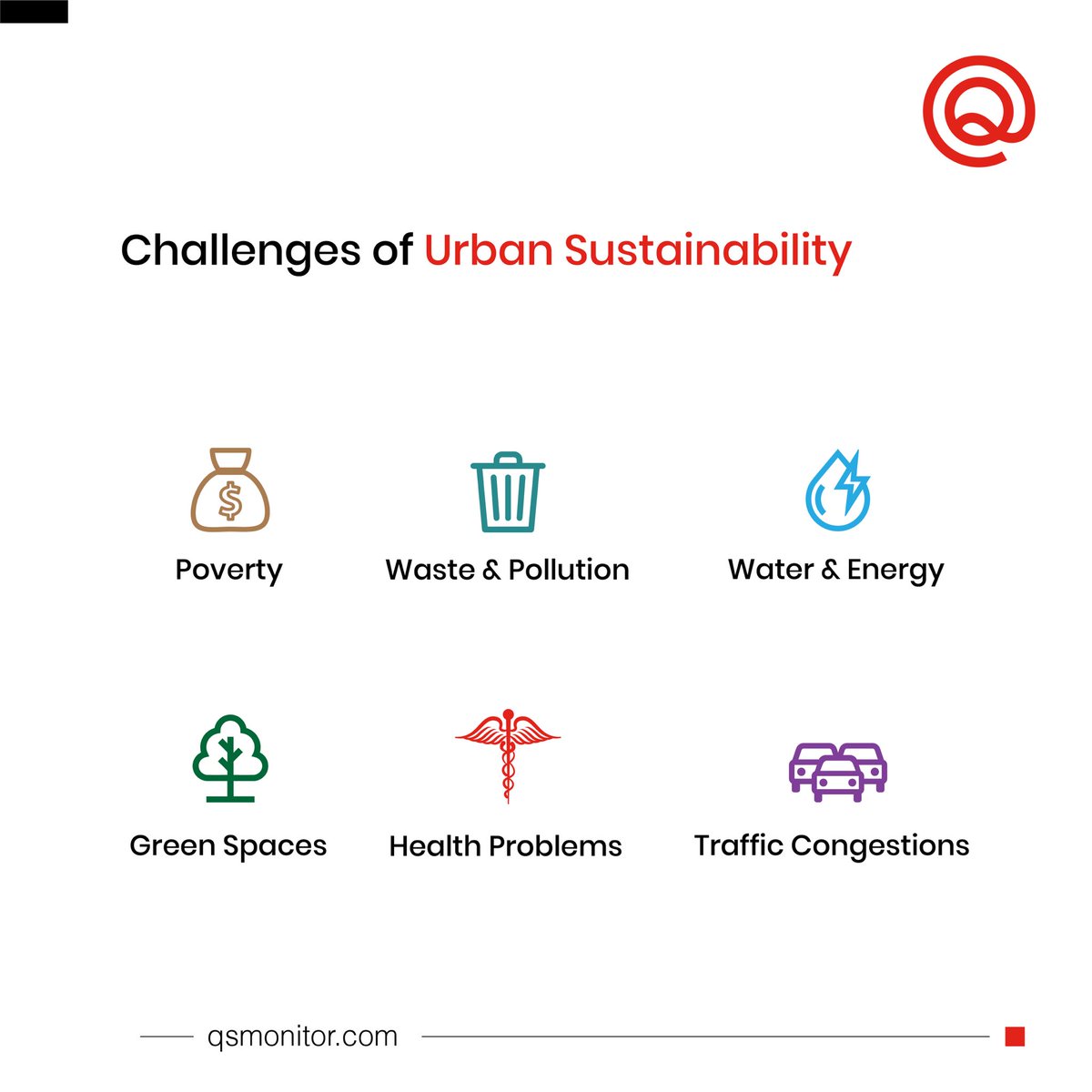
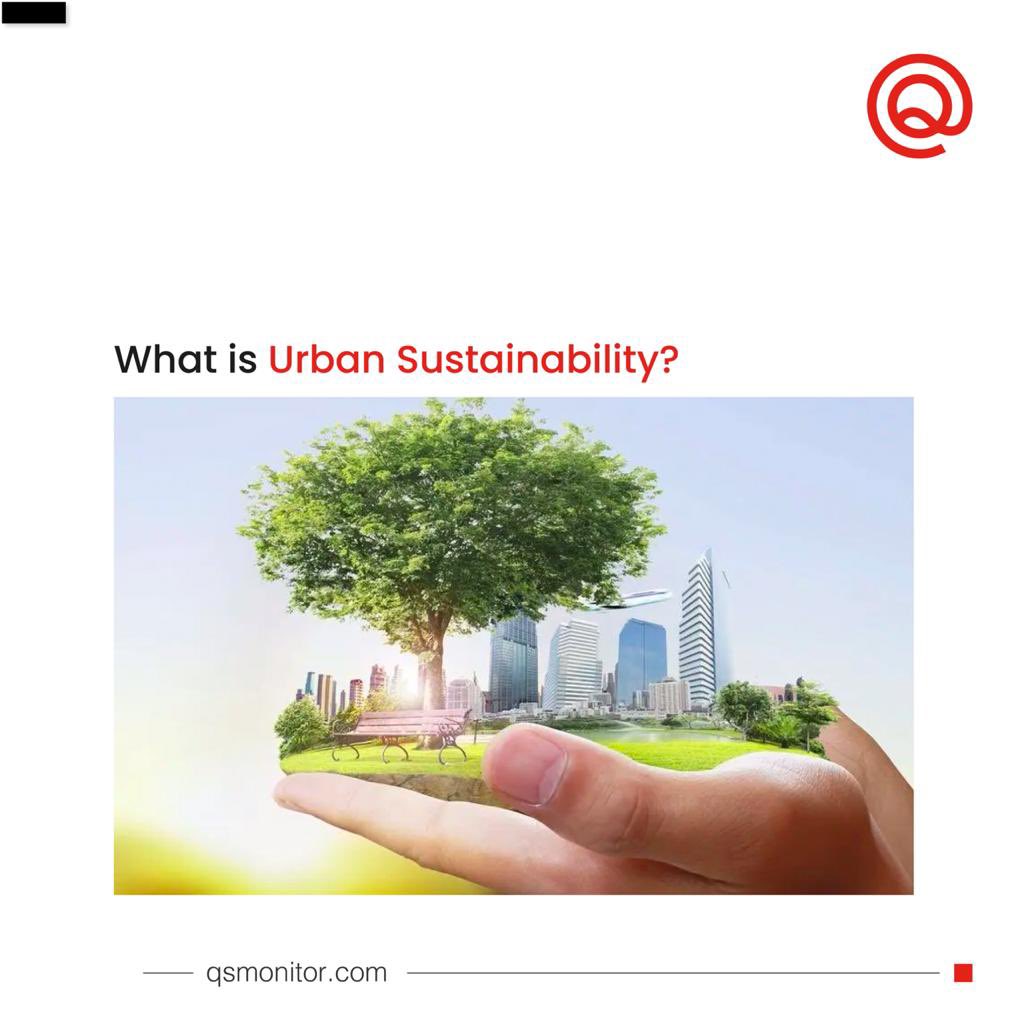
Every city has its challenges to Urban Sustainability - majorly being poverty, ecological conditions, lack of human resources, etc. The challenge requires extensive planning, time, education, and financial input.
#urbansustainability#challenges#economic#urban#ecology#uae