Innovative qualitative health research. Focus on methods. Critical qualitative inquiry. Curated by @doc_samantha Prof Public Health at Deakin Uni, Melbourne.
Hi Qual Twitter!
Does anyone have some good examples of conferences posters for qualitative studies? Would also be great to see some that really stand out when they are presented at online conferences!
Will pin this tweet as a resource for others as well!
Thank you!
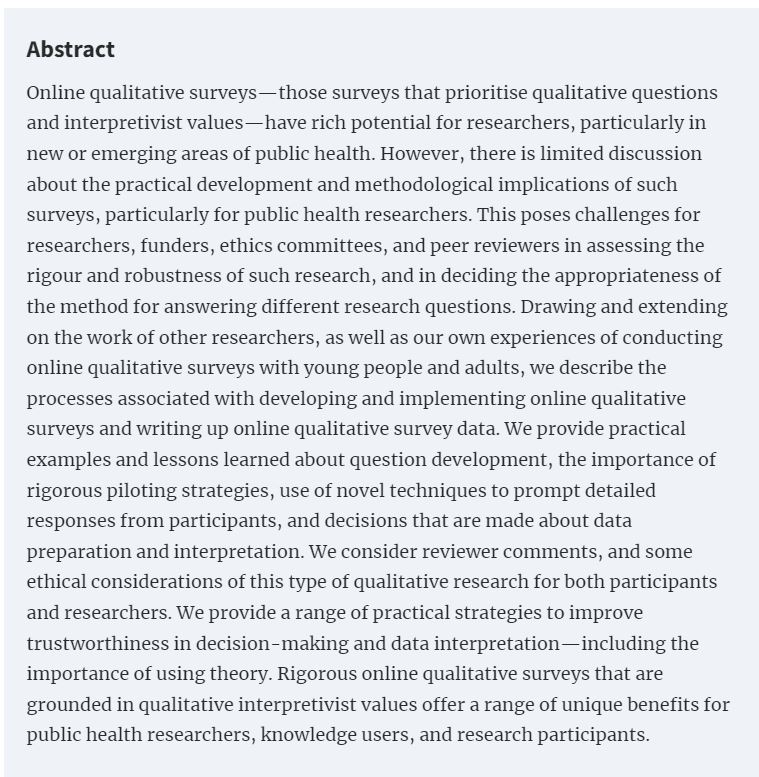
Absolutely brilliant to write this new paper with @MaritaHennessy@HannahLPitt@SimoneNicoleM@GraceArnot ⬇️⬇️⬇️
Using examples from our own studies we share methodological & practical guidance for designing and conducting online qualitative surveys. 🧵
https://t.co/sqiU8A59GK
Must read new paper in @HealthPromInt on reflexive thematic analysis by @ginnybraun & Victoria Clarke. 👏👏
The paper explores problematic & good features of the use of RTA before focusing on two domains that present key challenges: theory and themes.
https://t.co/fCz8CzYbfO
Children and young people are powerful voices for change. Public health and health promotion must engage them as genuine political actors in decisions made about the climate crisis @healthpromint@HannahLPitt@SimoneNicoleM@PhilippaCollin@Doc_Samantha
https://t.co/ed4bDoej5L
🚨New paper alert!🚨
This new study shows how art🎨 can positively impact men's mental health via enhanced social connections, self-esteem, and emotional regulation.
⏩Read the article here:
https://t.co/E9a5dg8RpC
👀Or watch the video abstract here!
https://t.co/nqm3NCU7su
First paper to promote whānau (family) and student voice on the NZ healthy school lunch programme now out showing broad impacts of this massive shift in school food environments @doc_samantha @healthpromoint https://t.co/3pQ04kgHiL
We are delighted to announce the launch of the Mike Daube Early Career Researcher Advocacy Series in @HealthPromInt
Read the introduction by Emeritus Professor Mike Daube AO @DrOliviaDoll1 and follow the thread for more details about the series!
🧵⬇️
https://t.co/MnYdYCyW3U
Our latest open access publication is out now - men’s experiences of engaging with the arts. This paper explores the mental health benefits and the barriers/facilitators to their engagement.
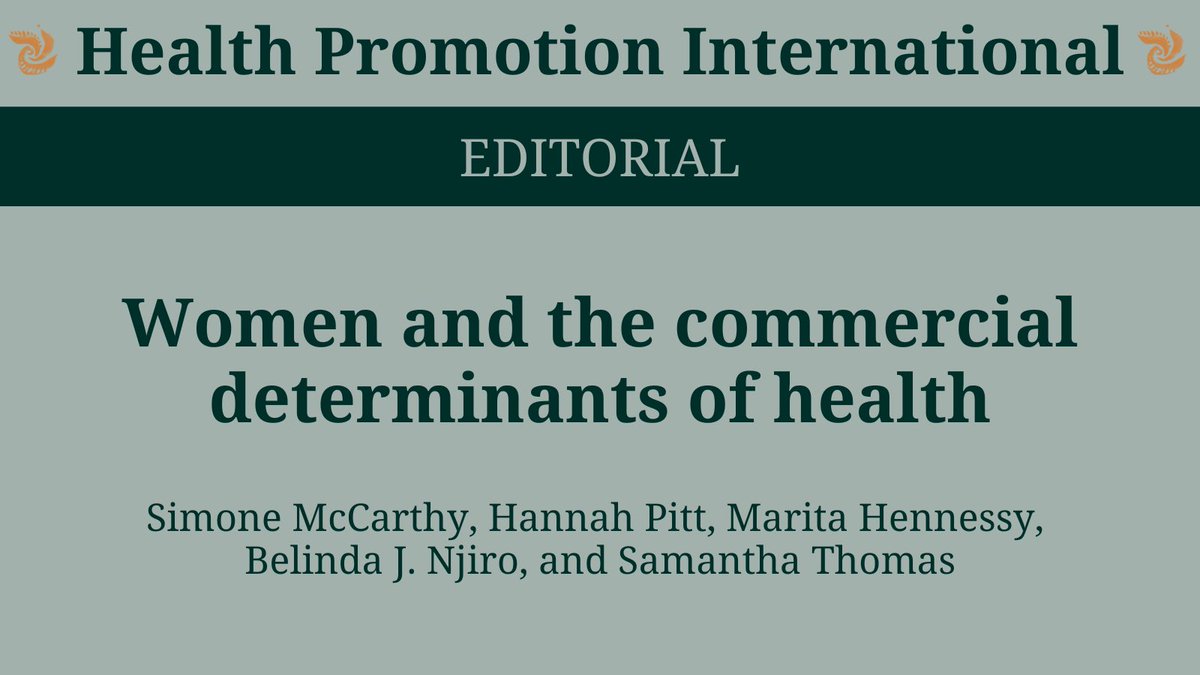
Great to lead my first editorial on such an important and interesting area!
This editorial considers the impact the CDoH may have on women in the production and consumption processes and through CSR initiatives.
Give it a read here: https://t.co/bmII3WASZb
🧵 [3]
“I was so upset about putting my mother in a facility that I needed someone to help me process this transition. I come from a generation where children were expected to look after their parents forever, so I felt so guilty”.
@QualitativeRese@qdrepository@Qual_Health
The third paper from my PhD has just been published in @HealthPromInt ‼️
We explored the views of 500 young Australians about the impact of commercial determinants on the climate crisis. #CDoH@Doc_Samantha@HannahLPitt and Elyse Warner. 1/🧵
https://t.co/bJmaW0nP10
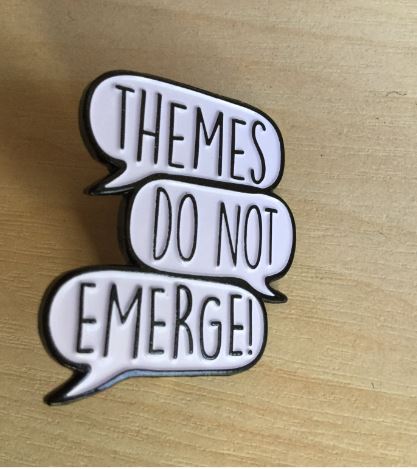
A reminder: Saturation is not a goal or necessity in interpretive, critical, or “post” #qualitative analyses that do not make claims about capital T truth, but rather crack open the scene with the light of new understanding. What’s more...
1/2
As an academic writing coach, here are the 5 most common mistakes I see researchers make when they write their Discussion sections.
A thread. 🧵
#PIchat#newPI#ECRchat
—
Mistake #1: Providing paragraphs of background information
📝 The Introduction section is meant for context. In the Discussion section, any mentioned background info needs to be *discussed* together with your own findings.
—
Mistake #2: Expecting the reader to have read all previous sections
💡 Tell the whole story by restating the problem you are solving with your study so that readers understand the motivation for your research.
—
Mistake #3: Describing the purpose and result of each experiment
🔬 This should be provided in the Results section. The Discussion is for actually *discussing* your findings, i.e. how your study has changed the state of the art and what the potential implications are.
—
Mistake #4: Too general implication statements
🌍 Avoid too broad statements that could mean everything and nothing. Be specific when you describe the potential implication of your findings even when some of them are speculative.
—
Mistake #5: Skipping the discussion altogether
🚫 Discussion sections are helpful for fellow researchers, journal editors and also journalists! If you have a combined Results & Discussion section, don't forget to include the discussion part!
—
TL;DR: The 5 most common mistakes in the Discussion section:
#1: Providing too much background info
#2: Not restating the motivation of your study
#3: Describing the purpose of each experiment
#4: Too general implication statements
#5: Skipping the discussion altogether
If you're not identifying and teasing out the metaphors in your #qualitative analyses, you are missing a key vehicle for unveiling meaning. What are metaphors and how can their analysis provide rich insight? A 🧵
We have lots of papers submitted to @healthpromint which use Thematic Analysis.
We have added the following fantastic resource - developed by @drvicclarke & @ginnybraun - to our website to help facilitate quality in Thematic Analysis!
https://t.co/ETBKtcJt0N
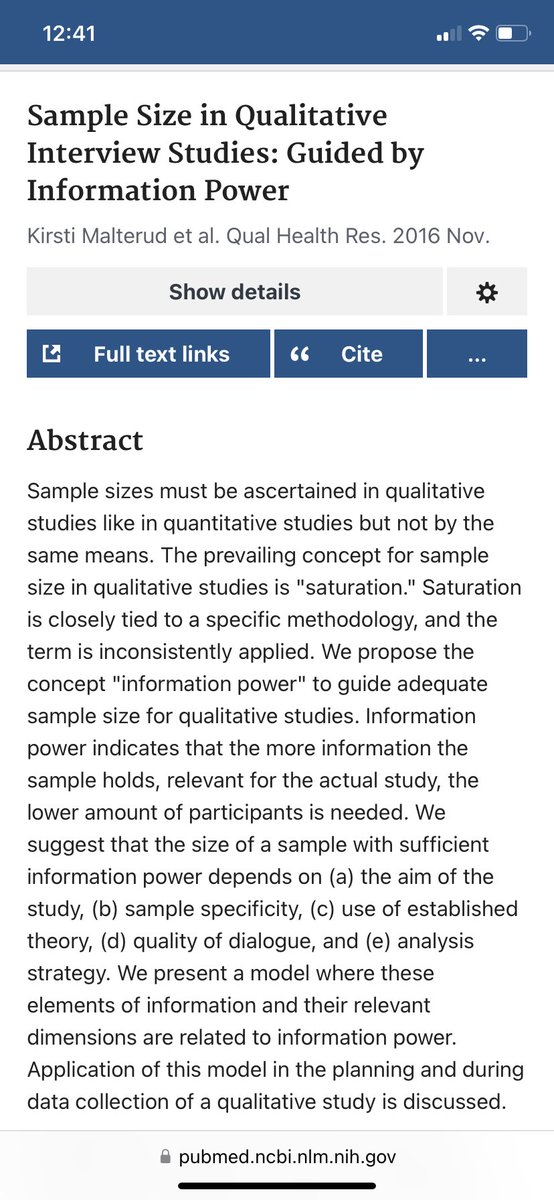
Had another read of this paper by Kirsti Malterud and colleagues today about sample sizes in qualitative research. It really gives such terrific guidance about samples sizes which provide ‘information power’. Well worth a read.
https://t.co/je5x8n0BEj