This is the official account of the @EU_H2020 Project QuantMig: Quantifying Migration Scenarios for Better Policy (2020-2023). The project ended in July 2023.
📚 @QuantMig publication alert!
Our White Paper presents evidence and recommendations based on the research conducted over our 3-year project! Check it out 👇
🔗https://t.co/VfhuuZA9qz
📢NEW! Read the latest #IOM#MigrationPolicyPractice issue, featuring a series of articles on various impacts and aspects of migration spreading across geographies.
👉 https://t.co/JK8rryl4fy
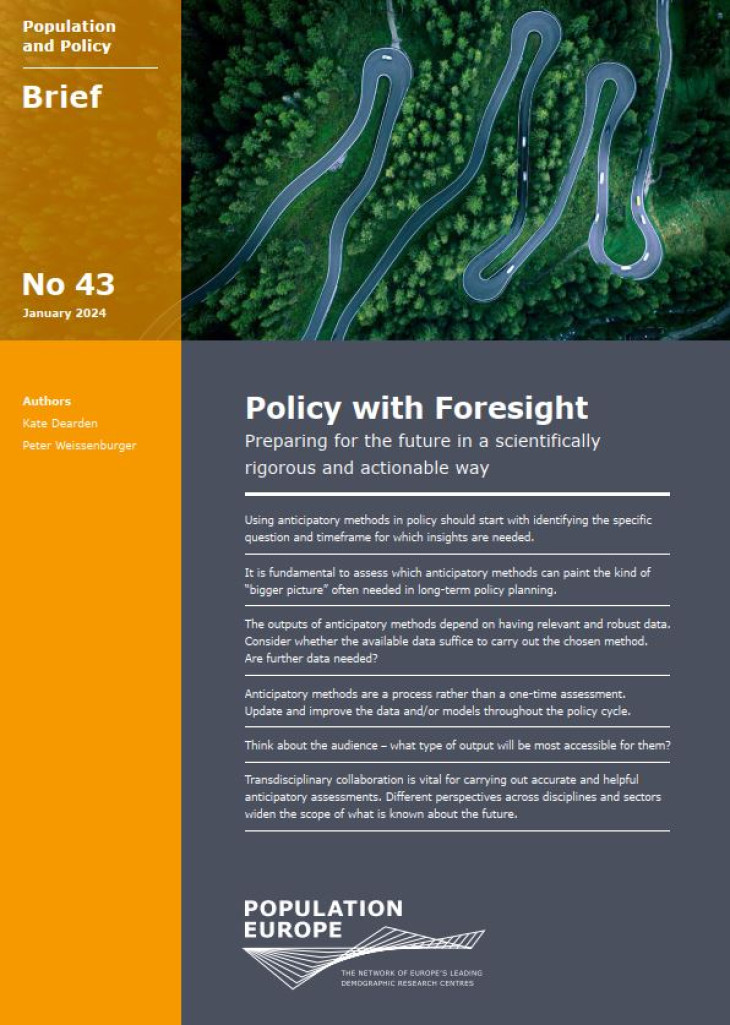
If you want to know more about Jakub's recent #policy recommendations from #ChangingPopulations, see the @PopulationEU Population and Policy Brief:
📑Policy with foresight: Preparing for the future in a scientifically rigorous and actionable way
➡️ https://t.co/yYnfJuqgEt
📢@QuantMig just launched three freely-accessible, open online tools prepared within the project! It includes:
✔️Probabilistic estimates of migration
✔️Migration scenarios
✔️Migration policy changes in Europe, & much more!
🔗https://t.co/kUXdR54t6Q
#Migration is complex, often triggered by political crises, economic downturns, and natural or human-made disasters. New work by IIASA researchers Michaela Potančoková and @MaroisG offer key #policy insights for managing high-migration events 🌎📊
➡️https://t.co/Pi1Cs7jjvw
📚Predicting the flows of people across Europe, and their impact @CORDIS_EU
The EU-funded @QuantMig project created tools to help European policymakers make evidence-based decisions when it comes to anticipating and responding to migration.
https://t.co/ncR4itWTRR
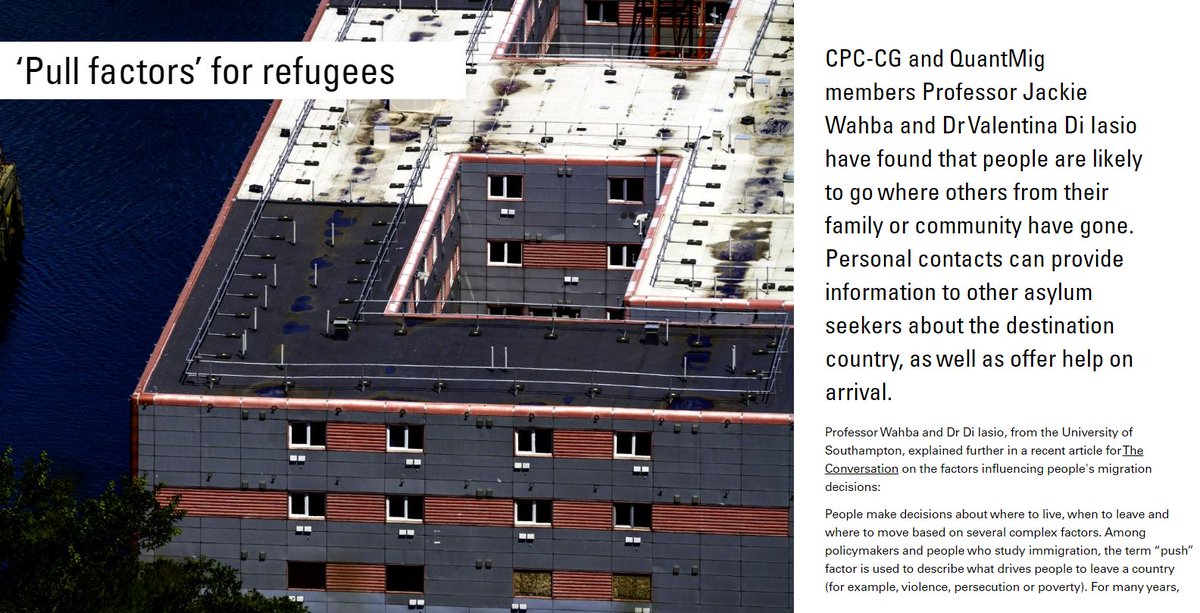
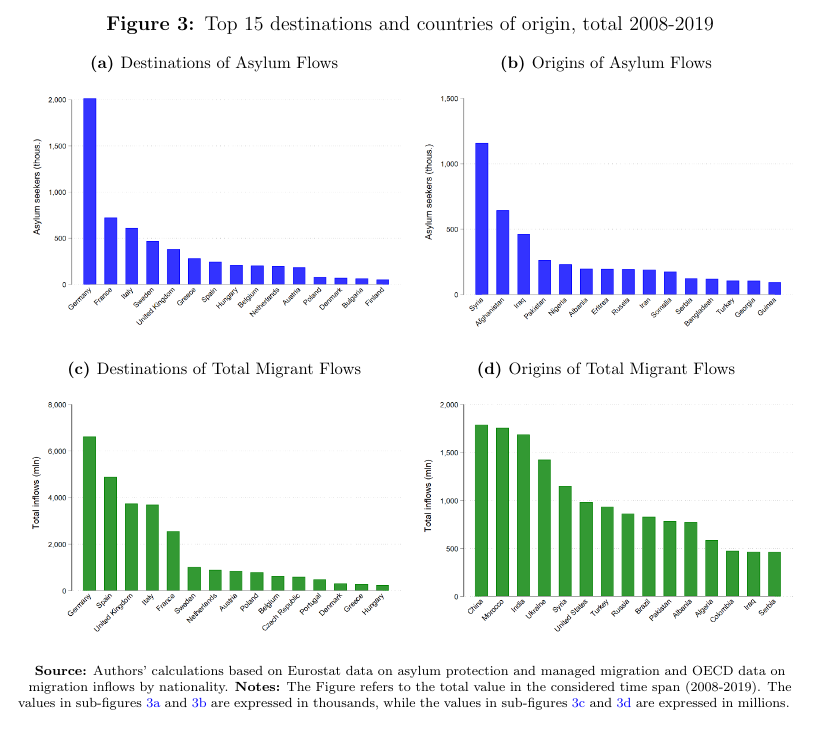
Evidence for Policy Making - "The strongest pull factor for asylum seekers to a destination is social networks, both in terms of previous asylum applicants as well as stock of previous migrants" https://t.co/mVyQutiyg8 @vale_diiasio@JackieWahba@QuantMig
🧵Did you know that @QuantMig has created #teaching materials aimed at #KS4 secondary #students which will allow them to examine global #migration patterns? 🌐
🧑🏫In #ChangingPopulations, find out about the free lesson plans available - page 14 ⤵️
▶️https://t.co/FX8dXi5bML
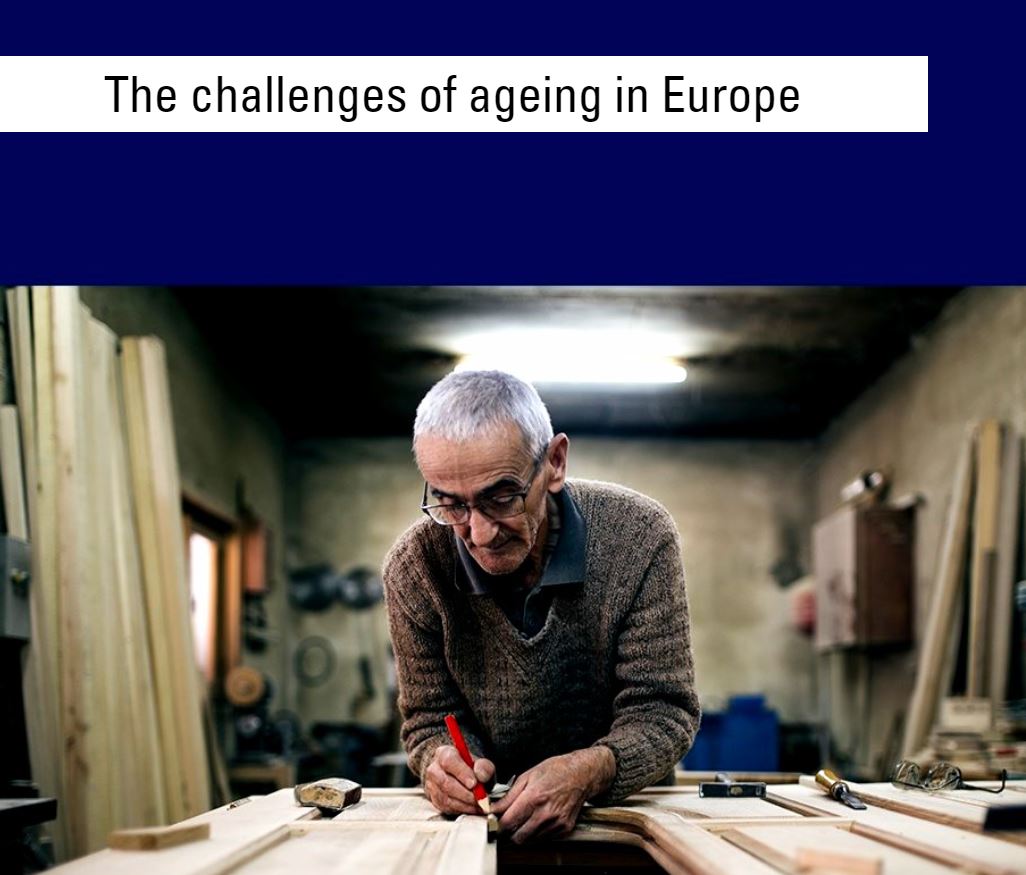
🧵#European labour markets will come under strain due to #ageing & disbalance of workers and #retirees
📰In #ChangingPopulations Jakub Bijak & @EmilyRBarker discuss the need for 'resilient' policy solutions to flexibly respond to future shocks- page 13
▶️https://t.co/FX8dXi5bML
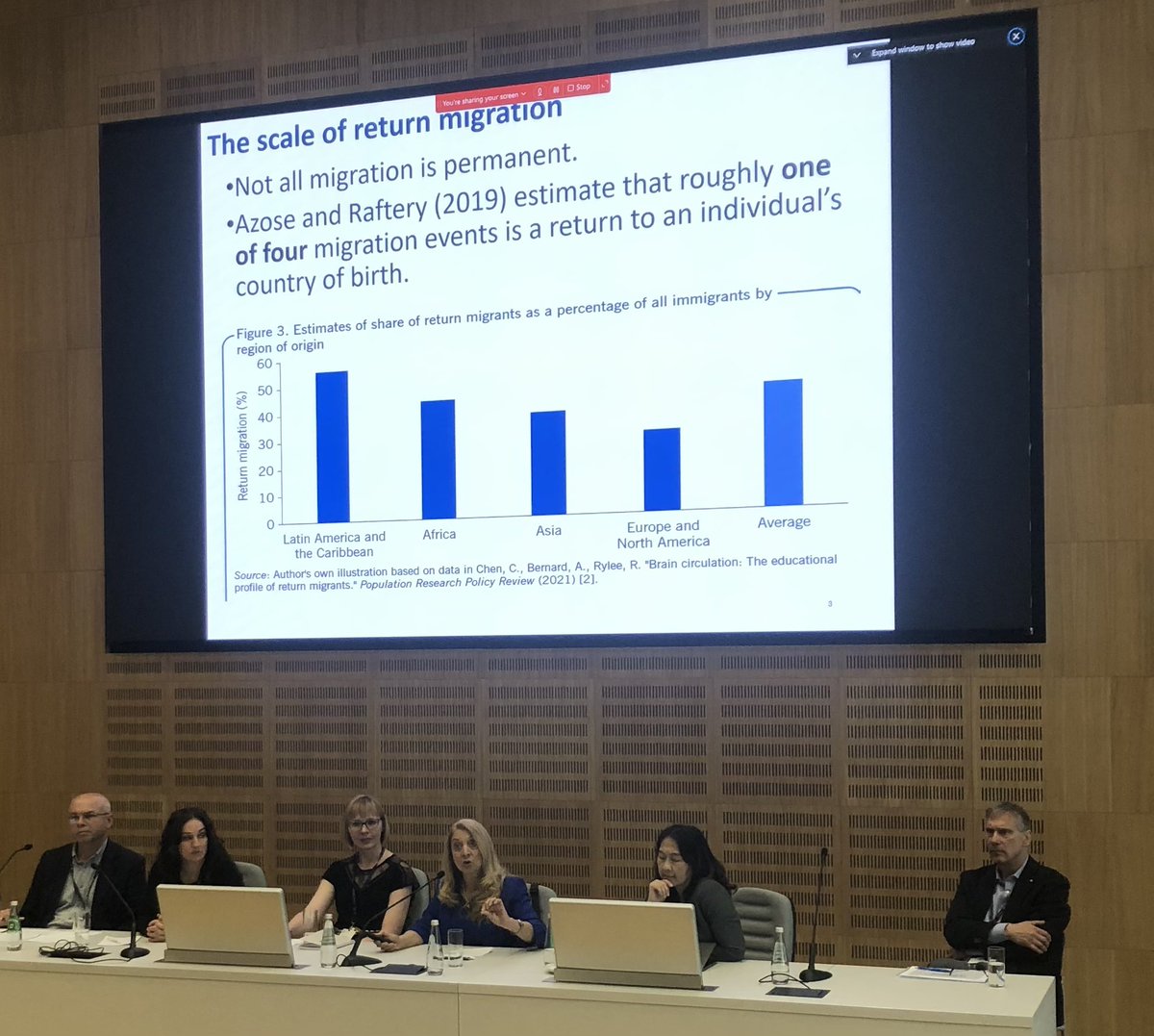
Semi-plenary inequalites & migration @JackieWahba on what we don’t know:
#Remittances impact on inequality across time/place? Does overseas work experience increase/reduce wage/job inequalities? Does return migration affect gender inequality via Soc Rem? @QuantMig#IMISCOE2023
🧵 In this issue of #ChangingPopulations, we explore how #migration has been affected by uncertainty around #Brexit...
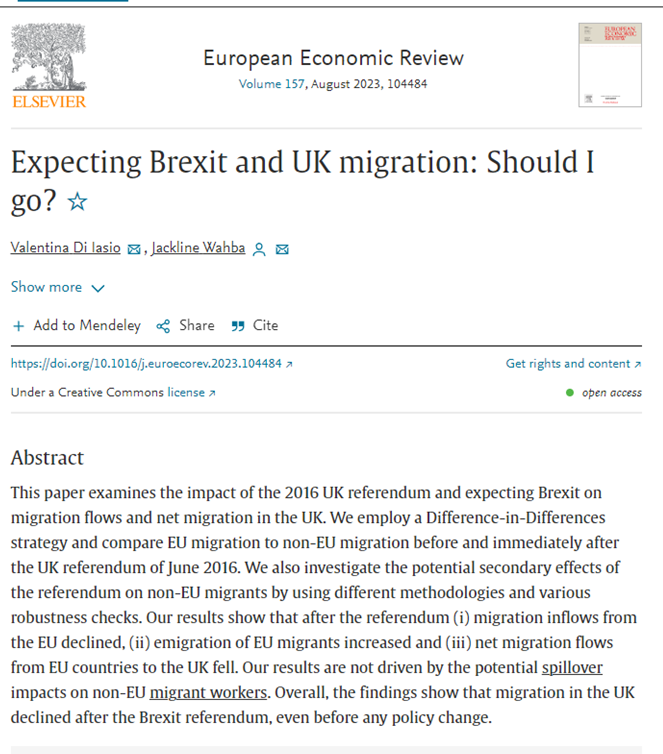
Findings show that the #referendum had a profound impact on migration flows between #EU countries and the #UK.
▶️ Find out more on p3: https://t.co/sJOCodhNsr
Happy to share my new paper with @vale_diiasio on the impact of the Brexit referendum vote on UK migration, forthcoming at EER. @QuantMig@CPCpopulation.
link: https://t.co/ljNCREiSL3
"It’s not about the economy or welfare state, it’s about having the possibility to rely on a community that is already there and already established”
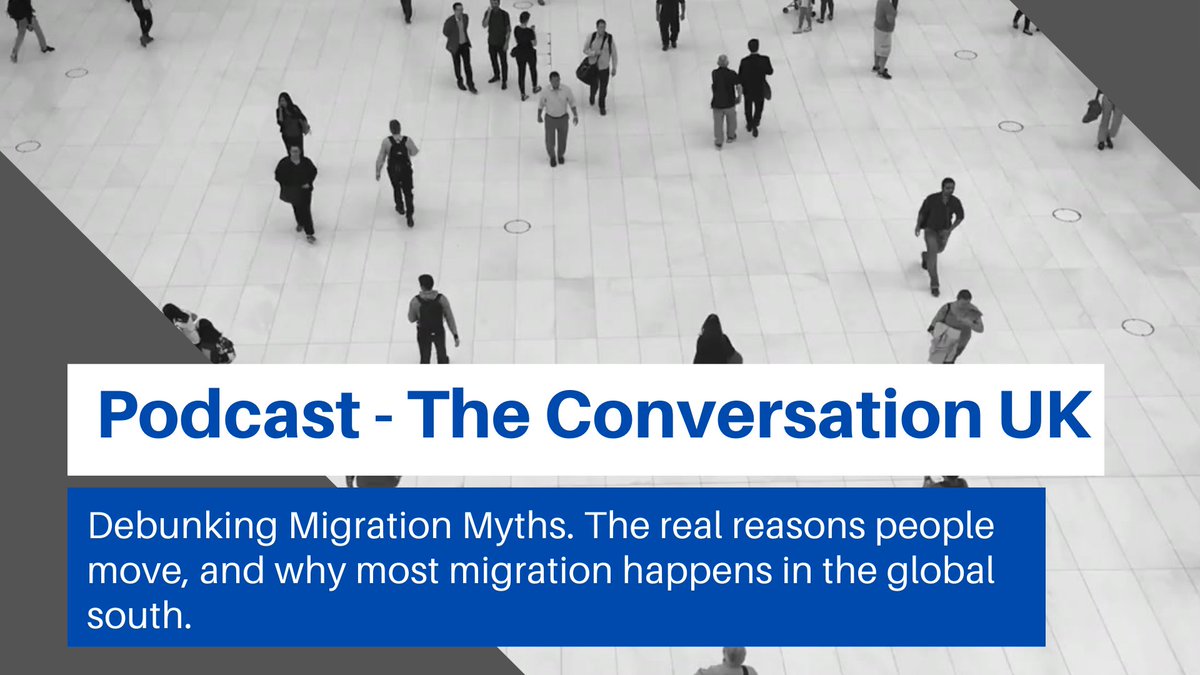
Our @vale_diiasio & @JackieWahba share @QuantMig results at this @ConversationUK podcast episode!
🔗https://t.co/vEAd5gUEhe
📗NEW CPC-CG Policy Briefing reveals the impact of the #Brexit#referendum on #EU#migration to the #UK.
🇬🇧 🇪🇺The findings highlight a significant decline in EU #migrants choosing the UK as their preferred destination.
▶️https://t.co/m5is4o50sN
👉As Europe builds resilient labour markets, migration can help – but will not be enough
Read the newest @PopulationEU Policy Insight by Jakub Bijak & @EmilyRBarker !
🔗https://t.co/uYSIHrIsrk
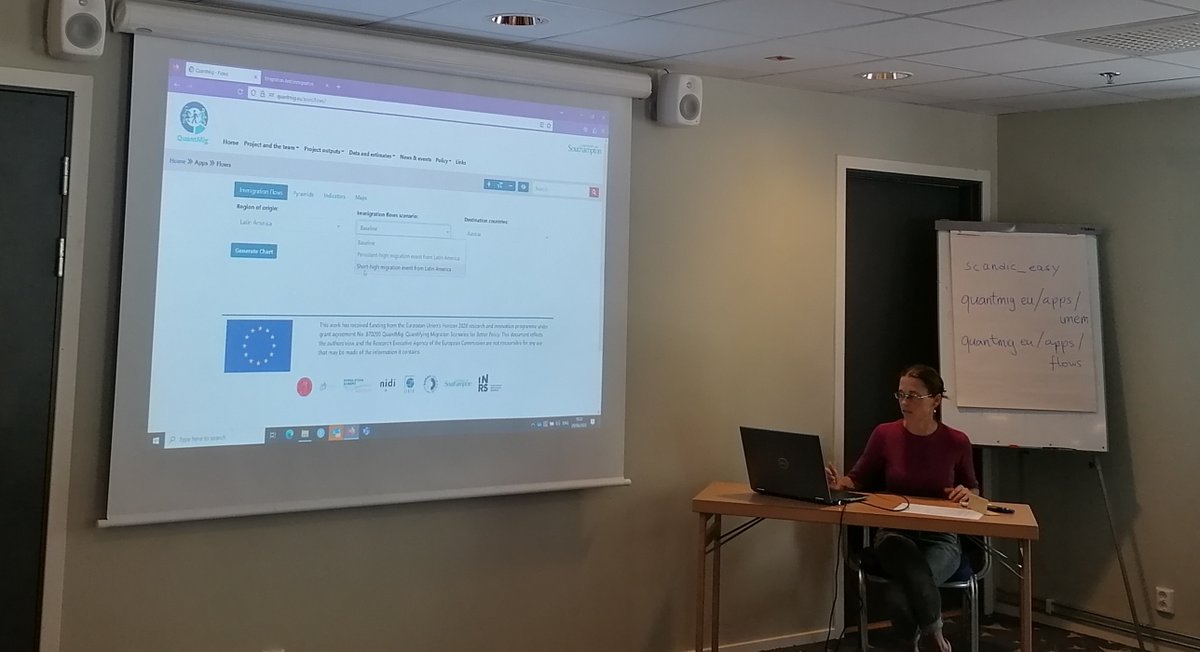
Michaela Potancokova (@IIASAVienna) presents the
@QuantMig tool to simulate future migration flows & stocks in 🇪🇺
It is possible to play with different potential scenarios and visualise outputs in population pyramids and maps.
Check it out! 👇
🔗https://t.co/rCrdBwiUdg
@SophiaKBurton This sounds very interesting! Perhaps our quiz and school materials on migration (just published!) would be useful - https://t.co/ur40z8IUu1
❓Do you know what was the % of foreign-born people living in EU countries in 2020?
And what is your best guess on how things may change by 2050?
Check the answer to these questions in our QuantMig Quiz!
🔗https://t.co/zoBoC7sYcq