Olfaction written in bones 👃🧠🦴🧬
Thrilled to see our latest study showing that the olfactory bulb endocast is a reliable proxy for mammalian olfaction, now published in @PNASNews
https://t.co/fjpbuNDmvH
Thread 👇
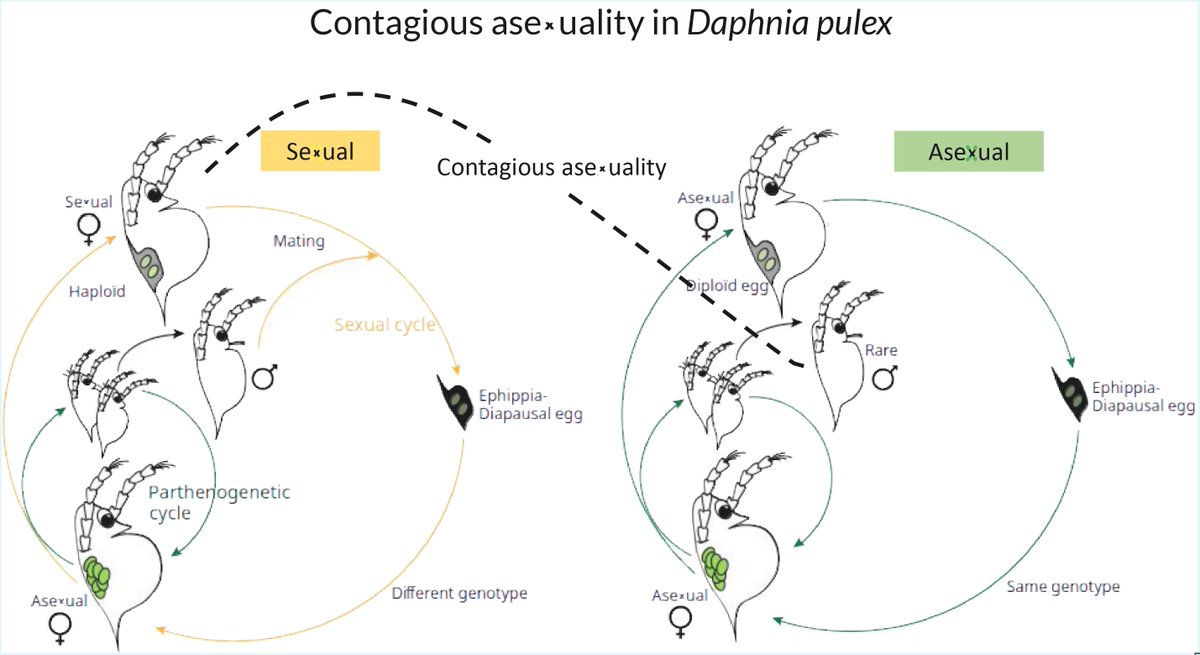
The final part of the story: "The arduous path to obligate asexuality in Daphnia" is out in #ProcB 🥳 https://t.co/kr5uheS6Ih.... 1. Instead of comparing long-established asexuals to sexuals, we generated new asexual lineages to observe the transition in action.
Earlier this year, I was pleased that the first part of our work on Daphnia reproductive modes was published in JEB https://t.co/iCBYUDjG4I In brief, females from so-called obligate parthenogenetic lineages, are in fact able to rarely reproduce sexually.
Thread👇
Olfaction written in bones 👃🧠🦴🧬
Thrilled to see our latest study showing that the olfactory bulb endocast is a reliable proxy for mammalian olfaction, now published in @PNASNews
https://t.co/fjpbuNDmvH
Thread 👇
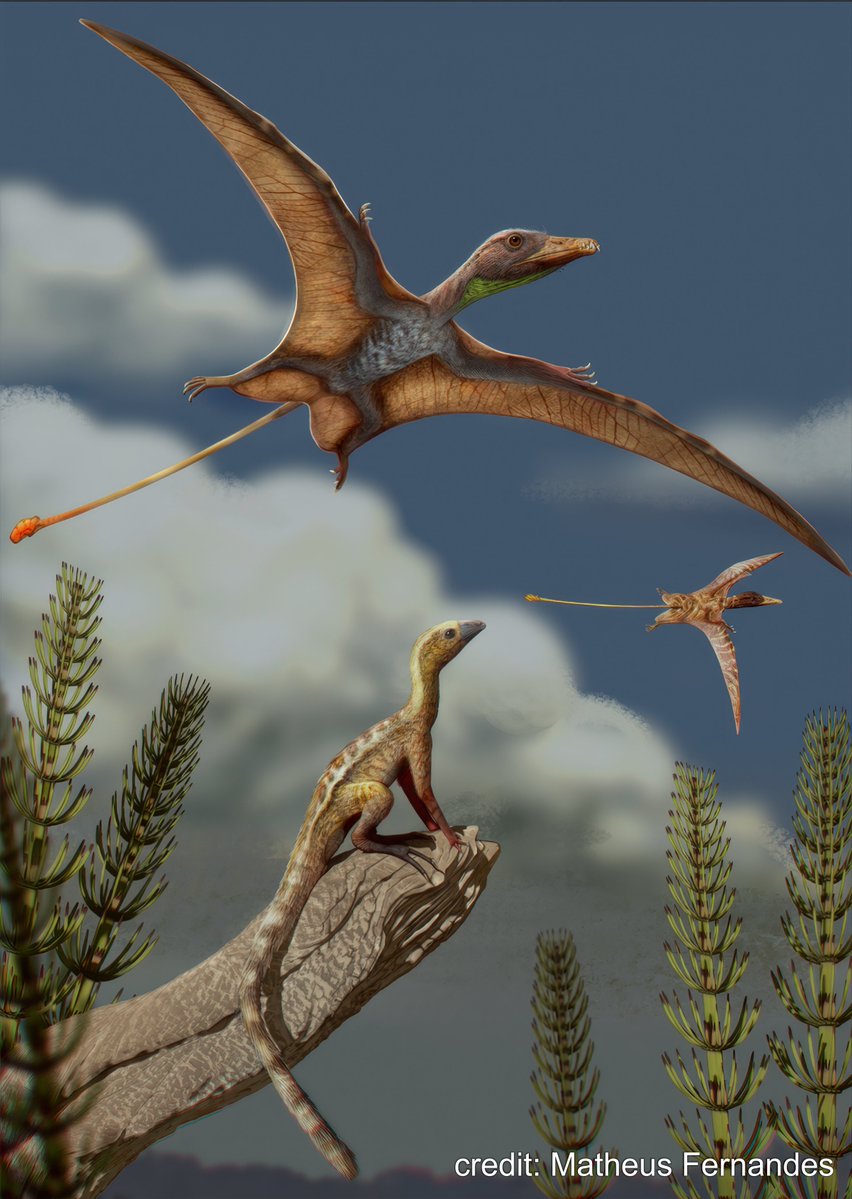
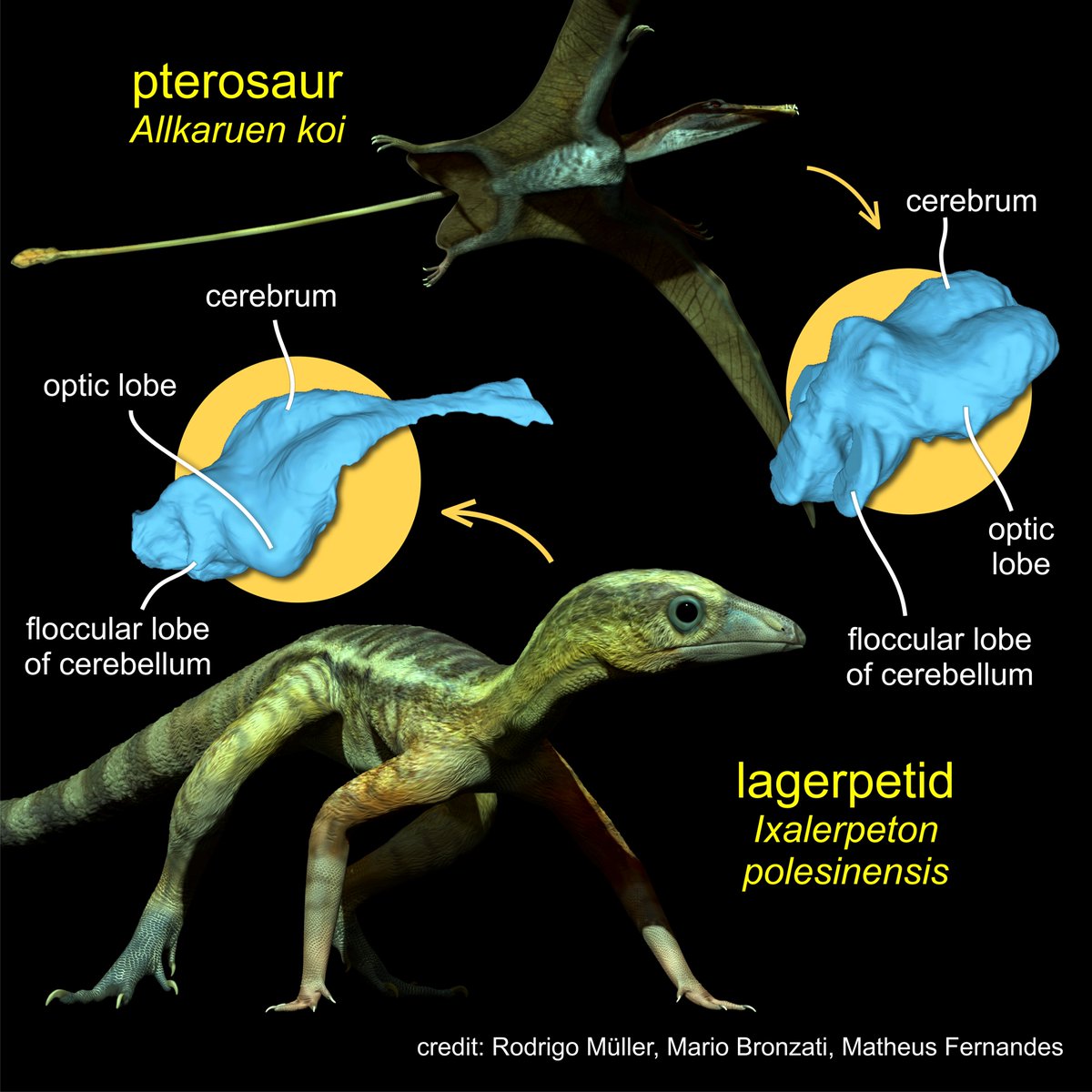
Happy to be a part of this big project led by Mario Bronzati & Matteo Fabbri—out today #OA in @CurrentBiology https://t.co/uK0XDsPa4I—on the brain endocast of a close pterosaur cousin & what it means for pterosaur brain evolution...maybe different from bird brain evolution. 1/2
Do you need a big brain to fly? Pterosaurs say no. New paper today on brain evolution of lagerpetids and pterosaurs: the first flying vertebrates, pterosaurs, have more similar brains to early Mesozoic gliding birds as Archaeopteryx in volume and shape
https://t.co/1ZsFn2K7rl