I customized the UI for Roll20 character sheet/chatlog to be easier on the eyes for D&D. Better fonts, colors aren't distracting, some small layout tweaks. I've used it for months and its perfect.
Here's the link so you can have it too!
https://t.co/bNOPd5djYO
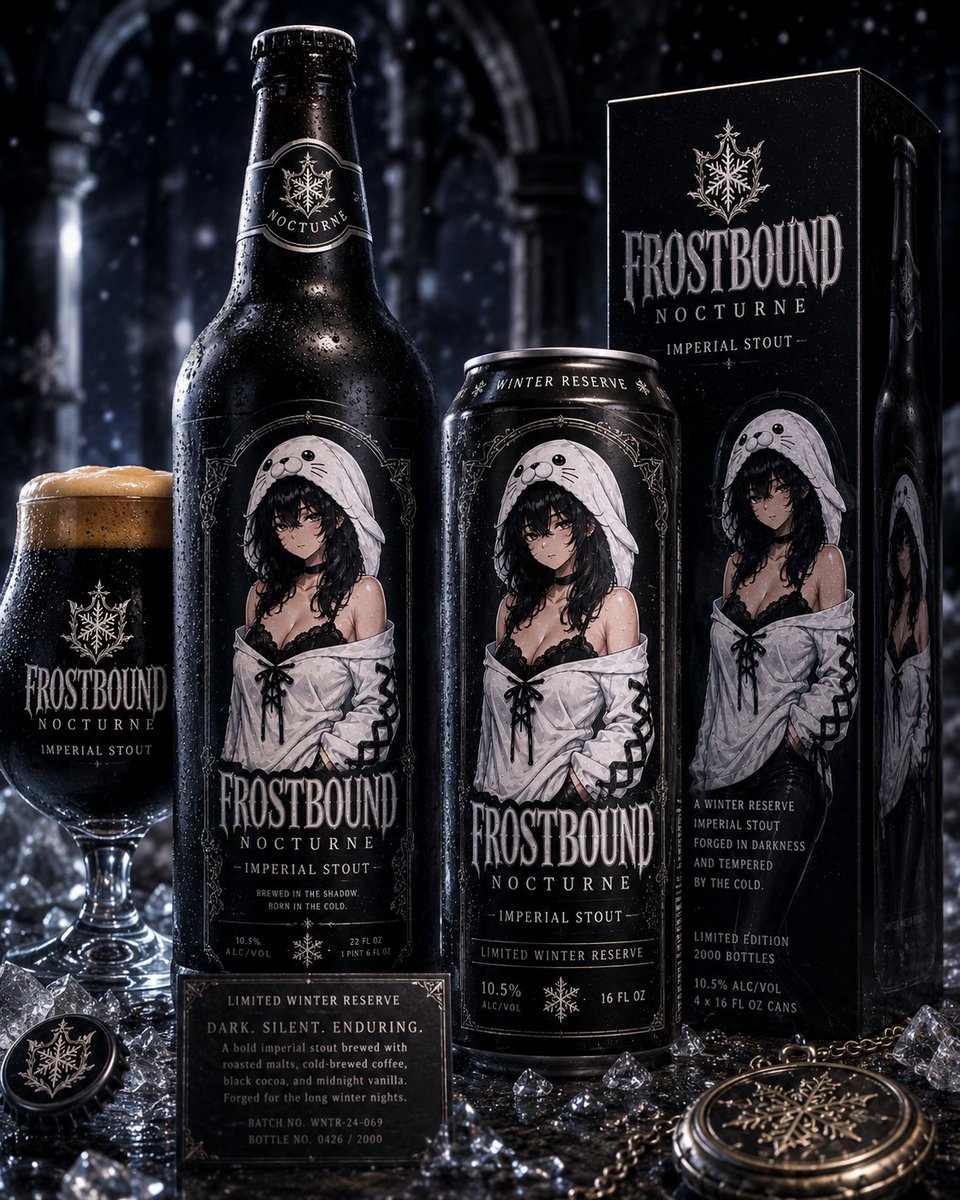
TIL you can reference sheet individual items of clothing and draw on them as part of a stylistic elements library. Haven't had a 'blindingly obvious in hindsight' moment like this in a while. Thank you @QuirksDM
I’ve got a fun prompt for y’all. Turn real clothing into a whole closet of clean anime references!
It helps keep concept bleed out of your AI creations and makes super tidy mood boards for artists of all kinds.
The prompt is in the comment below! Just customize everything inside the [ ] brackets, add your reference image, and you’re ready to go 🤍
Replace the text inside square brackets with your selections. Attach one or more reference images before generating.
UNIVERSAL ANIME CLOTHING REFERENCE GENERATOR
Clothing to create: [Enter a clothing article or “Outfit.” Examples: Jacket, Dress, Boots, Gloves, Cape, Outfit.]
Angles to display: [Examples: 3/4 front and 3/4 back, front only, front and back, 3/4 front only.]
Miscellaneous details: [Enter any requested changes, colors, materials, design adjustments, or other instructions.]
TASK
Using the provided reference image or images, create a newly generated 2D anime-style clothing reference illustration of the specified Clothing to create. Follow the requested Angles to display and Miscellaneous details.
INSTRUCTION PRIORITY
When instructions conflict, follow this priority order:
The final result must be a polished 2D anime illustration.
The reference garment’s defining construction and wear method must be preserved.
The garment’s ornamentation and detail density must match the reference.
The invisible-body presentation and requested viewing angles must be followed.
Miscellaneous details may modify the design unless they conflict with a higher-priority requirement.
STYLE PRIORITY
The final image must clearly read as a polished 2D anime clothing reference illustration. It must not resemble a photograph, 3D render, CGI model, product visualization, fashion catalog image, realistic costume render, or hyperrealistic concept artwork.
When the reference image is photographic or realistic, use it only to understand the garment’s structure, silhouette, construction, proportions, detail density, materials, layering, and design logic. Do not reproduce its photographic lighting, camera realism, mannequin appearance, fabric noise, lens distortion, depth of field, or product-photo presentation.
Prioritize anime stylization over physical realism while maintaining believable garment construction, readable materials, and convincing drape.
REFERENCE ACCURACY
Use the reference image or images as the primary structural blueprint for the garment or outfit.
Identify and preserve the reference’s defining silhouette, garment engineering, cut lines, panel layout, openings, closures, layering logic, proportions, fit, drape behavior, support method, fastening method, and overall wear method.
The final design must preserve the reference’s defining shape, construction, visual logic, and intent. Important structural features must remain clearly visible and readable. These may include unusual cutaways, exposed areas, negative space, open sides, open backs, asymmetry, detached panels, layered panels, straps, chains, belts, clasps, fasteners, hoods, collars, sleeves, hems, trains, slits, vents, armor plates, folds, pleats, or gathers.
Do not simplify the reference into a generic version of its clothing category. Do not turn a cutaway cloak into a conventional full cape, a complex jacket into a plain coat, a layered kimono into a simple robe, armored boots into ordinary shoes, or an asymmetrical dress into a standard gown.
Do not fill in intentional openings, remove negative space, close exposed sections, regularize asymmetrical construction, or replace unusual structural features with conventional ones.
DETAIL DENSITY
Before designing, internally classify the reference’s ornamentation level as Simple or Minimal, Moderate, or Ornate.
A Simple or Minimal reference is primarily defined by silhouette, seams, hems, folds, openings, layering, drape, construction, and fabric behavior, with few decorative elements.
A Moderate reference contains a restrained amount of trim, stitching, panels, color blocking, closures, fasteners, hardware, or small decorative accents.
An Ornate reference contains prominent embroidery, jewelry, chains, lace, gemstones, filigree, decorative hardware, appliqué, beading, elaborate trim, complex motifs, or numerous embellishments.
Match the reference’s existing ornamentation level unless Miscellaneous details explicitly request more or less decoration.
Do not increase ornamentation merely to make the result appear more premium, fantastical, anime-inspired, RPG-like, gacha-like, or detailed. Quality must come from clean anime illustration, readable construction, refined shape language, controlled drape, strong linework, and clear material rendering.
For a Simple or Minimal reference, do not add embroidery, filigree, gemstones, jewelry, chains, brooches, tassels, lace, decorative metallic trim, large motifs, fantasy symbols, glowing elements, ornate hardware, or elaborate patterns unless explicitly requested. Develop originality through subtle seam placement, panel shaping, fabric weight, edge finishing, lining color, hem thickness, visible stitching, fold behavior, textile texture, small functional closures, or proportion adjustments.
For a Moderate reference, keep new details restrained and similar in density to the original. Appropriate changes may include adjusted panel layouts, subtle trim, stitching patterns, modest color accents, fabric treatments, or small fastener changes.
For an Ornate reference, original decorative changes may include embroidery, trim, jewelry, hardware, gemstones, appliqué, beading, chainwork, decorative layering, or new motifs, provided the overall complexity remains consistent with the reference.
The Detail Density rule overrides the originality, material, style, and general quality instructions whenever they conflict.
ORIGINALITY
Create a newly illustrated and original variation that follows the reference’s design language, silhouette, proportions, construction methods, layering, material behavior, and visual character.
Maintain the reference’s general color direction unless Miscellaneous details request different colors.
Originality must come from changes appropriate to the reference’s existing detail density. Do not substantially alter the garment’s core structure merely to make the design appear more original. The result must remain recognizably based on the reference garment’s construction.
Ensure that every original adjustment remains structurally consistent across all requested viewing angles.
DISPLAY FORMAT
Present the finished design as a professional 2D anime clothing reference sheet.
Display only the specified garment or outfit. Do not include additional or unrelated clothing designs.
Arrange the requested views cleanly and evenly so they are centered, fully visible, and easy to compare. The composition should resemble an official anime wardrobe reference sheet, Japanese character-design book, or production costume sheet.
Keep generous margins around every view. Nothing may be cropped or extend beyond the image boundaries.
Use neutral, construction-revealing orientations. Avoid dynamic posing, exaggerated perspective, foreshortening, dramatic camera angles, or positioning that conceals the garment’s structure.
INVISIBLE BODY REQUIREMENT
Display the garment as a hollow, self-supporting clothing shell shaped by a completely invisible human body volume.
There must be no visible person, character, mannequin, mannequin stand, anatomy, or skin anywhere in the image. Do not show a face, head, hair, neck, torso, waist, hips, arms, hands, fingers, thighs, legs, knees, feet, or any other body part.
The garment must still retain a believable worn shape through its folds, tension, internal volume, waistband shape, seat shaping, sleeve volume, leg openings, and other construction cues.
For a full outfit, align all pieces naturally around the same invisible body volume while keeping the body entirely absent.
For individual accessories such as gloves, boots, sleeves, or armor pieces, show each item as an empty wearable shell without visible anatomy inside it.
Do not use transparent, translucent, outlined, shadowed, or partially visible anatomy as a substitute for an invisible body.
BACKGROUND
Use a solid, flat, non-distracting background in a muted neutral color that contrasts with the clothing. Suitable choices include warm gray, cool gray, pale beige, muted cream, or blue-gray.
The background must not contain scenery, gradients, textures, lighting effects, floors, props, cast shadows, decorative elements, borders, frames, text, labels, logos, signatures, or watermarks.
The clothing must be the only visual focus.
ANIME ART STYLE
Render the entire image as a polished modern 2D anime illustration.
Use crisp, confident linework with subtle line-weight variation. Clearly define garment edges, seams, panels, openings, folds, trims, and overlapping layers with clean drawn contours rather than photographic edges.
Use stylized painted cel shading with layered anime shadows, restrained ambient occlusion, selective highlights, subtle reflected light, and controlled contrast. Shading must improve readability while remaining clearly illustrated and non-photorealistic.
The result should resemble an official Japanese anime-game wardrobe sheet, premium visual-novel outfit reference, polished gacha-game costume sheet, anime production design sheet, or high-end anime character-design book.
“High-detail” and “premium” refer to illustration quality, construction clarity, silhouette refinement, clean linework, fabric readability, and accurate garment engineering. They do not mean photorealism, CGI rendering, product visualization, excessive surface texture, or unsupported ornamentation.
Prioritize clean 2D presentation, readable layering, craftsmanship, silhouette accuracy, construction accuracy, anime-stylized fabric weight, clear material separation, and reference-faithful detail density.
MATERIALS AND CONSTRUCTION
Render each material distinctly using simplified but clear anime-style material cues.
Only include materials appropriate to the reference and requested design. Possible materials may include cotton, linen, silk, satin, velvet, leather, suede, denim, chiffon, sheer fabric, organza, tulle, knit fabric, fur, metal, resin, plastic, glass, armor materials, lace, gemstones, embroidery, or decorative trim when supported by the reference.
Do not introduce decorative materials such as lace, gemstones, embroidery, chains, jewelry, filigree, ornate metalwork, or magical effects unless they are visible in the reference or explicitly requested in Miscellaneous details.
Avoid physically realistic PBR textures. Represent satin with clean stylized highlight bands, velvet with soft shaded depth, leather with controlled edge highlights, and metal with crisp cel-shaded reflections.
Clearly render all relevant functional construction, including seams, hems, stitching, pleats, folds, gathers, quilting, piping, belts, buckles, ribbons, clasps, buttons, hooks, snaps, lacing, zippers, panels, lining, reinforced edges, layered fabrics, and trim placement.
Pay special attention to details that determine how the garment is worn, supported, fastened, layered, and moved. The design must appear intentionally constructed and wearable rather than merely decorative.
LIGHTING
Use soft, even anime concept-sheet lighting with balanced frontal illumination.
Lighting should clearly define the silhouette, folds, openings, layering, construction, and material changes without resembling studio product photography.
Avoid dramatic shadows, camera flash, glossy product-render lighting, cinematic rim lighting, realistic reflections, or hyperrealistic material response.
Maintain clear separation and excellent readability between every garment layer.
NEGATIVE PROMPT
person, character, face, head, hair, eyes, skin, neck, torso, waist, hips, arms, hands, fingers, thighs, legs, knees, feet, anatomy, body details, visible body, transparent body, outlined body, body shadow, visible mannequin, mannequin head, mannequin stand, dress form, clothing rack, dynamic pose, action pose, exaggerated pose, perspective distortion, foreshortening, dramatic camera angle, background scenery, room, landscape, floor, furniture, props, text, labels, logo, watermark, signature, border, frame, multiple unrelated outfits, sketch, unfinished artwork, blurry image, low resolution, messy line art, harsh lighting, dramatic shadows, cropped clothing, cropped garment, hidden details, unclear silhouette, generic redesign, oversimplified design, ignored reference, incorrect construction, incorrect silhouette, filled-in openings, closed-off cutaways, removed negative space, normalized asymmetry, standard cape shape, standard robe shape, standard jacket shape, standard dress shape, standard boot shape, standard glove shape, decoration-density mismatch, over-ornamented redesign, under-detailed redesign, unsupported ornamentation, unsupported embroidery, unsupported jewelry, unsupported gemstones, unsupported chains, unsupported lace, unsupported filigree, unsupported fantasy details, unnecessary decoration, altered detail level, photorealistic, photo, photography, fashion photography, product photography, studio product shoot, catalog image, product visualization, mannequin photo, realistic mannequin, CGI, 3D render, 3D model, PBR materials, physically based rendering, hyperrealistic, realistic costume render, Unreal Engine, Blender, Octane Render, V-Ray, ray tracing, realistic fabric simulation, noisy fabric texture, photographic fabric texture, lens blur, depth of field, camera flash, cinematic lighting
@FrickinMoses As an artist/designer I went with the "Wow, TWO cakes!" type of reaction.
Make cool stuff. Sometimes how something is made is part the cool factor, but thats far from the only thing that matters.
Here's the prompt Eris made to share:
----
CINEMATIC UPSIDE-DOWN AERIAL PORTRAIT TEMPLATE
CHARACTER IDENTITY (Highest Priority)
Use the provided character reference sheet as the ONLY identity reference.
Preserve exactly:
face shape
hairstyle
hair color
eye color
skin tone
body proportions
clothing
accessories
silhouette
expression style
species traits
age appearance
personality
Do not redesign, reinterpret, modernize, simplify, or substitute any aspect of the character.
Maintain complete visual fidelity to the supplied character reference.
If multiple reference images are provided:
Use the designated Character Identity Reference ONLY for the character's appearance.
Use additional images only if explicitly labeled as pose, clothing, expression, or composition references.
SCENE
The character is suspended upside down thousands of feet above a vast modern metropolitan city at night.
The moment feels peaceful rather than dangerous.
The character appears completely comfortable floating effortlessly in open air.
POSE
The character hangs upside down in natural freefall.
The body appears completely relaxed.
Shoulders loose.
Arms gently extended outward.
Hands naturally relaxed.
No tension.
No stiff posing.
Hair, clothing, ribbons, capes, scarves, jewelry, tassels, sleeves, and loose accessories drift naturally with gravity and airflow.
Nothing appears frozen.
Everything exhibits graceful cinematic motion.
CAMERA
The camera floats upside down beside the character at the same altitude.
Distance from the face:
2–3 feet
The viewer feels as though they are floating beside the character.
Frame from the upper chest upward.
The face occupies approximately 70% of the frame.
The city fills the remainder of the composition.
The camera is perfectly aligned with the character's inverted orientation.
Maintain realistic perspective.
Avoid exaggerated wide-angle distortion.
LENS
85mm anamorphic cinema lens
f/1.8
Natural perspective compression
Extremely shallow depth of field
Face remains razor sharp.
Background gradually softens into cinematic bokeh.
No fisheye distortion.
No GoPro perspective.
EYES
The eyes are the single point of critical focus.
Render the irises with exceptional sharpness and intricate detail.
Natural reflections of thousands of illuminated buildings, glowing streets, windows, and city lights are visible inside both eyes while preserving the character's original eye color.
Natural catchlights sparkle across the eyes.
Everything else falls gradually into softer focus.
The eyes become the emotional center of the image.
LIGHTING
Soft cool moonlight wraps around the face, hair, and upper body.
Warm amber, orange, and golden city lights illuminate the underside of the character.
Strong cinematic blue-versus-orange color contrast.
Soft rim lighting separates the character from the night sky.
Realistic physically-based lighting.
Smooth light transitions.
High dynamic range.
Tasteful filmic bloom.
Never overexposed.
HAIR & CLOTHING MOTION
Preserve the character's original hairstyle exactly.
Hair flows naturally with gravity and airflow.
Individual strands remain visible.
Clothing follows realistic fabric physics.
Loose garments float gracefully.
Accessories retain their original design while moving naturally.
Nothing clips into the body.
BACKGROUND
A massive modern city at night stretches endlessly beneath the character.
Thousands of illuminated skyscrapers.
Office windows.
Highways.
Streetlights.
Moving traffic.
Neon accents.
Atmospheric haze.
Subtle volumetric lighting.
Recognizable architecture.
Deep cinematic scale.
The city remains recognizable while distant lights bloom softly into beautiful bokeh.
No empty sky.
No simplified background.
COMPOSITION
The face is always the dominant subject.
The character occupies roughly 70% of the frame.
The city provides breathtaking scale without overpowering the portrait.
The viewer immediately connects with the character before noticing the environment.
Maintain an intimate emotional portrait while preserving the immense scale beneath.
MOOD
Dreamlike realism
Quiet confidence
Peaceful wonder
Weightless freedom
Emotionally immersive
Elegant
Timeless
Awe inspiring
Cinematic
RENDER STYLE
Premium anime realism
Feature-film quality
Ultra-clean linework
Extremely crisp facial rendering
Beautiful physically based skin shading
High-detail eyes
Balanced realism and stylization
High dynamic range lighting
Soft filmic bloom
Beautiful atmospheric depth
Subtle cinematic film grain only if appropriate
4K
No visual noise
No muddy rendering
No painterly textures
No oversharpening
No AI artifacts
Professional concept art quality
NEGATIVE CONSTRAINTS
Avoid:
wide-angle distortion
fisheye perspective
stiff posing
crossed eyes
blurred eyes
soft facial focus
cropped hair
obscured face
excessive bloom
oversaturated colors
noisy rendering
muddy textures
low facial detail
exaggerated anatomy
cluttered foreground elements
distracting background objects
over-detailed backgrounds competing with the character
unrealistic hair physics
frozen clothing motion
Maintain elegant cinematic readability at all times.


![QuirksDM's tweet photo. I’ve got a fun prompt for y’all. Turn real clothing into a whole closet of clean anime references!
It helps keep concept bleed out of your AI creations and makes super tidy mood boards for artists of all kinds.
The prompt is in the comment below! Just customize everything inside the [ ] brackets, add your reference image, and you’re ready to go 🤍](https://pbs.twimg.com/media/HNu1_WhXwAAQyoy.jpg)
![QuirksDM's tweet photo. I’ve got a fun prompt for y’all. Turn real clothing into a whole closet of clean anime references!
It helps keep concept bleed out of your AI creations and makes super tidy mood boards for artists of all kinds.
The prompt is in the comment below! Just customize everything inside the [ ] brackets, add your reference image, and you’re ready to go 🤍](https://pbs.twimg.com/media/HNu19wxWgAAgqcv.jpg)



![QuirksDM's tweet photo. I’ve got a fun prompt for y’all. Turn real clothing into a whole closet of clean anime references!
It helps keep concept bleed out of your AI creations and makes super tidy mood boards for artists of all kinds.
The prompt is in the comment below! Just customize everything inside the [ ] brackets, add your reference image, and you’re ready to go 🤍](https://pbs.twimg.com/media/HNu1_xtWcAA7QAh.jpg)





