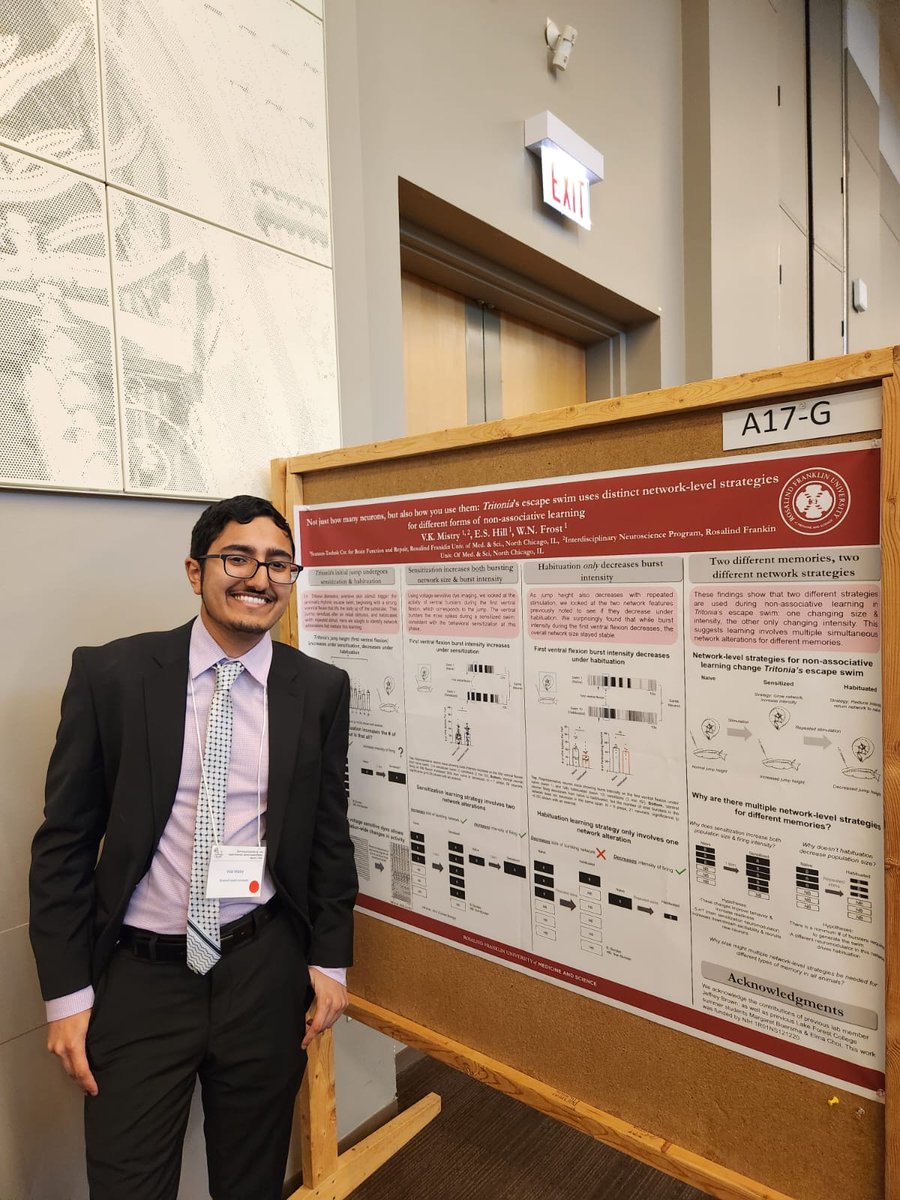
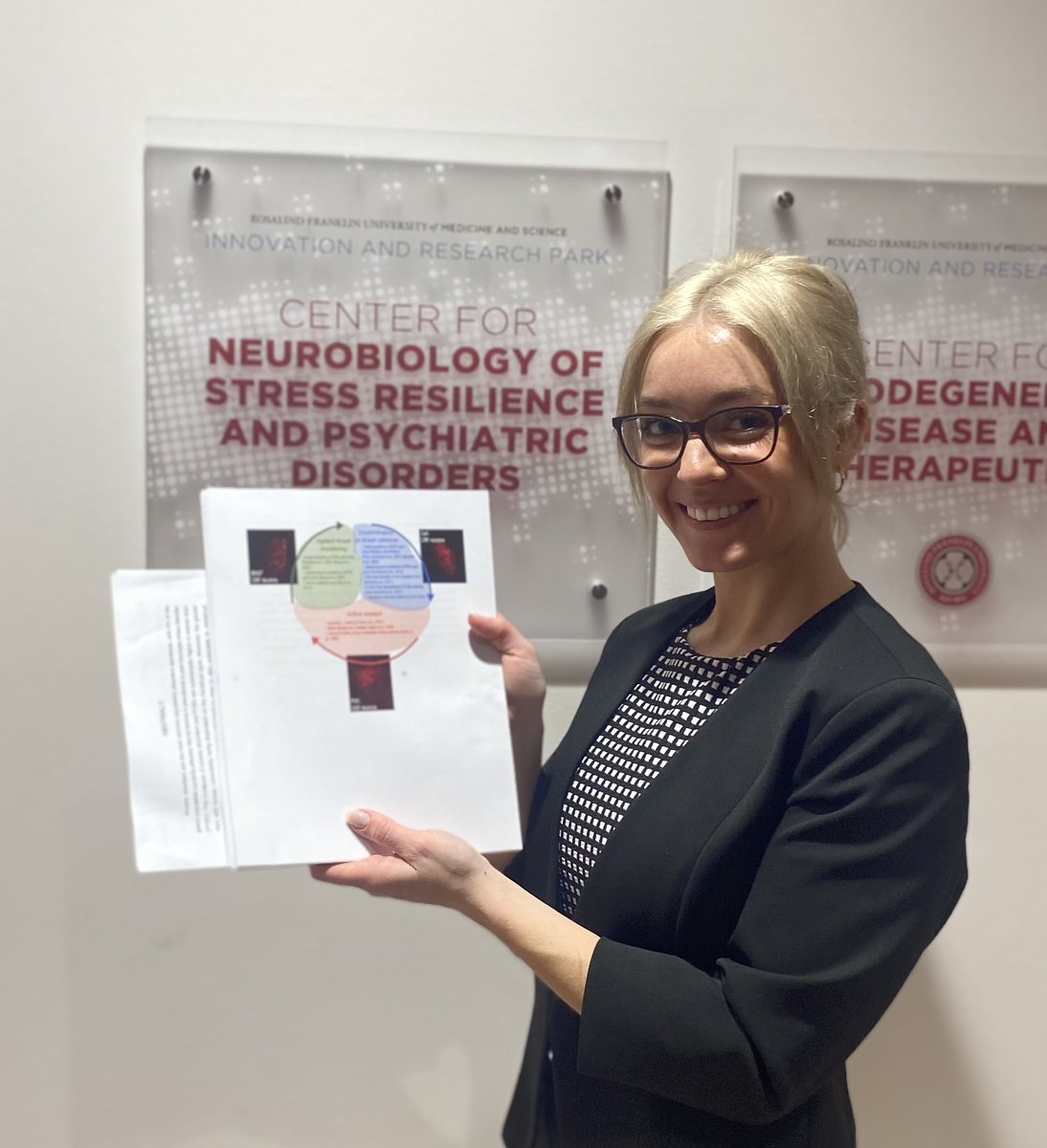
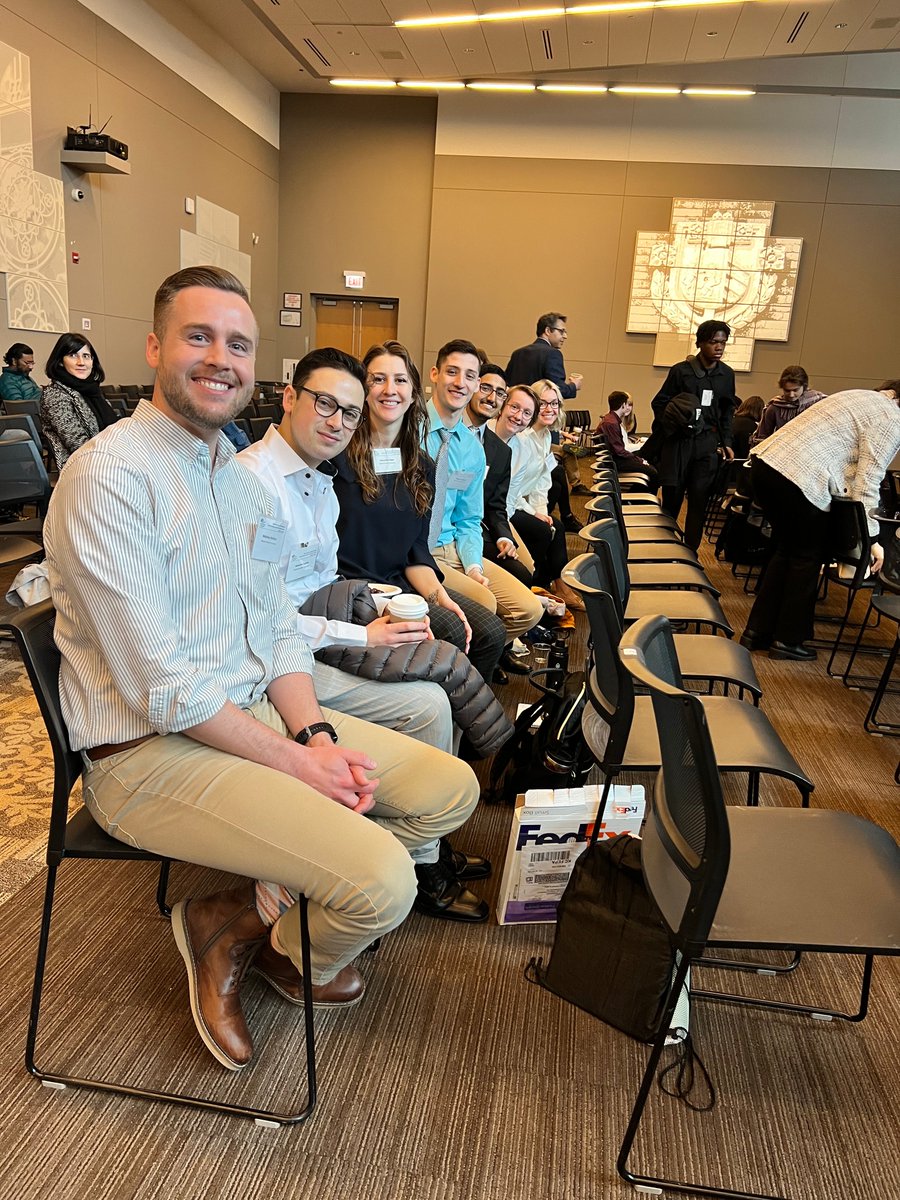
Congratulations to the newly minted Dr. Rachel Chudoba @ChudobaRachel for defending her thesis on 'The effect of sex and estrous cycle on BNST-CRF neuron activity and their role in defensive behavior.' The GSA couldn't be more proud! 🎓🎉
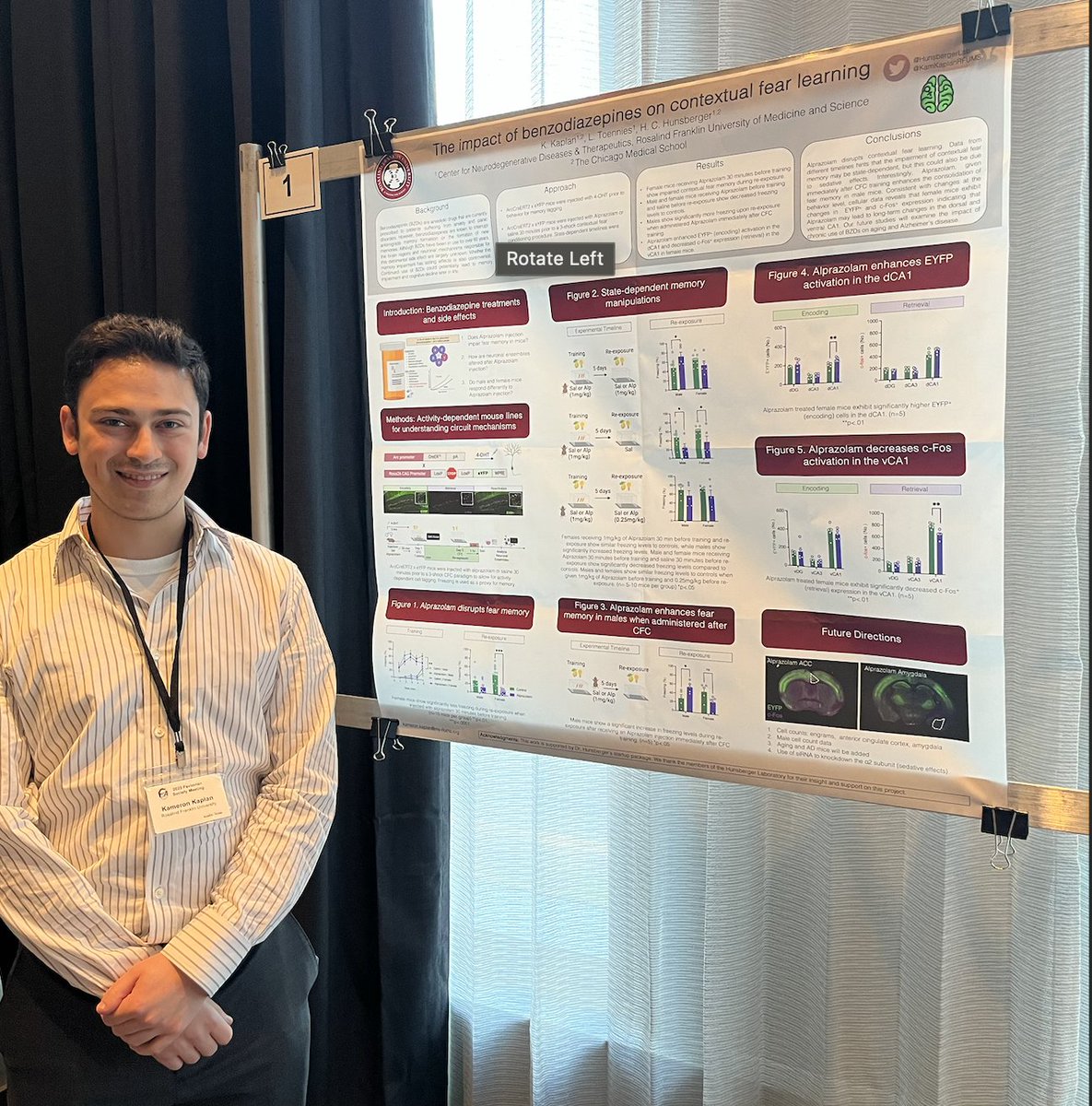
First paper from the Hunsberger Lab is live! Congrats to @KamKaplanRFUMS on his first first author review paper and for taking the lab in a new direction. 🤓
https://t.co/zRLUFhMKKb
Congratulations to our GSA member Matthew Stratton @MattyStratty22 for publishing his first part of the thesis from @HastingsLab. 🎉 We're very proud of your accomplishments.
A short summary about how to help your PhD students grow into greater leaders in the future.
These are key points that I personally find most important:
1. Inspire them to lead their project. They should take ownership of their work.
2. Discourage them from seeing failures as disasters. Explain that experiencing failures is a must for personal development and learning.
3. Discourage excessive perfectionism. Teach them how to be efficient.
4. Inspire students to become a better version of their advisor. Not a copy.
5. Strongly encourage them to give as many talks as possible, at seminars, conferences and any local events. Well-developed communication skills are paramount for their future.
6. Let them lead the collaborations that you initially organized for their project. If there’s none, consider introducing collaborations into their projects.
7. Discuss advanced academic stuff openly (grants, budgets, tenure, etc). Help them understand how academic world works. If needed, organize special group meetings to discuss a career in academia and beyond.
8. Train them how to see the “big picture” (instead of always focusing on details of their work).
9. Diversify their skills and knowledge by giving access to more facilities and connecting with experts.
10. Emphasize the importance of programming (e.g. Python) for data processing and analysis. It can significantly broaden their career opportunities.
11. Urge them to attend conferences and workshops regularly (1-3 per year). Help them develop networking skills.
12. Encourage them to ask questions at talks and initiate discussions with speakers whenever possible.
13. Ask for feedback on your approaches and overall environment. Your students will become greater leaders if they know that getting such feedback is normal and helpful.
14. Ensure that students listen to each other. They should feel comfortable asking each other for help and advice. They should not get used to solving problems solely on their own.
15. Force them to prioritize lab safety over anything else.
16. Ensure their project does not require overworking. If they prefer to spend their free time on science, it’s fine. But it shouldn’t be necessary. If their project is too complex and time-consuming, help them make new collaborations that will facilitate the progress without sacrificing personal time.
17. Finally, don’t make them feel uncomfortable about having their personal lives. Let them manage their work time themselves! When to come and leave the lab, when to take vacation and how long it should be. Trust their judgement.
There are many more components of a successful and meaningful PhD. But even if PI start following these simple guidelines, it will make a huge difference for academia.
(If you’ve “scored” > 10 out of 17, this is amazing! Most likely, your students are happy with the way things go and are grateful for your efforts.)
#AcademicTwitter #education #phdlife
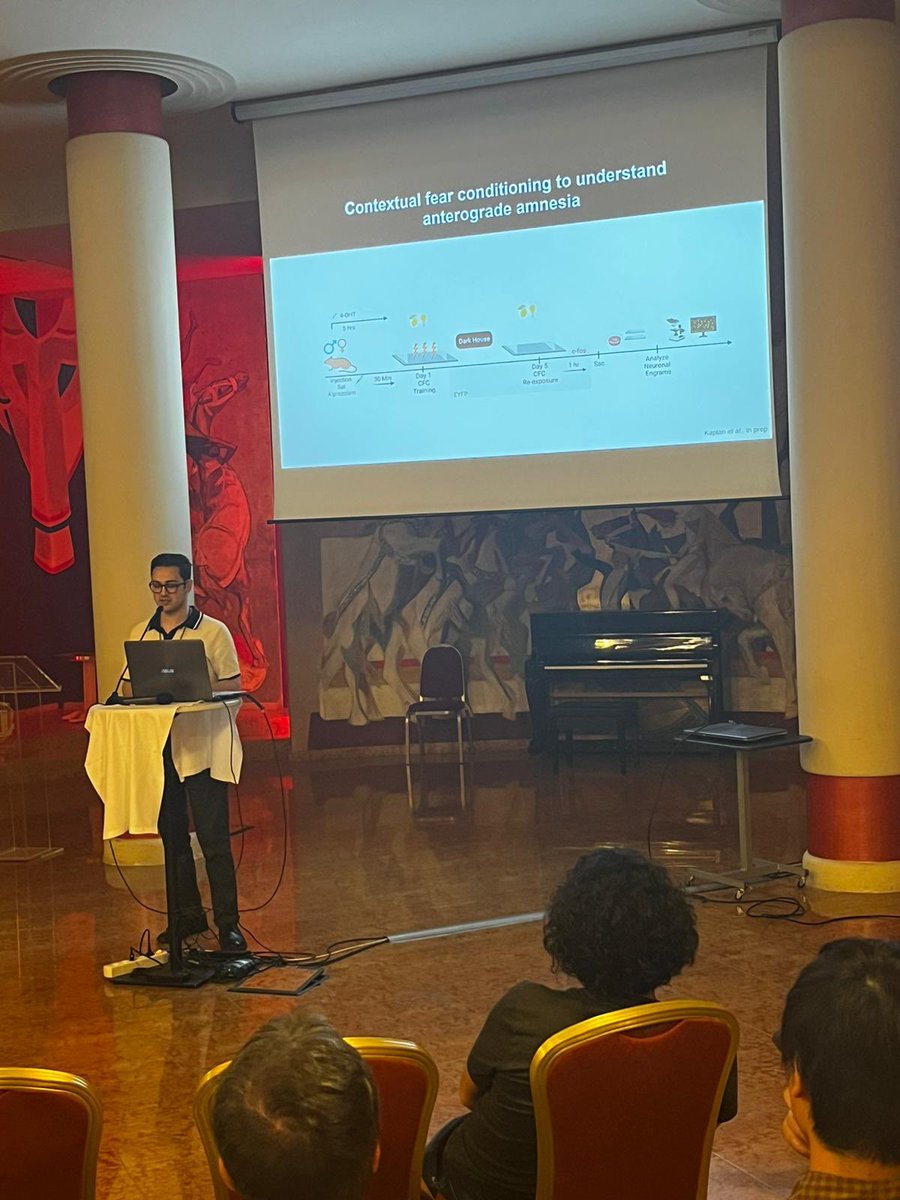
I had a great time presenting at my first international conference! #SpringHippocampal#Verona.
A big thank you to my PI, Dr. Holly Hunsberger @HunsbergerLab for her encouragement to share my work!
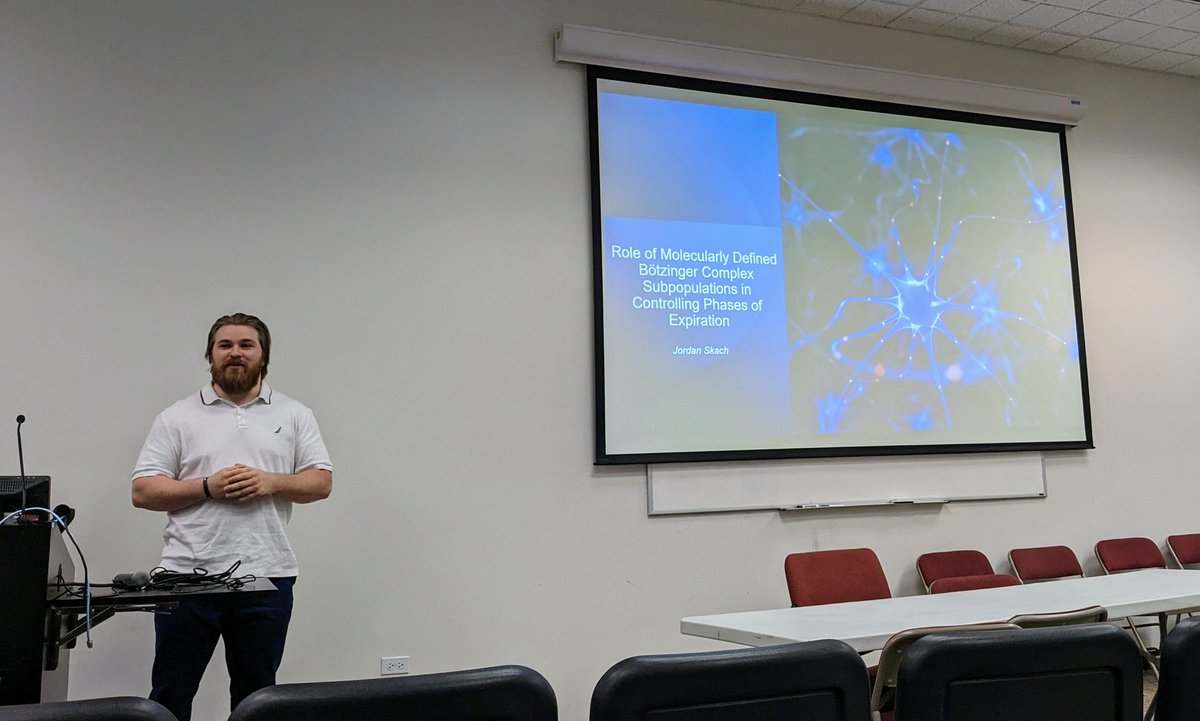
Congratulations to our GSA secretary Jordan Skach from Dr. Kaiwen Kam's lab @RFUniversity for passing his candidacy exam. We're very proud of you reaching this milestone. 🎊
Very excited to share our newest review published in Alzheimer's & Dementia: The Journal of the Alzheimer's Association. @alzdemjournals ! Greatly enjoyed collaborating with @reMYNDnv to get this work out.
https://t.co/gDy2OFJN4y
Congratulations on passing your dissertation defense Dr. Valen Olivera-Pasilio(@PasilioValen) from @dabrowska_lab. You've been a great inspiration for the INSPIRE students and to the cohort. The entire @RFUBrainSci and @RFUniversity couldn't be more proud of you.
Spent the last few evenings updating this tool to extract paper summaries directly from pdf using OpenAI API.
https://t.co/Qyt4nVo3es
Some highlight below 🧵
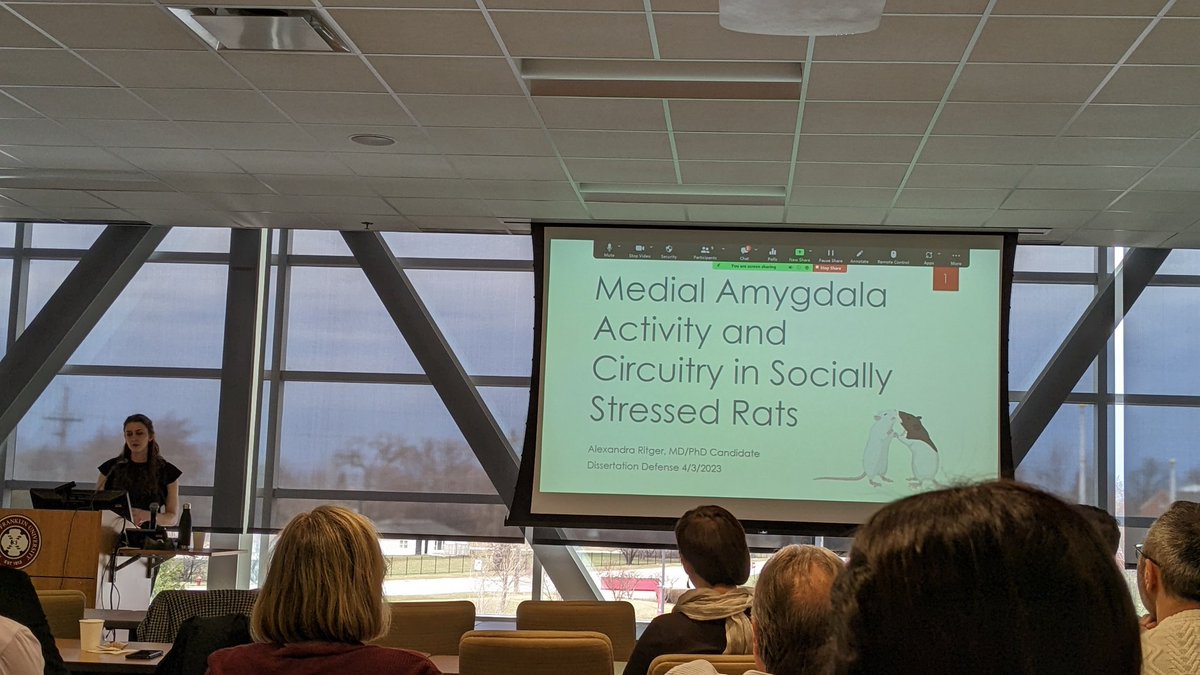
Congratulations on passing your dissertation defense, Dr. Alexandra Ritger from @AmielRosenkranz lab and @RFUBrainSci. We're very proud of you. All the very best for your future endeavors.
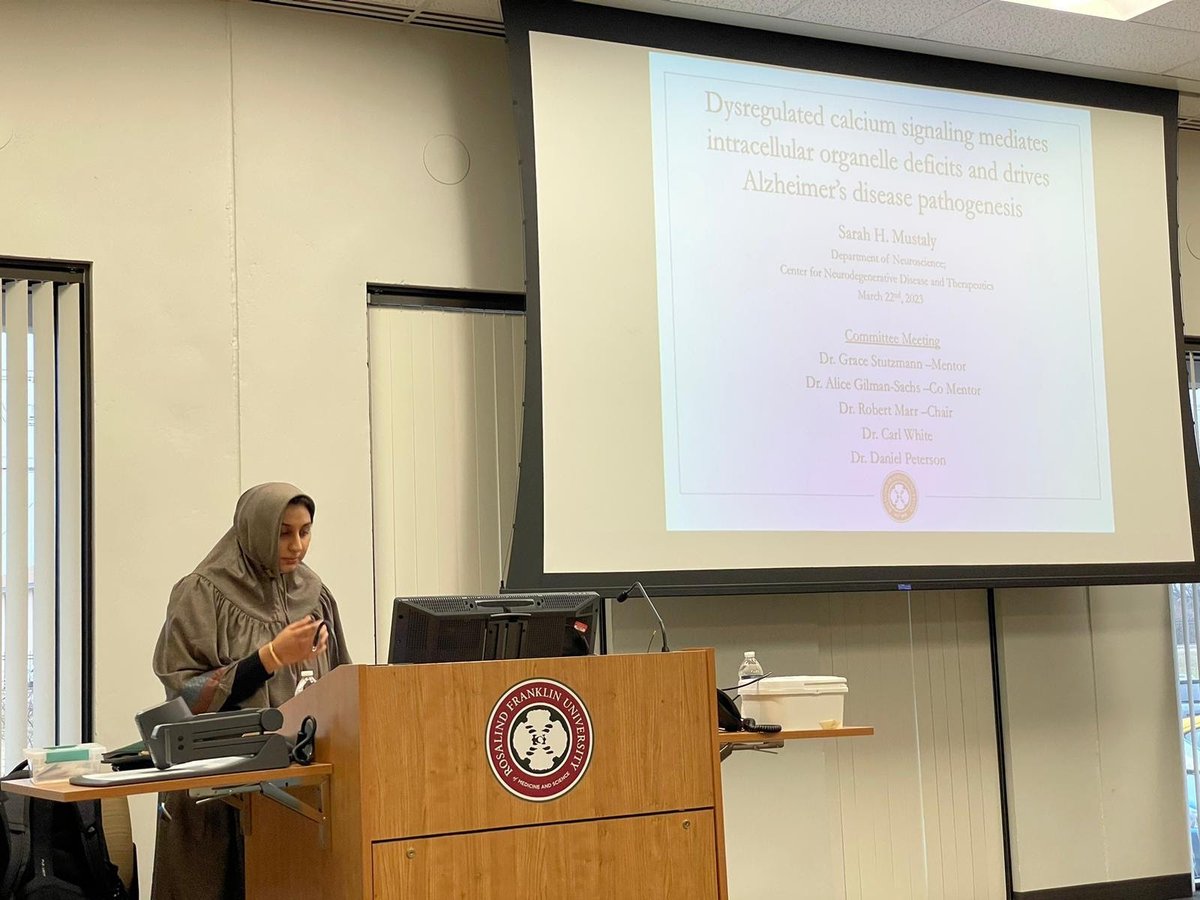
Congratulations to the newly minted Dr. Sarah Mustaly-Kalimi from @BethStutzmann lab on a successful thesis defense! The entire @RFUniversity@RFUBrainSci and GSA couldn't be more proud of you.
@RFUniversity and #BSI representing @ChicagoSfN last Friday! 1st and 2nd place poster competition winners were our very own @MattyStratty22 and @wacey_gallegos. MD/PhD student, Alex Ritger was 1 of only 6 students selected to give a symposium talk.
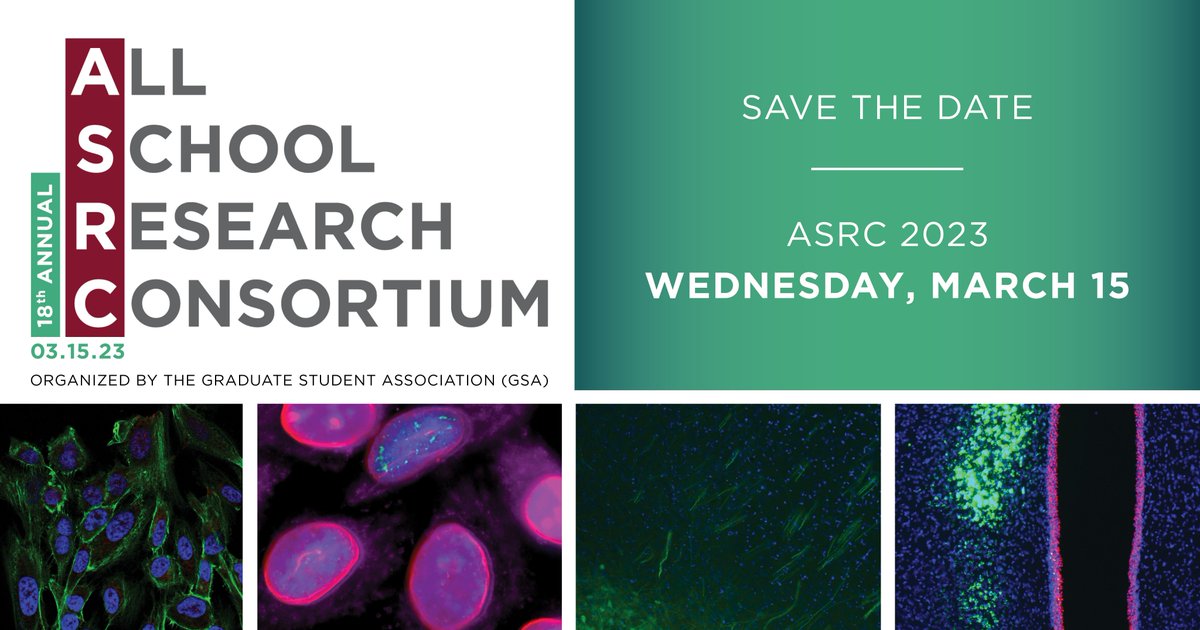
We're excited to spotlight our hardworking students at our All School Research Consortium on Wednesday, March 15. This in-person event reinforces our interprofessional mission and highlights student and trainee research. We hope to see you there! https://t.co/B3T2rIGeR6
Congratulations to our GSA member @ChudobaRachel from @dabrowska_lab for publishing a review article in Neuropharmacology Journal! We're very proud of you.
New paper alert! In this review, @ChudobaRachel and I shift the focus from a monolithic role of CRF as an anxiogenic peptide to comprehensively dissecting contributions of distinct populations of CRF neurons in mediating defensive behaviors. Enjoy! https://t.co/5kixO31aQK
✨AMAZING OPPORTUNITY✨Are you a Neuro grad student who wants a chance to give an invited talk at Mount Sinai, network w/ faculty & win $1000? For program details & requirements👉https://t.co/WWvFue03C7 APPLY NOW👉https://t.co/AEb99KOIyL #NashNeuroscience#FriedmanBrainInstitute