Nonprofit organization founded in 1994 to protect and preserve the Rio Grande, its watershed and environment through awareness, advocacy, & research. #LaredoTX
@RepCuellar Texas can lead on cutting methane — we have the scale, the talent, and the stakes to do it right. Bold leadership means working from accurate, measurement-based data, not cherry-picked baselines. More in our @RGGuardian op-ed:
https://t.co/gsP24Uojm0
@RepCuellar Experts have continued to point this out. One expert laid out how the Permian has been “wildly mischaracterized” using exactly this kind of reported data: https://t.co/oPg9o4vkgu
@RepCuellar This is precisely why EPA finalized updates to GHGRP in 2024 — to close these gaps and improve accuracy. The reforms exist because the prior data was incomplete. Citing pre-reform numbers as proof of progress sidesteps why the program needed fixing.
@RepCuellar Third, it’s worth noting that not every operator reports to GHGRP. Only those whose calculated emissions exceed 25,000 metric tons CO2. That means many marginal wells and smaller operators, which often have outsized leak rates, never show up in the dataset at all.
@RepCuellar Second, basin-wide averages can hide a lot. A small number of super-emitters and leaking sites can release more than thousands of “average” wells combined. Aggregates smooth over the exact sources causing the most harm to frontline communities.
@RepCuellar First, the figures come from self-reported data submitted to EPA’s Greenhouse Gas Reporting Program (GHGRP). Independent studies – using satellites, aircraft, ground sensors - consistently find real-world emissions 2–3x higher than what’s reported. That gap is well-documented.
@RepCuellar Thank you, @RepCuellar, for engaging on Texas methane — this matters for South Texas communities living alongside oil and gas infrastructure. We want to add some important context to the figures being cited, because the full picture is more complicated.
Last night, @abcnews@nightline ran a segment on ethylene oxide and its effects on communities of color, highlighting Laredo, TX and Memphis, TN. Click the link to watch!👀😷 #laredotexas#ethyleneoxideisacarcinogen https://t.co/QERnKYrHpG
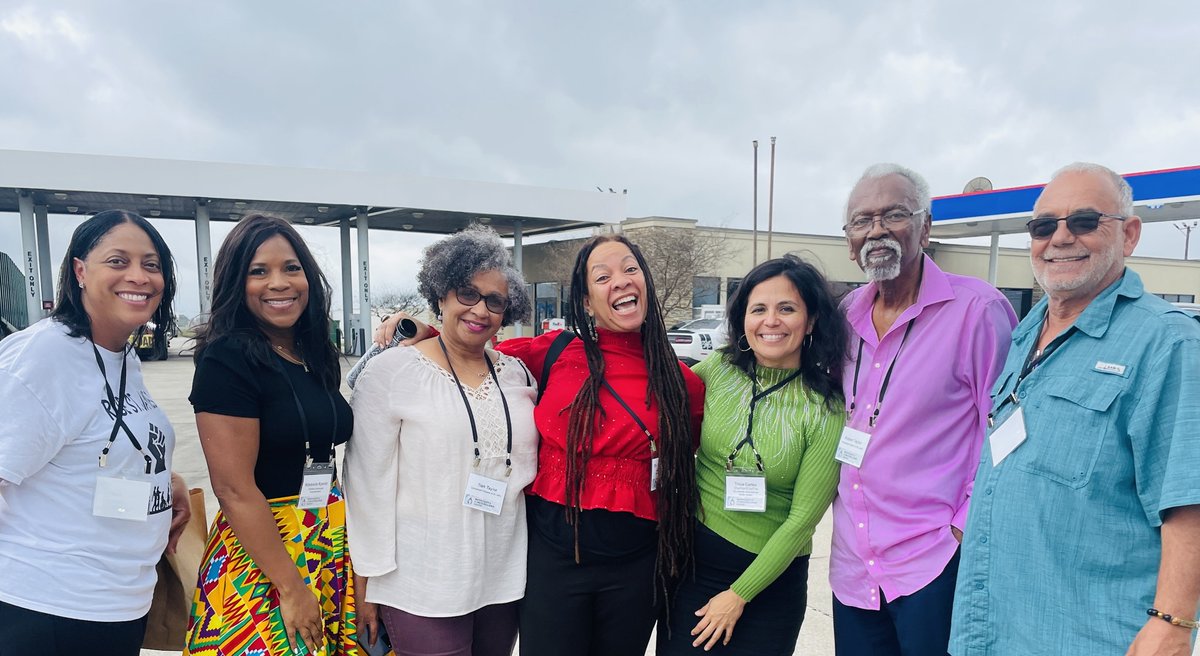
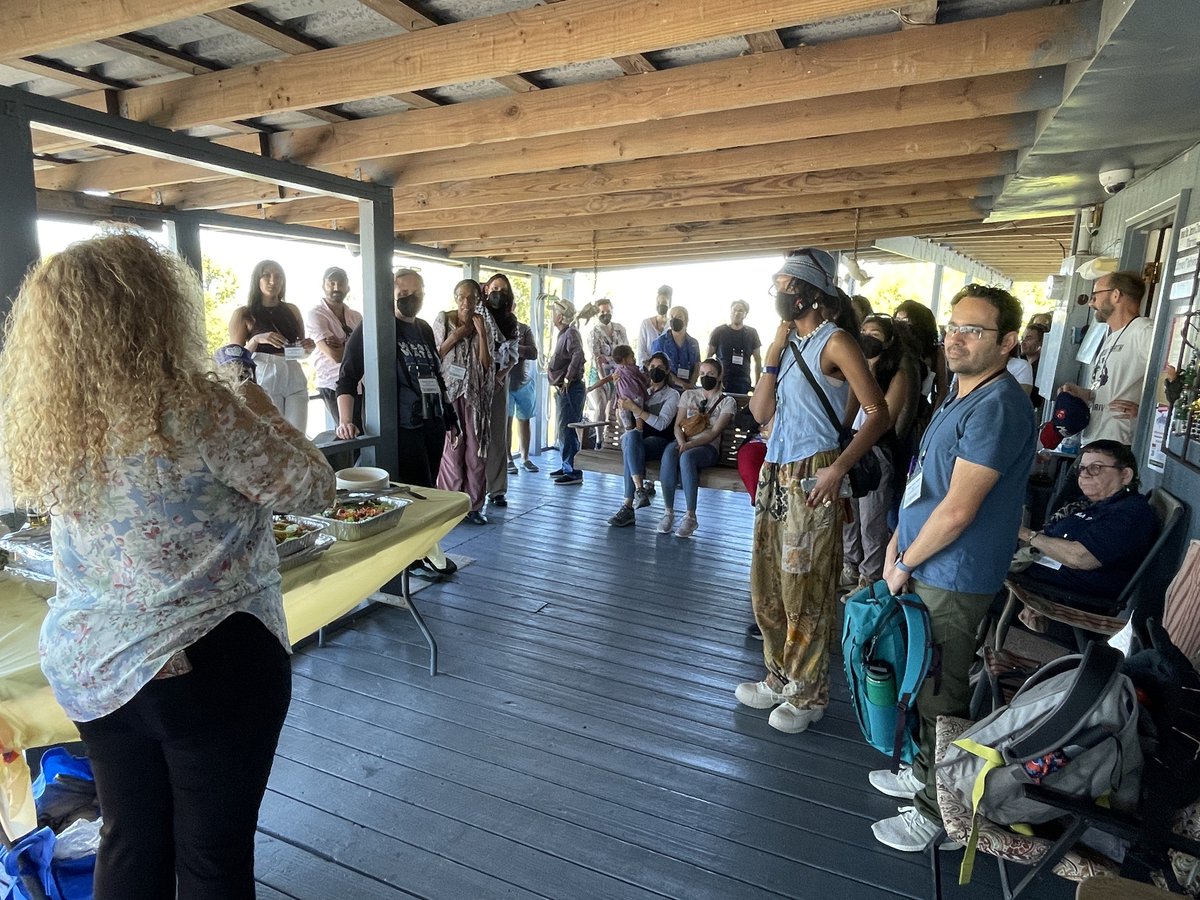
At the @policylink Water, Equity, and Climate Resiliency Caucus Convening, RGISC had the opportunity to learn how frontline communities are fighting to mitigate against impacts from climate change + pollutants. Although the struggles are different, the effects are similar.
Last week, two RGISC staffers attended an extraordinary gathering, with the Water Equity and Climate Resilience Caucus @policylink
We engaged in discussions and brainstorming sessions for equitable, environmental solutions for impacted communities.
“We thank the EPA for taking bold action on harmful pollution from the oil and gas industry. In Texas, we need these strong regulations to safeguard our communities from methane and other harmful pollution.”
Big win! New EPA rules will help protect our health and climate by cutting methane pollution from oil and gas operations. Thanks @POTUS! #cutmethane#txclimate
Methane pollution is a problem that’s only getting worse. Hear more from Sheila Serna, the Climate Science & Policy Director for @RGISCLaredo, on why @EPA must finalize its rule to #CutMethane pollution before the end of summer: https://t.co/4uWv1z3mAI
Reducing methane emissions is key to slowing climate change.
@SenatorCarper and 14 senators are calling on @EPA to strengthen its proposed methane reduction rule and implement key parts of the Methane Emissions Reduction Program without delay. ⬇️
https://t.co/wH1bzF2Ss0
Our new report with @CeresNews finds greenhouse gas emissions vary dramatically across U.S. oil & gas companies — even those with similarly-sized operations or within the same geographic area — due to different equipment choices & operational practices. https://t.co/lXx1CQggSr
Flaring drives 5X more U.S. #methane pollution than previously thought — severely harming our climate, health and wasting of resources amidst an energy crisis — confirming the need for stronger #CutMethane action to reduce this pollution and waste.🧵https://t.co/gtNCNrbES7
May 17 @ 6pm — Meet community food systems expert, Mark Winne! He will speak on how communities started a food movement that improved their quality of life!
May 18 @ 4pm — Exhibition of local orgs and businesses that will showcase their work in health, food, and food equity!
@laredourbanag & @laredofpc present Food Town -- a Symposium on the future of food.
Come learn about the future of food in Laredo! Be a part of Laredo's Food movement! Register here https://t.co/Qru3G7HvmA