Gemma Illingworth was just 28 when she was diagnosed with PCA (posterior cortical atrophy). This is a reminder that dementia is not just a senior disease, and we should all be evaluated as early as possible if cognitive complaints occur. https://t.co/Cn0uOb3lfO
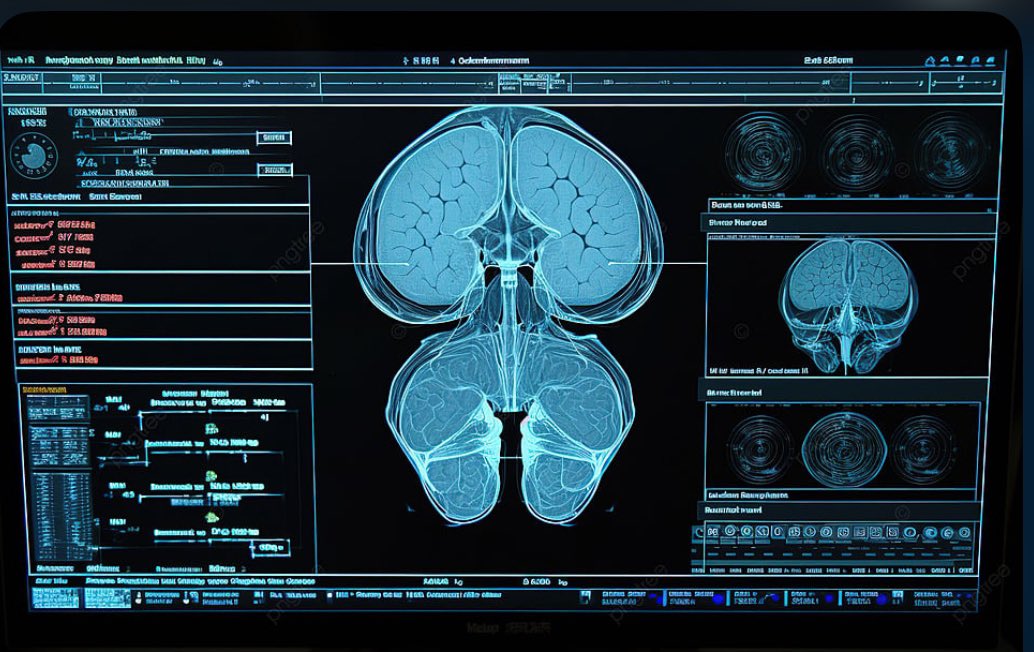
Posterior cortical atrophy (PCA) is a rare form of #dementia that mostly affects the parts of the brain that process visual and spatial information.
PCA can affect people of any age but most commonly develops between the ages of 50 and 65.
@DementiaUK has created a leaflet which outlines the symptoms, diagnosis process, treatments and therapies. Download a copy here: https://t.co/uRPsKSLLov
Posterior Cortical Atrophy
Posterior cortical atrophy (PCA), also known as Benson's syndrome, is a rare degenerative condition in which damage occurs at the back (posterior region) of the brain. In the vast majority of people, the cause of PCA is Alzheimer's disease
Via @GreenJournal: A test-case exploration of phenotypic continua in #Alzheimers disease and posterior cortical atrophy could help researchers learn more about the nature behind different clinical presentations of AD: https://t.co/fz2pMxvyKC
#NeuroTwitter@AANMember
The ‘D’ Word @RadioTdw with Pete Hill on @ukhealthradio - Pete chats to Martin Robertson who is living with Posterior Cortical Atrophy a rare form of #Dementia.
👉🏼 🎧 https://t.co/1yWLVMBCoZ #wellbeingpodcast
My colleagues Emma Harding, @KeirYong & @mindmodels have created this free resource - it contains dozens of practical tips & strategies that people with #PosteriorCorticalAtrophy have told us that they find useful in daily life: https://t.co/hFcQLFVZ1R
#MadeatUCL#PCA
Exploring experiential differences in everyday activities – A focused
ethnographic study in the homes of people living with memory-led
Alzheimer's disease and posterior cortical atrophy
https://t.co/jZIZKOgNAI