C) OK, so social media may be damaging Gen Z, but what is the evidence that it is damaging democratic institutions and norms?
This is a new doc, just launched. Preponderance of evidence points to harm. With @chris_bail:
https://t.co/zTYFEvIBR6
C) OK, so social media may be damaging Gen Z, but what is the evidence that it is damaging democratic institutions and norms?
This is a new doc, just launched. Preponderance of evidence points to harm. With @chris_bail:
https://t.co/zTYFEvIBR6
Massive review of interventions designed to increase donations w/ somber conclusions:
- most effect sizes are small (mean r = .08)
- some evidence for publication bias
- there are "compelling reasons to doubt generalisability" beyond the lab
https://t.co/KijkfgtkAs
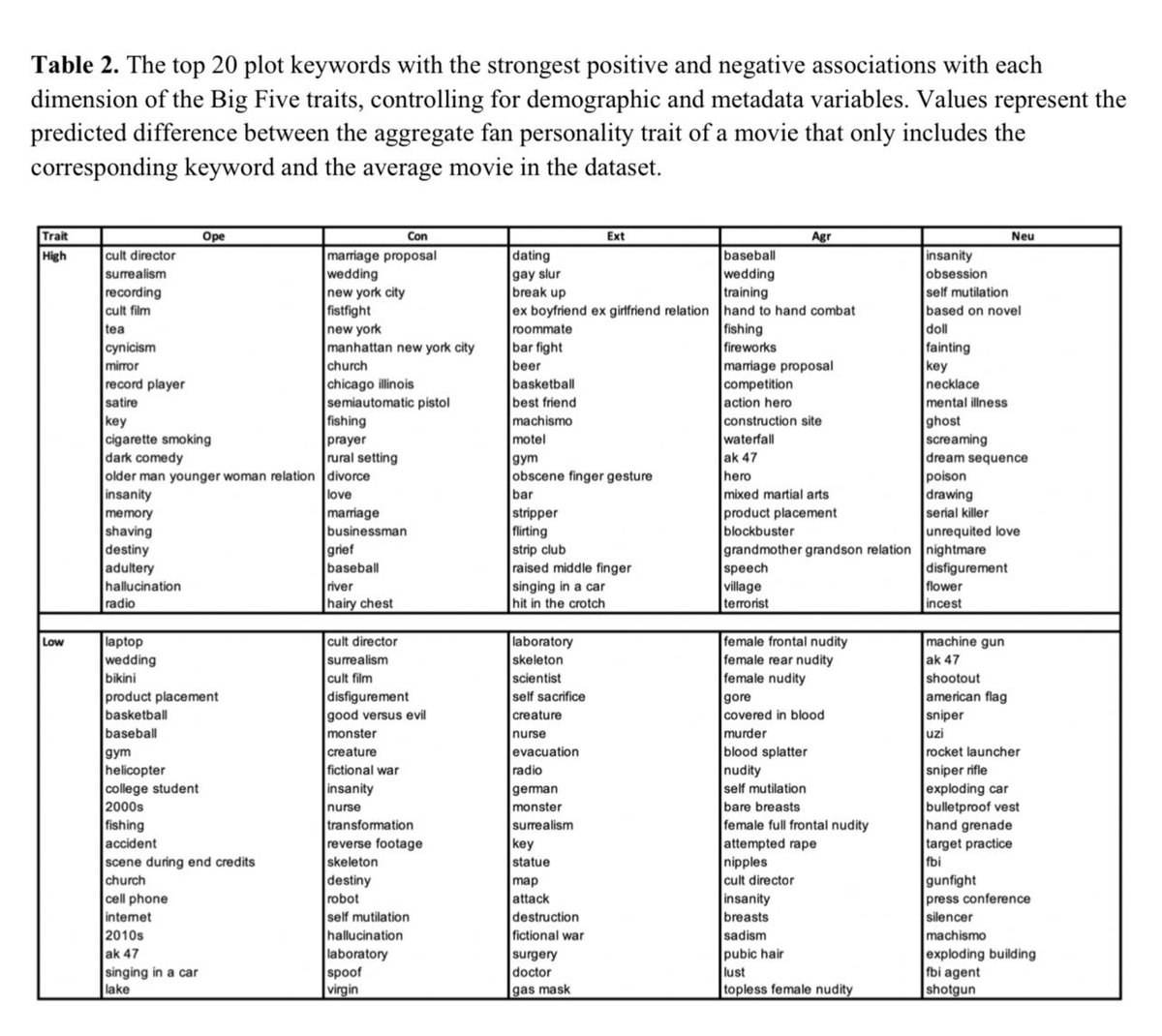
Its like a Buzzfeed quiz, but with real science: two papers show the movies and books you like can be used to accurately predict Big 5 personality traits. Take a look at the lists! (& some examples in the thread)
Movie paper: https://t.co/dkSJSDi0g2
Books: https://t.co/jVq3tPyKgH
Our new manuscript on why people are drawn to sad music
Given that sad music often makes you feel bad, why are you so drawn to listening to it?
https://t.co/XGPv2jI5Xh
On @NPRNewsNow this morning, the NIH is surprised how their public messaging around the vaccines may contribute to vaccine hesitancy, and believes they should NOW invest in communication/behavioral research to understand why as a special initiative …two years into the pandemic.
"...our findings have implications for the design of online platforms, understanding the social contexts of online behaviour, and quantifying the dynamics and mechanisms of online polarization."
Thrilled to share our paper, out today in @nature, which proposes a new paradigm for the analysis of online platforms and applies it to study political polarization over the complete history of Reddit
w/ @isaacwaller
Paper: https://t.co/5OtxbcH31W
🧵1/n
“Nonverbal interactions represent a huge part of human communication" (which you might think would get studied in the field bearing that name, but nope!)
https://t.co/S68BEPIWFC
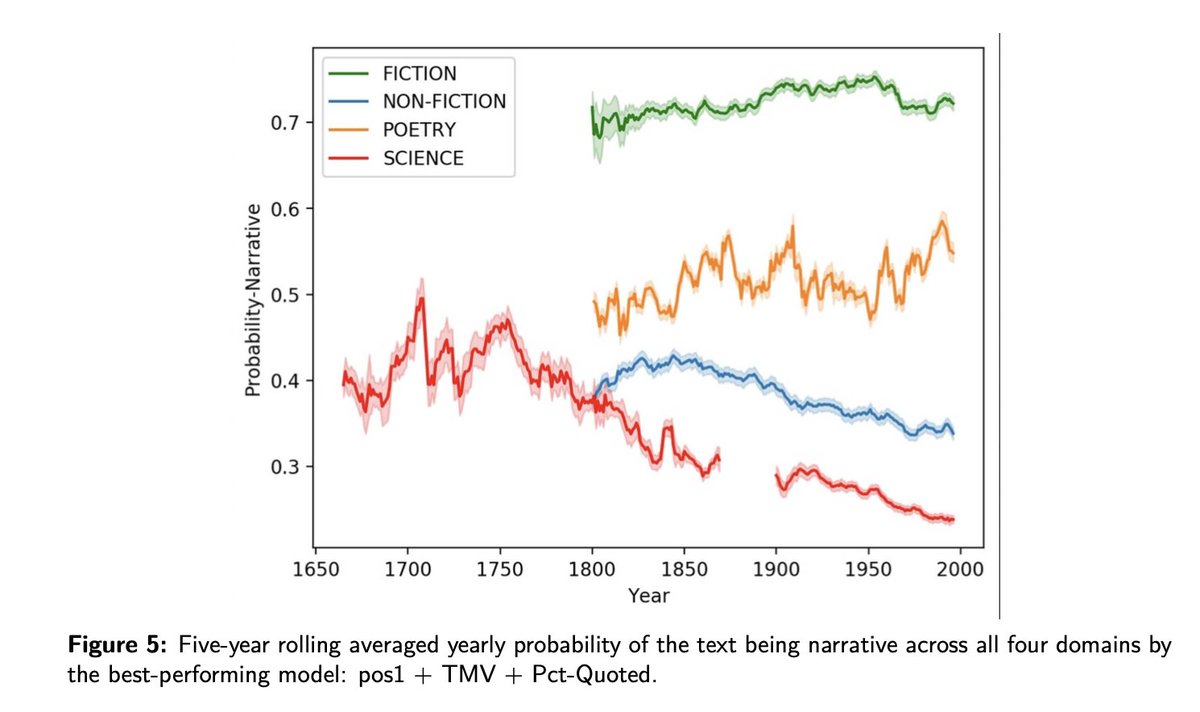
excited to announce our new paper on "Detecting Narrativity Across Long Time Scales" which will appear in the #CHR2021 proceedings. We'll be presenting it on Friday at 8 am EST. Here is the tldr + brief thread. https://t.co/91oZRzH1V7
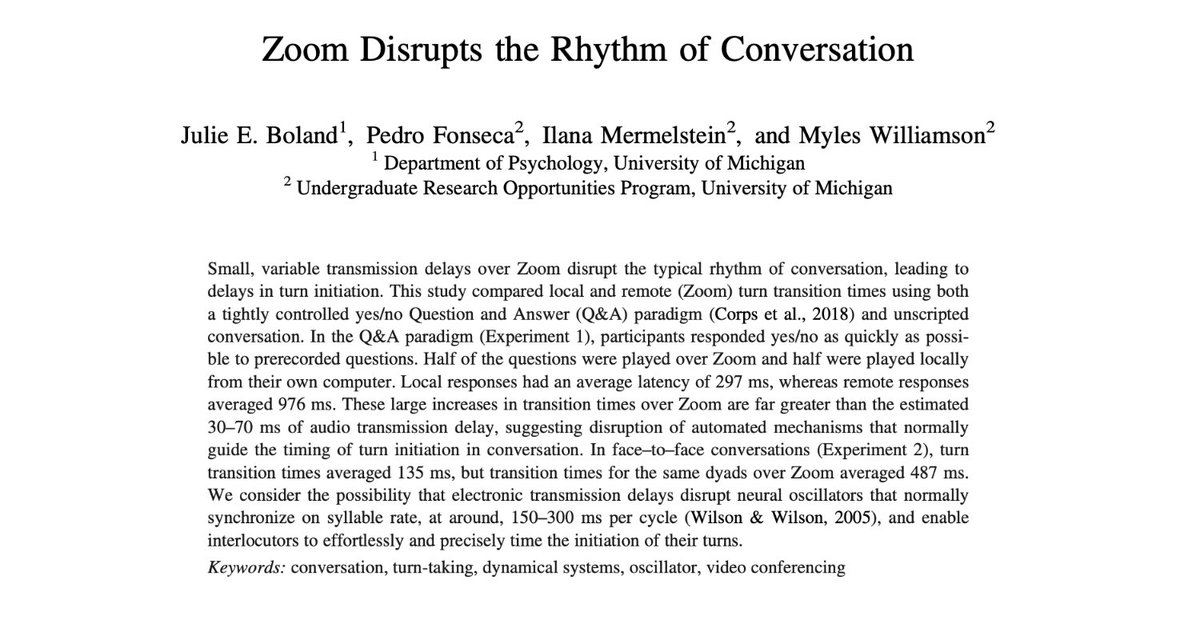
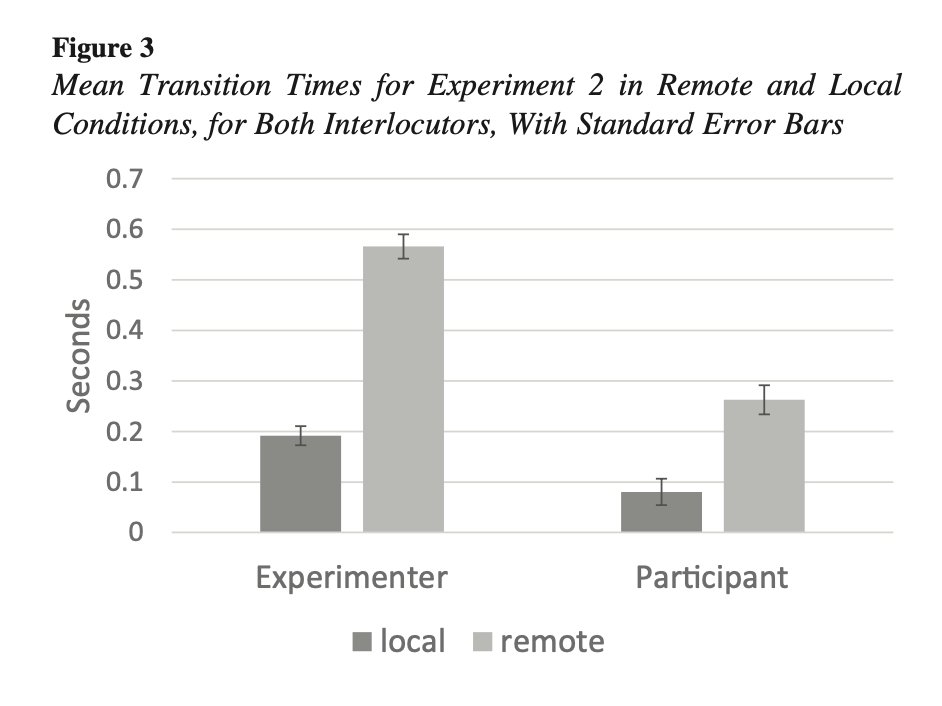
Thing you probably knew about Zoom being hard gets empirical support!
Cool new paper in JEP:G zeroes in on how Zoom disrupts the turn-taking fundamental to conversation...
(likely via transmission delays➡️neural oscillators helping us time turn-taking)
https://t.co/dmGll93Rc8
Why do people respond to media the way they do? If you ask @brianstelter, "the answers lie, not in political analysis, but in psychology. We need to be booking more psychologists on television!"
Yesterday I was on @CNN@ReliableSources discussing how a person's identity and information universe both shape beliefs with @brianstelter
We discussed shared reality, conspiracy theories, & cult psychology.
You can watch the full video clip here: https://t.co/LIt7nuxAJG
Most studies we post are findings that should have, could have, originated in the communication discipline, but maybe we should all just cut it out entirely? https://t.co/YxYQ3aTz6N