New paper led by our former DPhil student @hannahjklim out now in @NatureComms ‘Serological analysis in humans in Malaysian Borneo suggests prior exposure to H5 avian influenza near migratory shorebird habitats’
Some media coverage in the thread below
https://t.co/HvV5ybdGlg
New #JITC article: Proteomic and phenotypic characteristics of memory-like natural killer cells for cancer immunotherapy https://t.co/HuigWfbgxg @helena_are@Peppa_Group
BREAKING NEWS
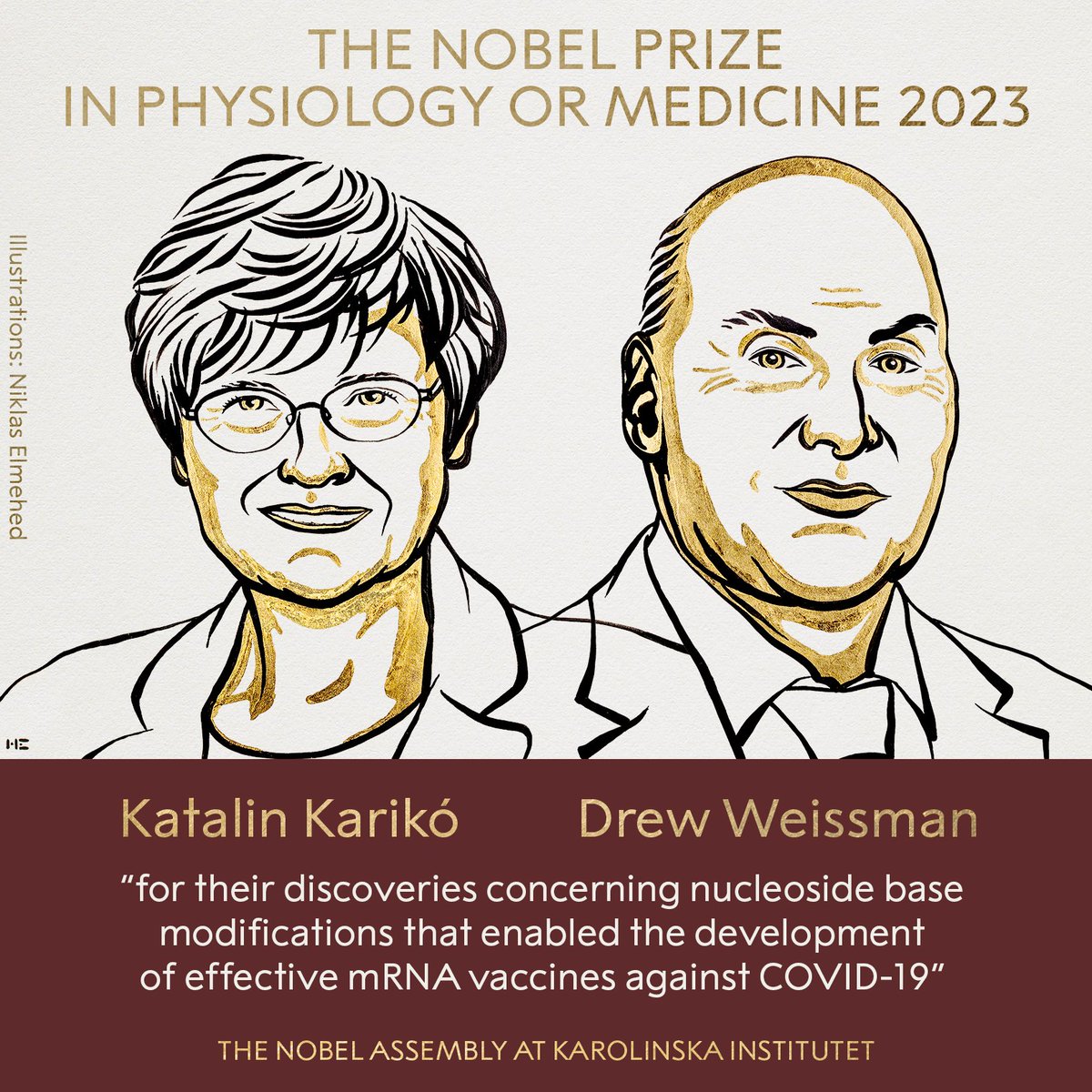
The 2023 #NobelPrize in Physiology or Medicine has been awarded to Katalin Karikó and Drew Weissman for their discoveries concerning nucleoside base modifications that enabled the development of effective mRNA vaccines against COVID-19.
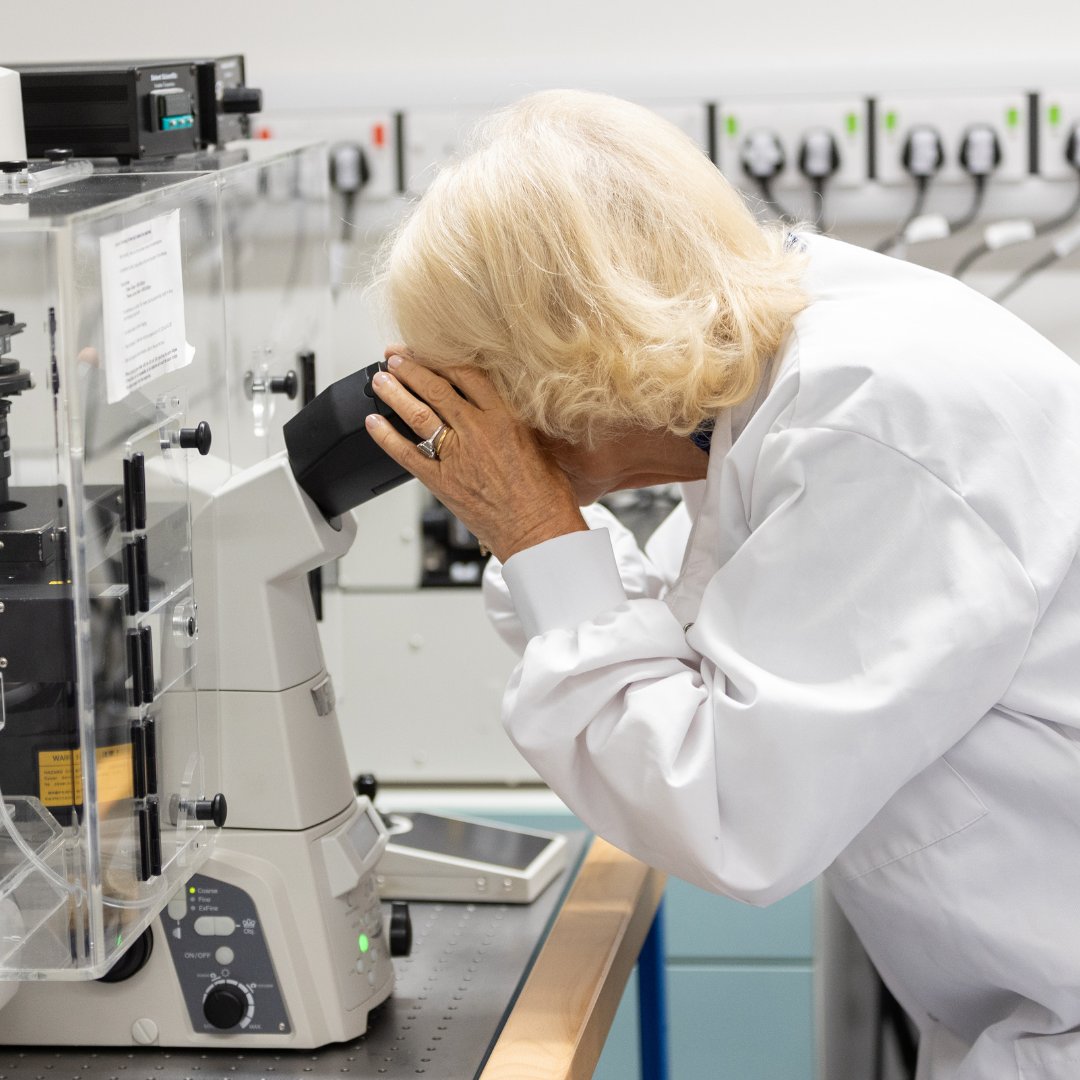
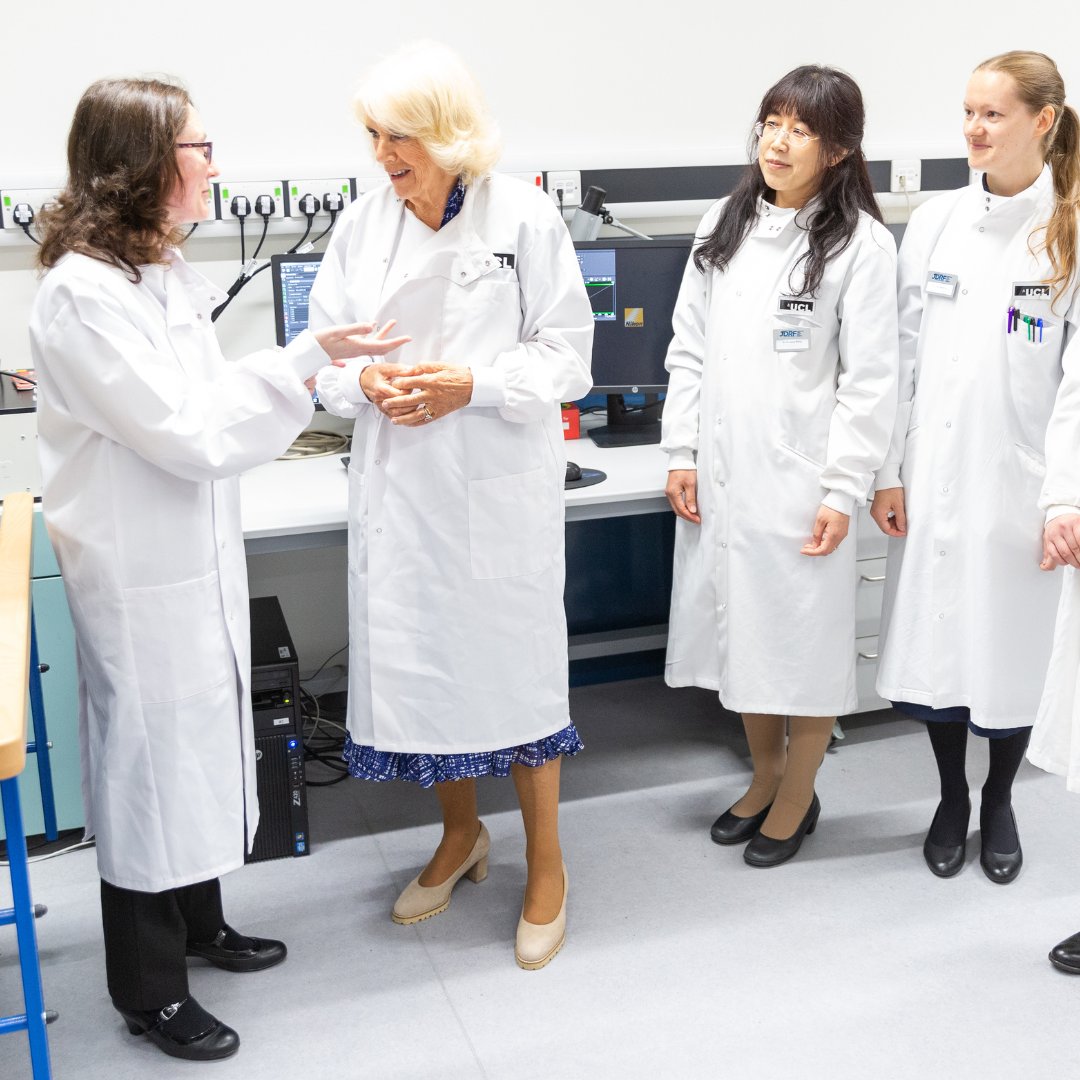
Thrilled to have Her Majesty The Queen visit @iit_ucl to hear about the type 1 diabetes research in Professor Lucy Walker’s lab. Her Majesty is president of JDRF who fund ground-breaking research aiming to cure this condition. @uclnews@UCLInfectImm
https://t.co/TBUhGXZ8kb
Excited to share that our new study describing 5 new variants of unknown significance in the STAT1 gene is out. #PID#PrimaryImmunodefiency#STAT1#RareDiseases
Practical challenges for functional validation of STAT1 gain of function genetic variants https://t.co/0Ja5LFHzx1
UCL named key strategic partner in EU’s new ‘Centre for the Technologies of Gene and Cell Therapy’ | UCL News - UCL – University College London https://t.co/NAc1VyweWX
Fantastic news and what promises to be an exciting, collaborative venture with our European friends 🍾🙌👏
This Christmas you can make a huge difference to the 40,000 people diagnosed with blood cancer in the UK 🎁
🏷️ Because research is saving lives
🏷️ Because we WILL beat blood cancer
🏷️ Because it's Christmas!
Please donate and give the gift of hope 👇
https://t.co/buOSqSNIfN
Therapeutic gene editing of T cells to correct CTLA-4 insufficiency https://t.co/WfSINjTTSx
Our new paper - out today! @RealDrfox fabulous science. @iit_ucl@uclmedsci@LucyWalkerlab@UCLInfectImm and massive thanks to Prof Claire Booth, Dr Pietro Genoese & Prof David Samson.
New Research: Lentiviral Mediated ADA2 Gene Transfer Corrects the Defects Associated With Deficiency of Adenosine Deaminase Type 2: Deficiency of adenosine deaminase type 2 (DADA2) is an autosomal recessive disease caused by bi-allelic… https://t.co/6dBpr3uMFa #immunology