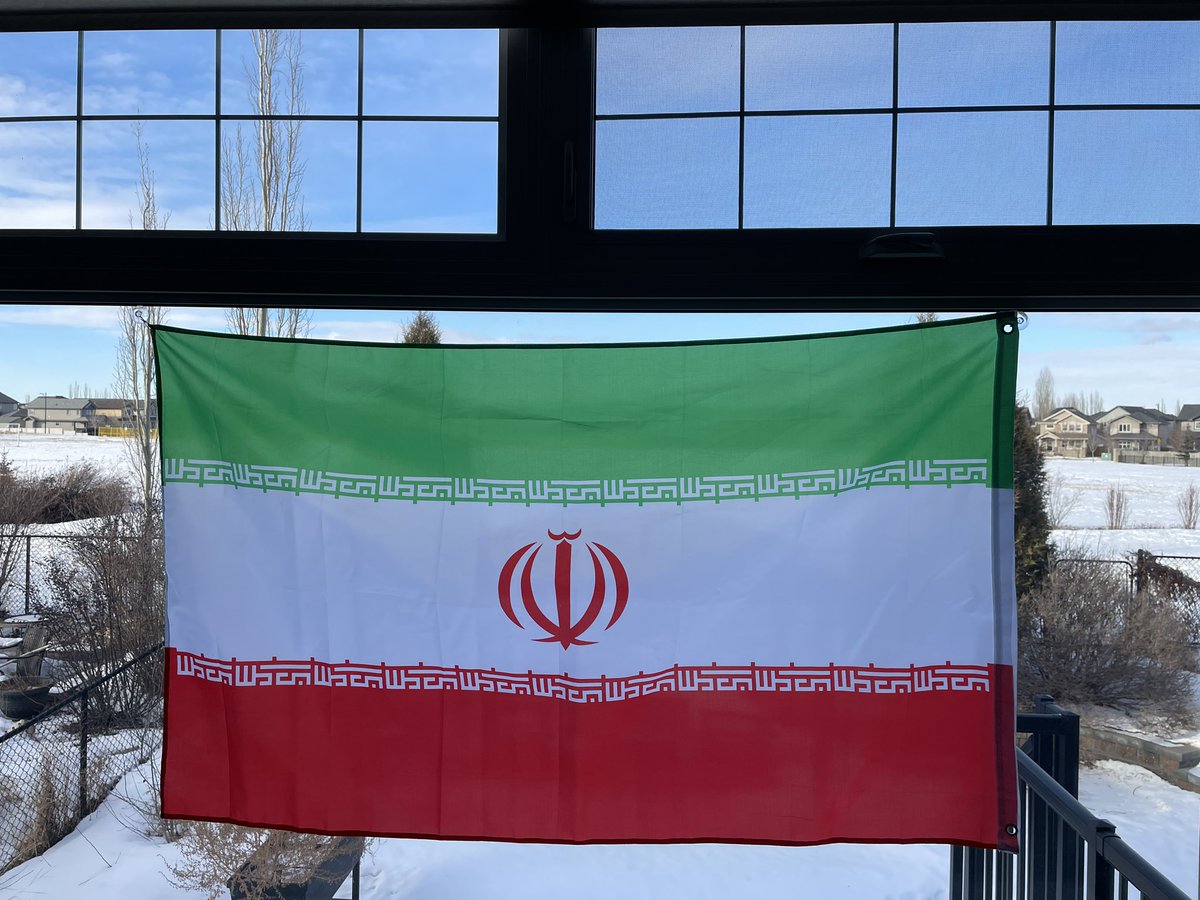
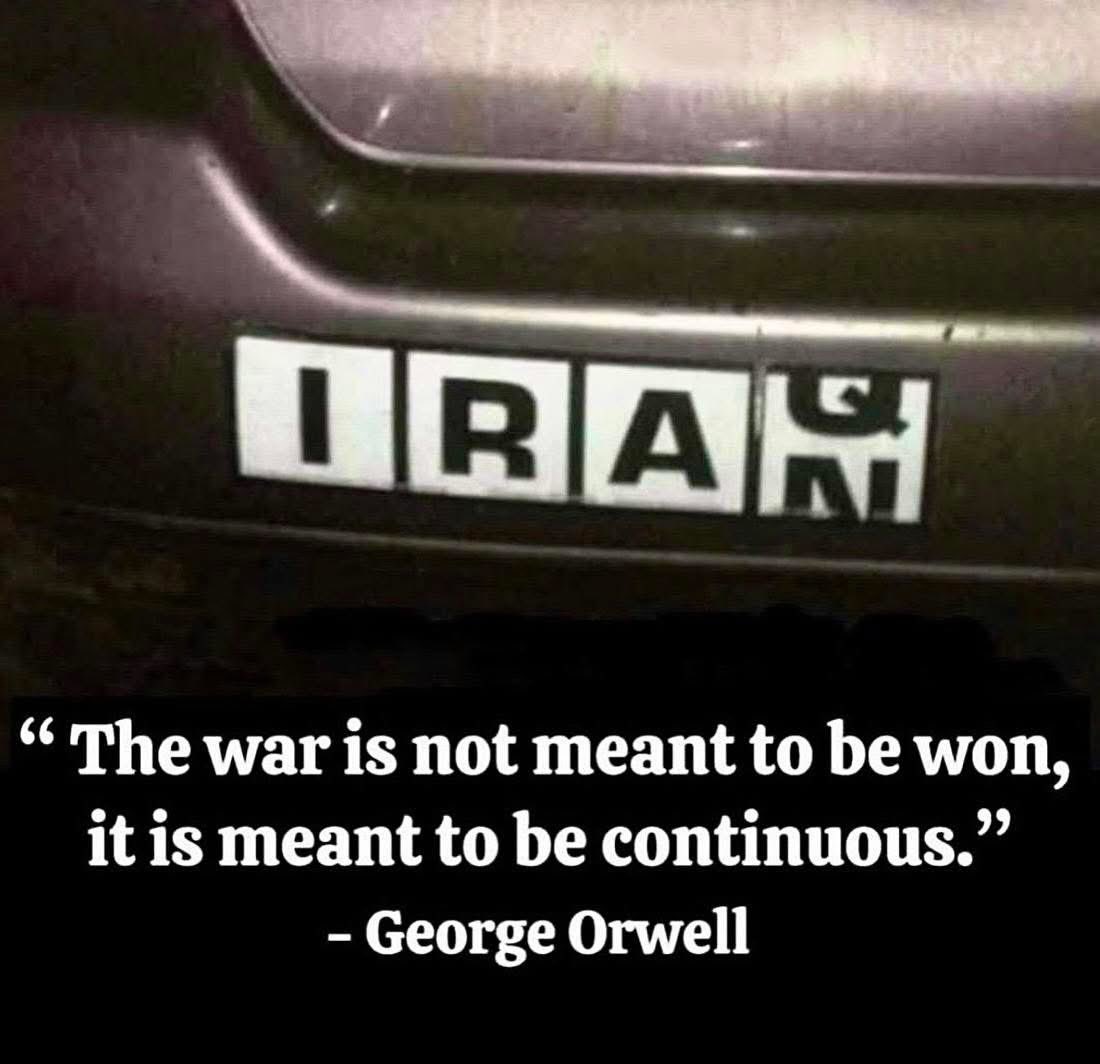
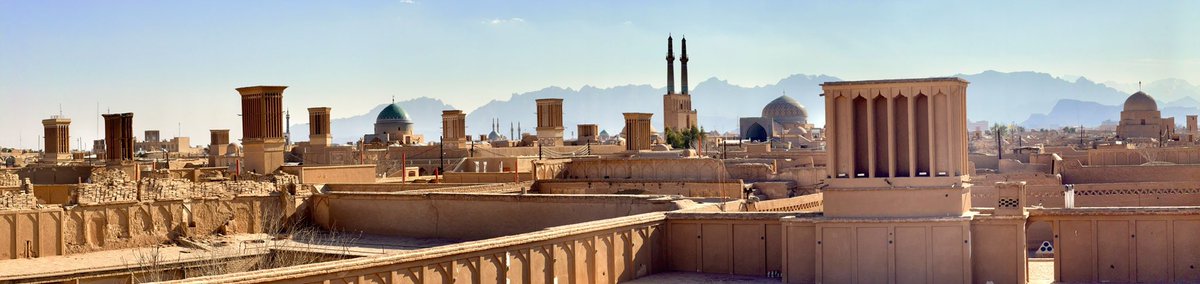
برادر عزیز! «مقاومت باعث جنگ نشد.» ضعف در فهم جهان جدید جنگ آورد. وقتی نظم لیبرال مرده بود، اما هنوز با زبان قواعد قدیم فکر میکردیم، امپراتوری نوین با زبان زور تصمیم گرفت. تأخیر در آزمایش هستهای، پس از سقوط سوریه و تضعیف حزبالله، خلأ بازدارندگی ساخت. جنگ از آن خلأ آمد، نه از مقاومت.
How the Iranian war rendered the U.S site strategy obsolete
The 2026 war exposed critical flaws in the American siege strategy, a posture the U.S. had maintained since the Cold War. What was once seen as a protective network has practically become a collection of vulnerable targets.
The physical encirclement of Iran as we know it today was consolidated by the 1980 Carter Doctrine.
To make the threat credible, the U.S. created CENTCOM and began constructing a vast network of bases in neighboring countries to surround the region and ensure rapid intervention.
For decades, the U.S. hemmed in Iran with bases in Kuwait, Qatar, Bahrain, the UAE, and Saudi Arabia to project power quickly.
In Bahrain’s case, the country became the headquarters for the U.S. 5th Fleet, forming a strategy aimed at strangling the Iranian economy. The opposite occurred; given Iran’s ability to strike logistics hubs like Jebel Ali in the UAE and Shuaiba in Kuwait, the logic was inverted, leaving the U.S. struggling to resupply its own besieged bases.
The 5th Fleet headquarters no longer hosts a single ship in the Gulf and has been rendered uninhabitable, along with 14 other bases in the region: five in Kuwait alone and four in Iraq.
The intensity of the attacks was such that, beyond missiles and drones, Iran also utilized aircraft to bombard these installations with glide bombs, inflicting massive damage. Iran managed 40 to 50 distinct targets within the first 24 hours of the war. In Iraq, various militias joined the Iranian front, causing the evacuation of not only U.S. bases but also installations of other NATO countries.
In other words, one could say Iran forced the de-occupation of Iraq, after all, why were there still bases in Iraq when ISIS has been inactive for years and the Iraqi army is organized?
The violence of the Iranian reaction against these bases led U.S. command to order soldiers to take shelter in luxury hotels wearing civilian clothes.
Iranian intelligence discovered this, and Iran began targeting those hotels as well. It was pure chaos, with numerous dead and wounded.
This was the first real test of the siege strategy, and it proved to be a disaster, with a staggering volume of resources thrown away. What puzzles me is that I predicted this situation in two publications weeks before the war.
If I foresaw it, how did no one at the Pentagon? It is obvious that you cannot operate bases 100 to 500 km away from a country that is a missile and drone powerhouse. Where is the difficulty in accepting this?
The catastrophe of this strategy goes far beyond Iran, as it is replicated mainly in Asia. It is estimated that Kuwait received at least two batteries in February, adding to the 7 or 8 already in operation, totaling 9 to 10 batteries. Taiwan has this same number, 9 Patriot batteries with about 700 to 900 interceptors.
To read full article:
https://t.co/xiP8xDEwgv
Netanyahu's Strategic Errors May Force the US into a Risky Precipitous Action
In June, Israeli intelligence managed to execute a successful operation against Iranian air defenses, targeting key military leaders and assassinating scientists.
But the success was confined to intelligence efforts, as the military action fell short in strategic planning. Netanyahu envisioned an operation spanning several weeks, yet Israel only had fuel and armaments for less than two.
American cargo ships, tanker aircraft, and even a German A400 were rushed in to salvage Israeli logistics.
The projections for interceptor missiles were even more dismal, forcing the American fleet to be summoned urgently to shield Israeli defense systems, which depleted in just over 10 days of fighting.
Netanyahu and his advisors plotted a war of weeks, but failed to anticipate offensive and defensive munitions stocks that could sustain even two.
Today, industry hasn't replenished even 30% of the expended volume and would require at least two years to near pre-war levels.
The American force, with two CSGs, boasts around 900-1,300 VLS cells, 50-70% of which are defensive missiles, realistically yielding 500-800 interceptors. Half could be swiftly exhausted defending the fleet in the Sea of Oman, sufficient for roughly 200-300 Iranian anti-ship missiles.
Following this analysis, the Haifa fleet might hold 250-400 defensive missiles, plus David Sling (15-25 monthly production) and Arrow (2-4 monthly) outputs from the past eight months, alongside regional Patriots and THAAD. That totals about 1,100-1,600 missiles.
This would suffice for 700-1,200 Iranian missiles, based on proportions from the 12-day war.
That equates to munitions for 15-20 days of protecting Israel.
Yet there's a critical detail: the 4-5 AN/TPY-2 radars in Qatar, the UAE, Saudi Arabia, Turkey, and Israel.
Losing those in Qatar, the UAE, and Saudi Arabia would severely degrade tracking precision for Iranian missiles, hampering interceptions.
Such radar losses mark a pivotal shift from the 12-day war.
The US and Israel will stake everything on suppressing Iranian air defenses, but if it falters, chaos ensues.
Even with 250 cargo ships tapping munitions from the two CSGs and bases, the war might stretch to 20 days at best.
Netanyahu appears unwilling to forgo attacks, viewing this as a prime chance to topple the Iranian regime, but his June calculations were a debacle and could drag the US into an unprepared conflict.
On the Iranian side, the question is whether they can sustain a high missile launch tempo while enduring intense air defense suppression.
رسوایی تازه برای ترامپ و ملانیای پاک دامن!
تحقیقات تلویزیون رای۳ (برنامه تحقیقی شبکه ایتالیا) زلزلهای سیاسی به پا کرده است.
آنها فایل صوتی منتشرنشدهای از سال ۲۰۱۷ به دست آوردهاند که در آن «پائولو زامپولی» — همان کسی که ملانیا را به دونالد ترامپ معرفی کرد و اکنون به عنوان فرستاده ویژه آمریکا در حلقه نزدیکان او قرار دارد — از یک پیمان محرمانه پیش از انتخابات با بانوی اول سخن میگوید.
در این تماس ضبطشده زامپولی فاش میکند که ملانیا ظاهراً به او گفته است:
«پائولو نگران نباش... تو حامی ما هستی. هر اتفاقی افتاده، تو از محافظت میکنی... ما هم از تو محافظت میکنیم.»
این گفتوگو درست پس از آن بود که خانواده ترامپ شکایت بزرگی را علیه گزارش نشریه «دیلیمیل» در سال ۲۰۱۶ مطرح کردند که ملانیا را متهم به کار در زمینه اسکورت جنسس کرده بود و به توافق رسیدند.
زامپولی میگوید بعد از پیروزی، آنها به قولشان وفا کردند و او را مثل عضوی از خانواده، عمیقاً به حلقه مورداعتماد رئیسجمهور کشاندند.
فایل صوتی کامل و تحقیقات تکمیلی یکشنبه این هفته از شبکه رای۳ پخش میشود.
تیزر آن در سراسر ایتالیا خبرساز شده است. زامپولی عصبانی است و تهدید به شکایت میکند، اما نوار صوتی منتشر شده است.
همیشه همه چیز به اپستین برمیگردد.