British author who translates and adapts folk & fairy tales from original texts & puts them back into print, particularly lesser-known British & Celtic #pwME
Regular reminder that the depiction of problematic things in fiction is not an endorsement of those things, that the views of a character are not synonymous with the views of the author, and that writers must be able to write about difficult things without fear of censure.
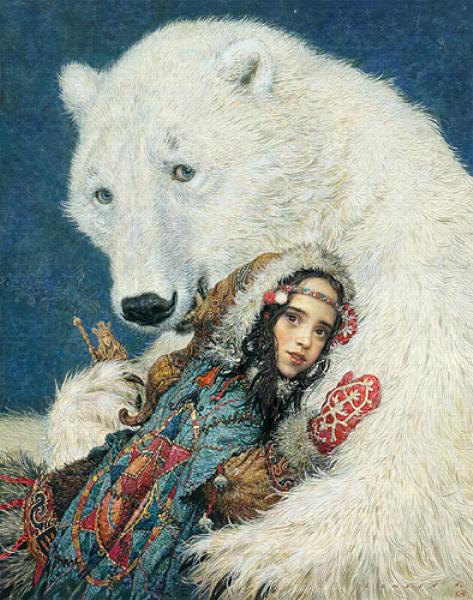
Though werewolves are usually ravening monsters in European fairy tales, werebears are often more sympathetic. They are frequently people cursed with bear form who wander the wilderness sad and alone until someone breaks the curse, returning them their humanity.
#FairyTaleTuesday
Irish warrior hero & demigod Cú Chulainn is known for his ríastrad, meaning his transformation into a savage beast, triggered by the heat of battle. When possessed of this supernatural rage, he kills indiscriminately, massacring friend & foe alike. #MythologyMonday
#FairytaleTuesday
1. Old England, the 12th Night marked the end of a winter festival that started on Samhain, Oct. 31st. The Lord of Misrule symbolizes the world turning upside down in a cold winter. In the middle ages, the Night began on Dec. 25th eve moving forward 12 days
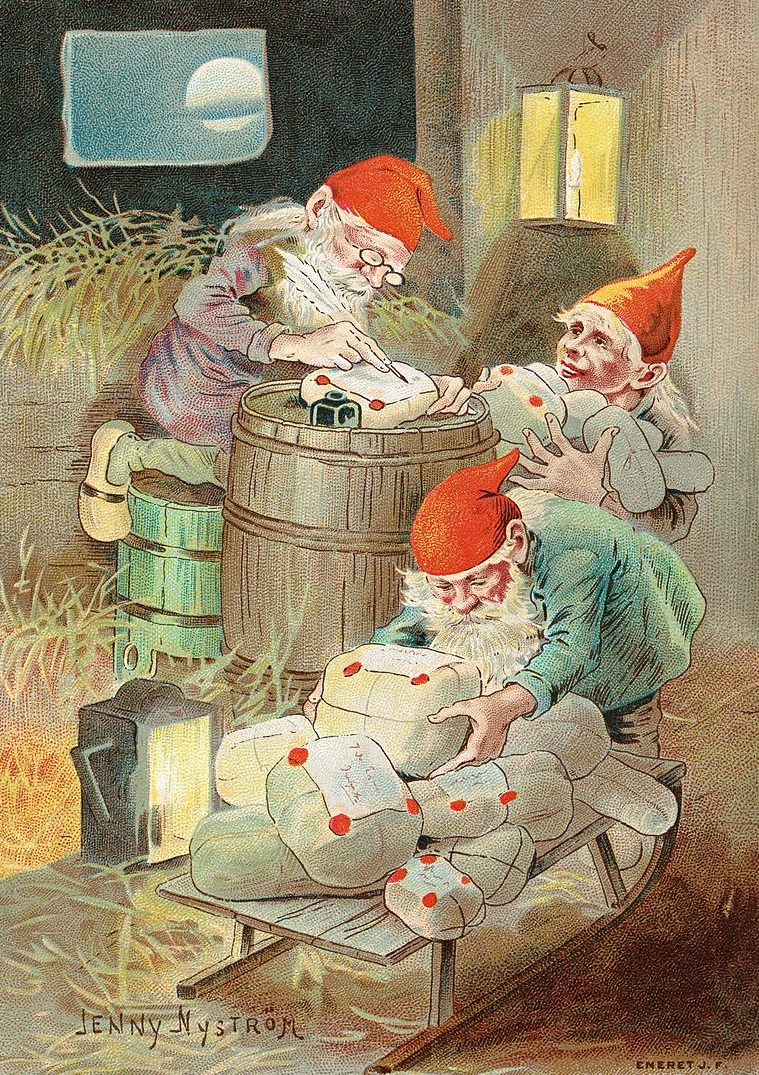
Nisse are nordic fairies that resemble tiny, often bearded, people. They live on farms, acting as their secret guardians. They are also linked to the Winter Solstice and Christmas. In Scandinavia, a nisse often helps the Yule Goat to deliver Christmas presents.
#FairyTaleTuesday
each year, the people of Catalonia celebrate “the Day of Books and Roses,” a nationwide celebration of literature in which lovers exchange books and the streets are thronged with dancers and book-sellers, and honestly, we could use a holiday like that.
In many parts of Scandinavia, the traditional Christmas gift giver is the Yule Goat. Sometimes depicted as human sized and at other times as a goat with a Nisse/Tomte leading it along.
Art by Bauer
@FairyTale_Tues#fairytaletuesday
The Yule Cat (Jólakötturinn) is a huge cat in Icelandic folklore, that roams around the countryside at Yuletide. The Yule Cat looks for people who are not nicely dressed in new clothes for the festivities, and swallows them whole.
#FairyTaleTuesday
Art by @Iren_Horrors
A legend tells of the ivy's endeavours to make the Earth beautiful, covering bare patches of ground and adorning trees with her shiny green leaves, and producing flowers to feed insects in cold weather. As thanks the nature spirits decreed the ivy would be 'ever-green'. #folklore
13th December is St. Lucia's Day. In Scandinavia girls wore white dresses and candle wreaths carrying special cakes as they processed. But on this night, the Wild Hunt would also be out, and if it was heard, a cake had to be thrown to appease the spirits... #FairyTaleTuesday
In Celtic folklore, the Cait Sidhe was a creature known to capture the souls of the newly deceased before they traveled to the Afterlife.
To help their loved ones avoid these creatures, mourners strategically spread catnip around to distract these spirits
#FairytaleTuesday
'And there stood the oak, stripped of all its leaves, left to rest during the whole of a long winter, and to dream many dreams of events that had happened, just as men dream.' Hans Christian Anderson. #FairyTaleTuesday https://t.co/KynvFsmR6t




![RLLawrenceBP's tweet photo. [January 2025] Updated and now available in paperback: “Assipattle and the Mester Stoorworm” by Walter Traill Dennison
#Orkney #folktale #Scottish #Assipattle #Mester #Stoorworm #DragonSlayer #legend #ATU300
https://t.co/oYU5qpvGai https://t.co/bn2tV5oHT1](https://pbs.twimg.com/media/Gg83JSOW0AAr3w5.jpg)


![RLLawrenceBP's tweet photo. [August 2022] New release: “Gypsy Tales: The John Sampson Collection,” includes The Leaves That Hung But Never Grew, Ashypelt, and The Little Bull-Calf
#folktale #fairytale #Roma #Romani #British #Welsh #English #MatthewWood #CorneliusPrice #WastiGray
https://t.co/ioyhrtJ1up https://t.co/Brnpt3l2M8](https://pbs.twimg.com/media/FaYD5D8XwAIBgwm.jpg)