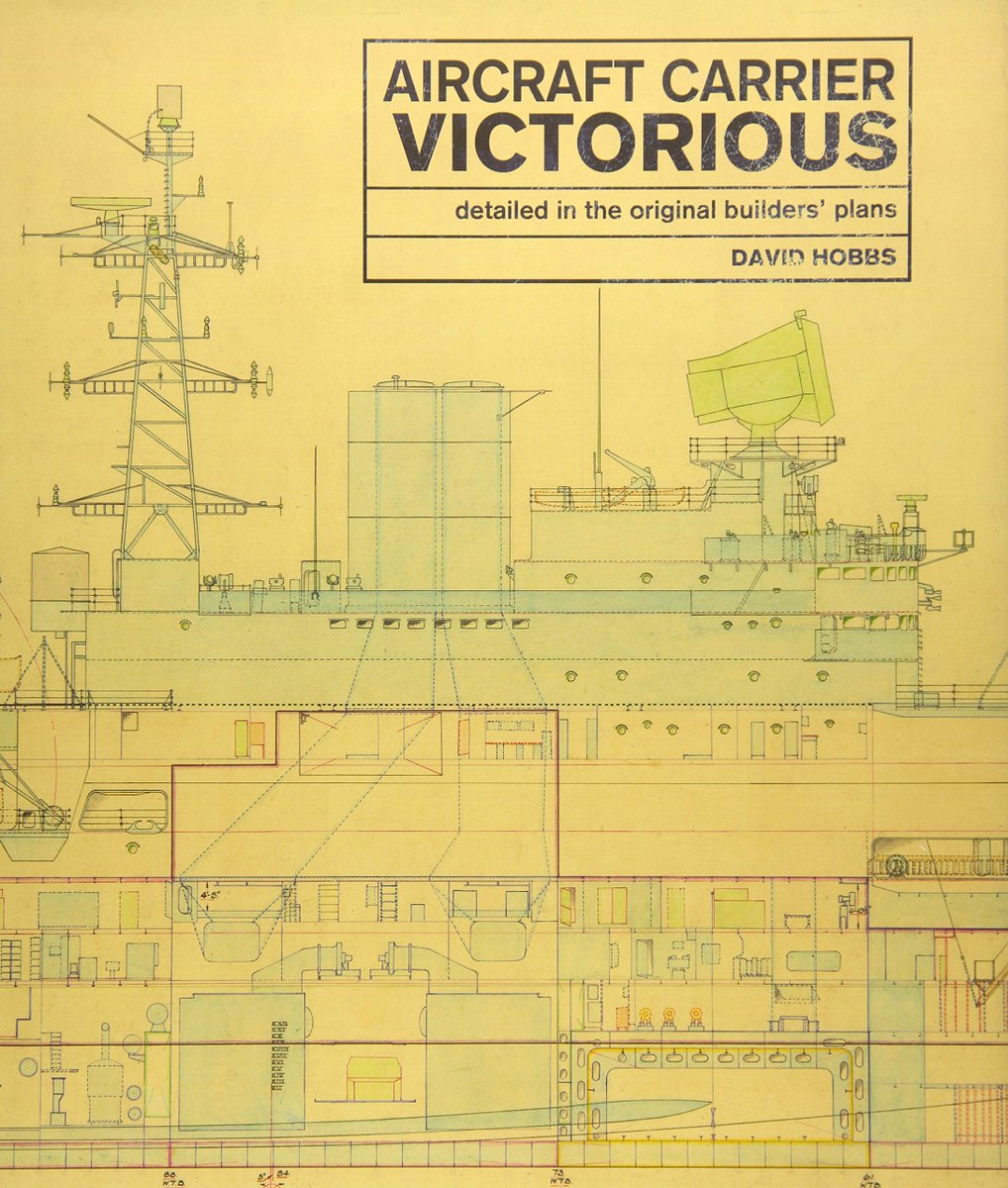
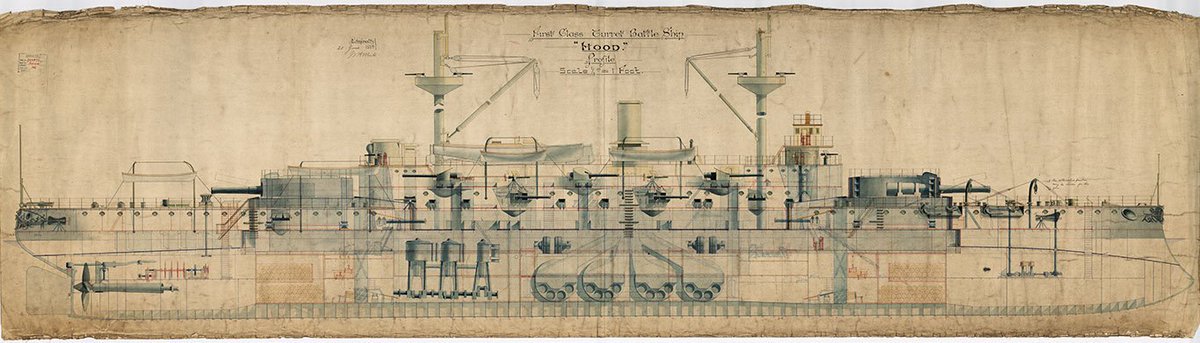
Aircraft Carrier Victorious: Detailed in the Original Builders' Plans by David Hobbs (@penswordbooks) has been nominated for the Mountbatten Award for Best Book
https://t.co/dtvA2qFBiZ
#Maritime#Literary#MaritimeMediaAwards2019
'The Moon' exhibition at National Maritime Museum, Greenwich; explores our evolving relationship with the Moon – from antiquity to the present as well as unpicking moon-related myths. This exhibition image features prints by artist Tom Hammick. #Moon50#museumphotography
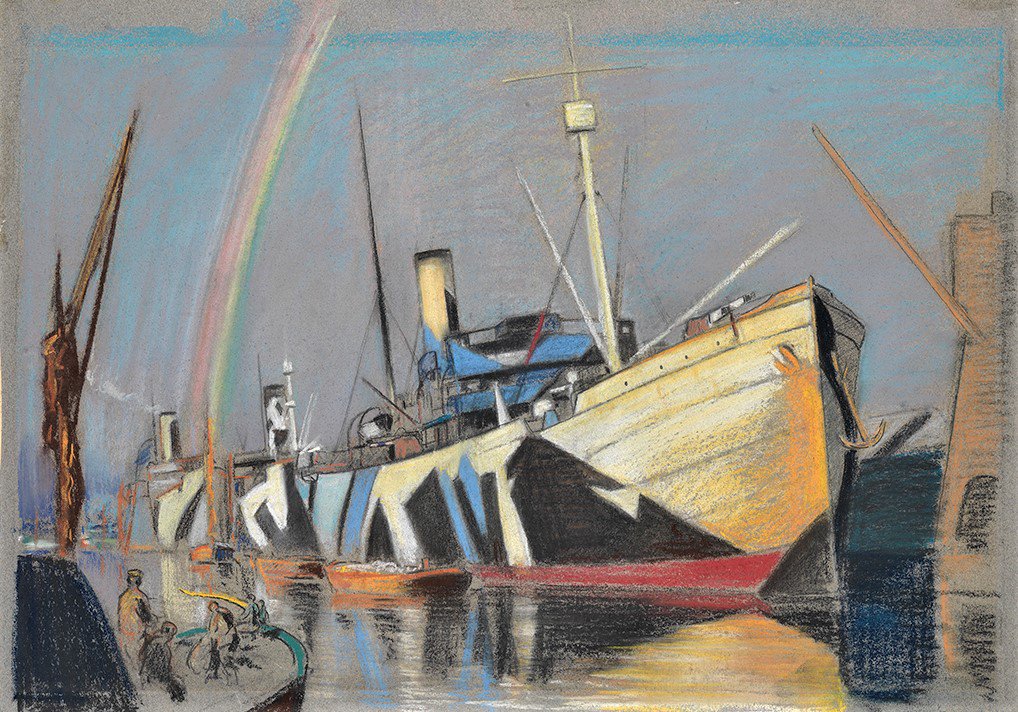
Dazzle was a type of camouflage developed by the artist Norman Wilkinson in 1917. This image painted by John Everett c.1918 showcases distinctive patterns and vibrant colours of dazzle camouflage; further emphasized by the soaring shape of the rainbow in the background. #RMG
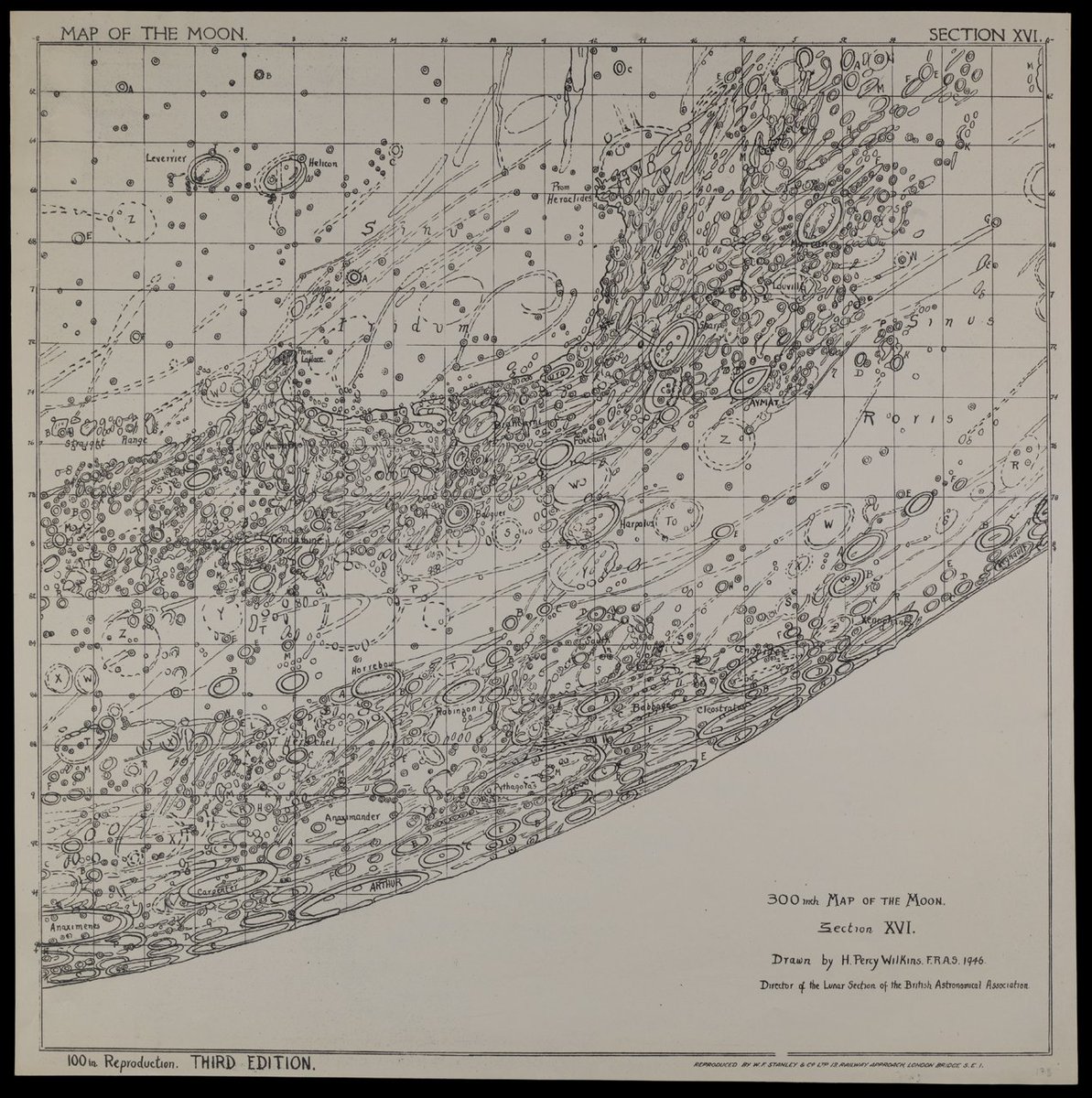
Drawing of details on the surface of the Moon by Dr Samuel Wilfrid Russell B.A., M.B., https://t.co/OtJErHmjvs. (1895-1965). Created in the 1920s-1940s using a telescope in the garden at his home in Bromyard, Herefordshire #picturelibrary#favourites
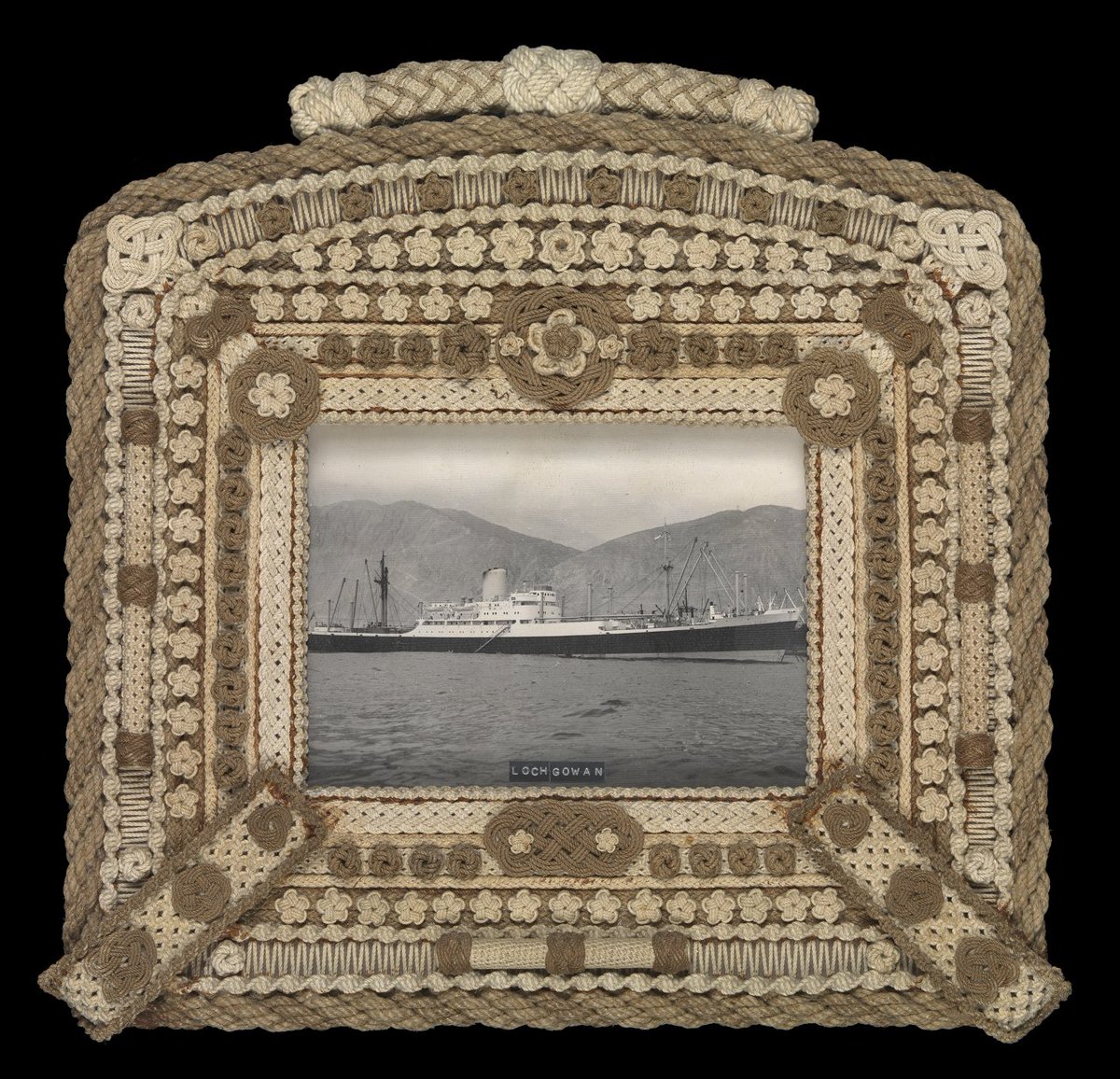
Frame made of rope tied into sailor’s knots in a decorative pattern around a photograph of a ship ‘Loch Gowan’. Cutbrush, a long-serving member of the merchant navy, was well-known for his ability to make knots. #picturelibrary#newacquisitions
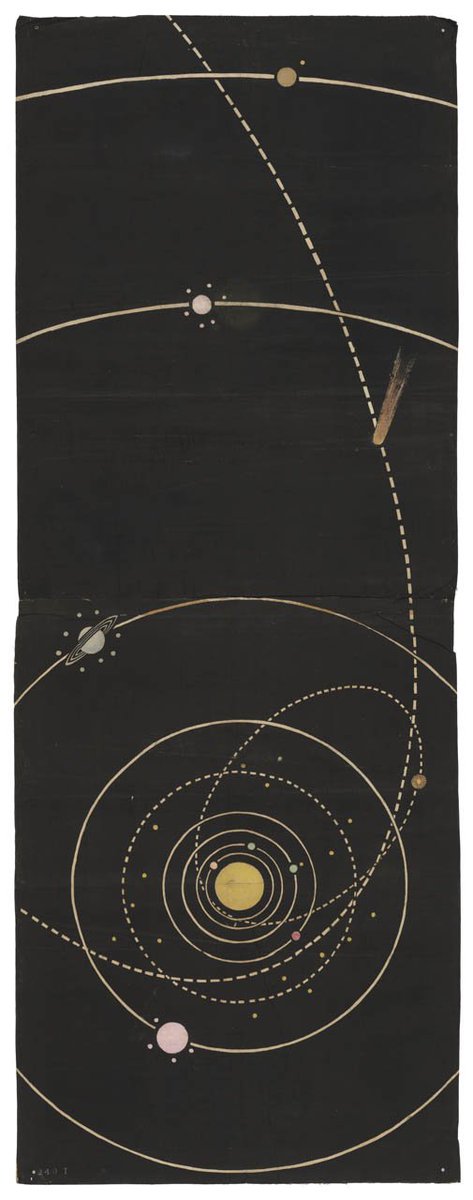
Solar System is a wall hanging showing the solar system with the planetary orbits, including Neptune, discovered in 1846, and that of two comets. This is one of nine wall hangings now in the NMM, which were produced by the Working Men's Educational Union.
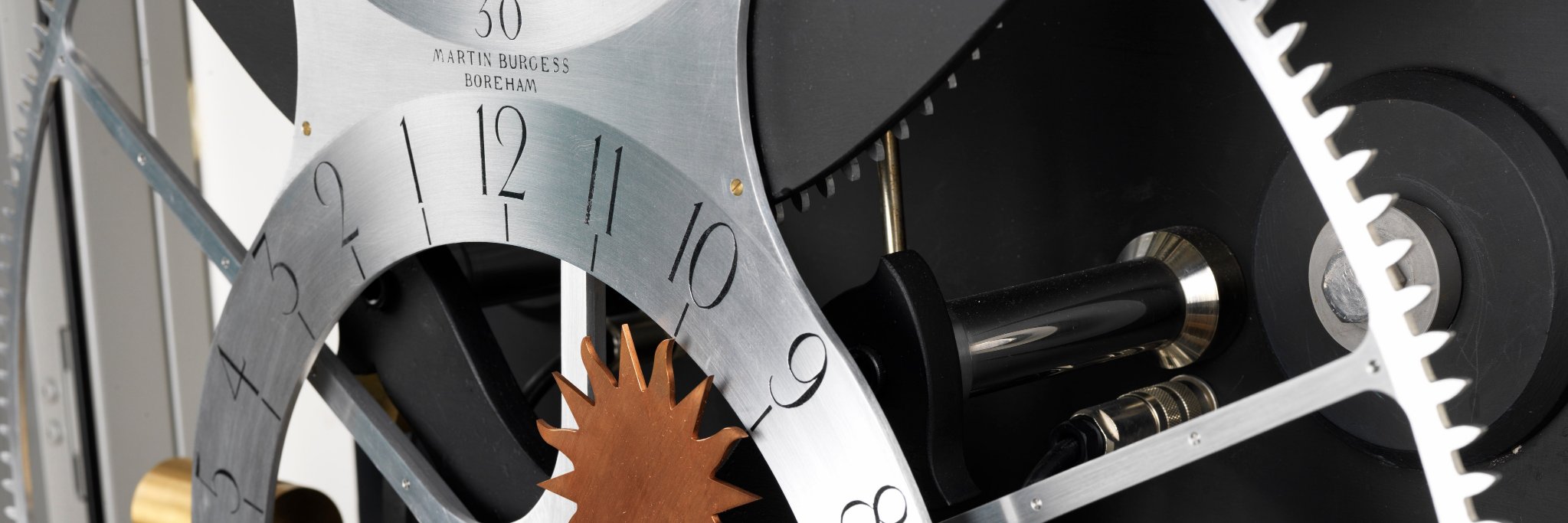
Slave clock and dial
Slave clock connected to the Shepherd master clock installed at the Royal Observatory in 1852. This slave clock was installed at the gates to the Observatory and was the first clock ever to show Greenwich Mean Time (GMT) directly to the public.
Behind the scenes: Max communications at work on our 1700 contracts project to digitise over 5,000 pages of contracts from the Admiralty detailing specifications to build ships @max_comm#bedhindthescenes#digitisation#museumphotographers